


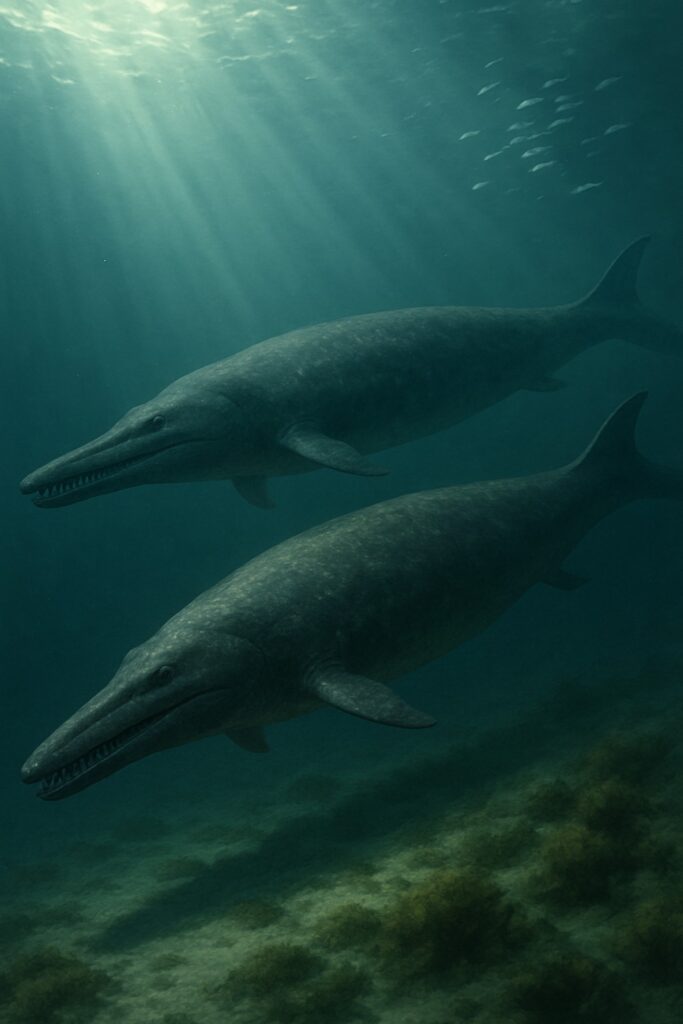
Sixteen kilometres from Melbourne’s CBD, a cliff face is slowly crumbling into the sea. And what’s falling out of it is five million years old.
Beaumaris Bay doesn’t look like much on a map. It’s a suburban beach. Families, dogs, the occasional jogger. But the Black Rock Sandstone layer running through those eroding cliffs has been quietly releasing whale bones, shark teeth, and penguin remains since before anyone thought to look for them. Scientists now consider it one of the most significant marine fossil localities in the entire Southern Hemisphere — and the thing is, you can walk the same stretch of beach on any given morning and pick something up with your bare hands.
Australian Prehistoric Marine Fossils Hide in Plain Sight
The Black Rock Sandstone at Beaumaris Bay was laid down during the late Miocene and early Pliocene epochs — roughly 5 to 6 million years ago. Think of it like a geological receipt: everything that lived, died, and sank to the seafloor during that period got slowly compressed into the cliff you can lean against today. Palaeontologist Dr. Erich Fitzgerald of Museums Victoria has described the site as one of the most important marine fossil localities in the Southern Hemisphere, which is a measured, careful thing for a scientist to say — and that’s exactly why it’s worth paying attention to.
Victoria looked nothing like it does now. Sea levels were higher. Water temperatures were different. The animals here were stranger.
Some of them were very large indeed.
Ancient Whale Bones Rewrite Victoria’s Ocean History
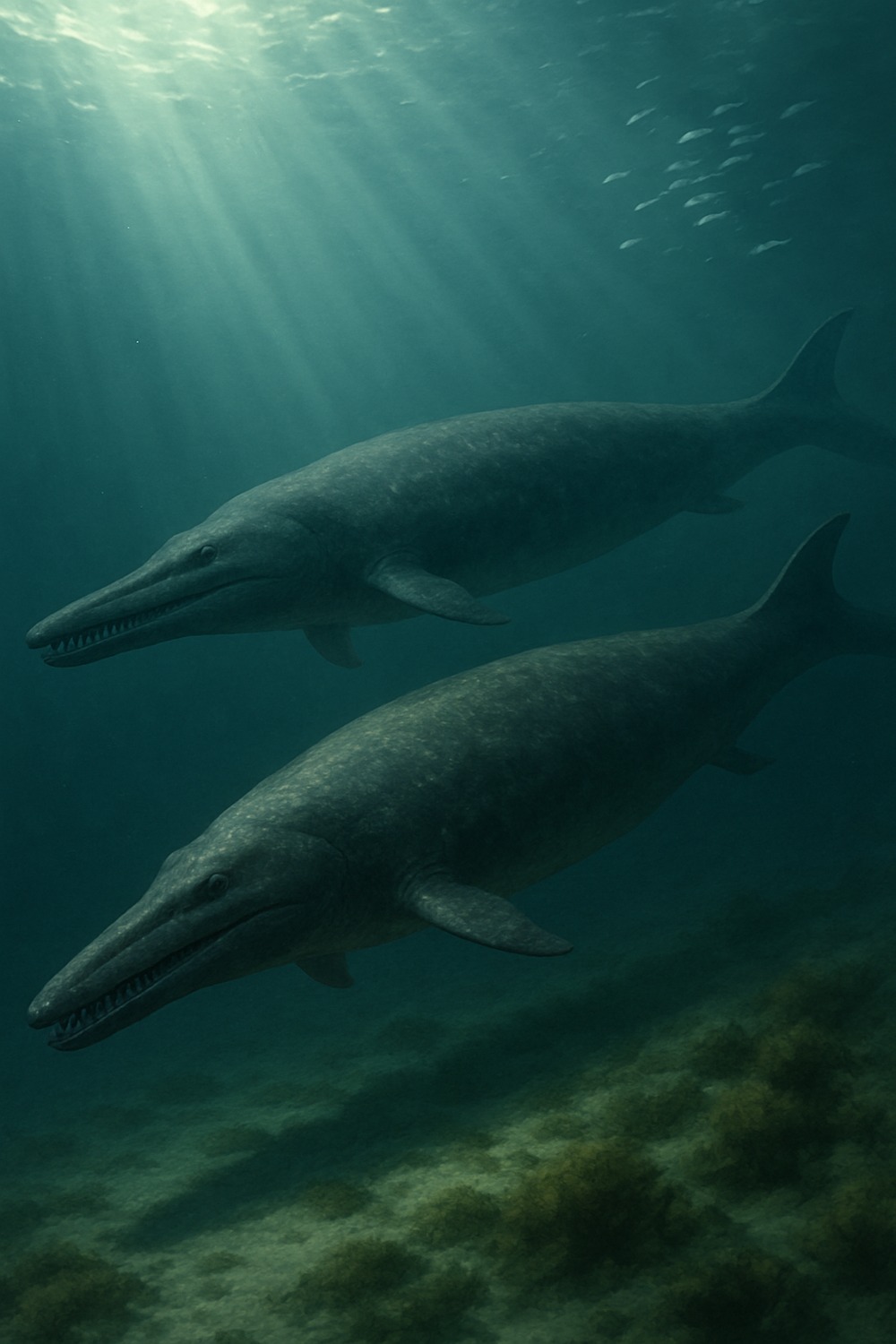
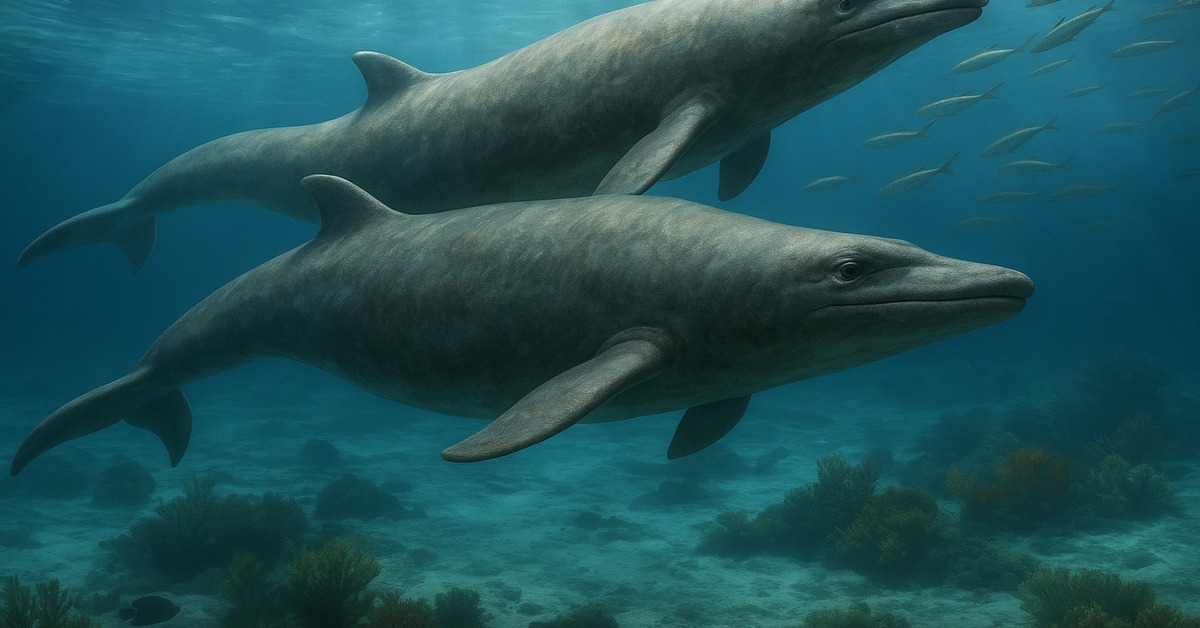
The whale fossils recovered from Beaumaris Bay are, in a word, disorienting. Bones from baleen whales — the filter-feeders still crossing the world’s oceans today — have come out of this site in remarkable condition. According to the Beaumaris Bay fossil site Wikipedia entry, the remains include early relatives of modern mysticetes, which has let researchers trace how these animals developed their distinctive feeding strategies across millions of years. Early ancestors of humpbacks and blue whales, in other words, navigating what is now a commuter suburb of Melbourne.
Not as rare visitors either. The sheer density of whale material at the site points to rich feeding grounds. This stretch of ancient Bass Strait wasn’t just passing territory — it was home.
Fossilized Shark Teeth Track an Apex Predator’s Journey
Whale bones aren’t the only thing washing out of those cliffs. Fossilized shark teeth from Beaumaris Bay have kept researchers occupied for decades, and the range of species is the genuinely interesting part. Some belong to animals still swimming today — makos, great whites, members of the genus Carcharodon whose evolutionary line apparently runs straight through these waters. Others represent lineages that simply ended. Gone. No descendants.
Which means the ocean here 5 million years ago wasn’t just full of life. It was full of life we’d no longer recognise.
Picture holding one of those teeth. It’s serrated, dense, cool to the touch. The animal it came from died in a world where our entire genus hadn’t appeared yet. And someone found it lying on a beach, not behind glass in a museum — just there, on the sand, waiting. That detail kept me reading about this site for another hour after I first came across it.
If you want more of these kinds of connections — ancient predator ecosystems, how they shaped the oceans we think we know — there’s more worth exploring at this-amazing-world.com.
Prehistoric Penguins Reveal a Climate Story Nobody Expected
Here’s where it gets strange in a different way.
Among the Australian prehistoric marine fossils at Beaumaris Bay are penguin bones. Not modern penguin bones — ancestral forms, navigating a Southern Ocean that bore only passing resemblance to the one we’d recognise. These birds were living through a period of serious climatic upheaval, and their presence this far north tells researchers something that apparently caught people off guard: penguins were more widespread, and more adaptable to varying conditions, than the fossil record had previously suggested. Their bones are essentially a climate diary written in calcium.
Some were larger than any penguin alive today. Some may have tolerated water temperatures no modern penguin would survive. Each fragment recovered nudges the scientific picture forward — and occasionally, a new find forces the whole picture to be rebuilt from scratch.
That’s the thing about fossils. They don’t confirm what you expected to find. They interrupt it.

The Cliffs Themselves Are the Treasure Map
The reason Beaumaris Bay keeps producing new material is geological, and it’s almost counterintuitive. The Black Rock Sandstone is soft. Coastal erosion — storms, tides, the slow arithmetic of winter after winter — constantly exposes new layers. No excavation crew could work at the scale that the weather manages on its own. Fresh fossils emerge from the cliff face every year, which means this isn’t a site being steadily depleted toward some exhausted endpoint.
It’s ongoing.
Amateur fossil hunters and professional palaeontologists walk the same stretch of beach, often on the same mornings, eyes down, looking for shapes that don’t belong. It’s one of very few places on Earth where the fossil record refreshes itself on a timescale a human being can actually observe. The next significant find could come from a retired schoolteacher on a Tuesday in July, and it has — more than once.
By the Numbers
- The Black Rock Sandstone dates to approximately 5–6 million years ago — the late Miocene to early Pliocene boundary, which was a genuinely turbulent period in ocean evolution. Temperatures were shifting, sea levels were in flux, and ecosystems were reorganising around new pressures.
- 200+ individual specimens catalogued from this one site
- Dozens of species represented: fish, sharks, whales, seabirds, marine reptiles
- The largest whale fossils suggest animals exceeding 10 metres — scale comparable to the biggest baleen whales alive today, which is not a small thing to find buried in a suburban cliff.
- 16 kilometres from Melbourne’s CBD, making it one of the most accessible major marine fossil sites of its age anywhere on the planet

Field Notes
- Shark teeth from the genus Carcharodon — same genus as the modern great white — recovered here, suggesting an evolutionary lineage running through these exact waters for millions of years.
- The penguin bones show diving adaptations. These weren’t generalist shorebirds experimenting with the water — they were already specialised deep-water hunters, long before anything resembling the modern penguin body plan had fully emerged. That’s a surprisingly deep evolutionary history for a bird most people associate with ice and cold.
- Loose fossils: legally collectible by the public
- Significant finds must be reported to Museums Victoria — a rule that has resulted in several major scientific discoveries coming not from research expeditions, but from ordinary people who happened to look down at the right moment.
Why This Beach Changes How We See Evolution
The significance of Australian prehistoric marine fossils from Beaumaris Bay isn’t really about the drama of discovery, though there’s plenty of that. It’s about what these bones actually represent as data. The animals compressed into that sandstone layer lived through dramatic global change — warming temperatures, shifting sea levels, ecosystems under pressure. Their survival strategies, their adaptations, their eventual disappearance: all of it is recorded in the rock. We’re in the early stages of learning how to read it properly.
There’s an analogy worth sitting with here. The ocean these animals inhabited was changing around them. The ocean we live alongside today is changing too, and at a pace that would have been illegible in the geological record these fossils come from. What Beaumaris Bay offers isn’t just a window into deep time — it’s a set of reference points. A long view on what resilience actually looks like. What collapse looks like. What adaptation costs, over millions of years, measured in the bodies of animals that didn’t make it.
These fossils aren’t history in the sense of something safely finished. They’re context for something still in motion.
Sand, surf, cliffs. A beach that looks unremarkable until you know what’s in the walls. A 5-million-year-old seafloor is eroding into the present, one winter at a time, releasing whale bones and shark teeth and the remains of penguins that navigated a world completely unlike ours. Beaumaris Bay keeps giving because the geology won’t stop working. All it takes is someone patient enough to look down. There’s more of this kind of story at this-amazing-world.com — and the next one is genuinely stranger than this one.


