


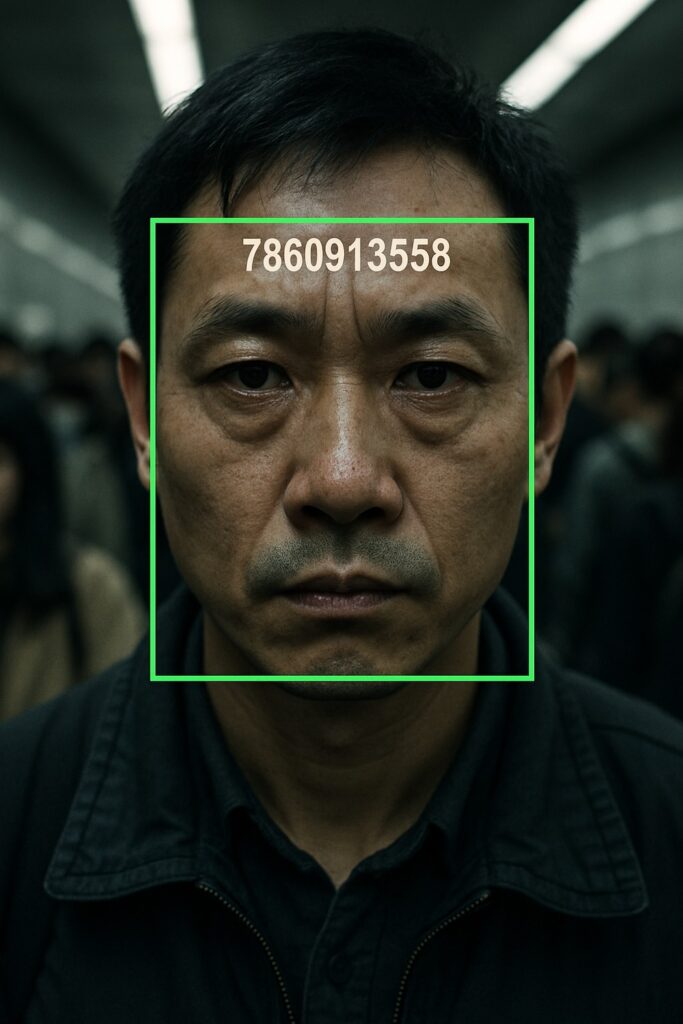
Skynet exists — not as science fiction, but as functioning government infrastructure. China’s AI surveillance program, launched in 2005, has since grown into the largest state monitoring apparatus ever constructed, and the system watching a commuter adjust his scarf at a Shanghai crosswalk already knows his face, his height, his gait, and has likely matched all three against a national police database before he reaches the other side of the street.

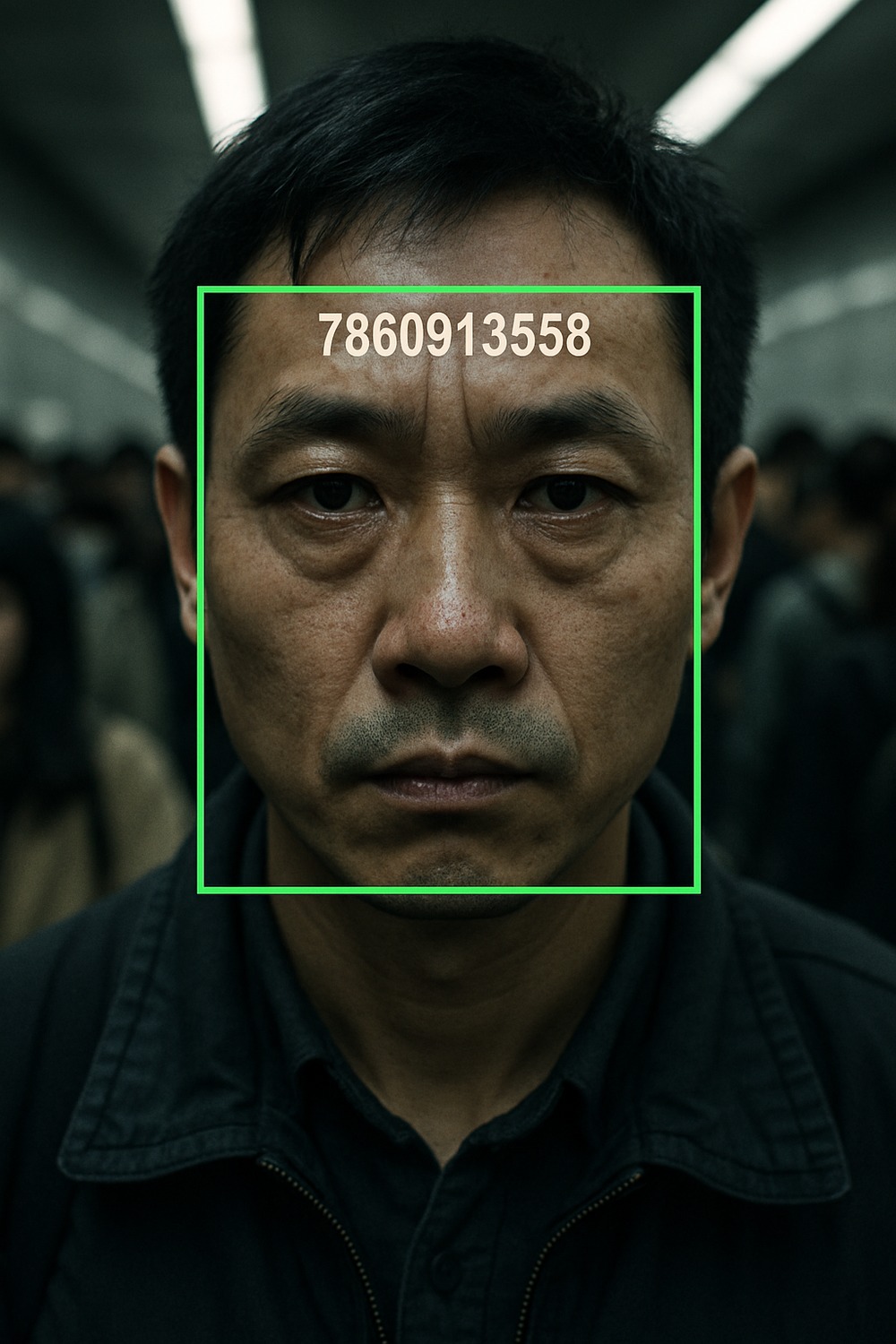
From Modest Beginnings to a Nation Under Watch
When Chinese authorities launched Skynet in 2005, the stated goals were reduce crime, sharpen emergency response times, and impose some order on cities expanding faster than any urban planner could reasonably manage. Early infrastructure meant standard closed-circuit cameras feeding footage to monitoring centers staffed by human operators — recognizable technology, nothing exotic. By 2013, it covered more than 20 million locations nationwide.
That figure, it turned out, was barely a warm-up. Over the following decade, a combination of massive state investment and China’s booming domestic tech sector sent the camera count into territory that strains comprehension. Official and independent estimates now place the number somewhere between 400 million and 600 million cameras operating across the country — a density of monitoring infrastructure that dwarfs anything deployed elsewhere on Earth. No other nation is close.
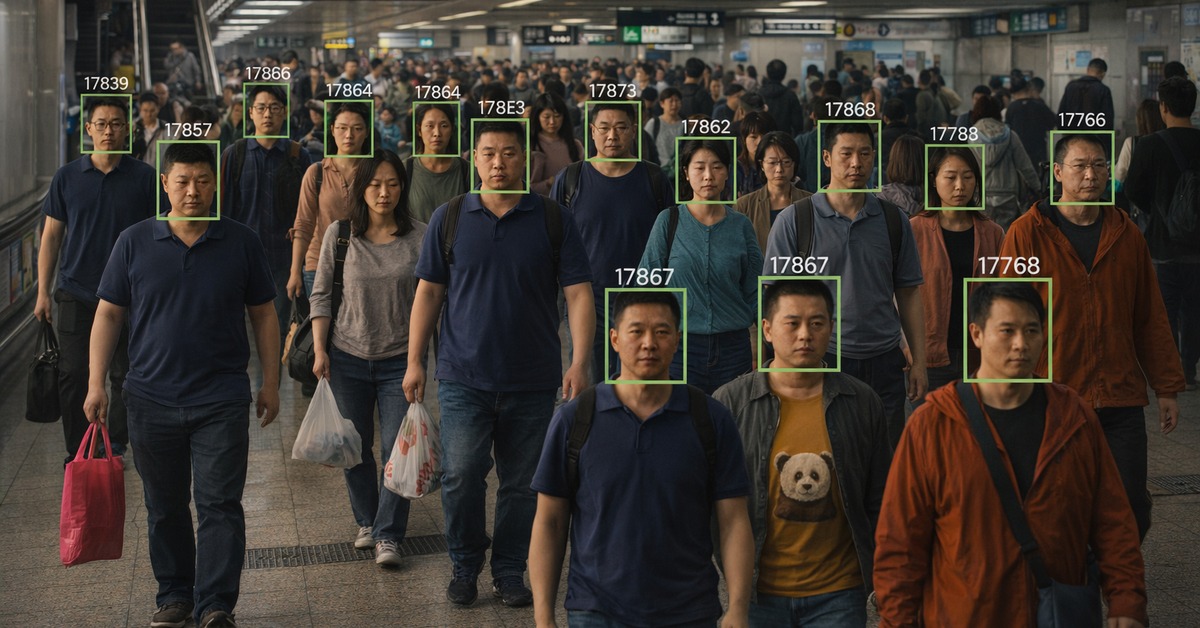
Raw hardware, though, tells only half the story. What distinguishes Skynet from a very large pile of cameras is what happens to the footage afterward. China’s advances in computer vision and deep learning have produced analytical systems capable of scanning millions of faces simultaneously, matching them against centralized databases in near real time. The AI doesn’t stop at faces. It reads gait, height, clothing color, gender, estimated age. A scarf pulled over your chin, a hat brim tugged low — these may not be enough. The system was designed to work around exactly those precautions.
The Architecture of AI-Powered Identification
Think of Skynet less as a camera network and more as a continuously updating portrait gallery — one that paints your picture whether you’ve sat for it or not. Modern units capture high-resolution imagery in low light, at distance, and at angles that were technically impossible a decade ago. That raw visual data streams into regional and national data centers, where machine learning algorithms trained on billions of images do the analytical heavy lifting. Facial recognition engines developed by Chinese technology companies — several of which have earned genuine international recognition for performance benchmarks — drive the identification layer.
Surveillance feeds then connect to databases holding identity records, travel histories, financial transactions, and social media activity. A comprehensive portrait of any flagged individual can be assembled within moments: where they’ve been, who they’ve been near, what they’ve been buying. No single camera sees all of that. The architecture does (and this matters more than it sounds — the value isn’t in any one feed, it’s in the synthesis).
Why does this matter? Because integration at this scale turns a passive recording system into something closer to predictive infrastructure.
Government officials and state media consistently frame Skynet as a public safety success story, and it’s not pure propaganda. Wanted suspects have been identified and detained within minutes of walking past a monitored camera. Missing persons have been recovered. Crowd incidents at large public events have been contained. Proponents argue that managing 1.4 billion people across some of the world’s most densely populated cities makes a surveillance network of this scale not merely convenient but essential — and they point to measurable reductions in certain crime categories in monitored areas as evidence that ordinary citizens benefit tangibly.
The data left no room for alternative interpretation — and the security agencies commissioning each expansion knew it.
Privacy, Civil Liberties, and the Panopticon Problem
Here’s the thing: the capabilities that make Skynet effective are identical to the capabilities that make it dangerous. A system that can track any individual across an entire city — without their knowledge, their consent, or any meaningful legal recourse — doesn’t just catch criminals. It restructures the relationship between citizen and state at a fundamental level.
Whether or not authorities ever review the footage, the awareness of surveillance does its own quiet work. Scholars describe the resulting psychological dynamic as a chilling effect. People who know they’re being watched modify their behavior — they attend fewer protests, grow more careful about who they speak with in public, and self-censor. Human rights organizations have documented the deployment of facial recognition technology specifically against ethnic and religious minorities within China, suggesting the system serves political functions well beyond conventional law enforcement.
The opacity surrounding data retention, access controls, and oversight mechanisms makes any independent audit effectively impossible. The accountability questions remain, for now, unanswered.

A Mirror for the World
China’s Skynet isn’t a closed experiment. Several nations have already purchased Chinese surveillance technology and woven elements of the Skynet model into their own security infrastructure — a development that concerns international observers for reasons that go beyond geopolitics. The underlying question isn’t really about China at all. It’s about what happens when comprehensive AI-powered monitoring becomes cheap, technically accessible, and politically normalized everywhere.
And every society will face some version of this choice as the cost of mass surveillance continues to fall. The cameras don’t care about ideology. They work for whoever operates them. How governments, courts, and citizens negotiate the line between genuine security benefits and the erosion of privacy, autonomy, and political freedom will shape what public life actually feels like for the next several generations. The cameras are watching. The question — the one that’s always been the question — is who watches the watchers.
How It Unfolded
- 2005 — Chinese authorities launch Skynet with an initial mandate focused on crime reduction and emergency response improvement in rapidly expanding urban centers.
- 2013 — Camera coverage reaches more than 20 million locations nationwide; human operators still anchor most monitoring centers.
- 2015–2018 — Domestic tech sector investment accelerates; facial recognition engines from Chinese firms begin winning international performance benchmarks, signaling a shift from passive recording to active AI-driven identification.
- 2020s — Estimates place the national camera count between 400 million and 600 million; integration with financial, travel, and social media databases makes cross-referenced profiling near-instantaneous.
Editor’s Take — Dr. James Carter
Most coverage of Skynet treats the camera count as the headline. It shouldn’t. The number worth watching is the latency figure — how many seconds it takes to match a face to a full identity dossier. When that number reaches zero in practical terms, the discussion about regulation becomes largely academic. The infrastructure will already have settled into bureaucratic routine, budget lines, and institutional habit. The window for meaningful legal constraint is narrower than the deployment timeline suggests, and that timeline is moving faster than any legislative calendar.
Skynet is, depending on your vantage point, an extraordinary technical achievement or a monument to state overreach. It’s probably both simultaneously, which is precisely what makes it so difficult to dismiss with a simple verdict. The harder questions it raises — how much visibility we’re willing to grant the state over the ordinary moments of our lives, whether a genuinely private life can survive sufficiently pervasive surveillance, what governance structures could possibly keep pace with the technology — aren’t abstract philosophy. They’re practical and urgent, demanding legal frameworks and public debate now, before the infrastructure becomes too entrenched to meaningfully contest. Architecture, once built at sufficient scale, tends to outlast the arguments against it.


