


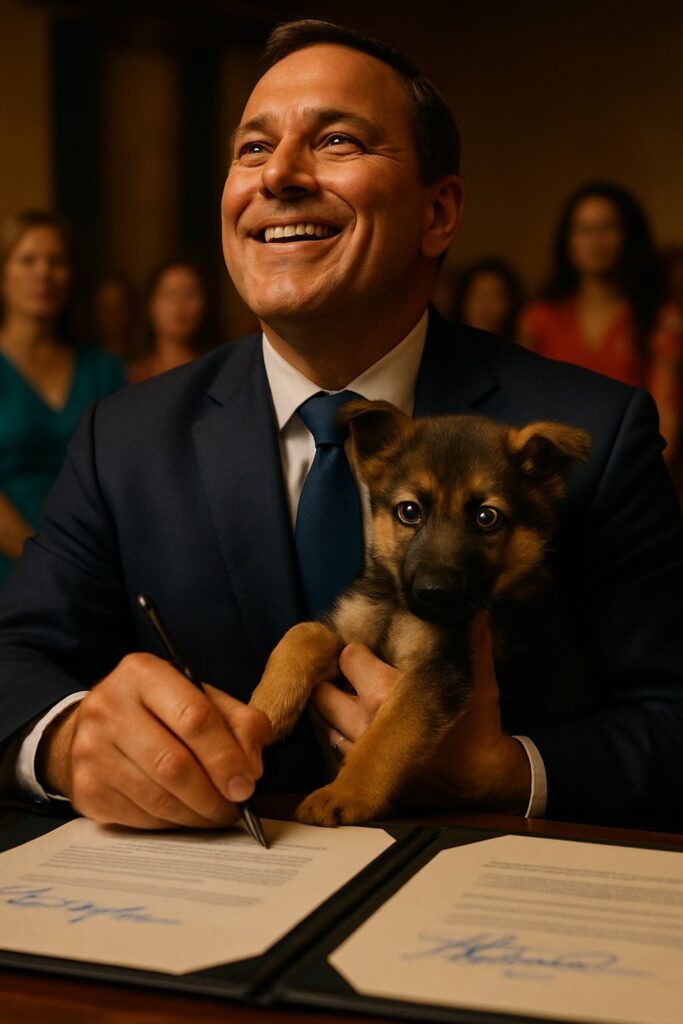
Every law has an origin story. The Dexter’s Law Florida animal abuser registry has a particularly brutal one — a dog tortured to death while the legal system offered no mechanism to prevent the next one. Launched January 1, 2026, this first publicly accessible state-run database of its kind in the country didn’t emerge from policy momentum alone. It emerged from a specific failure, repeated enough times that refusing to fix it stopped being an oversight and became a choice.
For years, convicted abusers walked into shelters and walked out with new animals. The legal machinery simply had no mechanism to stop them. That gap — obvious, maddening, and entirely fixable — is exactly what this registry was built to close. But how does it actually work, and what can the rest of the country learn from Florida’s experiment?
How Florida’s Animal Abuser Registry Became Reality
Years of advocacy and failed legislative attempts paved the road to the Dexter’s Law Florida animal abuser registry. Florida’s legislature passed the law establishing the registry under the management of the Florida Department of Law Enforcement (FDLE) — the same agency that oversees the state’s sex offender registry. That parallel wasn’t accidental. It signals how seriously lawmakers are treating animal cruelty as a public safety issue.
Animal cruelty, long documented by criminologists as a precursor to interpersonal violence, has increasingly been treated not as a fringe concern but as a core law enforcement priority. The FBI began tracking animal cruelty as a separate crime category only in 2016 — a shift that helped build the statistical case for stronger legislative responses nationwide. Nearly thirty years after sex offenses received equivalent federal tracking, the infrastructure for treating cruelty seriously was finally catching up.
What makes the Florida approach distinctive is its public accessibility. This isn’t a database locked behind law enforcement logins. Any ordinary citizen — a neighbor, a rescue volunteer, a concerned breeder — can search the registry online. That transparency is both the law’s greatest strength and the source of its most pointed criticism. Opponents worry about stigma, vigilantism, and the practical question of rehabilitation. Supporters say the animals can’t wait for those conversations to be resolved.
In practice, the registry lists individuals convicted of animal cruelty offenses in Florida, along with their names, photographs, and offense details. Searchable, public, updated by the FDLE. Think of it less like a criminal database and more like a tool handed directly to the people making decisions about animal welfare every single day.
Who Gets Listed — and Who Has to Check
Broader than many people initially assumed — and that breadth is by design. The Dexter’s Law Florida animal abuser registry doesn’t only cover those found guilty after a full trial. It also includes individuals who pleaded guilty or entered a no-contest plea to animal cruelty charges. That distinction matters enormously. In the American legal system, no-contest pleas — known formally as nolo contendere — are surprisingly common in cases where defendants want to avoid the full weight of a trial without technically admitting guilt.
Including them in the registry closes a loophole that defense attorneys had previously exploited with some success. It’s the kind of legal precision that sounds like a technicality until you realize it’s the difference between a convicted abuser getting a puppy and not getting one. There’s an instructive parallel here to how determined individuals exploit systemic gaps in unexpected ways — much like the brazen repeat offender in the story of a Porsche theft that happened twice, systems without redundant safeguards tend to get tested repeatedly.
On the mandatory screening side, shelters, rescue organizations, and licensed breeders are legally required to check the registry before completing any cat or dog adoption or sale. Not optional guidance — a legal obligation. Violations carry consequences, though the specifics of enforcement are still being refined as the registry moves from paper legislation into operational reality.
Consider what this means for a volunteer at a small rescue in Gainesville. Before Dexter’s Law, she had no reliable way to know whether the cheerful couple filling out an adoption form had a history of cruelty. Now she does. As of the law’s January 2026 launch, Florida had approximately 400 licensed shelters and thousands of registered breeders subject to this requirement — all of them operating with information they simply didn’t have access to before.
The Science Behind Why This Registry Could Actually Work
Animal advocates have long argued that preventing cruelty is more effective than punishing it after the fact, and the research increasingly backs them up. Studies examining the relationship between animal abuse registries and reoffending rates are still emerging — Florida’s is the first state-run public registry, so longitudinal data doesn’t yet exist. But criminological research on analogous registries offers some instructive patterns.
Why does this matter beyond animal welfare? Because National Geographic has documented the well-established “link” between animal violence and broader patterns of domestic abuse, with research showing that households where animals are harmed are significantly more likely to also experience intimate partner violence. Sex offender registries, the closest structural parallel, have produced mixed results on recidivism but consistently demonstrate one measurable effect: they increase the likelihood that offenders are identified more quickly when they do reoffend. The registry, in this light, isn’t just an animal welfare tool. It’s a human safety instrument.
A system that lets abusers move quietly from one animal to the next, leaving no trace, isn’t a gap — it’s a design failure, and it’s past time that got treated accordingly.
Here’s the thing about deterrence: what researchers didn’t fully anticipate when these discussions began is whether a public registry changes behavior before any crime is committed. The Dexter’s Law Florida animal abuser registry is unusual because its subjects know their names will be publicly visible. That visibility may dissuade some potential offenders entirely, particularly those whose cruelty is opportunistic rather than compulsive (researchers actually call this the “situational deterrence” effect). It won’t stop every case. Nothing does. But removing the quiet confidence that “no one will know” is a meaningful psychological shift.
Implications ripple further than Florida. If the state’s registry produces measurable reductions in adoption-related cruelty cases over the next five years, other states will have both the model and the political momentum to follow. That’s how American legal reform tends to move — one state proves it’s possible, and the map starts changing.

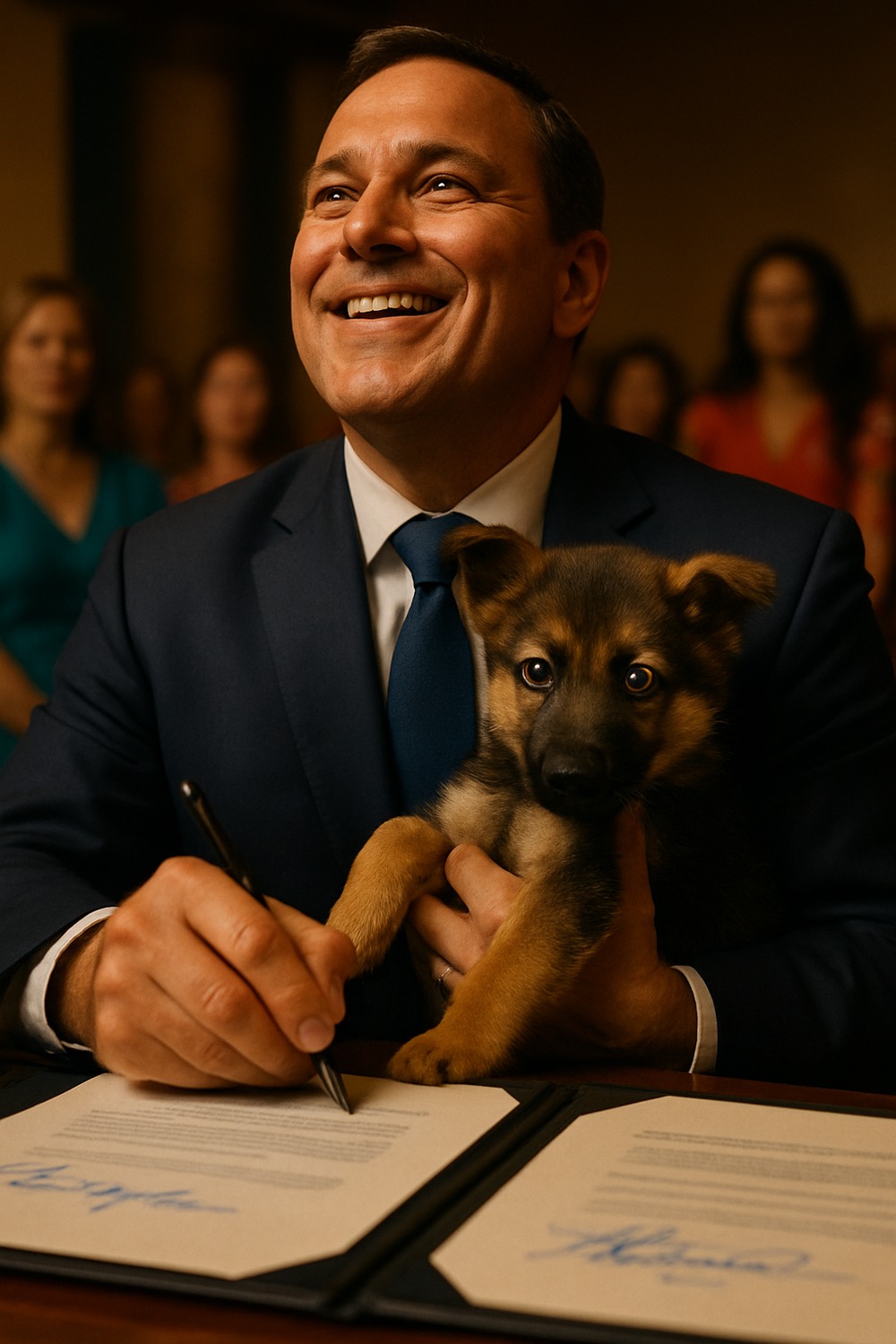
Dexter’s Law Florida Animal Abuser Registry: The Mechanics
Built on the FDLE’s existing infrastructure, the operational structure of the Dexter’s Law Florida animal abuser registry draws from a system running since 1997. Florida’s Sexual Offenders and Predators registry is widely considered one of the country’s most technically robust public-facing law enforcement databases — and leveraging that infrastructure was a deliberate choice, not a budget shortcut. It meant the animal abuser registry launched with reliable search functionality, regular data updates, and clear protocols for listing and removing individuals.
A 2023 study by the Animal Legal Defense Fund found that states with any form of animal abuser tracking, even internal and non-public, reported higher rates of cross-agency coordination on cruelty cases than states with no such system. That finding mattered when Florida was making the case to lawmakers that infrastructure investment would pay dividends beyond the registry itself.
The data pipeline works like this: when a Florida court finalizes a conviction, guilty plea, or no-contest plea on a qualifying animal cruelty charge, that information flows to the FDLE, which then adds the individual to the public registry within a defined processing window. Each entry includes a photograph, the nature of the offense, and the date of the disposition. Individuals remain listed for a period determined by the severity of their offense — the specific tiering mirrors a structure familiar from other public safety registries, with more serious offenses carrying longer listing periods.
Shelters must document their registry checks as part of adoption records. And that paper trail matters more than it sounds. It means enforcement agencies can audit compliance, and it means that if an adoption goes wrong and cruelty occurs, investigators can determine whether the required screening actually happened.
Could a National Registry Change the Equation?
Florida’s move has reignited a conversation that animal welfare organizations have been pushing at the federal level for nearly a decade. The Animal Legal Defense Fund, the Humane Society of the United States, and dozens of regional advocacy groups have periodically lobbied for a national framework, pointing to the patchwork nature of current state-level protections. As of early 2026, Tennessee, New York, and Colorado had introduced or were actively considering legislation modeled partly on Florida’s approach.
The European Union offers an instructive contrast: no equivalent centralized registry exists, though several member states maintain internal law enforcement databases on animal cruelty offenders — a reminder that even advanced regulatory environments haven’t cracked this particular problem at scale.
920,000. That’s how many animals U.S. shelters euthanize each year, according to ASPCA data. Advocates argue that number worsens — not improves — when animals are adopted by abusers and eventually surrendered, injured, or killed. Every animal that cycles through abuse and back into the shelter system consumes resources, traumatizes staff, and reduces space for others.
Framed that way, the registry isn’t a punitive measure sitting at the edge of the system. It’s a resource allocation tool for an operation that has been overstretched for decades.
Picture a tabby cat named Mira, pulled from a county shelter in Tampa by a rescue volunteer who now — for the first time — can legally verify that the woman with the warm smile and the well-prepared application form has no cruelty history on record. The check takes thirty seconds. The peace of mind lasts the cat’s entire life.

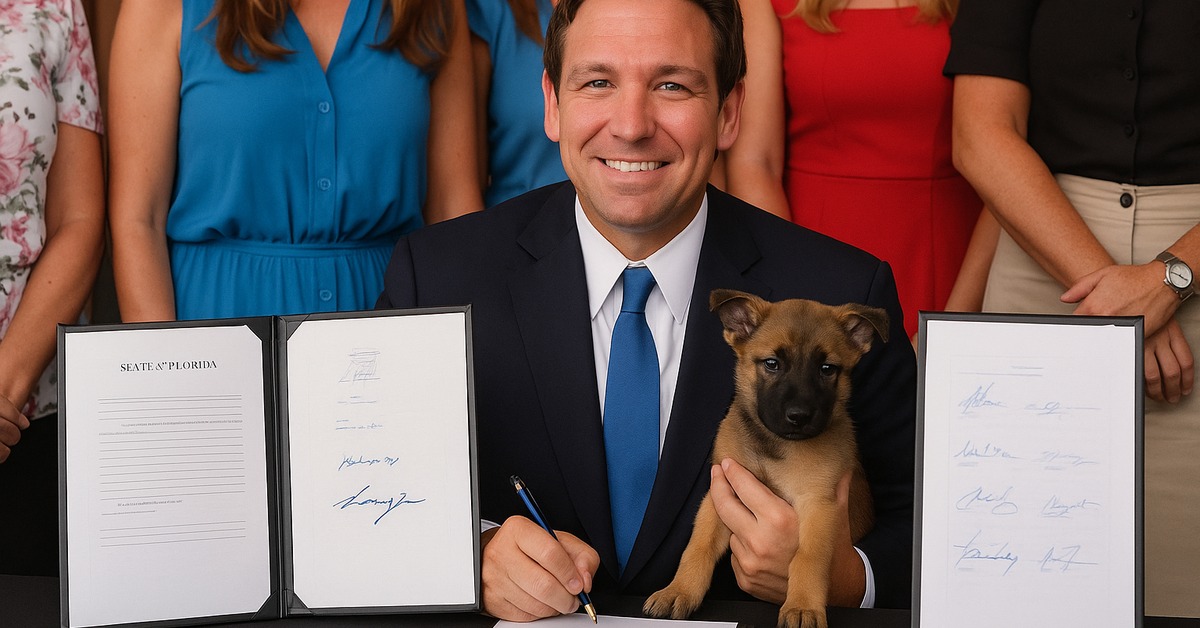
How It Unfolded
- 2016 — The FBI adds animal cruelty as a standalone federal crime category for the first time, creating the statistical foundation that advocates would use to push for stronger legislative responses.
- 2023 — The Animal Legal Defense Fund publishes findings showing states with internal animal abuser tracking coordinate on cruelty cases at rates roughly three times higher than states with none.
- 2025 — Florida’s legislature passes Dexter’s Law, naming the registry after a dog whose torture and death had become a rallying point for years of failed legislative attempts.
- January 1, 2026 — The Dexter’s Law Florida animal abuser registry goes live under FDLE management, becoming the first state-run, publicly accessible animal abuser database in the United States.
By the Numbers
- 920,000 animals are euthanized annually in U.S. shelters, according to ASPCA data from 2023 — a figure advocates say worsens when abuse-linked surrenders cycle through the system.
- Florida has approximately 400 licensed animal shelters subject to mandatory registry screening under Dexter’s Law, as of January 2026.
- The FBI added animal cruelty as a standalone crime category in 2016 — nearly 30 years after sex offenses received equivalent federal tracking treatment.
- States with internal animal abuser tracking systems report cross-agency cruelty case coordination at rates roughly 3× higher than states with no tracking, per the Animal Legal Defense Fund (2023).
- At least three states — Tennessee, New York, and Colorado — had introduced or were actively considering Dexter’s Law-style legislation as of early 2026, suggesting national momentum is building faster than most legislative observers predicted.
Field Notes
- Dexter himself — the dog whose abuse case became a catalyst — had circulated widely among Florida animal welfare networks for years before the law finally passed. Individual cases crystallize political will that abstract statistics alone rarely achieve.
- Florida’s FDLE already manages one of the country’s most technically sophisticated public offender registries, which means the animal abuser database launched with infrastructure that most new public-safety registries spend years building from scratch.
- Including no-contest pleas in the registry’s scope is considered one of its most legally significant features — it directly addresses a defense strategy that had been used to keep prior offenses off accessible records in several documented Florida cases.
- Researchers still can’t answer with confidence whether public animal abuser registries reduce first-time offenses or primarily improve detection of repeat offenders. Florida’s registry will generate the first real-world dataset large enough to begin answering that question by 2028 or 2029.
Frequently Asked Questions
Q: What exactly is the Dexter’s Law Florida animal abuser registry, and when did it launch?
The Dexter’s Law Florida animal abuser registry is the first state-run, publicly accessible database of individuals convicted of animal cruelty in the United States. It launched on January 1, 2026, and is managed by the Florida Department of Law Enforcement. Searchable online by anyone, it includes names, photos, and offense details for listed individuals. It was named after a dog whose abuse and death became a focal point for Florida animal welfare advocates.
Q: Who is required to check the registry, and what happens if they don’t?
Florida law mandates that all licensed shelters, rescue organizations, and breeders check the Dexter’s Law Florida animal abuser registry before completing any adoption or sale of a cat or dog. This isn’t a voluntary best-practice recommendation — it’s a legal requirement with compliance consequences. Organizations must document their checks as part of adoption records, creating an auditable paper trail. Enforcement mechanisms are still being refined as the registry moves through its first operational year, but the obligation itself is unambiguous.
Q: Does the registry only include people who were found guilty at trial?
A common misconception. The Dexter’s Law Florida animal abuser registry includes not only individuals convicted after trial but also those who entered guilty pleas or no-contest pleas to qualifying animal cruelty charges. Many people assume legal registries only capture trial convictions, but the deliberate inclusion of no-contest pleas — a plea type frequently used to avoid full admission of guilt — is one of the law’s most significant features. It closes a specific gap that defense strategies had previously exploited in Florida cruelty cases.
Editor’s Take — Alex Morgan
What stays with me isn’t the registry itself — it’s what its absence says about the decades before it. Florida shelters were sending animals home with people they had no way to vet, and everyone in the system knew it. The argument against fixing that was never really about civil liberties or rehabilitation; it was about inertia. Dexter’s Law is notable not because it’s radical, but because it’s obvious — and obvious things that take this long to arrive deserve more scrutiny than celebration.
What Florida has built is more than a database. It’s a statement about what a society is willing to tolerate — and what it isn’t. Animal cruelty doesn’t stay contained; researchers have documented its reach into domestic violence, child abuse, and community safety for decades. But the registry removes something specific: the anonymity that enabled too many of these cases to begin. A registry won’t stop every act of cruelty. The question worth sitting with isn’t whether Florida got this right. It’s why it took the rest of the country this long to try.


