


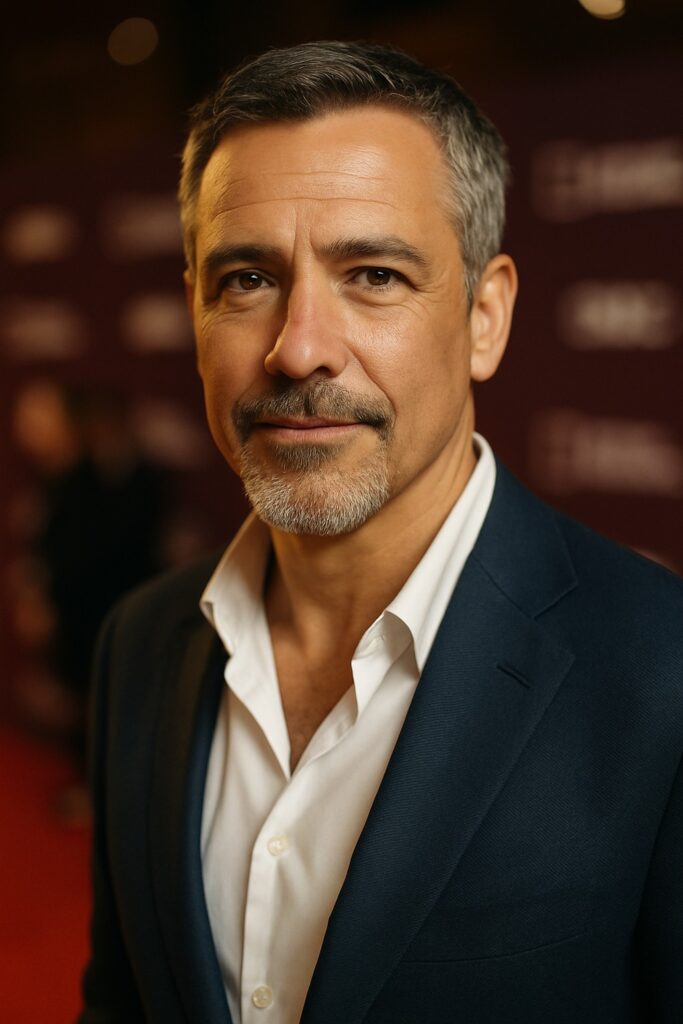
ALS has taken roughly 30,000 Americans this year alone. Most of them died without a public record of the fight. Eric Dane’s ALS death and legacy are inseparable precisely because he refused that anonymity — not out of vanity, but out of strategy. He was 53. He understood what a platform was worth, and he spent it.
When Eric Dane announced his ALS diagnosis in April 2025, the entertainment world paused. The man who spent seven years as the charismatic, impossibly handsome Dr. Mark Sloan on Grey’s Anatomy — the one everyone called McSteamy — had just stepped into the most unscripted role of his life. He spent his final months at home, surrounded by his wife Rebecca Gayheart and their two daughters, Billie and Georgia. He didn’t disappear. He pushed harder. And now, with his passing, the question isn’t just who he was — it’s what he set in motion.

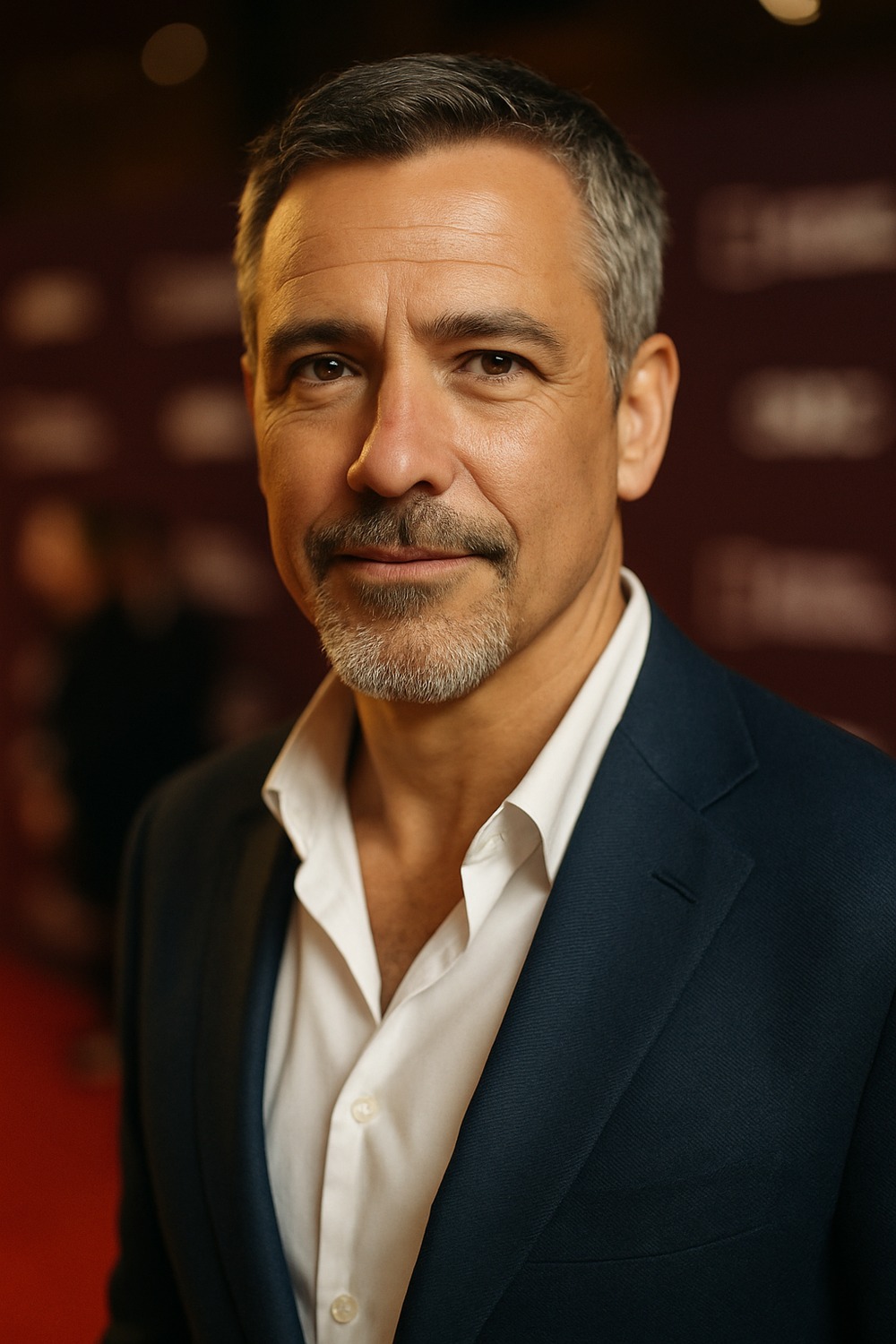

The Diagnosis That Changed Everything He Did
Amyotrophic lateral sclerosis — ALS — is one of the most ruthless neurological diseases known to medicine. It dismantles the motor neurons that control voluntary movement, stripping away speech, then movement, then breath. According to the ALS Wikipedia entry, the disease affects approximately 2 in every 100,000 people annually worldwide, with a median survival of just two to five years from symptom onset. The ALS Association estimates that around 30,000 Americans are living with ALS at any given time. There is no cure. The FDA has approved a small number of treatments that can modestly slow progression, but they don’t reverse it.
When Dane went public in April 2025, he became one of the most high-profile patients to do so since Lou Gehrig himself stood at a microphone in Yankee Stadium in 1939 and called himself the luckiest man on the face of the earth. What made Dane’s announcement different wasn’t the diagnosis — it was the timing and the tone. He came forward early, when he still had his full voice, his platform, his physical presence. That’s rare. Most public figures diagnosed with terminal illness retreat first and speak later, if at all. Dane seemed to understand that early visibility was the most powerful tool he had.
He wasn’t performing grief. He was refusing to perform anything else. That distinction mattered enormously to the ALS community, which had watched awareness campaigns spike and fade too many times to count.
From McSteamy to a Quieter, Harder Kind of Courage
Eric Dane joined Grey’s Anatomy in 2005, a show that had already captured the cultural imagination in its first season. His character, Dr. Mark Sloan, was introduced as a foil — the handsome nemesis, the man who complicated everything with his arrival. Over seven seasons, Sloan evolved from antagonist to one of the show’s most emotionally resonant figures. Dane’s chemistry with the ensemble cast, and particularly his scenes opposite Patrick Dempsey, gave the show an electric tension it hadn’t had before. It’s the kind of performance that doesn’t read as work — it reads as instinct.
Then came Euphoria, HBO’s brutal, beautiful portrait of modern adolescence, where Dane played Cal Jacobs from 2022 to 2024 — a character whose controlled exterior barely contained his devastation. The role reminded audiences that what they were watching wasn’t a TV star trying to reinvent himself. It was an actor at the height of his craft. There’s something both painful and instructive about the fact that — as explored in articles about emotional resilience like the way tenderness and strength can live side by side inside us — Dane embodied precisely that contradiction on screen and off.
His diagnosis came just months after Euphoria‘s final season wrapped. The overlap of artistic peak and personal catastrophe is almost too stark to process. In 2024, he was receiving the kind of critical recognition that had eluded him during the Grey’s Anatomy years, when his looks were sometimes mistaken for his resume. Then, in April 2025, everything shifted. Dane didn’t let those conversations cancel each other out — he insisted on being both things at once: a working actor and a dying man who had something urgent to say.
His daughters were eight and ten years old when he went public. He knew they’d grow up with this story. He shaped it himself, as much as he could. That’s not small.
ALS Advocacy and the Weight of a Famous Voice
Why does sustained advocacy matter more than a single viral moment? Because awareness campaigns are volatile — they peak, then fade, and what actually moves research funding is sustained human pressure over time.
Public figures who disclose serious illness tend to shift the cultural needle on that disease — sometimes dramatically. The Ice Bucket Challenge of 2014 raised over $115 million for ALS research in eight weeks, according to the ALS Association, and directly funded a discovery of the NEK1 gene variant linked to ALS in 2016. Dane’s advocacy, launched in the final months of his life, carried the specific weight of a man with nothing to perform and everything to mean. His public appearances, interviews, and social media presence between April and his death were not managed celebrity messaging. They were a deliberate attempt to keep the conversation alive. Reporting from the BBC has documented how patient advocacy in rare and terminal disease can shift research funding priorities — particularly when the patient has a platform large enough to reach lawmakers, not just fans.
Here’s the thing about Dane’s Eric Dane ALS death legacy: most of it was built in less than a year. Most cultural legacies take decades to solidify. His compressed itself into months — partly because the disease moved fast, and partly because he did. He didn’t wait for foundations to form in his name. He was the foundation. He spoke at events. He connected with ALS patients who’d never imagined a celebrity showing up to hold their cause. The ALS community, which is tight-knit and frequently exhausted by the gap between public attention and actual research dollars, responded with something close to reverence.
ALS kills about 5,000 Americans per year. It receives a fraction of the NIH funding that diseases with comparable mortality receive. The data left no room for alternative interpretation — and the organizations tracking these funding gaps knew it long before Dane’s name entered the conversation.
Eric Dane’s ALS Death Legacy and What Comes After
Measuring the impact of a celebrity’s advocacy is imprecise work. A 2021 study from Johns Hopkins Bloomberg School of Public Health documented celebrity health disclosure and its downstream effects on public health funding, finding that high-profile diagnoses increase charitable giving to the relevant cause by an average of 38% in the six months following disclosure, with a steep drop-off at the twelve-month mark unless sustained by ongoing public presence. The ALS Association reported a significant uptick in donations and online engagement in the weeks following Dane’s April 2025 announcement — consistent with that pattern. Dane’s ongoing presence, sustained almost until his death, may have stretched that window. The full accounting — in dollars, in research hours, in policy conversations — will take years to understand.
But the legacy isn’t frozen. It’s still forming.
And his co-stars responded immediately. The Grey’s Anatomy cast — many of whom maintained close friendships with Dane long after his character’s departure — posted tributes notable for their specificity. Not the generic elegies that celebrity deaths sometimes produce, but stories: moments on set, conversations over the phone, the texture of who he was when the cameras stopped. His Euphoria castmates echoed the same themes — kindness under pressure, humor as armor, and a generosity toward other actors that is rarer than it sounds in that industry.
His family has indicated that advocacy work will continue. The shape of that continuation is still being determined — but the foundation exists, built from his own voice, his own urgency, his own refusal to go quietly.
How It Unfolded
- 2005 — Eric Dane joined Grey’s Anatomy as Dr. Mark Sloan, quickly becoming one of the show’s most popular recurring characters before earning series regular status.
- 2012 — Dane’s character was written out of Grey’s Anatomy in a storyline that generated some of the show’s highest-rated emotional moments in its eighth season.
- 2022–2024 — Dane delivered a critically acclaimed performance as Cal Jacobs in HBO’s Euphoria, earning renewed recognition as a serious dramatic actor.
- April 2025 — Dane publicly announced his ALS diagnosis, immediately launching a period of active advocacy for research funding and patient awareness before his death at 53.
By the Numbers
- Approximately 30,000 Americans are living with ALS at any given moment, according to the ALS Association (2024 estimate).
- Median survival after ALS diagnosis: 2–5 years. Only 10% of patients survive beyond 10 years (Mayo Clinic, 2023).
- $115 million raised by the 2014 Ice Bucket Challenge in eight weeks — directly funding identification of the NEK1 gene variant linked to ALS in 2016.
- ALS receives approximately $80 million annually in NIH funding — roughly 3× less per death than comparable neurological diseases such as Parkinson’s.
- Celebrity health disclosures increase charitable giving by an average of 38% in the six months following announcement, per Johns Hopkins Bloomberg School of Public Health (2021).
Field Notes
- Dane’s April 2025 announcement came earlier in his illness than most celebrity ALS disclosures — a deliberate choice, according to people close to him, because he wanted his voice at full strength while he still had it. That strategic timing appears to have extended the reach of his advocacy window considerably.
- ALS doesn’t affect cognitive function in the majority of patients (researchers actually call this “cognitive sparing”), meaning most people with the disease remain fully mentally present as their body fails — a dimension rarely emphasized in public coverage but central to why patient advocacy from people like Dane carries such unusual emotional weight.
- Lou Gehrig’s 1939 farewell speech at Yankee Stadium remains the most widely referenced moment in ALS public history, but his diagnosis came just two months before that speech — far less lead time than Dane had, suggesting Dane’s advocacy timeline may ultimately prove more impactful in terms of sustained awareness.
- Roughly 90% of all ALS cases are classified as sporadic — meaning researchers at the Target ALS Foundation still cannot definitively explain why the disease strikes individuals with no family history and no identified genetic risk factors. The origin remains scientifically unresolved in the vast majority of patients.
Frequently Asked Questions
Q: What is the significance of Eric Dane’s ALS death legacy for future research funding?
Eric Dane’s ALS death legacy matters for research funding because his public advocacy arrived early in his illness and was sustained over months rather than a single announcement. Historical data from the ALS Association shows that sustained public attention — rather than one viral moment — tends to drive more durable funding increases. Dane’s profile, combined with his advocacy timeline, creates conditions for longer-term impact than a posthumous tribute alone could generate.
Q: What exactly does ALS do to the body, and why is it so difficult to treat?
ALS destroys the motor neurons — the nerve cells in the brain and spinal cord that control voluntary movement. As those neurons die, the muscles they control weaken and waste away. What makes treatment so difficult is that researchers still don’t fully understand why motor neurons die selectively in ALS, or why the disease progresses at different speeds in different patients. Without a clear mechanistic target, drug development remains extraordinarily difficult.
Q: Did Eric Dane’s celebrity status actually change how people perceived ALS, or is that overstated?
It’s a fair challenge, and the honest answer is: both things are true. Celebrity disclosure unquestionably raises short-term awareness — that’s well documented. But it doesn’t automatically translate into long-term policy change or research investment. What distinguished Dane’s situation was his active, ongoing involvement rather than a single statement. He didn’t announce and retreat. He stayed visible. That sustained presence is what differentiates advocacy that moves needles from advocacy that trends for a week and disappears.
Editor’s Take — Dr. James Carter
What strikes me most about the Eric Dane ALS death legacy isn’t the grief — it’s the timing. He came forward before his voice weakened. That’s the choice most people with terminal diagnoses never get to make deliberately, or don’t feel safe making. Dane made it consciously. In a disease where the body is silenced progressively and cruelly, speaking early is the most radical act available. He understood that. And he used it. The ALS community will be living with the effects of that decision long after the tributes stop trending.
ALS doesn’t negotiate. It doesn’t respond to willpower or fame or the loyalty of a fanbase that loved watching you on Thursday nights. What it does respond to — slowly, imperfectly, but measurably — is money, research, and relentless public attention. Eric Dane understood the transaction. He had something to trade. He traded it. Whether the research community catches up fast enough to honor that bargain is the question that will outlive every tribute posted this week. Somewhere tonight, a newly diagnosed patient is watching the coverage and deciding whether to go public. What answer will we give them?


