


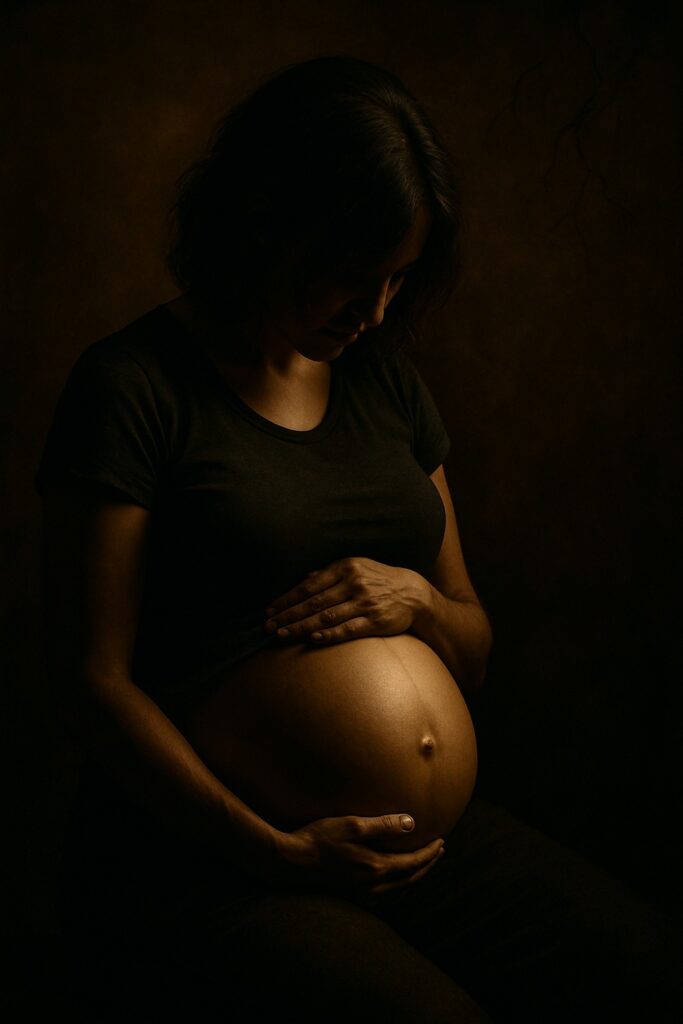
It is March 2000. A woman is alone in the mountains of Oaxaca, twelve hours into a labor that is going to kill her baby — and probably her — and she is looking at a kitchen knife on the table.
She’s already watched a child die this way. Same mountains, same darkness, same absence of anyone who could help. Inés Ramírez Pérez was thirty years old, her husband was away, the nearest medical facility was hours from reachable, and there was no road that emergency help could travel in time. She drank several gulps of aguardiente, sat down on a low bench, and picked up the knife.
The Self-Performed Cesarean Section Nobody Believed
When researchers first heard what she’d done, the immediate reaction was disbelief — and that reaction makes sense, because what she’d done was supposed to be impossible. A cesarean section is major abdominal surgery. It requires a team, sterile instruments, anesthesia, training. Even in a fully equipped hospital with experienced surgeons, things go wrong. Dr. R.F. Hacker and colleagues who eventually documented her case in the International Journal of Gynecology & Obstetrics in 2004 weren’t passing along a rumor. They were publishing a formal confirmation of something they needed physical evidence to accept.
So what exactly did she do? And how?
Fully conscious, she cut herself open. Layer by layer. It took approximately an hour.
What She Actually Did That Night
The incision wasn’t frantic or ragged. Surgeons who treated her afterward noted it was clean — a vertical midline cut through skin, fat, and muscle that reached the uterus. The researchers who documented her case speculated about why: Inés had spent years assisting in the births of livestock on her farm. She understood, in the most practical possible way, what the body looks like when you open it. What you have to move through to get where you’re going.
She reached in and pulled her son out with her bare hands.
He cried immediately. For more stories about what the human body turns out to be capable of under conditions that should make survival impossible, this-amazing-world.com has been cataloguing cases like this for years.
Orlando Ruiz Ramírez. That’s the boy’s name. She cut the umbilical cord herself with scissors, then lay down on the dirt floor and waited to find out if she was going to bleed to death.
She Then Did Something Even More Astonishing
At some point — bleeding, alone, in the dark — she got up and walked to a neighbor’s house to send for help.
Not crawled. Walked. Local health workers who arrived found her intestines partially outside her body. She was still conscious. She was transported by vehicle (there was no ambulance) to a basic health center and eventually to a hospital where surgeons repaired the wound and treated her for infection. That last fact kept me reading about this for another hour — not the surgery itself, but the walk. The decision to get up.
She had made three cuts to reach Orlando. And before anyone arrived, before anyone even knew what had happened, she had sutured herself partially closed.
With sewing thread. From her house.

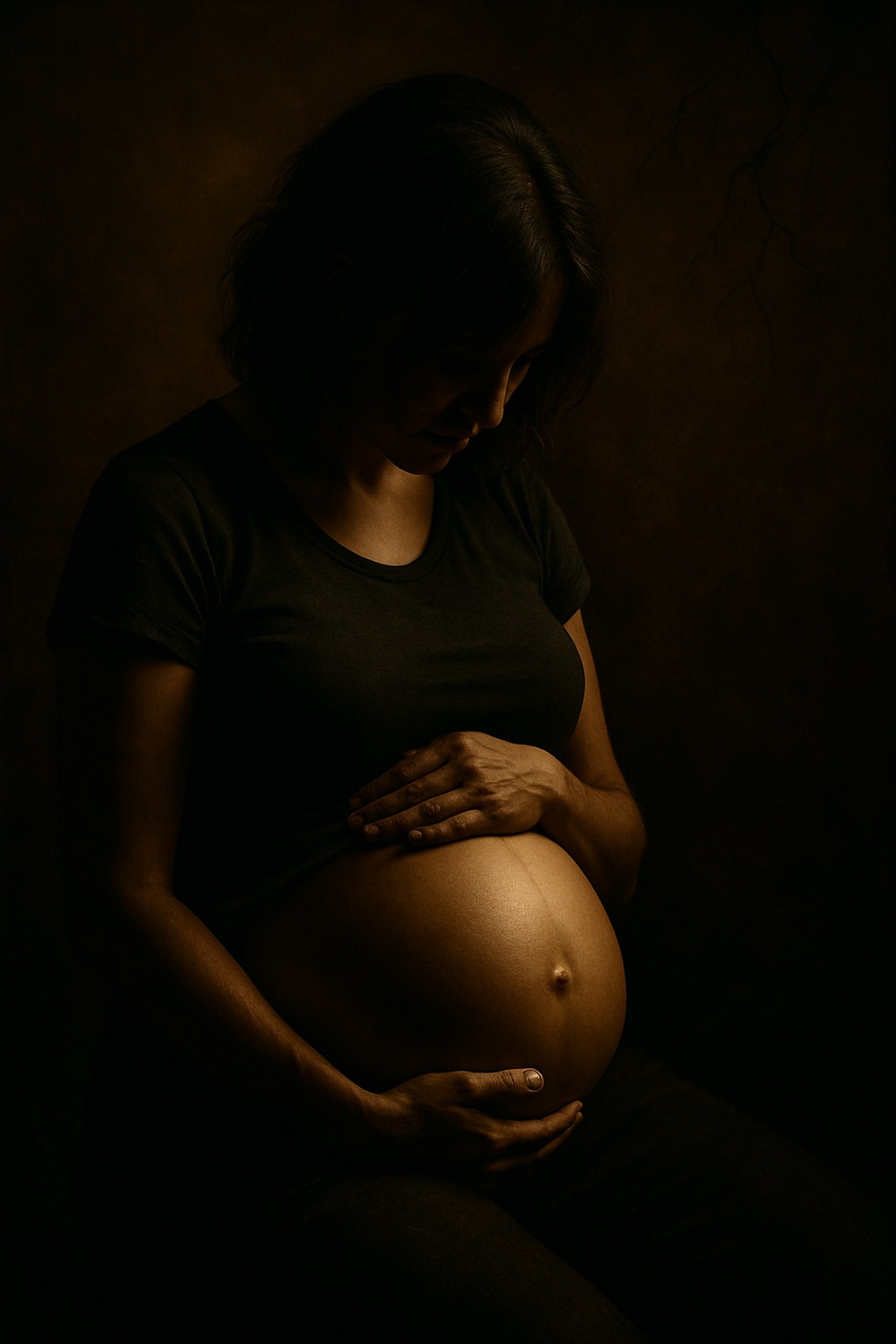
The World She Lived In Made This Possible — And Necessary
Calling this a miracle is understandable. It’s also a way of not looking at what it actually was.
Inés didn’t do this because she was extraordinary, though she clearly is. She did it because 295,000 women still die in childbirth every year, and the vast majority of them die in exactly the kind of setting she survived — isolated, under-resourced, hours from anyone trained to help. Her village had no road that emergency services could reach in time. The system that might have saved her didn’t know she existed. She wasn’t abandoned dramatically. She was just never included in the first place.
The case was formally documented not as a curiosity but because physicians needed published evidence it had occurred. According to the documented record of her case, she is the only person in history confirmed to have performed a successful cesarean section on herself, with both mother and child surviving. No verified cases before. None since.
By the Numbers
- 295,000 women died in childbirth globally in 2017 (WHO) — nearly all of them in low-income countries where emergency surgical care doesn’t reach.
- 94% of maternal deaths occur in low-resource settings. Obstructed labor, the specific condition Inés faced, is responsible for roughly 8% of all maternal deaths worldwide — and is almost entirely preventable.
- A standard hospital cesarean involves 4–6 trained medical staff. Inés was alone.
- Orlando was her seventh child. Her sixth had died in an identical situation — obstructed labor, no help, no road.

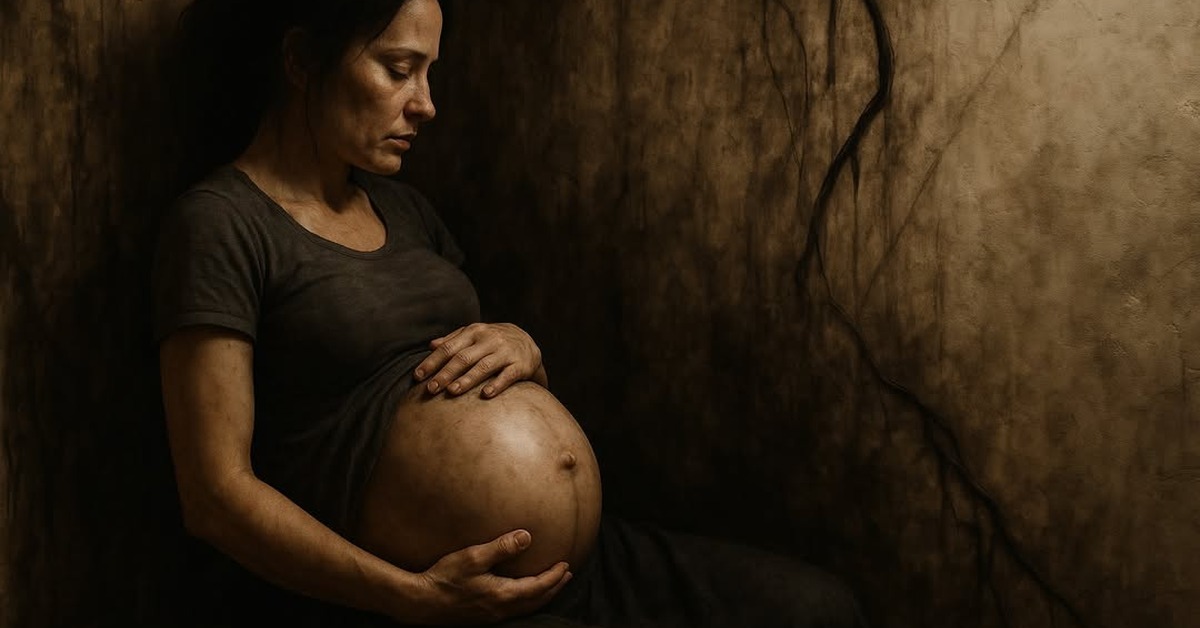
Field Notes
- The aguardiente she drank before cutting provided almost no real anesthetic effect — researchers noted it wouldn’t have come close to masking the pain of what she did. It may have reduced the psychological barrier to making the first cut. That’s it.
- Her partial self-suturing before help arrived almost certainly prevented fatal blood loss.
- Surgeons who completed the repair described finding the wound in a condition that showed deliberate closure attempts — not accidental pressure, not luck. She had tried to close it correctly, and largely succeeded.
- Obstructed labor: almost entirely preventable with emergency obstetric access.
What This Story Actually Tells Us About Survival
There’s a version of this that makes Inés into a symbol — of maternal love, of human will, of something almost mythological. None of that is wrong. But the self-performed cesarean section she carried out that night in 2000 is also evidence of something specific and uncomfortable: that the line between what a person can and cannot do moves depending on what the alternative is. Her mind did the math. The math said cut.
For a long time, almost nobody outside her village knew. Then a local physician heard the story, investigated, and brought it to researchers who felt it needed to be on the record. That it was real. That it had happened.
Her son Orlando was born healthy. She recovered. She went on to have more children.
Inés Ramírez Pérez wasn’t trying to make history. She was trying to make sure her son made it to morning. The fact that she did both — in one hour, on a dirt floor, with a kitchen knife and sewing thread — doesn’t fit neatly into any category we have for human capability. It just sits there, verified, in a medical journal, daring you to explain it. There’s more at this-amazing-world.com, and honestly, the next one is even harder to believe.


