


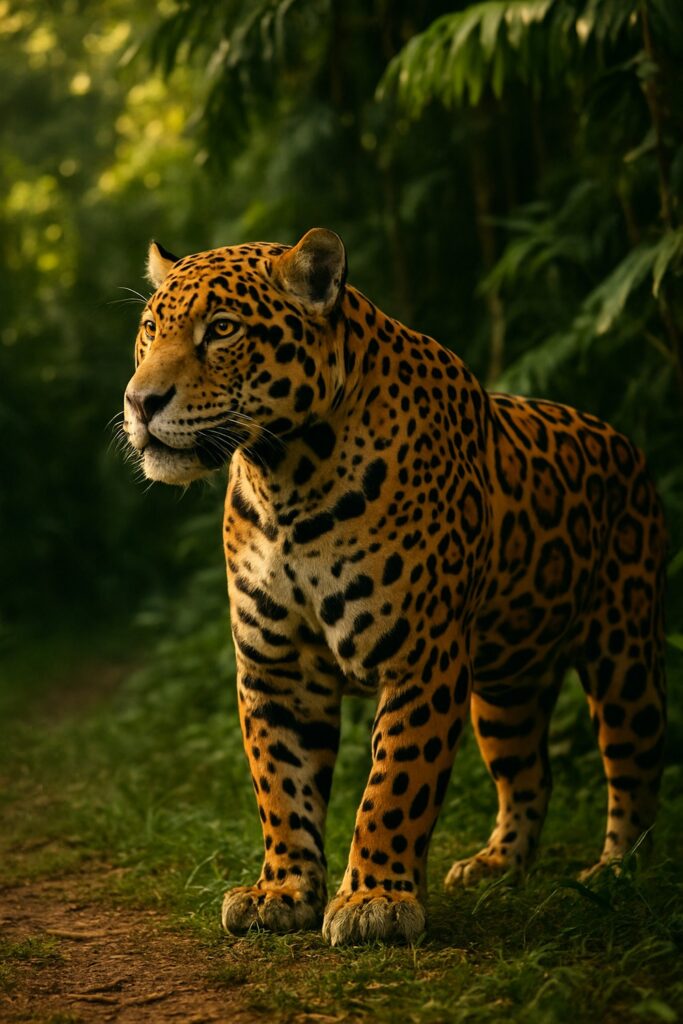
Nobody was looking for a comeback story. The biologists running camera traps through Yucatán jungle in the early 2010s were mostly just trying to document what was left. Then the numbers started doing something unexpected.
A century ago, jaguars ran from Arizona to Argentina. Then hunting, cattle ranching, and deforestation cut their range into scattered fragments — and by the late 20th century, some biologists were quietly using the phrase “functional extinction” when talking about Mexico’s population. So what happened between then and now? And why does the number 5,326 change the whole story?
How Jaguar Population Recovery Actually Gets Measured
The 2024 Mexican national wildlife census didn’t estimate jaguar numbers. It counted them properly — camera trap networks, DNA pulled from tracks and scat, years of fieldwork in genuinely remote terrain. The verified figure came back at 5,326 jaguars across Mexico’s forests, canyons, and coastal lowlands. That’s nearly 30% more than the count from 2010.
Researcher Carlos López González, who’s spent over two decades tracking jaguar corridors across northern Mexico, called it “the most rigorous population assessment we’ve ever produced.”
But here’s the obvious question that took me a while to find a good answer to: how do you count an animal that actively doesn’t want to be found?
Camera traps are most of the answer. Each jaguar carries a unique rosette pattern — think fingerprint, but written in fur — so researchers can identify individuals from photographs alone. Thousands of images. Hundreds of locations. The logistics are staggering, and the heat in Yucatán in July makes it genuinely punishing work. That last detail kept me reading about field methodology for another hour.
Indigenous Lands Quietly Became the Jaguar’s Lifeline
A significant portion of Mexico’s jaguar rebound happened on Indigenous community lands — and most headlines completely missed it. Across the Yucatán Peninsula and the Sierra Madre Occidental, Indigenous territories acted as critical buffer zones between protected areas, giving jaguars the connected corridors they need to find mates and expand territory. According to Wikipedia’s overview of jaguar ecology, healthy populations require vast, unbroken habitat — sometimes hundreds of square kilometers per individual.
These communities didn’t just tolerate jaguars. Many actively participated in monitoring programs, reporting sightings and camera trap data to national researchers. Families living deep in jungle territories, coordinating with scientists in Mexico City. That partnership is one of the more remarkable conservation collaborations happening anywhere on Earth right now, and it barely gets mentioned.
The Corridors That Made Recovery Possible
Mexico didn’t just fence off individual patches of forest and call it conservation. It built biological corridors — connected stretches of habitat that let animals move between protected zones without having to cross open ranching land or highways. The Selva Maya corridor in the Yucatán and the Madrean Pine-Oak corridor in the Sierra Madre were central to the jaguar population recovery strategy.
These aren’t lines on a map. They’re negotiated agreements between governments, landowners, and communities, and they took years to establish.
Ranchers were part of the conversation, not excluded from it. That’s genuinely unusual in wildlife conservation — and possibly the main reason it worked. When the people sharing land with a large predator have an actual stake in protecting it, the math changes completely. You can read more about how wildlife corridors transform conservation outcomes at this-amazing-world.com.
What Almost Stopped This Comeback Before It Started
The jaguar population recovery story could have ended before anyone knew it had begun. In the 1960s and 70s, jaguar pelts were luxury exports — the fur trade killed tens of thousands across Latin America. Mexico banned jaguar hunting in 1987, late by most standards, and the population was already severely depleted. Deforestation for cattle ranching kept erasing habitat through the 1990s and into the 2000s. Genetic isolation became a serious threat, with small fragmented populations quietly losing diversity and resilience.
Some biologists had genuinely written off a meaningful Mexican recovery. The numbers were that bad.
That’s what makes the 2024 census data land differently. This wasn’t supposed to happen this fast.

One Detail That Changes How You See the Whole Story
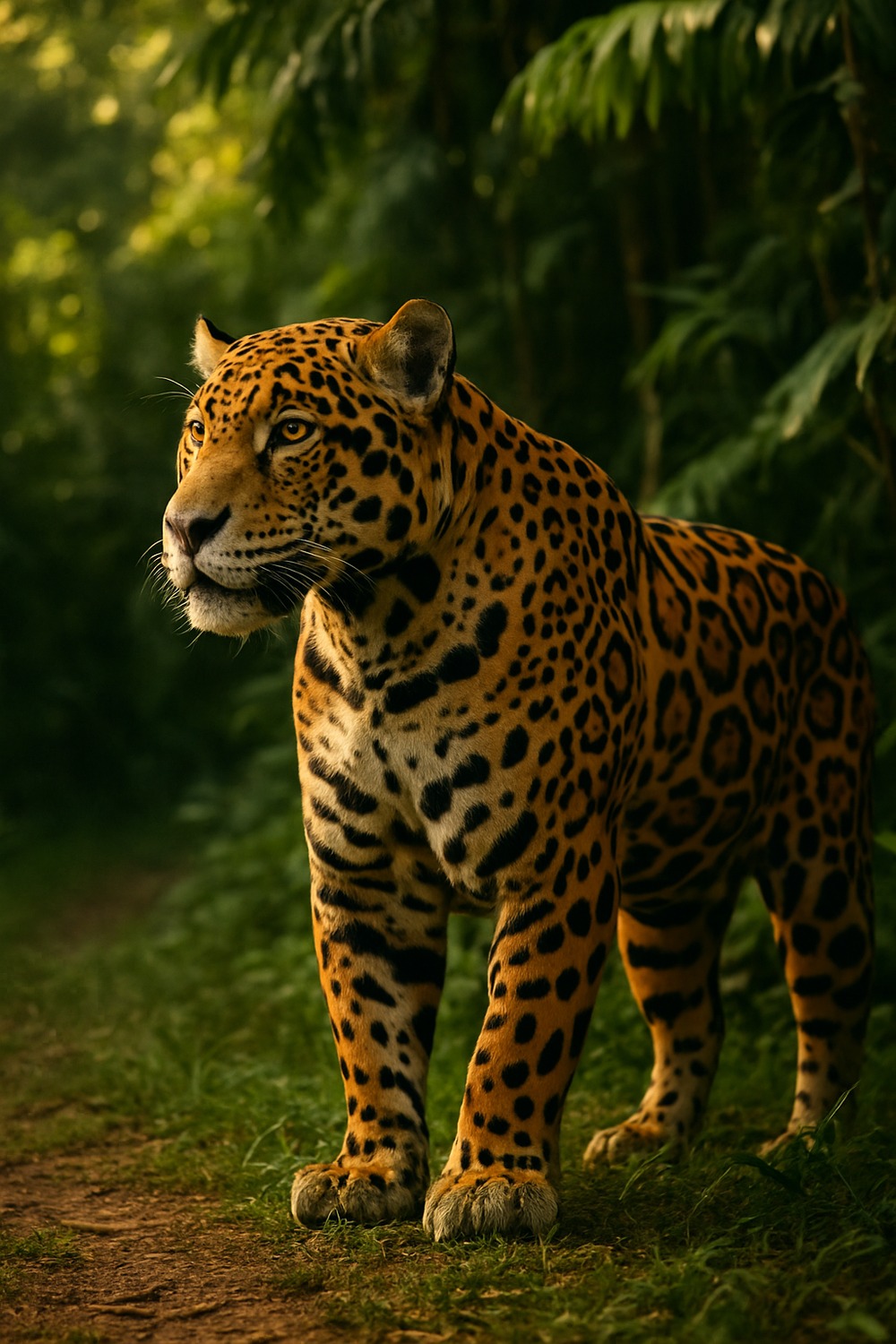
The jaguar’s return isn’t just good news for jaguars. Apex predators regulate entire ecosystems — when jaguar numbers collapsed in Mexico, prey species like deer and peccaries overpopulated in some zones, which led to overgrazing and vegetation loss, which affected bird populations, which shifted insect communities. Turns out removing a top predator doesn’t just create an empty slot in the food web. It unravels the whole thing, thread by thread, in directions nobody predicted.
So 5,326 jaguars means 5,326 ecosystem regulators back at work. Every confirmed territory a jaguar holds is a zone where prey populations stay in check and forests can regenerate more naturally. Conservationists call this a “trophic cascade” — and it’s one of the most powerful arguments for predator recovery that exists.
By the Numbers
- 5,326 — confirmed jaguar count in Mexico’s 2024 national wildlife census, the highest verified figure in decades
- Nearly 30% increase since 2010, making it one of the fastest documented recoveries for a large apex predator in Latin America — which is not a thing that happens often
- 1987: Mexico bans jaguar hunting
- Up to 150 square kilometers of territory required by a single male jaguar, which is why corridor connectivity matters more than the size of any individual reserve

Field Notes
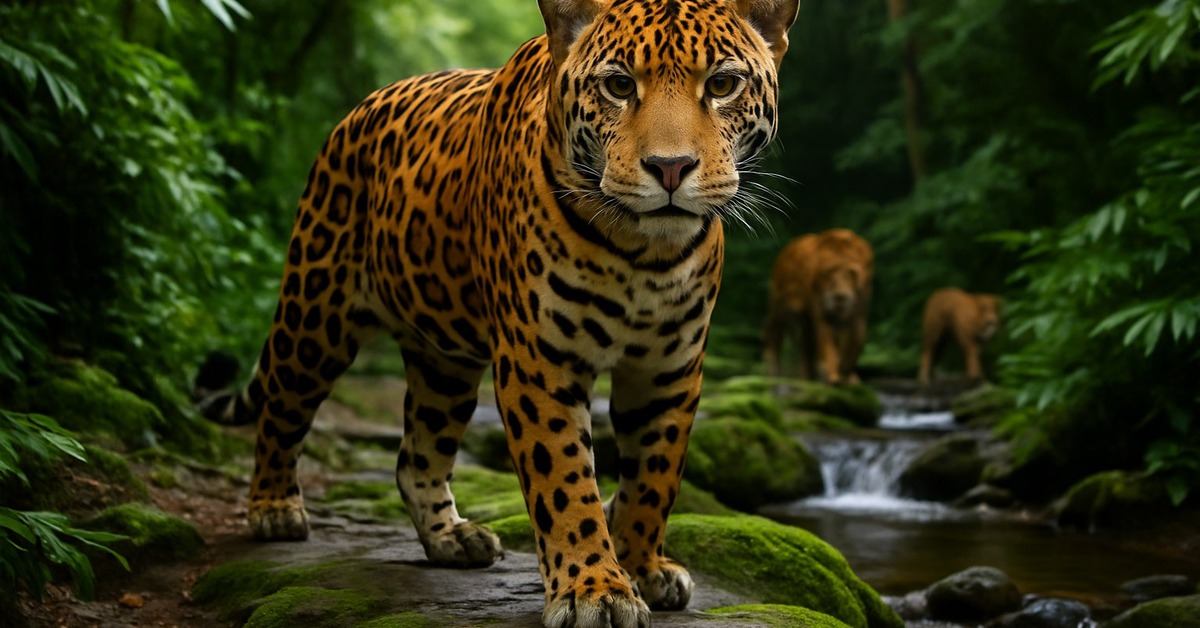
- Jaguars actively seek rivers and wetlands — researchers tracking the Yucatán population found individuals regularly using coastal mangrove systems, a habitat type almost nobody had expected to be jaguar territory.
- Skull-piercing bite, not throat suffocation — their jaw strength is pound-for-pound the greatest of any cat species
- Camera trap data from the Sierra Madre corridors captured multiple jaguars crossing the same routes at consistent times, suggesting they’re navigating, not wandering. A sign that the corridor infrastructure is functioning the way planners hoped — which, in conservation, is not something you can take for granted.
Why This Recovery Actually Matters Beyond Mexico
The jaguar population recovery in Mexico doesn’t exist in isolation. Jaguars don’t respect borders, and Mexico’s northern populations are the only realistic source animals for a potential return to the American Southwest — specifically Arizona and New Mexico, where jaguars once lived and where suitable habitat still exists. The U.S. Fish and Wildlife Service has documented occasional jaguar sightings in Arizona as recently as the last decade.
Every individual that survives and breeds in the Sierra Madre is a potential ancestor of the first jaguar born in the United States in over a century.
That’s not a distant fantasy. It’s a biological possibility that gets more realistic every time Mexico’s census numbers go up. The political will to make transborder jaguar conservation happen — that’s the next hard thing. Harder than camera traps and corridors. But not impossible.
Conservation rarely announces itself. It happens in mud and heat, with researchers crawling through undergrowth to retrieve a memory card from a camera trap, or Indigenous monitors noting paw prints along a trail at dawn. The jaguar’s return is built from thousands of those small, unglamorous moments stacked on top of each other over years.
And it’s working.
The jaguar isn’t saved. But it’s no longer disappearing — and that distinction matters enormously. Five thousand three hundred and twenty-six animals. Breathing, hunting, swimming rivers, raising cubs in forests that were silent for too long. Conservation wins are slow and fragile and easily reversed. This one is real. If this kind of story keeps you up at night, there’s more at this-amazing-world.com — and the next one is even stranger.


