The Naval Duel Where Enemies Toasted Each Other’s Bravery
Peter Wessel’s Great Northern War naval battle produced something no rulebook had anticipated — a polite, formally worded letter, delivered mid-combat, asking the enemy to lend ammunition so the killing could continue. Seven hours of cannon fire. An overnight truce forced by darkness. And one gesture so strange that naval historians are still trying to find the right category for it.
July 1714, off the battered Norwegian coastline. Wessel commands a Dano-Norwegian frigate against a Swedish privateer. Two days. One overnight pause. And across the smoke-filled water, a moment of mutual respect that refuses to sit quietly in any archive.
The Great Northern War’s Most Unlikely Naval Standoff
Privateers weren’t quite pirates and weren’t quite soldiers. They operated under letters of marque — legal licenses to raid enemy shipping — which made their status in war murky, their loyalties transactional, and their fights intensely personal. The Olbing Galley’s crew had everything to gain by fighting hard. So they did.
The Great Northern War, which raged from 1700 to 1721, was a grinding conflict that reshaped northern Europe’s balance of power. Sweden, once the dominant Baltic force, fought Denmark-Norway, Russia, and their allies across land and sea. Naval historians at the University of Copenhagen have documented hundreds of engagements during this period — but few carry the peculiar human weight of the July 1714 encounter between Wessel’s frigate and the Swedish privateer Olbing Galley.
Seven Hours of Fire, Then a Pause, Then More Fire
Combat opened on July 26, 1714, and refused to resolve the way naval engagements were supposed to. Both captains held. Neither ship collapsed. By nightfall, darkness ended the fight before any decision did — and at dawn, they resumed. By the second morning, both ships were wrecked in all the ways that mattered: rigging hung in pieces, hulls had absorbed punishment neither crew could fully account for, and cannonballs were nearly gone. If that level of sustained, grinding endurance sounds almost impossible to imagine, you might find something familiar in the survival stories archive at This Amazing World.
Fighting a ship-to-ship duel without ammunition isn’t a tactical problem. It’s an existential one.
The Note That Changed Naval History Forever
Wessel wrote a courteous letter. Not a surrender. Not a feint. A genuinely formal request, delivered with the military decorum that defined officer culture in 18th-century Europe, asking the Swedish captain if he might borrow ammunition — to continue their fight. Naval records from the period confirm the exchange took place, though the original letter hasn’t survived.
Here’s the thing: the story breaks from every convention of war at exactly this moment.
The Swedes declined. Of course they did. But they didn’t laugh, and they didn’t fire. Both captains raised a toast across the water — saluting the other’s bravery before parting ways. The battle simply… ended. No clear victor. No shame. Just acknowledgment that something worth recognizing had happened out there on the water.
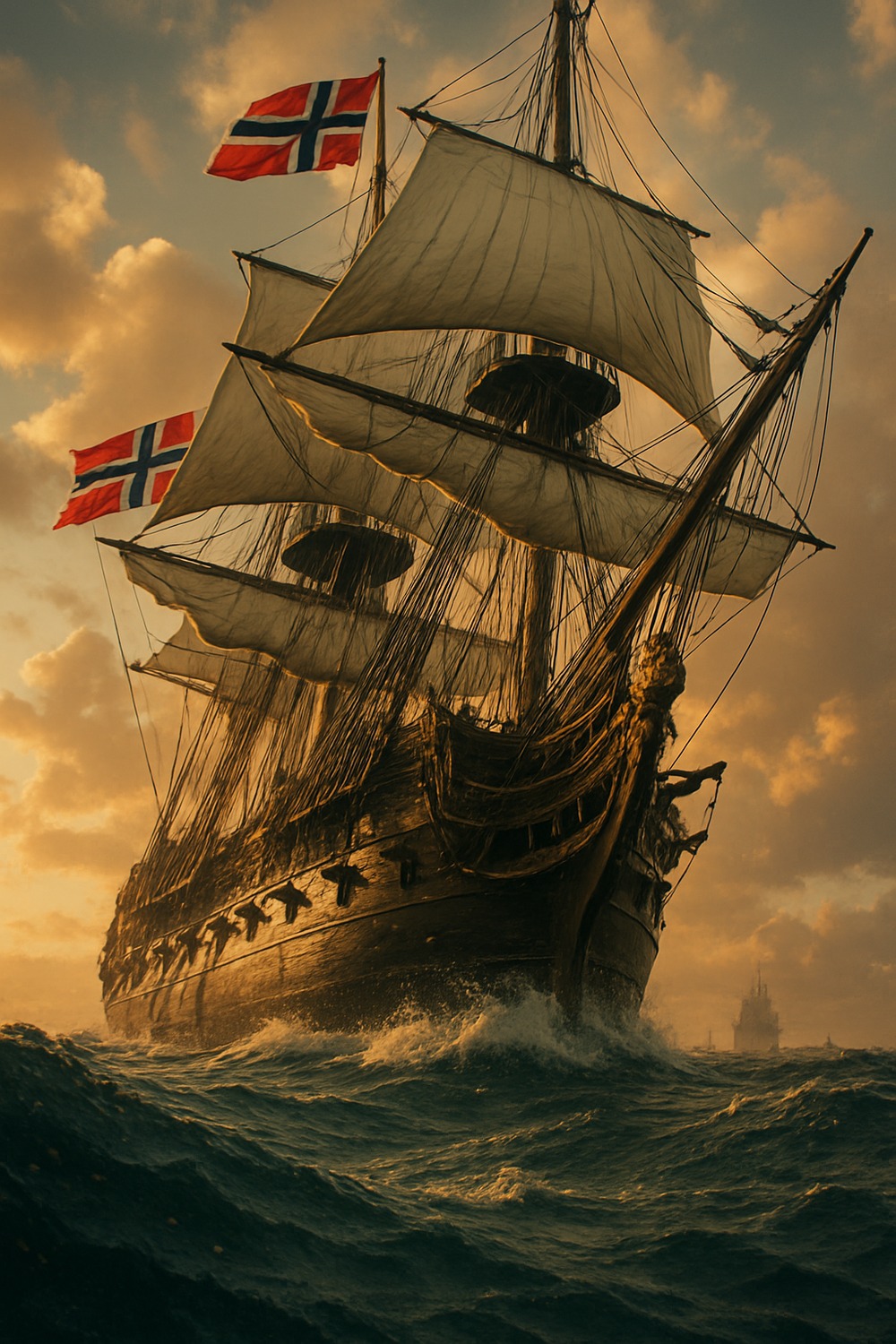
Peter Wessel’s Great Northern War Legacy and the Trial That Followed
And then came the court-martial. Naval command accused Wessel of recklessly endangering his ship — fighting too long, too aggressively, with too little strategic justification. The man who’d just conducted one of the most dignified engagements in Scandinavian naval history was on trial for being too bold. Wessel’s defense was essentially that he’d done his job with everything he had.
He was acquitted — and not long after, promoted. What the Peter Wessel Great Northern War episode had demonstrated was something his superiors couldn’t ignore: a commander who didn’t break, didn’t retreat, and somehow preserved the dignity of his nation’s flag even when the guns went quiet. History has a way of treating the people who ignored this kind of evidence unkindly — and the court, to its credit, recognized what it was looking at. That combination of ferocity and grace doesn’t come along often in any era of military history.
The Unwritten Rules of 18th-Century Naval War
What’s harder to determine is how common such exchanges actually were. We know the toast happened. We don’t know whether the Swedish captain privately thought Wessel’s ammunition request was audacious genius or raving madness. That ambiguity is part of what keeps the story alive, even three centuries later.
Historian Jan Glete, whose landmark 2002 work Warfare at Sea, 1500–1650 traced the long arc of European naval culture, argued that officer identity in this period was deeply tied to codes of honor crossing national lines. Enemies recognized each other’s professionalism because they shared the same brutal education (researchers actually call this “martial fraternity” — and this matters more than it sounds). The sea didn’t care about your flag; it killed Swedes and Danes equally. Wessel and the Swedish captain weren’t anomalies. They were products of a system that sometimes produced exactly this outcome.
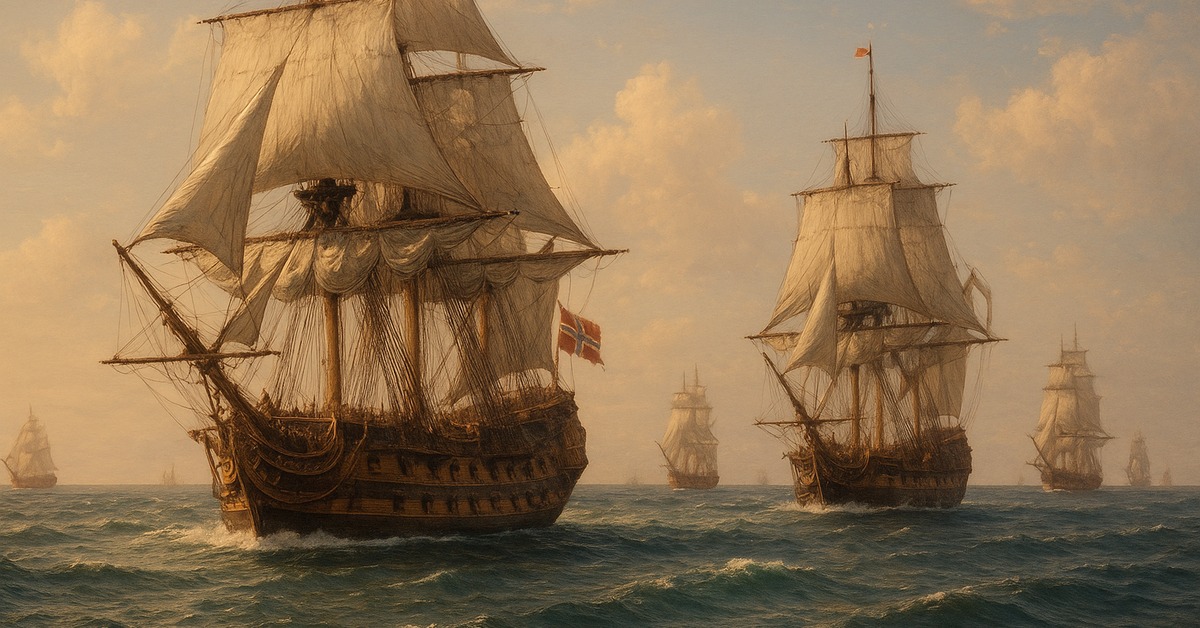
How It Unfolded
- 1700 — The Great Northern War begins; Sweden enters a prolonged conflict against a coalition including Denmark-Norway and Russia that will reshape Baltic power for a generation
- July 26, 1714 — Combat opens between Wessel’s frigate Løvendals Galei and the Swedish privateer Olbing Galley off the Norwegian coast; fighting continues for more than seven hours before darkness forces a pause
- July 27, 1714 — The battle resumes at dawn; ammunition exhausted on both sides, Wessel sends his famous letter requesting a loan of cannonballs, and the engagement ends with a mutual toast
- 1714–1715 — Wessel faces court-martial for reckless endangerment, is acquitted, and is subsequently promoted; he goes on to lead celebrated naval operations in the war’s final years before dying in a duel in 1720
By the Numbers
- The Great Northern War lasted 21 years, from 1700 to 1721, involving at least nine major European powers at various stages (Encyclopædia Britannica)
- July 26–27, 1714 — the battle stretched more than seven hours across two days, an unusually prolonged single ship-to-ship engagement for the era
- Wessel’s frigate, Løvendals Galei, carried approximately 40 guns — comparable in firepower to the Swedish privateer it faced, making the stalemate tactically logical
- Peter Wessel was eventually ennobled as Tordenskiold (“Thunder Shield”) and became one of Denmark-Norway’s most celebrated naval heroes, a transformation that began with this very engagement
Field Notes
- 22 years old. That was Wessel’s age at the time of this battle — young even by the standards of an era when naval officers routinely commanded ships in their twenties, and his composure under multi-day combat pressure was noted explicitly in contemporary accounts.
- Toasting enemies after engagements wasn’t entirely unheard of in 18th-century European warfare; officer codes of the period sometimes treated battlefield honor as something that transcended national loyalty, particularly among professional naval commanders who saw seamanship as a shared brotherhood.
- King Frederick IV of Denmark-Norway gave Wessel the nickname Tordenskiold after subsequent heroic actions — but the character that earned that name was already visible in the 1714 duel, where he refused to retreat and refused to be bitter about any of it.
Frequently Asked Questions
Q: What exactly was the Peter Wessel Great Northern War naval battle, and why does it matter?
The Peter Wessel Great Northern War naval battle refers to the July 1714 engagement between Wessel’s Dano-Norwegian frigate Løvendals Galei and the Swedish privateer Olbing Galley off Norway’s coast. It matters because it combined extraordinary military tenacity with a gesture of inter-enemy respect — Wessel’s request to borrow ammunition and the mutual toast — that captured the paradoxical honor codes of early 18th-century naval warfare. It’s also a formative episode in the career of a man who became one of Scandinavia’s most legendary sea commanders.
Q: Who was Peter Wessel, and what happened to him after this battle?
Peter Wessel was a Dano-Norwegian naval officer born in 1690, who would later be ennobled as Tordenskiold — meaning “Thunder Shield” — by King Frederick IV. After the 1714 battle, he faced a court-martial for recklessly endangering his ship but was acquitted and subsequently promoted. He went on to lead several celebrated naval operations in the final years of the Great Northern War before dying in a duel in 1720 at just 30 years old.
Q: Why did Wessel ask the Swedish enemy for ammunition, and how did they respond?
By the end of the second day of fighting, turns out both ships had nearly exhausted their cannonballs, making continued combat almost impossible. Wessel’s request was a bold, formally worded appeal reflecting the officer culture of his time — treating the enemy as professional equals rather than moral adversaries. The Swedes declined the loan, but rather than resume fighting or retreat in anger, both captains reportedly shared a toast acknowledging each other’s valor before the ships parted ways.
Editor’s Take — Sarah Blake
What strikes me about this story isn’t the ammunition letter — strange as it is. It’s that nobody involved seemed surprised by the toast. The gesture worked because both sides already shared the same unwritten grammar of war. Three centuries on, that grammar is gone, and we’ve decided its absence is progress. Maybe. But something was being preserved out there on the water in 1714 that had nothing to do with flags or kingdoms — and we don’t have a clean replacement for it.
Three centuries separate us from that narrow strip of Norwegian coastal water where two exhausted captains raised cups across a field of spent gunpowder. What survives isn’t just a quirky anecdote. It’s a question about what we choose to preserve when everything else runs out — the fight, the ammunition, the justification for one more broadside. Honor costs nothing when things are going well. The 1714 duel asks what it looks like when everything’s gone except the choice of how to end it. Would we make the same call?