


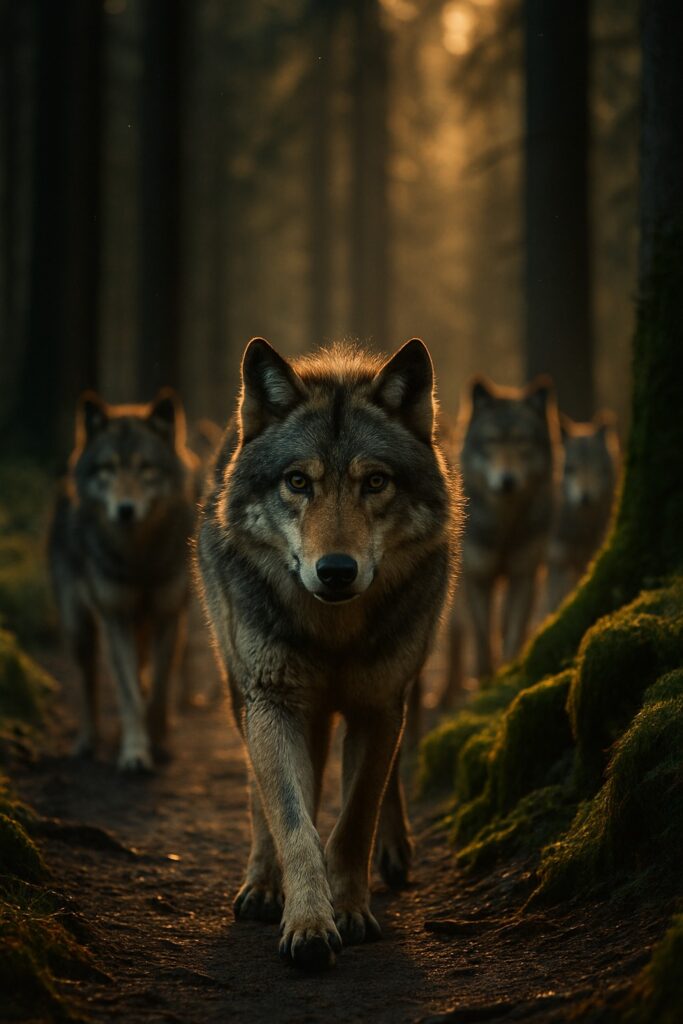
Nobody was counting on fourteen animals. That’s the part that keeps catching people off guard when they first hear this story — not the science, not the scale of what happened, but the sheer smallness of where it started.
By 1926, every wolf in Yellowstone had been killed. Shot, trapped, poisoned — a deliberate, government-backed eradication that took roughly three decades to complete. For nearly seventy years after that, the park looked fine on the surface. Elk grazed. Rivers ran. Tourists took photos. But something was quietly coming apart underneath, and nobody quite had the vocabulary to describe what was missing. When scientists finally connected the dots, the answer involved rivers physically changing course. Not metaphorically. The wolves Yellowstone trophic cascade had literally reshaped the waterways.
How the Wolves Yellowstone Trophic Cascade Actually Began
January 1995. Wildlife biologists transport 14 gray wolves from Alberta, Canada, into Yellowstone — the first wolves to set foot in the park in decades. Researcher William Ripple of Oregon State University later traced what happened next in a landmark 2012 paper published in trophic cascade research. The elk, which had been grazing freely along riverbanks for 70 years with no natural predators, suddenly had a reason to move.
Why does that matter so much?
Because elk standing still eat everything in reach. For seven decades, they’d been doing exactly that — stripping willows, aspens, and grasses right down to bare dirt along the most vulnerable stretches of riverbank. Nobody had thought to connect that to what was happening to the rivers. Not yet. The damage was so slow and so total that it just looked like the landscape.
Elk Moved, and the Land Began to Breathe
When wolves hunt, they don’t just kill — they create what ecologists call “the ecology of fear.” Elk started avoiding open valleys and riverbanks where wolves could corner them easily. Those areas, untouched by grazing for the first time in generations, exploded with vegetation. Willows shot up. Aspens came back. Grasses stabilized the soil in ways that riparian zones hadn’t seen since before the eradication. If you want to understand just how fast a landscape can flip, this-amazing-world.com has documented some of the most astonishing environmental recoveries on record.
Songbirds returned to nest in the new willows. Bald eagles had more to scavenge from wolf kills. Bears found berries on recovering shrubs.
One change, branching outward into dozens — like cracks spreading across glass from a single point of impact.
Then the Beavers Came Back — Nobody Expected That
Here’s the thing: beavers had essentially vanished from Yellowstone. No willows, no beavers. Simple as that. But as the willows recovered along the riverbanks, beavers returned and started building dams again. Those dams created ponds. Ponds created wetland habitat. Wetlands filtered water, slowed erosion, and gave otters, muskrats, and ducks somewhere to live. The wolves Yellowstone trophic cascade had now reached species that don’t even interact with wolves directly — that had never seen a wolf, would never see a wolf, and yet were being pulled back into existence by one.
That last fact kept me reading for another hour.
Fourteen animals. Not a massive conservation program, not decades of habitat restoration, not millions of dollars in ecological engineering. Fourteen wolves dropped into a broken system, and the system started remembering how to fix itself.
But the Rivers — That’s the Part That Stops People Cold
The vegetation recovery stabilized the riverbanks. Less erosion meant the rivers stopped meandering so aggressively. Channels narrowed and deepened in certain stretches. Flow patterns shifted. Scientists studying the Lamar and Soda Butte rivers found measurable changes in the physical geography of those waterways — not from rainfall variation, not from geological events, but from a behavioral shift in elk triggered by wolves. The wolves Yellowstone trophic cascade had changed the literal shape of rivers.
Read that again slowly.
Wolves. Changed. Rivers.

Wolves Don’t Want What We Think They Want
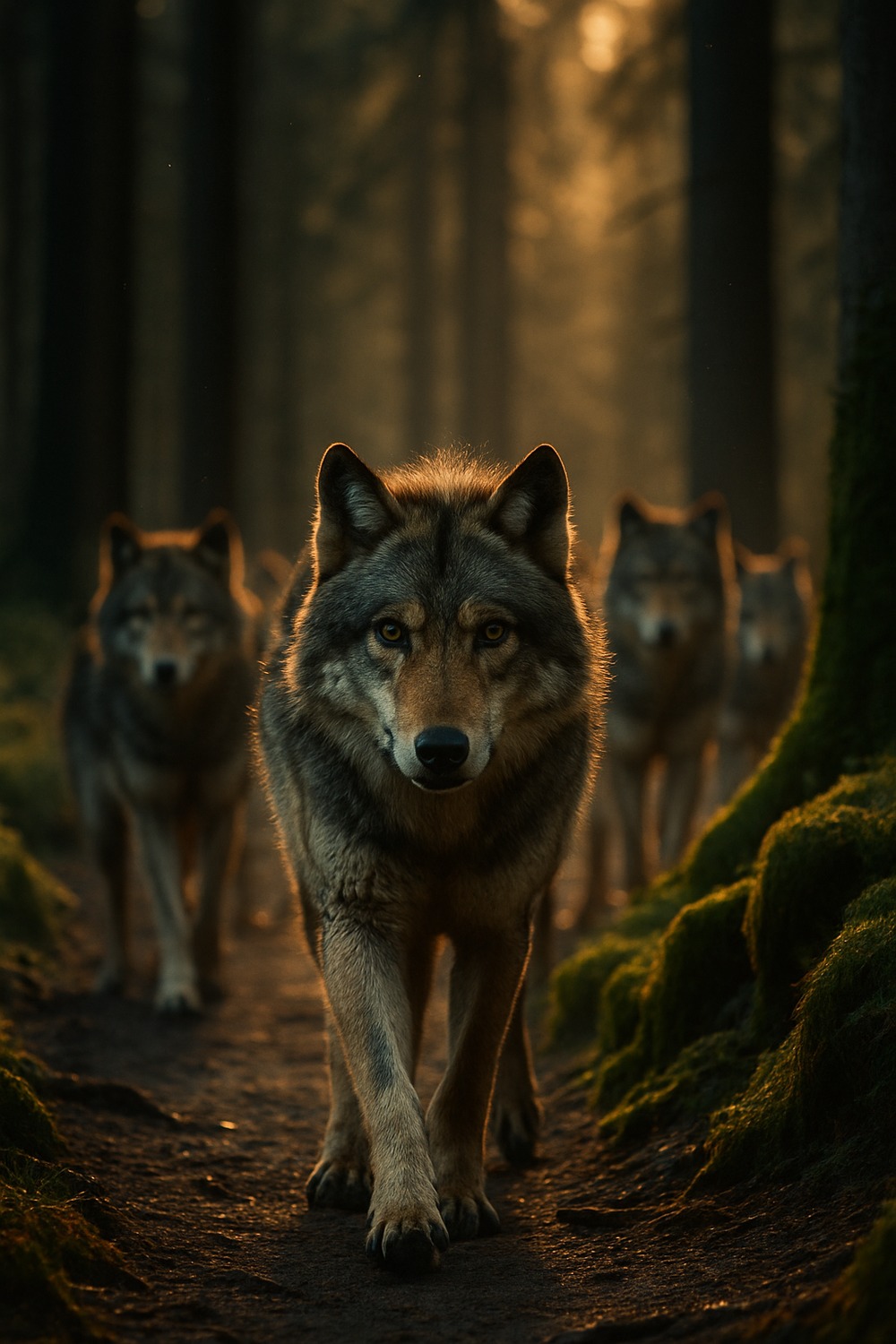
Here’s the thing: wolves are not the monsters we spent centuries writing into fairy tales. Given adequate space, they actively avoid humans. Their social structure — a breeding pair, their pups, and sometimes older offspring who stay to help raise younger litters — is built around cooperation, not aggression. A wolf hunts because it’s hungry, because its pups need food. Turns out the creature we feared enough to erase from an entire landscape was never actually hunting us back.
We shared this planet with Canis lupus for roughly 300,000 years. And in the span of a few centuries, we nearly erased them from North America entirely — driven by fear, livestock conflicts, and a fundamental misunderstanding of what role they played in the systems we all depend on.
Which raises the obvious question — how did no one notice what was unraveling while they were gone?
Slowly. That’s how. Slowly enough that it just looked like normal.
By the Numbers
- In 1926, the last wolf in Yellowstone was killed — ending a 30-year government extermination campaign that wiped out wolves across most of the continental United States (National Park Service, 2023).
- By 2005, just ten years after reintroduction, the Yellowstone wolf population had grown to over 100 animals across 11 packs.
- Willow canopy height along some Yellowstone riverbanks increased by more than 500% between 1995 and 2010, directly linked to reduced elk grazing pressure in wolf territories.
- Beaver colonies: from near-zero in 1995 to at least nine active colonies by 2011.
- All of that — driven entirely by the return of a predator the beavers never once encountered.

Field Notes
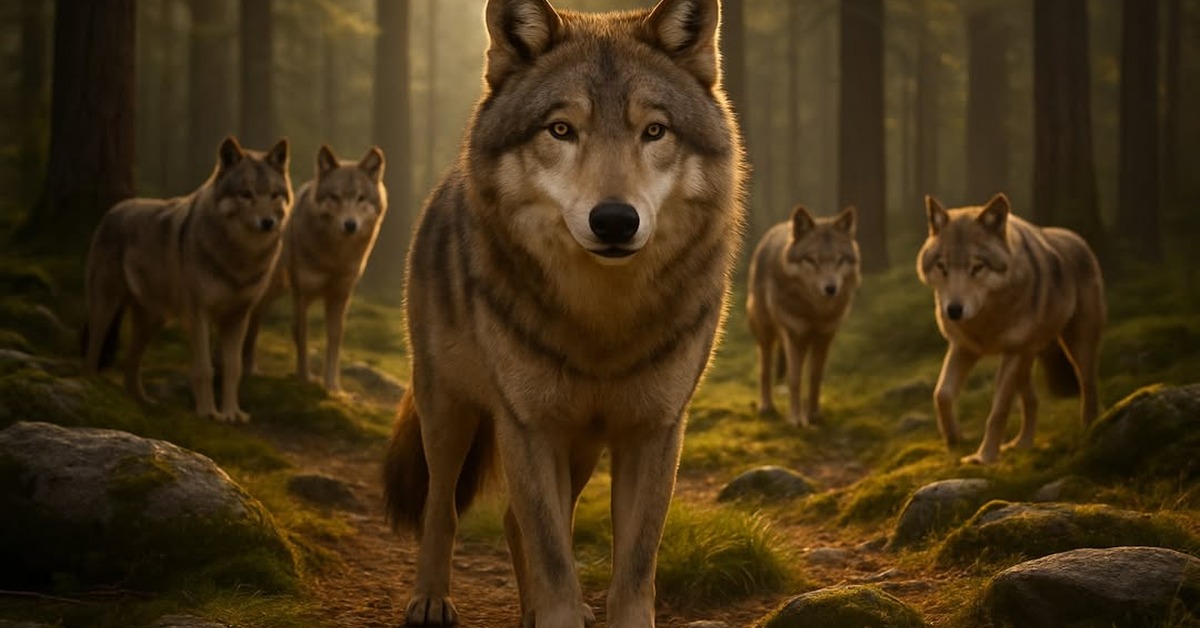
- Wolf packs in Yellowstone have demonstrated what researchers call “prey switching” — deliberately targeting different species depending on season, location, and pack size, which spreads ecological pressure more evenly than previously modeled.
- Carrion subsidies. That’s an actual scientific term now — tracking how wolf-killed elk carcasses feed ravens, eagles, bears, foxes, and insects in the dead of winter when other food sources have vanished entirely.
- The ecology of fear may be as significant as the kills themselves.
- A 2021 study found that the psychological effect of wolf presence can shape landscapes even in areas where wolves rarely actually hunt — meaning the idea of a predator does measurable ecological work.
What We Broke Without Knowing — And What That Means Now
The wolves Yellowstone trophic cascade forced ecologists to rethink something they thought they already understood: how ecosystems hold together. It’s not just about individual species surviving. It’s about relationships — predator to prey, prey to plant, plant to river, river to everything downstream. Remove one node in that web carefully enough, slowly enough, and the collapse won’t look like a collapse. It’ll just look like Tuesday. And then seventy years have passed, and the rivers are moving, and you’re trying to explain to someone how a wolf changed a waterway.
The question this raises isn’t only scientific.
How many other systems are we living inside right now — forests, coastlines, grasslands, fisheries — that are quietly unwinding because something we removed decades ago is no longer doing its invisible work? What are we not seeing because the damage is too slow, too total, too much like just the way things are?
Fourteen wolves walked into a park and rebuilt a world. Not because anyone planned it perfectly, but because nature, given even a small opening, remembers what it’s supposed to do. The hard part was never the science. It’s accepting that the things we feared most were often the things holding everything else together. There’s more at this-amazing-world.com — and honestly, the next one is even stranger.


