Eastern Pygmy Possum: Australia’s Tiny Pollinator
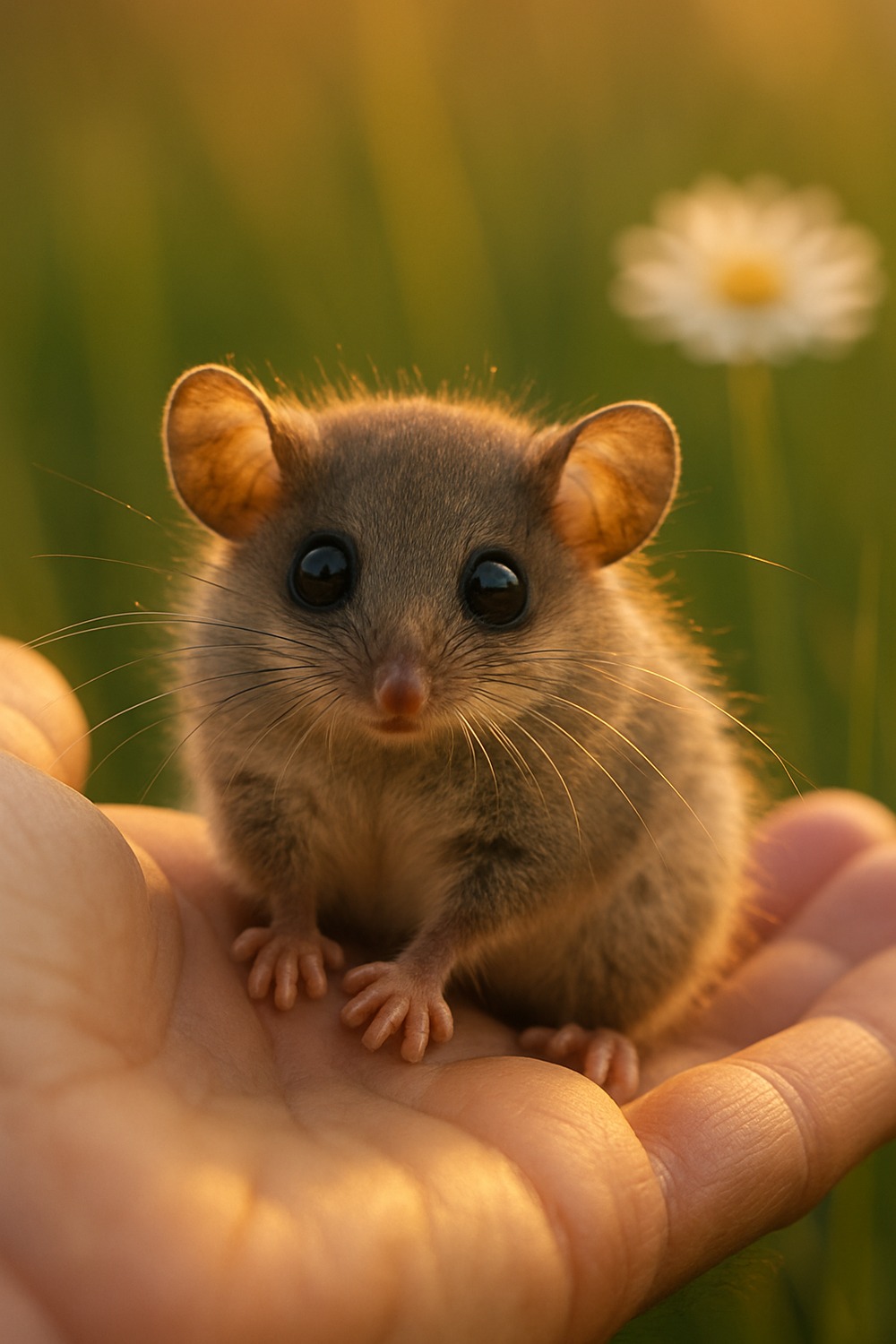
Weigh a few coins in your palm — that’s the eastern pygmy possum, Cercartetus nanus, fifteen to forty-three grams of marsupial moving through eucalyptus forest at night with a brush-tipped tongue and no idea how important it is. Most people have never heard of it. That’s the problem.
Key Facts
- The eastern pygmy possum (Cercartetus nanus) weighs between 15 and 43 grams, less than a golf ball.
- It pollinates native flowers including Banksia, Eucalyptus, and Callistemon (bottlebrush) using a brush-tipped tongue.
- Cercartetus nanus was formally described in 1888, distinguished from related pygmy possum species.
- The possum nests in tree hollows carved by decades of decay in aging eucalypts, producing up to two litters a year with up to four young per litter.
- It can enter torpor, a shallow energy-conserving state, to ride out periods of food scarcity.
In short: The eastern pygmy possum (Cercartetus nanus) is a marsupial weighing just 15 to 43 grams that pollinates native Australian flowers like Banksia and bottlebrush with its brush-tipped tongue. Carrying viable pollen between blossoms, it acts as a little-recognized vertebrate pollinator in southeastern Australia. Its survival depends on old-growth eucalypt hollows that are vanishing, while warming temperatures threaten to mismatch its torpor timing with flowering seasons.
Built for the Blossom
Here’s the thing about that tongue: it’s tipped with papillae — fine, hair-like projections — and it functions like a precision instrument for pulling nectar and pollen out of native flowers. Banksia, Eucalyptus, Callistemon (bottlebrush, of all things) — these are the species this animal gravitates toward on warm evenings. Pollen sticks to the fur around its face and feet. Working through the canopy with a semi-prehensile tail wrapped around branches and its forepaws steadying each bloom in turn, it carries that pollen to the next flower, then the next. One animal, one night, potentially servicing a whole cluster of plants — doing what bees do, but through the blundering intimacy of a mammal pushing its face into flowers (researchers actually call this “non-insect pollination,” which undersells it considerably).
But the possum’s diet isn’t locked in. When flowering season drops off and blossoms get scarce, it pivots — insects, spiders, soft fruits, whatever the season offers. Some individuals respond to the lean stretch by entering torpor, a shallow energy-conserving state that’s distinct from full hibernation, slowing their metabolism to ride out the scarcity. Australia’s climate doesn’t do predictable, and between drought cycles, fire, and the general chaos of seasonal variation, food availability can collapse fast. That combination — flexible diet, physiological off-switch — is why you find these animals from coastal heathlands all the way up to montane forests.
Life in the Hollow
Old eucalypts are what make this work. The eastern pygmy possum’s preferred home is a tree hollow — specifically the kind carved out by decades of decay in aging trunks and branches. These cavities hold heat, block predators, and provide the kind of stable microclimate that matters enormously to an animal this small.
Where hollows aren’t available, the possum improvises: abandoned bird nests, packed bark tangles, dense vegetation — lining whatever space it claims with shredded bark and plant material. Outside of breeding season it’s largely solitary, marking territory with scent and keeping overlap with other individuals to a minimum.
Reproduction follows the standard marsupial pattern: young are born early and finish developing attached to the mother’s nipples inside a small but functional pouch. Up to two litters a year under good conditions, up to four young per litter. Owls, snakes, feral cats — the predation pressure on something this size is relentless.
They move from pouch to clinging on their mother’s back before eventually striking out alone, and breeding success in any given season depends heavily on secure nesting sites and adequate food. This is where the conservation problem gets concrete: old-growth trees with deep hollows are disappearing, and nothing else quite substitutes for them.
A Quiet Keystone
Why does this matter? Because insects don’t explain everything.
Pollination ecologists studying southeastern Australia’s native flora have spent years noticing that the reproductive success of certain plants doesn’t add up if you only count bees and butterflies. Studies tracking pollen loads on individual animals have confirmed these possums carry viable pollen between flowering plants. That gap has pushed researchers toward vertebrate pollinators — birds, bats, small mammals — and the eastern pygmy possum keeps coming up. Whether that contribution matters at a genuine landscape scale, whether native plant populations would actually decline without this one marsupial in the system — that question is still open (and this matters more than it sounds, given how rarely we ask it before a species is gone). What’s not in question is that the relationship isn’t accidental. Shaped across millions of years on the Australian continent, it’s co-evolved — and losing one side of that equation isn’t a neutral event.
Treating a co-evolved pollination system as incidental until the data is complete is the kind of reasoning that tends to age very badly.
How It Unfolded
- 1770s — Early European naturalists document small possums in southeastern Australia’s forest margins, though formal taxonomy remains decades away
- 1888 — Cercartetus nanus formally described and distinguished from related pygmy possum species, establishing the eastern range as distinct
- 1990s — Field ecologists begin documenting pollen loads on wild-caught individuals, opening the first serious inquiry into the species’ role as a vertebrate pollinator
- 2020s — Climate-driven flowering phenology shifts accelerate; researchers flag the mismatch risk between torpor emergence timing and peak blossom periods as an urgent research priority
Forest Futures
Warming temperatures are already shifting when flowering events happen — earlier in some species, later in others, less predictable across the board. Nobody talks about this enough, but the timing problem might be the most insidious threat: if possums emerge from torpor on the schedule they’ve kept for millennia and the flowers have already peaked, that’s a mismatch that no amount of dietary flexibility fixes easily.
And the threats don’t stop there. Feral predator management helps. Nest boxes help. But protecting old-growth woodland — the one intervention that matters most — gets done least, while ongoing fragmentation of old forest continues eating away at hollow availability season by season.
Editor’s Take — Alex Morgan
I spent a week reading the research on this animal and the thing that stayed with me wasn’t a single study — it was the silence between them. We still don’t know how much of southeastern Australia’s native flowering ecology depends on this possum. We’re asking the question now, while old-growth eucalypts are still coming down. The nest boxes are a good-faith effort. But you can’t put a hollow back in a tree that’s already gone, and that gap is where the real risk lives.
The eastern pygmy possum weighs less than a golf ball and most people have never heard of it. Somewhere in the forests of southern Australia tonight, one is working through a Banksia flower in the dark, carrying pollen it doesn’t know it’s carrying, sustaining a plant relationship that’s been running longer than our species has existed. We’re still learning what we’d lose — and by the time we know for certain, some of those old hollow trees will already be gone.
Frequently Asked Questions
Q: What does the eastern pygmy possum eat?
The eastern pygmy possum primarily feeds on nectar and pollen from native flowers such as Banksia, Eucalyptus, and Callistemon (bottlebrush), using a tongue tipped with fine hair-like papillae to extract them. When flowering season drops off, it pivots to insects, spiders, and soft fruits. This dietary flexibility, weighing just 15 to 43 grams, helps it survive across habitats from coastal heathlands to montane forests in southeastern Australia.
Q: How does the eastern pygmy possum pollinate plants?
As the possum works through the canopy feeding on nectar, pollen sticks to the fur around its face and feet. Steadying each bloom with its forepaws and a semi-prehensile tail, it carries that pollen from flower to flower, potentially servicing a whole cluster of plants in a single night. Studies tracking pollen loads on wild-caught individuals since the 1990s have confirmed these animals carry viable pollen between flowering plants, marking them as genuine vertebrate pollinators.
Q: Why is the eastern pygmy possum endangered by habitat loss?
Its preferred home is a tree hollow carved by decades of decay in aging eucalypts, which holds heat, blocks predators, and provides a stable microclimate. Old-growth trees with deep hollows are disappearing through logging and forest fragmentation, and nothing else fully substitutes for them. Breeding success depends heavily on secure nesting sites, so as hollow availability shrinks season by season, the possum’s reproduction becomes increasingly precarious.
Q: What is torpor in the eastern pygmy possum?
Torpor is a shallow, energy-conserving state distinct from full hibernation, in which the possum slows its metabolism to ride out periods of food scarcity caused by drought, fire, or seasonal variation. Researchers now flag a timing risk: as warming temperatures shift flowering events earlier, possums emerging from torpor on their ancestral schedule may find the blossoms have already peaked, a mismatch that dietary flexibility cannot easily fix.
Illustrations are AI-generated. Article fact-checked and human-edited. Our editorial standards.