The Pretty Berry That Kills — And Saves Lives
Two to five berries. That’s all it takes to kill a child. And yet, right now, in emergency rooms across the country, doctors are pulling this exact plant’s compounds out of a syringe to save someone’s life.
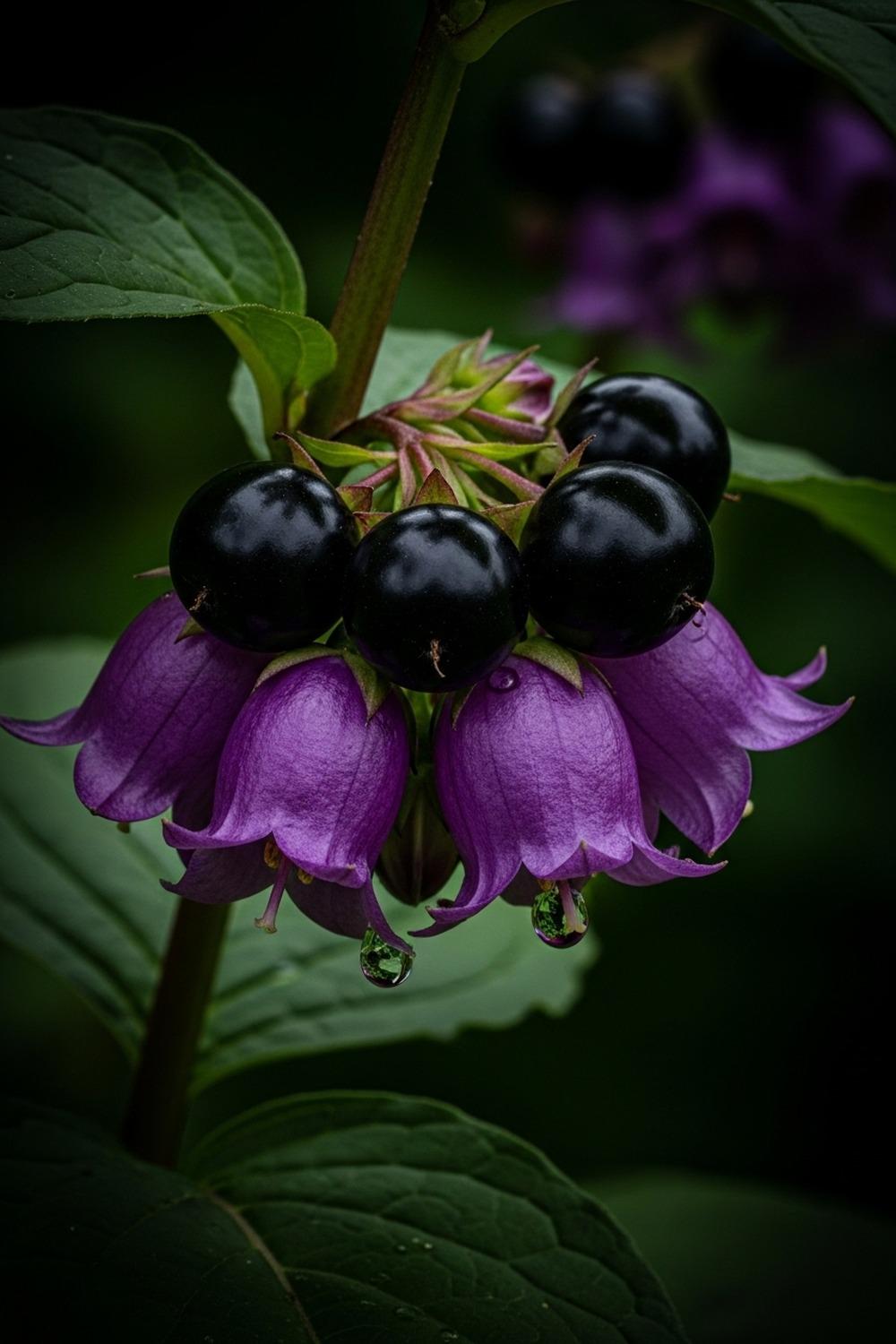
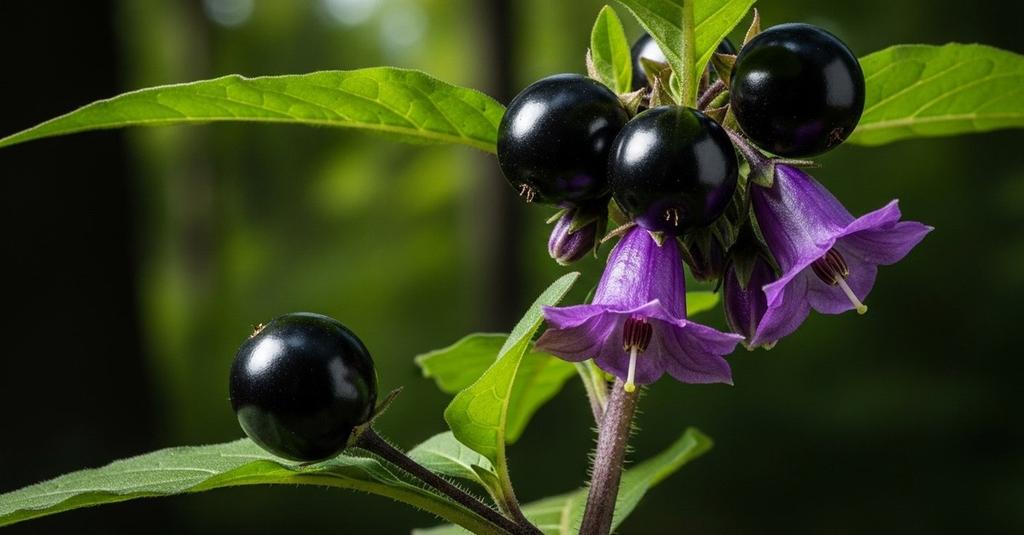
It grows quietly at the edges of woodlands across Europe, North Africa, and Western Asia. Purple bell-shaped flowers. Glossy black berries that hang like dark jewels. The thing that gets you is how *good* it looks — how deliberately, almost maliciously appealing it is. Sweet-tasting. The size of a small grape. Perfect for a curious kid who finds it on a walk. Perfect for a woman in Renaissance Florence who wants her pupils to dilate just enough to catch someone’s eye. Perfect, in other words, for disaster.
Key Facts
- Just 2 to 5 berries of Atropa belladonna can kill a child, while adults require around 10 to 20 milligrams of atropine, per U.S. National Institutes of Health toxicology references.
- The genus name Atropa comes from Atropos, the Greek Fate who cuts the thread of life, and belladonna means beautiful woman in Italian.
- Atropine appears on the WHO Model List of Essential Medicines, which includes approximately 460 medications in its 2023 edition.
- The 2013 Ghouta chemical attack in Syria killed at least 1,500 people, and atropine was central to treating survivors.
- Eye doctors have used atropine drops to dilate pupils since the 19th century, nearly 200 years of continuous medical use.
In short: Deadly nightshade belladonna is both lethal and lifesaving: 2 to 5 berries can kill a child, yet its alkaloids atropine and scopolamine treat cardiac emergencies and nerve-agent poisoning. Atropine sits on the WHO Essential Medicines List, and Renaissance women once used belladonna drops to dilate their pupils.
The Names Tell You Everything You Need to Know
The genus name is Atropa. It comes from one of the three Fates in Greek mythology — Atropos, the one who cuts the thread of life. Not a casual choice. The people who named this plant in the ancient world knew exactly what it could do. They feared it enough to put a death goddess’s name on it.
The species name is belladonna. Beautiful woman in Italian.
So here’s what happened: for centuries, women were deliberately poisoning themselves — carefully, just enough, just right — to meet a beauty standard. The plant hadn’t changed. Only the intention had. Pharmacologist and botanical historian John Mann documented how Atropa belladonna appeared in Roman pharmacopoeias well before the common era, already feared and respected. Already known to be dangerous. Already being used anyway.
Renaissance Beauty and the Pupil Trick
Picture it: It is 1550. A woman in Florence sits at a mirror with a tiny glass dropper. She’s about to put extract from a deadly plant directly into her eyes.
The alkaloids in belladonna cause pupil dilation. Wide, dark pupils were considered deeply attractive — a signal of youth, desire, femininity. It worked. The vision got blurred. The light sensitivity set in. Over time, potentially serious eye damage. You can read more about how atropine went from folk remedy to pharmaceutical staple on Wikipedia’s atropine entry, which traces the whole trajectory from Renaissance cosmetic to emergency medicine.
What strikes you, if you sit with this for a minute, is the calculation. Women were poisoning themselves in controlled increments to hit a specific beauty standard. They knew the risks. They did it anyway.
The Chemistry That Makes It Kill or Cure
Two compounds do the work: atropine and scopolamine. Both are anticholinergic alkaloids — they block acetylcholine, the neurotransmitter your nervous system uses to tell muscles and glands what to do. Block those signals and everything falls apart fast.
Heart rate spikes. Saliva dries up completely. Vision blurs into uselessness. Pupils dilate so wide they look black. The body loses the ability to regulate temperature, sweat, anything. In high enough doses? Hallucinations. Seizures. Coma. Death.
The alkaloids are concentrated throughout the entire plant — roots, leaves, berries, flowers. But the berries are the trap. They’re the ones kids find. They’re the ones that taste sweet.
And here’s the part that caught me: those exact same compounds, extracted and dosed with absolute precision, are among the most useful drugs in modern medicine. The difference between a lethal dose and a therapeutic one isn’t a mile. It’s a hair.
That’s not metaphorical. That’s pharmacology.
Medieval Fear, Modern Emergency Rooms
In medieval Europe, Atropa belladonna had a different kind of reputation. It showed up in accounts of witches’ “flying ointments” — hallucinogenic preparations supposedly rubbed into skin during rituals. Whether those rituals actually happened the way they were described? Debatable. What’s not debatable is that the plant’s psychoactive effects were real, documented, and potent enough to inspire centuries of genuine fear.
It appears in herbals. In poison lore. In accounts of murder trials. In the desperate anesthetic attempts of early surgeons who combined belladonna alkaloids with other plant compounds to sedate patients long before ether or chloroform existed.
The plant was doing medical work before medicine had a framework to understand what it was doing.
Atropine in the Emergency Department — Right Now
The World Health Organization lists atropine on its Model List of Essential Medicines. The compound that grows wild in European hedgerows is considered so critical to human survival that it makes the shortlist of medications no functioning healthcare system should be without.
It’s used in cardiac emergencies. Bradycardia — dangerously slow heart rate — is something you don’t have time to think through. Atropine works fast. Every second matters. It’s the difference between recovery and permanent damage.
It’s also the frontline antidote to organophosphate poisoning. That includes certain pesticides and nerve agents like sarin.
Soldiers in some military units carry atropine auto-injectors. A plant that was used to poison enemies is now carried as a defense against chemical weapons.
Scopolamine — the other alkaloid — has its own medical career. Behind-the-ear patches for motion sickness. Pre-surgical use to reduce saliva and calm the nervous system. Both compounds are derived from structures first found in Atropa belladonna. The plant didn’t just inspire medicine. It provided the literal blueprint.
By the Numbers
- 2 to 5 berries kill a child. Adults need around 10 to 20 mg of atropine — that’s according to toxicology references from the U.S. National Institutes of Health.
- WHO Essential Medicines List (2023 edition) includes approximately 460 medications considered the bare minimum for global healthcare. Atropine is on it.
- The 2013 Ghouta chemical attack in Syria killed at least 1,500 people. Atropine administration was central to treating everyone who survived.
- Eye doctors still use atropine drops to dilate pupils before exams. Same mechanism Renaissance women used. The practice has been standard since the 19th century — almost 200 years of continuous use.
- The berries evolved to attract birds. Birds are mostly immune to the alkaloids and spread seeds through droppings. Nature’s perfect seed dispersal strategy. Humanity’s perfect hazard for curious children.
Field Notes
- All parts of Atropa belladonna are toxic. The roots contain the highest concentration of alkaloids — and there are old European medical texts full of accidental poisonings from people who mistook the roots for edible plants like parsnips.
- The word “atropine” is a direct linguistic inheritance from Greek mythology. Every time an emergency physician calls for atropine over a cardiac patient, they’re invoking the name of the Fate who cuts the thread of life. Most of them have no idea they’re doing it.
- That last fact kept me reading for another hour. The layer of meaning buried in a single word, used hundreds of times a day by people who didn’t know where it came from.
Why This Still Matters
Deadly nightshade belladonna isn’t a historical curiosity. It’s an active participant in modern medicine, military preparedness, and ongoing pharmaceutical research. The alkaloid structures first identified in this plant have been chemically modified to produce dozens of related drugs — medications for irritable bowel syndrome, overactive bladder, movement disorders. Entire drug classes exist because someone figured out how to take what this wild plant does and make it precise.
Understanding where those compounds come from means understanding how medicine actually works: slowly, dangerously, often accidentally. It means recognizing that the plants growing in hedgerows aren’t quaint relics of folk medicine. Some of them are still actively saving lives every single day.
The line between poison and cure has never been clean. It’s always been dose, intention, knowledge. This plant — beautiful, deadly, still growing wild in European woodlands — is one of the clearest examples of that truth nature has ever produced.
A glossy black berry. A Renaissance beauty trick. A nerve agent antidote. A mythological name chosen by people who genuinely feared what they were handling. Deadly nightshade belladonna holds all of those things at once. It’s still out there, in hedgerows and woodland edges, doing what it’s always done. Some things don’t need to change to stay remarkable. If this kind of story catches you, there’s more at this-amazing-world.com. The next one is even stranger.
Frequently Asked Questions
Q: Why is deadly nightshade belladonna both a poison and a medicine?
Atropa belladonna contains the anticholinergic alkaloids atropine and scopolamine, which block acetylcholine, the neurotransmitter controlling muscles and glands. In uncontrolled amounts these cause racing heart, blurred vision, hallucinations, seizures, and death, with just 2 to 5 berries enough to kill a child. Yet the same compounds, extracted and dosed precisely, treat dangerously slow heart rates and organophosphate poisoning. The difference between a lethal and therapeutic dose is a hair, which is pharmacology, not metaphor.
Q: How did Renaissance women use deadly nightshade belladonna?
In Renaissance Italy, around 1550, women dripped belladonna extract directly into their eyes because its alkaloids dilate the pupils, and wide dark pupils were considered a sign of youth and desire. The plant’s species name, belladonna, means beautiful woman in Italian. The cosmetic came at a cost: blurred vision, light sensitivity, and over time potentially serious eye damage. Remarkably, eye doctors still use atropine drops to dilate pupils today, a practice standard since the 19th century, nearly 200 years.
Q: How is atropine from belladonna used in emergency medicine today?
Atropine appears on the World Health Organization Model List of Essential Medicines, the roughly 460 drugs no healthcare system should lack. It treats bradycardia, a dangerously slow heart rate, working within seconds when every moment counts. It is also the frontline antidote to organophosphate poisoning, including certain pesticides and nerve agents like sarin, so some soldiers carry atropine auto-injectors. During the 2013 Ghouta chemical attack in Syria, which killed at least 1,500 people, atropine was central to treating survivors.
Illustrations are AI-generated. Article fact-checked and human-edited. Our editorial standards.