The Tiny Country That Just Banned a Western Leader
A country smaller than New Jersey just told one of the world’s most powerful leaders he’s banned. And it wasn’t a tantrum — it was a legal move that’s forcing every other Western democracy to pick a side.
Slovenia, population 2.1 million, has formally declared Israeli Prime Minister Benjamin Netanyahu persona non grata. Not welcome. Don’t come. We will act if you do. This happened in early 2025, months after an International Criminal Court arrest warrant landed against him in November 2024, and what’s wild is how quiet most of the Western world has been about the choice this creates for them.
Key Facts
- Slovenia, population 2.1 million, formally declared Israeli PM Benjamin Netanyahu persona non grata in early 2025
- The International Criminal Court issued an arrest warrant against Netanyahu on November 21, 2024, alongside one for former Hamas military chief Mohammed Deif
- 124 countries are Rome Statute members and therefore legally bound to enforce ICC arrest warrants
- The persona non grata concept comes from the 1961 Vienna Convention on Diplomatic Relations
- 146 countries now recognize Palestine in some form, up from roughly 75 a decade ago
In short: When Slovenia bans Netanyahu, declaring the Israeli prime minister persona non grata in early 2025, a nation of 2.1 million forced every other ICC member to confront a choice. Following the court’s November 2024 arrest warrant, the move pressures the 124 Rome Statute states bound to enforce it against a powerful Western ally.
What Slovenia Netanyahu Persona Non Grata Actually Means
The phrase is older than you’d think. It comes from the 1961 Vienna Convention on Diplomatic Relations — basically the rulebook for how countries treat each other’s officials. When you declare someone persona non grata, you’re saying: this person is not welcome here, and if they show up, we will treat them as a trespasser. Not diplomatically. Legally.
Here’s the kicker: countries almost never use this against sitting heads of state from allied nations. You use it on spies. On diplomats who’ve crossed lines. On people you’re trying to get rid of without an actual confrontation. Using it against a leader of your own ally group? That’s different.
It means you’re not bluffing.
Slovenia Has Been Moving This Direction for Months
May 2024. Slovenia recognized Palestine as a state. So did Ireland, Norway, Spain — all within days of each other, like they’d coordinated it.
That last fact kept me reading for another hour.
Then the ICC warrant dropped in November. Then this ban in early 2025. It’s not three separate decisions. It’s a country that decided what it believed and committed to the consequences. First recognition. Then legal obligation. Then enforcement.
The ICC Warrant Changed the Equation for Everyone
When the International Criminal Court issued its arrest warrant against Netanyahu in November 2024 — alongside one for former Hamas military chief Mohammed Deif — it created a problem that 124 Rome Statute member countries suddenly had to solve. These are countries that legally agreed to arrest and hand over anyone named in an ICC warrant who enters their territory. Simple rule. Except when the person is a close ally with nuclear weapons and major economic ties to your country.
Slovenia’s move does something clever: by banning him outright, they avoid the arrest question entirely. He can’t enter, so they never have to choose between their ICC obligations and their Western alliances.
Other countries have been less direct.
Belgium, Ireland, the Netherlands — they’ve made statements about ICC compliance without really committing to anything concrete. The UK government had internal legal debates that went nowhere. The US, not an ICC member, has called the whole thing illegitimate. And now we have this strange moment where some of Israel’s closest European partners are quietly terrified that hosting Netanyahu could technically violate international law.
The Countries That Have Gone Further
- Belgium signaled ICC compliance without spelling out enforcement details
- Ireland moved faster — explicit statements that suggest real legal action if Netanyahu arrived, which raised immediate pressure on other EU nations to clarify their own positions
- Netherlands positioned itself similarly to Ireland, creating a small bloc of actual enforcers
- The UK government faced internal legal debates about the same question but never resolved them publicly
- Germany and France — Israel’s major Western allies — have remained notably silent, caught between legal obligations and geopolitical relationships
- The United States, not an ICC signatory, has been explicitly hostile to the warrant and called it illegitimate
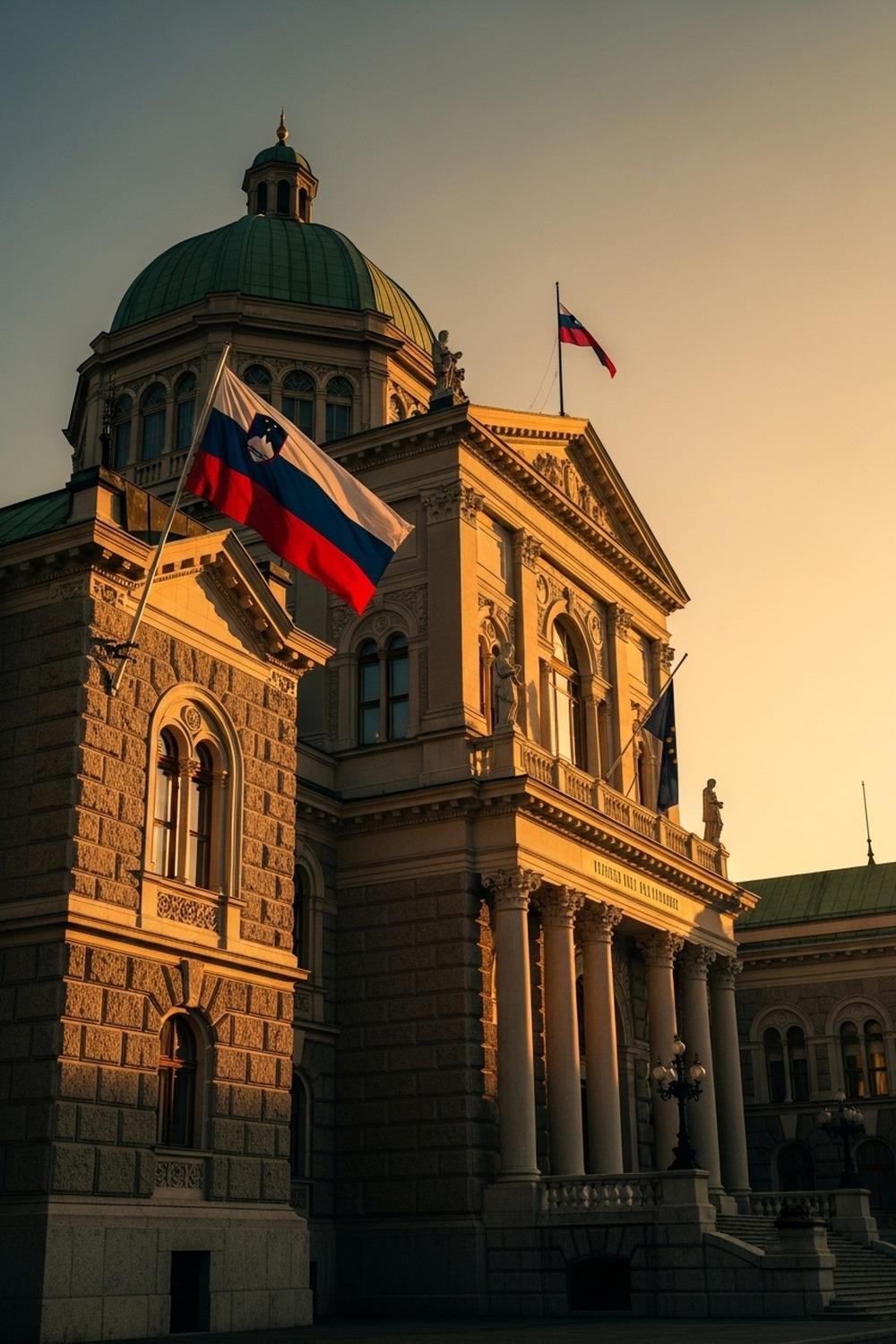
Here’s the Thing About Small Countries Taking Big Stands
When you’re a country of 2.1 million, you operate with different constraints. Germany can’t say what Slovenia just said. France can’t either. They’re too big, too economically entangled, too central to Western security architecture. Every foreign policy move they make ripples through the entire system. Slovenia makes a decision like this and the cost is real — diplomatic discomfort, tension with allies — but it’s survivable. It’s the kind of geopolitical freedom that comes with being small.
So maybe that’s the real question: why are we waiting for countries of 2.1 million people to show principle on international law?
It’s an uncomfortable thing to sit with.
By the Numbers
- November 21, 2024 — the date the ICC arrest warrant issued against Netanyahu, one of the most consequential decisions in the court’s 23-year history
- 124 countries are Rome Statute members and therefore legally bound by ICC arrest warrants — the vast majority of Europe falls into this category
- Slovenia’s population: 2.1 million. NATO members smaller than this: basically none that matter
- 146 countries now recognize Palestine in some form — up from roughly 75 a decade ago, a massive shift in global alignment
- One decade of sovereignty separates Slovenia’s independence (1991) from today
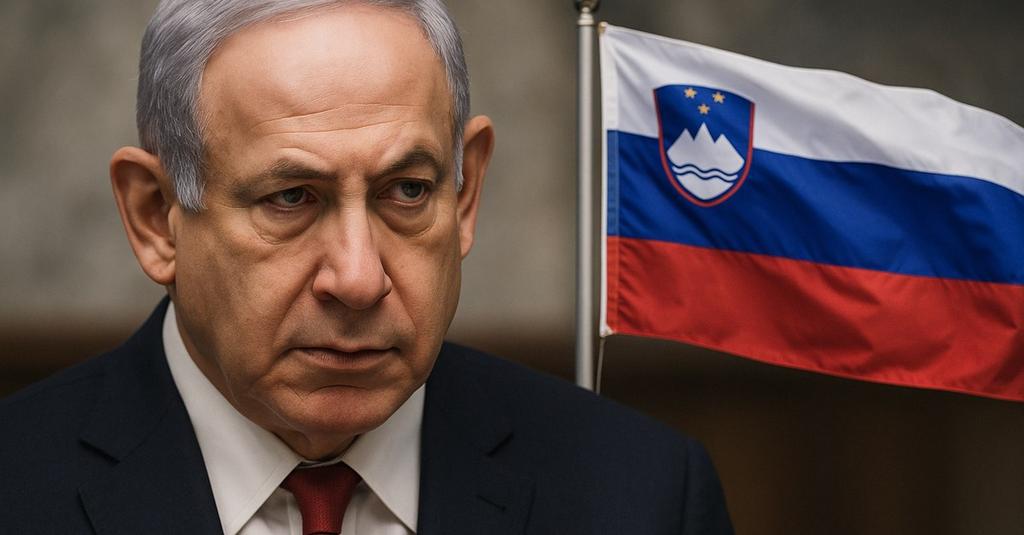
Field Notes
- The Vienna Convention’s persona non grata clause was designed for individual diplomats caught in espionage or misconduct — applying it to a head of government is a creative interpretation that reveals how flexible international law actually is when countries decide to use it
- Slovenia broke free from Yugoslavia in 1991 and has spent just over three decades building itself as an independent state, which makes its willingness to challenge Western consensus all the more unexpected
- The Rome Statute explicitly states that being a head of state provides no immunity from ICC jurisdiction or arrest warrants — no exceptions for president, prime minister, or anyone else
Why This Moment Is Bigger Than One Country’s Decision
The practical effect of Slovenia’s ban? Probably minimal. Netanyahu wasn’t planning a trip to Ljubljana. But what it does is force every other EU nation to answer the same question out loud: what do you actually do when international law conflicts with your alliances? Slovenia answered. Other countries now have to pick.
The silence from some capitals is becoming impossible to ignore.
International law has always been weak on enforcement — warrants are easy to issue, compliance is hard to demand. But this moment adds something: a precedent. A country of 2.1 million people just treated the ICC arrest warrant as real, legally binding, and more important than diplomatic comfort with a Western ally. That’s a choice. And every other country that has signed the Rome Statute just got put on notice that they’ll eventually have to make the same one.
Slovenia moved first. Whether other European nations follow or find ways to hedge around the question will determine whether international law actually means anything when power is involved. That’s the part worth paying attention to. The decision of small countries often rewrites the rules for everyone else.
“
Frequently Asked Questions
Q: What does it mean that Slovenia banned Netanyahu as persona non grata?
In early 2025, Slovenia, a country of 2.1 million people, formally declared Israeli Prime Minister Benjamin Netanyahu persona non grata, meaning he is unwelcome and would be treated as a trespasser if he entered. The phrase comes from the 1961 Vienna Convention on Diplomatic Relations and is normally used against spies or diplomats, almost never a sitting head of an allied state. By banning him outright, Slovenia avoids ever having to choose between arresting him and protecting its alliances.
Q: Why did the ICC issue an arrest warrant against Netanyahu?
The International Criminal Court issued an arrest warrant against Netanyahu on November 21, 2024, alongside one for former Hamas military chief Mohammed Deif, in one of the most consequential decisions in the court’s 23-year history. The warrant created an immediate obligation for the 124 countries that are Rome Statute members, since they legally agreed to arrest and surrender anyone named in an ICC warrant who enters their territory, even a close ally.
Q: How does Slovenia’s small size shape this decision?
With only 2.1 million people, Slovenia operates under different constraints than major powers. Germany and France are too large, too economically entangled, and too central to Western security to take the same step without major ripple effects. For Slovenia, the cost is real, diplomatic discomfort and tension with allies, but survivable. That geopolitical freedom let it move first, raising the uncomfortable question of why principle on international law is being shown by a country of just over two million.
Q: What broader shift does this reflect on recognizing Palestine?
Slovenia’s ban followed a clear trajectory. In May 2024, Slovenia recognized Palestine as a state, as did Ireland, Norway, and Spain within days of each other. Globally, 146 countries now recognize Palestine in some form, up from roughly 75 a decade ago, a major realignment. Slovenia’s move treated the ICC warrant as real and binding, setting a precedent that puts every other Rome Statute signatory on notice that they may eventually face the same choice.
Illustrations are AI-generated. Article fact-checked and human-edited. Our editorial standards.