The Arctic Fox That Laughs at –90°F Winters
Nobody set out to find the most cold-resistant land mammal on Earth. They just kept measuring, and the numbers kept not making sense.
On the frozen tundras of Svalbard and Nunavut, where steel groans and exhaled breath crystallizes before it hits the ground, a small white figure bounces through chest-deep snowdrifts. No shelter. No hibernation. No apparent concern whatsoever. The Arctic fox doesn’t just endure winter — it owns it.
Key Facts
- Arctic fox fur measured up to 3 centimeters deep, with stable skin temperature even when ambient air drops to -60 degrees C
- University of Alaska studies in 2003 confirmed the Arctic fox survives to -70 degrees C without raising its metabolic rate
- Top running speed is around 50 km/h (31 mph) on open sea ice
- Record migration of 4,415 km from Svalbard to Ellesmere Island, Canada, in 76 days
- A single adult can cache up to 3,000 prey items per season across a territory up to 30 square kilometers
In short: The Arctic fox (Vulpes lagopus) is the most cold-tolerant land mammal ever measured, with dense 3 cm fur, furred paw pads, color-changing seasonal coats, and acute hearing for locating lemmings under snow. Confirmed in 2003 by University of Alaska studies, it endures -70 degrees C without raising metabolic rate and migrates thousands of kilometers across the Arctic.
Arctic Fox Survival Secrets Start With Fur
The fur of Vulpes lagopus isn’t just thick. Researchers studying trapped individuals in Canada measured it at up to 3 centimeters deep, and here’s the part that stopped me: skin temperature stayed stable even when ambient air dropped to –60°C. Biologist Andrew Derocher, who has spent decades studying Arctic mammals, describes the insulation as functionally closer to a down duvet than animal fur. So how does something so lightweight trap so much heat?
Density. Arctic fox fur has a coarse outer guard layer and an impossibly fine underfur underneath that locks warm air directly against the skin. It’s the same physics as a vacuum flask — the less air moves, the less heat escapes. The fox’s compact, rounded body shape cuts surface area down even further. The whole animal is basically an engineering solution that evolution stumbled into over about 2.6 million years.
Their Coat Changes Color — And It’s Not Just Camouflage
Most people know Arctic foxes turn white in winter. Fewer realize the color shift is just one part of a complete seasonal wardrobe swap. According to research published in the Arctic fox Wikipedia entry and supported by field studies across Greenland, the summer coat is dramatically thinner — golden-brown and smoky grey — letting the fox disappear against bare lichen-covered rock. The winter coat isn’t just warmer. It’s a completely different structure, grown from scratch each year.
Two full coat replacements every year, timed almost perfectly to the tundra’s mood swings.
The transition happens fast. Within weeks, a fox that looked like a shadow on stone becomes a ghost in the snow. There’s time-lapse footage of it online. Watch it once and you’ll understand why early explorers reached for supernatural explanations.
How Arctic Foxes Hunt When Everything Is Frozen
When the tundra locks up in winter, lemmings don’t vanish — they tunnel. They build entire highways beneath the snowpack, insulated from the worst of the cold, nibbling on roots and moving in the dark. The fox can’t see them. But it can hear them. Those round, satellite-dish ears can detect the scratching of a single lemming through nearly a meter of compacted snow. The fox then leaps straight up and plunges face-first into the drift.
It works more often than you’d expect.
And when hunting fails, they follow polar bears. Literally. Arctic foxes trail bears across the sea ice for kilometers, waiting for a kill, then darting in to snatch scraps from abandoned carcasses. It’s a dangerous freelance arrangement — risky, unglamorous, and apparently very effective. You can find more extraordinary examples of animal adaptation over at this-amazing-world.com.
Their Paws Are Basically Built-In Snowshoes
The fox’s paws are furred all the way down to the toe pads. That’s not a detail — it’s the only canid in the world with that feature. It does two things: gives traction on glassy sea ice that would send any other animal sliding, and muffles sound, letting the fox stalk across frozen ground without a single audible footfall.
Think about that combination for a second. A predator hunting by sound. Moving in silence. Under feet of snow. In complete darkness for months at a time. That last fact kept me reading for another hour — because evolution didn’t just solve one problem here, it solved four simultaneously, in the same paw.
Early Norse explorers had a different explanation for what they saw darting across the ice in the dark.
They thought they were spirits.
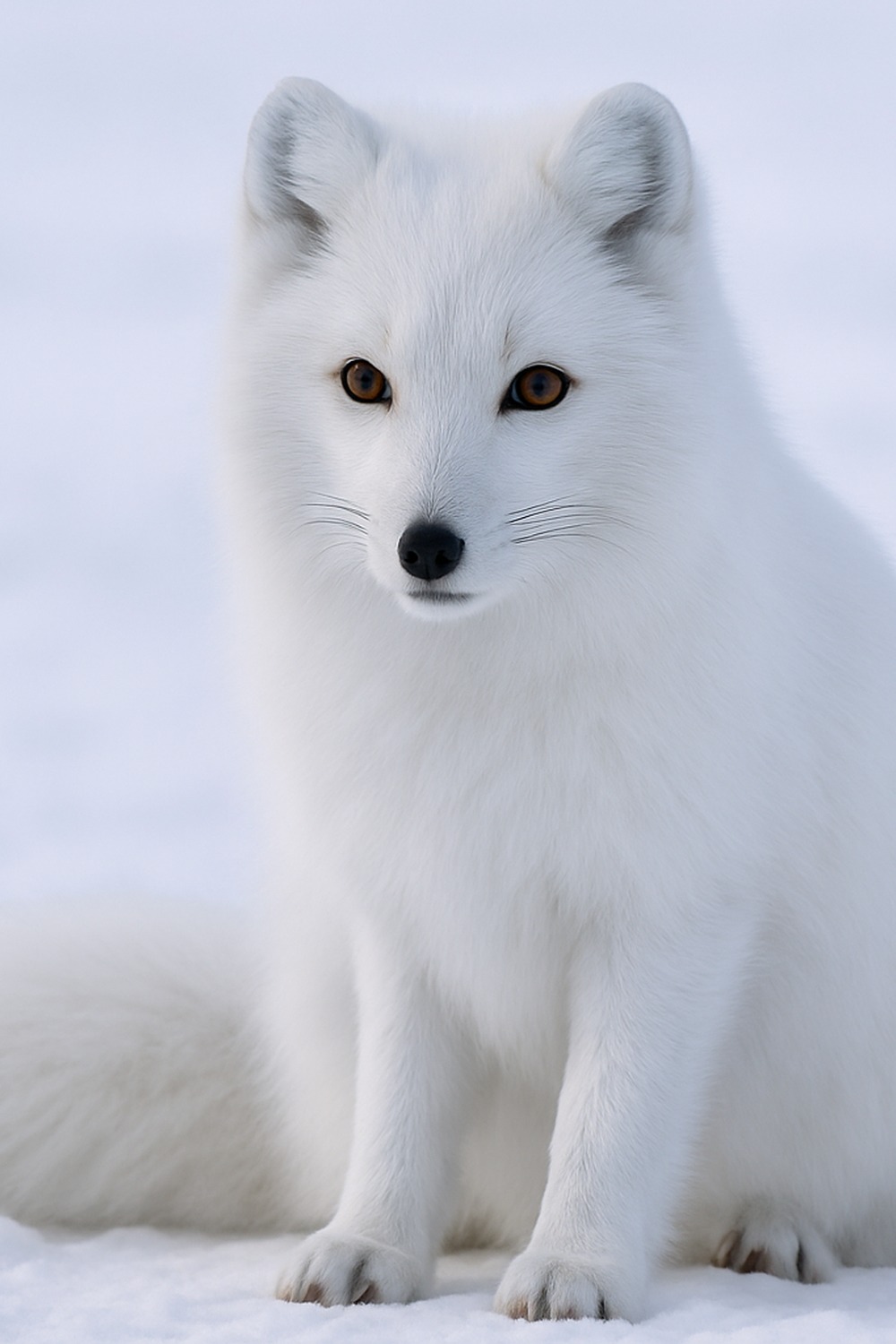
The Norse Called Them Sky Spirits — Here’s Why
The Arctic fox’s connection to Norse mythology runs deeper than most people realize. Early Scandinavian explorers reported seeing white figures streaking across the frozen tundra at night, moving impossibly fast, their fur catching the auroras above. The Finnish word for the northern lights is Revontulet — literally “fox fires” — rooted in an old belief that a great cosmic fox sprinted across the sky, its tail brushing sparks into the atmosphere. The science is obviously different. But watching a white fox sprint through aurora-lit snow at 3 AM, you understand completely why someone reached for that story.
The fox’s actual top speed is around 50 km/h (31 mph), which on open sea ice with no obstacles looks genuinely unearthly. They also travel extraordinary distances — satellite-tagged individuals have been tracked crossing more than 4,000 kilometers in a single season. One fox tagged in Norway turned up in Canada. The Arctic doesn’t limit them. It’s their highway.
By the Numbers
- Survives to –70°C (–94°F) without raising metabolic rate — confirmed by University of Alaska studies in 2003, making it the most cold-tolerant land mammal ever measured.
- A single adult fox can cache up to 3,000 prey items per season — lemmings, eggs, birds — buried across a territory spanning up to 30 square kilometers, then relocated months later under meters of snow using spatial memory rather than scent.
- Record migration: 4,415 km from Svalbard to Ellesmere Island, Canada, in 76 days.
- In a good lemming year, one vixen can raise up to 25 pups across multiple litters. In a lean year, that drops to 5 or 6. The fox’s entire reproductive strategy is essentially a bet on rodent population cycles.
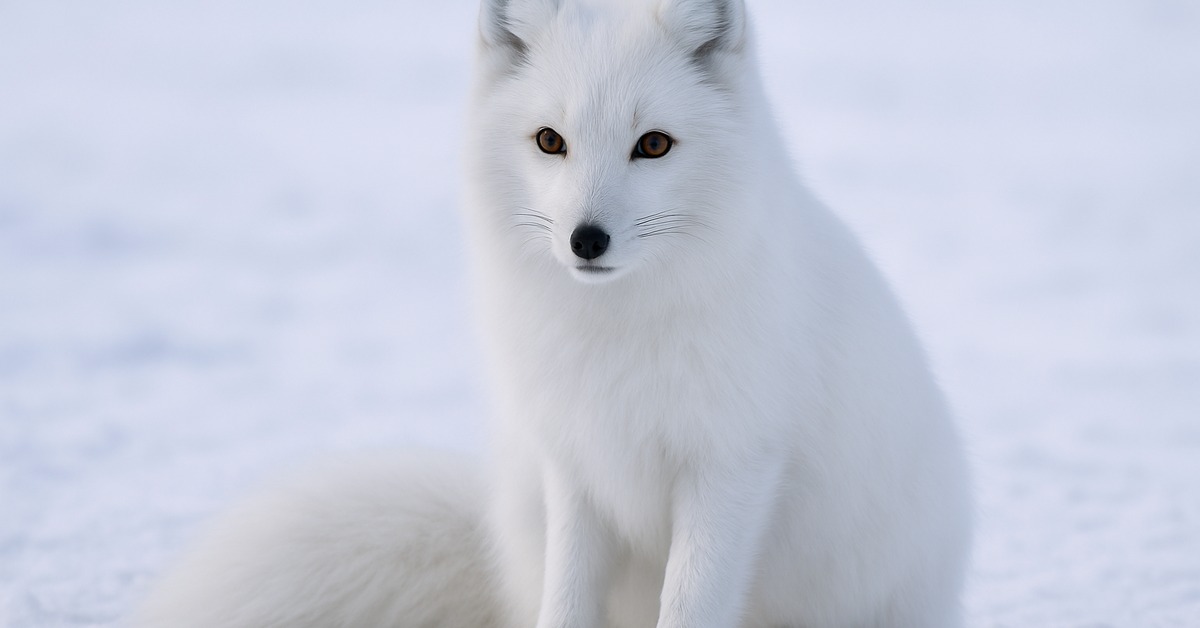
Field Notes
- The food-caching behavior is more sophisticated than it sounds. Arctic foxes bury thousands of prey items during summer abundance, then use spatial memory — not scent — to find them under meters of snow months later. Field studies tracking retrieval accuracy found the success rate genuinely surprising.
- Biggest current threat: red foxes moving north as temperatures rise.
- Red foxes are larger, outcompete Arctic foxes for territory, and in Scandinavia have pushed Arctic fox populations to the edge of local extinction in some regions. The Arctic fox survived ice ages. It’s losing ground to a warmer, milder world.
- Some Arctic fox dens have been in continuous use for over 300 years — confirmed by radiocarbon dating of den soil in Norway. Generations of foxes expanding the same tunnels. Hundreds of entrances. Several meters underground. Structures that outlasted entire human civilizations.
Why Arctic Fox Survival Matters Right Now
These animals have spent thousands of years precisely calibrated to deep cold and sea ice. As the Arctic warms at roughly four times the global average rate, that calibration is being stress-tested in real time. The snowpack timing shifts. The lemming cycles destabilize. The sea ice retreats earlier. The red fox moves north. Every pressure arrives at once, and the Arctic fox is caught in the middle of all of them.
Scientists now use Arctic fox population health as a proxy for ecosystem stability across the entire circumpolar north. When the fox thrives, the tundra food web is intact. When it doesn’t, something fundamental has shifted.
This tiny animal is a canary in the coldest coal mine on Earth.
The Arctic fox has outrun extinction, predators, and temperatures that would kill a human in minutes — all without complaint, and often while looking almost absurdly cheerful about it. Life finds a way into the harshest corners of this planet, usually in forms too small and too fast to notice. If this kind of story keeps you up at night, there’s more at this-amazing-world.com — and the next one is even stranger.
Frequently Asked Questions
Q: How cold can an Arctic fox actually survive?
According to University of Alaska studies in 2003, the Arctic fox can survive temperatures down to -70 degrees C (-94 degrees F) without raising its metabolic rate, making it the most cold-tolerant land mammal ever measured. Field measurements on trapped individuals in Canada showed its skin temperature stayed stable even when surrounding air dropped to -60 degrees C. Its fur reaches up to 3 centimeters deep, with a coarse outer guard layer and very fine underfur that locks warm air directly against the skin.
Q: How do Arctic foxes find food buried under deep snow?
Arctic foxes hunt mainly by sound. Their large, satellite-dish ears can detect a single lemming scratching through nearly a meter of compacted snow as the rodents tunnel through insulated highways beneath the surface. Once the fox pinpoints the noise, it leaps straight up and plunges face-first into the drift to grab the prey. When this hunting method fails, foxes follow polar bears across the sea ice for kilometers and snatch scraps from abandoned carcasses, a risky but effective backup strategy.
Q: Why does the Arctic fox change color between seasons?
Arctic foxes grow two completely different coats each year, timed to the tundra’s seasons. The winter coat is thick, white, and structurally distinct, providing insulation and snow camouflage. The summer coat is dramatically thinner, golden-brown and smoky grey, helping the fox blend with bare lichen-covered rock. The transition between coats happens within weeks. Field studies across Greenland and the Arctic fox Wikipedia entry confirm this is a full seasonal wardrobe swap, not just a color change, supporting both temperature regulation and concealment.
Q: What is the link between Arctic foxes and the northern lights?
The Finnish word for the northern lights is Revontulet, which translates literally as fox fires. It comes from an old Scandinavian belief that a great cosmic fox sprinted across the sky, brushing sparks into the atmosphere with its tail. Early Norse explorers reported seeing white figures streaking across the frozen tundra at night, their fur catching the auroras above, and reached for supernatural explanations. The Arctic fox can reach about 50 km/h on open sea ice, which on flat terrain looks genuinely unearthly.
Illustrations are AI-generated. Article fact-checked and human-edited. Our editorial standards.