7 Best Friends Bought a Villa Together to Grow Old
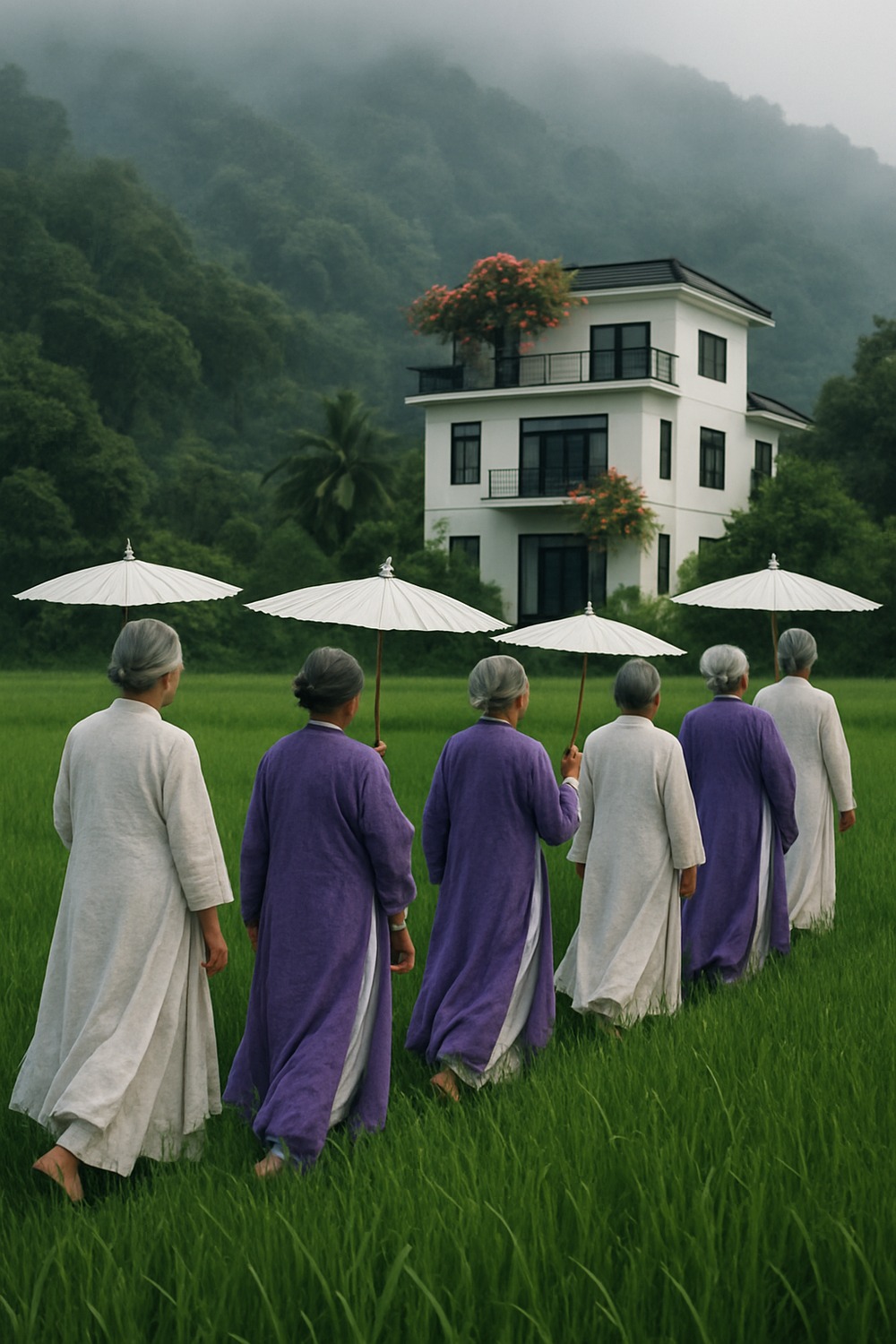
Nobody planned for it to become a movement. Seven women in their sixties just looked at each other one day and decided they’d rather grow old together than apart — and then they actually did something about it.
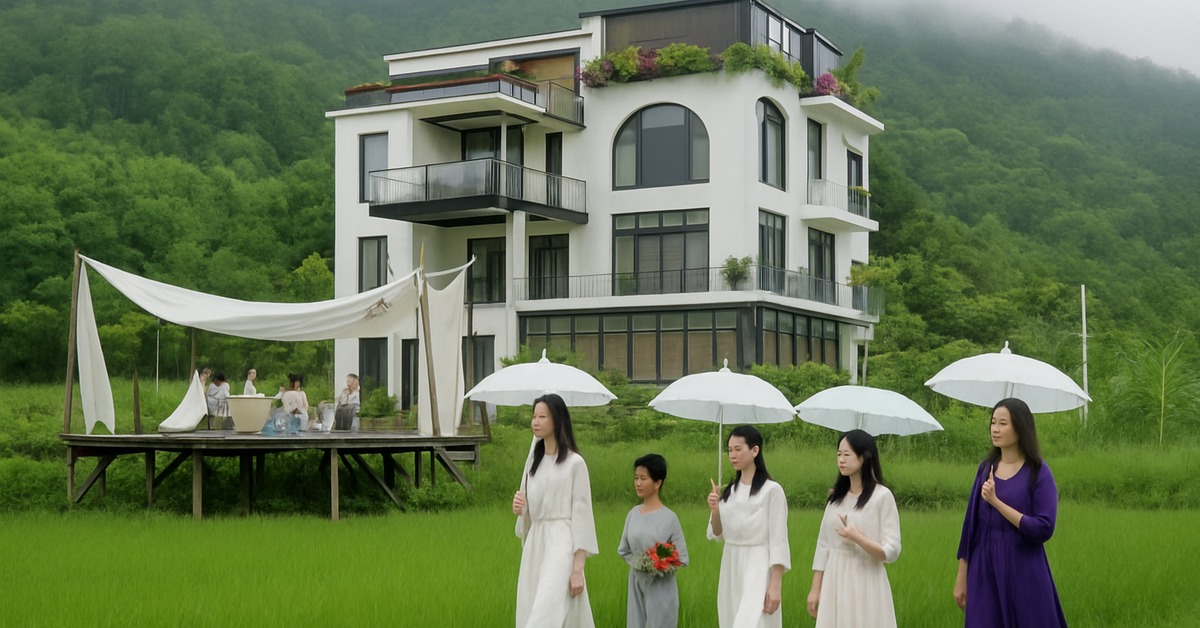
On the outskirts of Guangzhou, there’s a three-story villa that doesn’t feel like a retirement plan. It feels like a life still in progress. Seven lifelong friends pooled nearly 4 million yuan, found the right walls, and moved in. The nights run late. Someone’s always brewing something. A card game started after midnight last Tuesday and nobody seems particularly sorry about it.
Why Friends Growing Old Together Is an Ancient Idea
Here’s what’s strange about this story: it isn’t new. Not even slightly. Scholars of Chinese social history have traced informal companionship pacts back centuries — particularly among women in rural Guangdong, where 19th-century “sisterhoods” were documented as organized, intentional communities of women who chose to live collectively rather than inside the traditional family structure. They weren’t outliers. They were making a calculation.
So when these seven women sat down and made their plan, they weren’t inventing something. They were remembering it.
Which raises the obvious question: if this idea is that old, why does it still feel radical?
They Pooled Their Money and Built a World
Nearly 4 million yuan. In Guangzhou’s central districts, that’s one apartment. Four walls, one family, a balcony if you’re lucky. These women bought a villa instead — three stories, a real garden, enough room that seven people can share a life without losing themselves inside it. The walls carry carvings sourced from craftsmen in India. The garden grows herbs that have since become a small, informal practice in traditional medicine. And each woman has her own bedroom, painted in her chosen color, lined with books she’s accumulated across decades.
Each room is hers. The house belongs to all of them.
That balance — private space held inside a shared life — is genuinely difficult to design. These women appear to have gotten it right without a blueprint. Stories like this one, from corners of the world most of us forget to look toward, are exactly what this-amazing-world.com has been quietly collecting for years.
Friends Growing Old Together in a Rapidly Aging China
By 2030, more than a quarter of China’s population will be over 60. That’s not a statistic that’s easy to picture — hundreds of millions of people, all facing the same question at roughly the same time: who do I grow old with? Most of them don’t have an answer as clean as seven women who already knew.
The default options aren’t inspiring. Live with family — if family is available and willing. Live alone. Or enter one of the formal care facilities that currently house about 3% of China’s elderly population, a number that tells you something about how those facilities are regarded. None of these options begins with the question of what a person actually wants.
A third option exists. It just doesn’t have a name yet.
What These Women Actually Do Inside That Villa
It is not a quiet house. One woman spent years meaning to learn a traditional instrument — she’s learning it now, slowly, loudly, at whatever hour she feels like it. Another has become something close to an expert in rare teas, sourcing leaves with the same focused energy she probably once directed somewhere less interesting. Others trade cooking techniques back and forth like currency, tend the garden with genuine seriousness, and have collectively made themselves worth visiting. The surrounding village comes to them now. They teach. They consult. They tell stories to people who arrive specifically to hear them.
That last detail kept me reading for another hour — the idea that deliberately building this kind of life made them more connected to the world outside it, not less.
The villa started as a plan for seven. It became something the neighborhood uses.
By the Numbers
- 400 million people in China will be over 60 by 2030 — more than the entire current US population (UN World Population Ageing Report, 2023).
- Only about 3% of China’s elderly currently live in formal care facilities. The rest depend on family or manage alone — two arrangements that don’t always work, and that nobody asks people whether they actually want (China National Committee on Ageing, 2022).
- Each woman’s share: less than a one-bedroom in central Guangzhou.
- Stanford’s Center on Longevity found that strong social bonds can reduce early mortality risk by up to 50%. Which reframes “choosing your companions wisely” from a soft life advice cliché into something that looks more like a medical decision.
Field Notes
- The historical precedent runs deep in Guangdong specifically. 19th-century women’s sisterhoods here weren’t informal arrangements — they were documented, organized, and in some cases formalized with vows. Some historians regard them as among the earliest recorded examples of intentional communal living by women in Chinese history.
- The herb garden.
- It started as a raised bed and a seed packet. At least one of the women has since become knowledgeable enough that neighbors consult her informally on traditional remedies. An accidental second career, arrived at sideways through dirt and patience.
- The midnight card games keep appearing in every account. No one plans them. They just happen, because the table is there and so are the people, and nobody’s made a rule about when things have to stop.
What This Story Is Really Telling Us
Loneliness has been classified as a public health crisis in multiple countries. Researchers use words like “epidemic.” There are task forces, policy papers, entire government departments now dedicated to the problem of people aging without connection. It’s treated as something that happened to us, structurally, a side effect of modern life that needs to be managed from the outside.
These seven women didn’t wait for management. They asked each other what they wanted. Then they went and bought the house.
Friendship as load-bearing architecture. It sounds like a line someone stitches onto a pillow. But these women built something real with it — a structure for their lives that’s outlasted most of the things we’re told to invest in. And it’s replicable. It doesn’t require a government program or a think tank report. It requires knowing who you want to be in a room with when it gets late.
That’s a low bar. Most of us already know the answer.
There’s a wide wooden table at the center of this story. Tea going cold because the conversation got interesting. Seven women who didn’t wait for life to arrange itself into something bearable — they arranged it themselves, deliberately, with full knowledge of what they were doing. The midnight card games are the detail that won’t leave me alone. Joy doesn’t require a plan. It just needs people willing to stay up a little past when they should. More stories that feel like this one are at this-amazing-world.com — and some of them are stranger than this.