Can Two Kiwis Before Bed Help You Sleep Better?
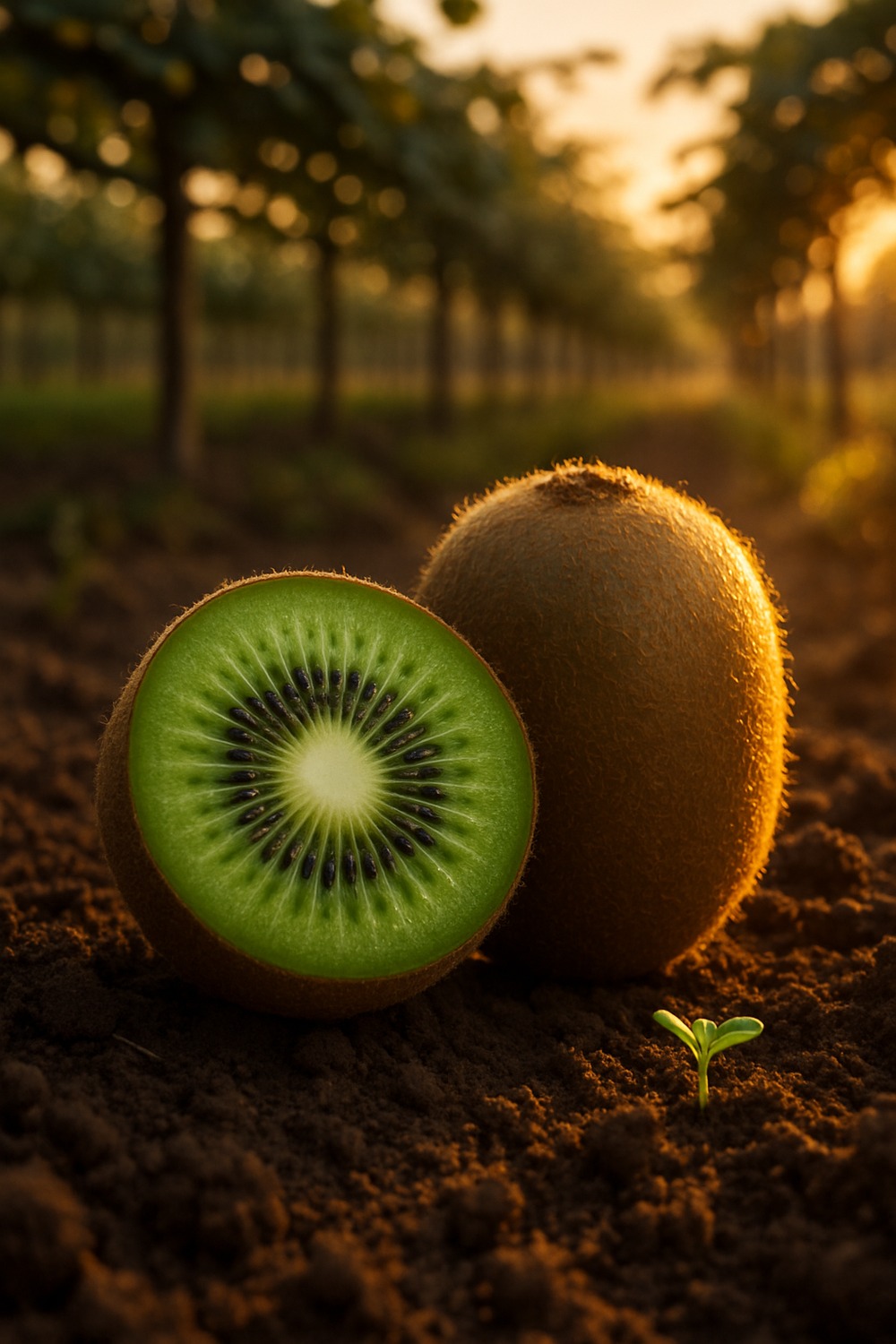
Kiwi fruit before bed sounds like the kind of advice your grandmother might offer while pressing something small and brown-furred into your hand — and here’s the thing: she might have been onto something. Research out of Taipei Medical University found that eating two kiwis about an hour before sleep, night after night for four weeks, helped chronic poor sleepers fall asleep roughly 35 percent faster. Not a supplement. Not a prescription. A fruit you can buy for under two dollars, eaten in the dark before you brush your teeth.
Key Facts
- A Taipei Medical University study found participants fell asleep roughly 35% faster after eating kiwi nightly
- The research protocol used 2 kiwis consumed about 1 hour before bedtime
- The trial ran for 4 weeks before significant effects were recorded
- Each kiwi contains approximately 85 mg of vitamin C, exceeding the recommended daily intake
- Taipei Medical University published its landmark kiwi-sleep trial in 2011
In short: Eating kiwi fruit before bed may help chronic poor sleepers fall asleep faster, according to a Taipei Medical University trial where two kiwis eaten an hour before sleep cut sleep-onset time by about 35% over four weeks. Researchers credit the fruit’s serotonin, folate, and antioxidant content, though the exact mechanism remains unconfirmed.
The Science Behind the Snooze
Researchers at Taipei Medical University enrolled adults with chronic sleep difficulties and had them consume two kiwis nightly — one hour before bedtime — over a four-week stretch. Participants slept longer overall, reported significantly better sleep quality, and fell asleep faster than before. What makes kiwi particularly interesting to sleep scientists is its unusually rich concentration of serotonin, a neurotransmitter that plays a central role in regulating the body’s internal clock and transitions between wakefulness and sleep.
Unlike some foods that contain only serotonin precursors requiring metabolic conversion, kiwi appears to deliver biologically active compounds the body can work with more directly during the evening hours. The fruit’s antioxidant profile adds another layer to the story. Kiwi is extraordinarily dense in vitamin C and vitamin E, alongside carotenoids and flavonoids that collectively combat oxidative stress throughout the body.
Why does this matter? Because oxidative stress — the cellular damage caused by free radicals — is closely linked to disrupted sleep architecture and difficulty staying in the deep, restorative stages that actually do the work. When antioxidants neutralize those molecules in the evening, the body can redirect its overnight resources toward repair rather than damage control. The result, researchers believe, is not simply more hours of sleep, but measurably higher-quality sleep, with longer stretches in deep and REM stages where the brain consolidates memory and tissue actually heals.
Serotonin, Folate, and the Body’s Evening Chemistry
Serotonin is perhaps best known as a daytime mood regulator, but it serves a critical dual role: it’s the direct precursor to melatonin, the hormone responsible for signaling to your brain that darkness has arrived and sleep should follow. Kiwi contains meaningful quantities of serotonin alongside folate — a B-vitamin that supports the synthesis and regulation of neurotransmitters involved in mood and nervous system function (researchers actually call this the folate-serotonin pathway, and the name earns its weight). Low folate levels have been independently linked to insomnia and restless sleep. That combination — serotonin and folate working together — appears to gently prime the brain’s sleep-regulation pathways in the hours before bed, nudging the neurochemistry toward smooth, natural sleep onset rather than the frustrated cycling that insomniacs know intimately.
Beyond those two compounds, kiwi contains potassium, which plays a role in muscle relaxation and reducing the nighttime leg cramps that interrupt sleep for older adults and athletes alike. Nutritionists emphasize that timing matters considerably here. The fruit also provides a modest amount of natural sugars that prevent the mild hypoglycemia some people experience overnight — a physiological trigger that can wake the body prematurely in search of fuel. Eating the two kiwis roughly 45 minutes to an hour before bed allows enough time for metabolic processing without the digestive burden of a heavier snack, which can itself interfere with sleep by elevating core body temperature and demanding gastrointestinal activity during hours meant for stillness.
What Remains Uncertain
Despite the encouraging data, sleep scientists are careful about claiming they’ve fully mapped the mechanism. It remains unclear whether the serotonin in kiwi crosses the blood-brain barrier efficiently enough to directly influence melatonin synthesis — or whether the effect runs through gut microbiome interactions, systemic antioxidant reductions, or some combination of pathways not yet charted. Human nutritional research is inherently messy: studies tend to be small, self-reported outcomes carry subjective bias, and isolating a single food’s effect within someone’s actual diet is a genuine methodological challenge.
The folate hypothesis is plausible but needs larger, more rigorously controlled trials to confirm. And nobody yet knows whether the benefits diminish over time with nightly consumption, or whether certain individuals — based on genetics, gut health, or baseline nutrient status — respond dramatically better than others to this particular ritual.
The honest answer is that the science is still accumulating. But the signal is consistent enough that dismissing it outright would be the wrong move.
A Simple Habit Worth Trying
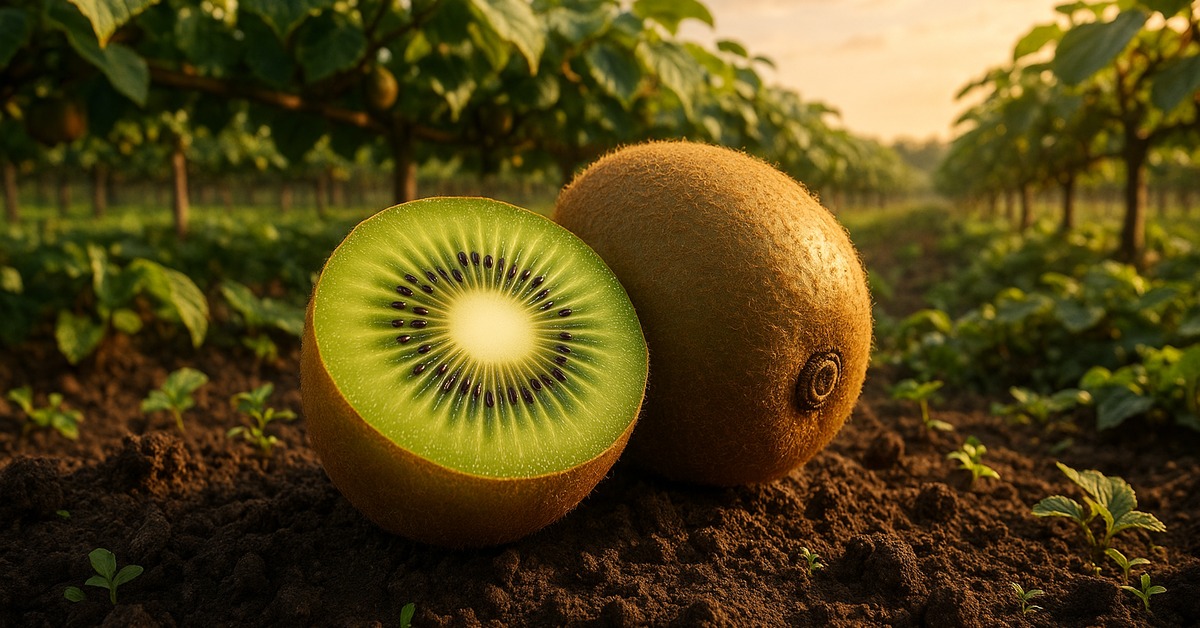
And yet the appeal here isn’t just the data — it’s the absurd simplicity of the intervention. Two kiwis. A spoon. No label to squint at, no dosage to second-guess.
Unlike melatonin supplements — which vary wildly in dosage and quality between brands, and which some researchers warn may suppress the body’s own melatonin production over time — kiwis are whole foods with a broad, synergistic nutrient profile that supports general health well beyond sleep. They’re available year-round, inexpensive, low in calories, and require no preparation more involved than halving them. For people already wary of pharmaceutical sleep aids, with their dependency risks, morning grogginess, and long side-effect lists, a fruit-based intervention is refreshingly low-stakes. Doctors and registered dietitians generally consider nightly kiwi consumption safe for most adults — with the notable exception of those managing kidney disease, for whom the potassium content warrants a conversation with a professional before significantly increasing intake.
How It Unfolded
- Early 2000s — Researchers begin cataloguing serotonin content in whole foods; kiwi registers unusually high for a fruit.
- 2011 — Taipei Medical University publishes its landmark trial linking nightly kiwi consumption to measurable sleep improvements in adults with self-reported insomnia.
- 2017–2019 — Follow-up nutritional studies deepen understanding of the folate-serotonin-melatonin pathway, lending biological plausibility to the earlier findings.
- 2024–2026 — Sleep nutrition becomes a recognized subcategory in dietary research; kiwi appears consistently among the most-studied functional foods for sleep quality.
By the Numbers
- 35% — reduction in time to fall asleep observed in the Taipei Medical University study
- 2 — number of kiwis consumed nightly in the research protocol
- 4 weeks — duration of the trial before significant effects were recorded
- 1 hour — optimal window before bed for consuming the fruit, based on study protocol
- ~85 mg — vitamin C per kiwi, exceeding the recommended daily intake in a single piece of fruit
Field Notes
- Both green and gold kiwi varieties contain serotonin, though concentrations vary slightly by cultivar and ripeness
- Kiwi skin is edible and contains additional fiber and antioxidants — some nutritionists recommend eating it whole
- The fruit pairs well with warm herbal tea as part of a wind-down routine, without negating its sleep-adjacent compounds
- People with latex allergies occasionally cross-react to kiwi — worth checking before making it a nightly habit
- Frozen kiwi retains most of its nutritional profile, making it a practical off-season option
Frequently Asked Questions
- Does it have to be exactly two kiwis? The Taipei study used two as its protocol, but no research suggests one would be useless — two simply reflects what was tested. Start there.
- How soon might I notice a difference? Participants in the study reported changes within the four-week window, though anecdotal accounts suggest some people notice shifts in the first week.
- Can I eat them earlier in the evening? The closer to bedtime (within the one-hour window), the more relevant the timing. Eating kiwi at dinner likely won’t replicate the effect.
- Are kiwi supplements a valid substitute? No supplement currently replicates the full matrix of compounds found in whole kiwi fruit. The synergy between serotonin, folate, antioxidants, and potassium appears to be part of what makes the whole fruit work.
- Is this safe alongside sleep medications? Kiwi is food, not a drug — but anyone taking medications that affect serotonin levels should mention this to their doctor, as a precaution.
Editor’s Take — Alex Morgan
What stays with me about the kiwi research isn’t the 35 percent figure — it’s how thoroughly unremarkable the intervention is. I’ve spent time tracking wellness trends that demand expensive powders, precise fasting windows, expensive devices. This asks nothing except that you eat a piece of fruit in a dim kitchen before bed. The mechanistic questions are real and unresolved, but the signal from the Taipei trial is too consistent to shrug at. Sometimes the least dramatic answer turns out to be the one that actually works — and the sleep crisis is too widespread to keep waiting for something more complicated to save us.
The next time restless hours stretch out before you and sleep feels frustratingly out of reach, consider bypassing the medicine cabinet and heading to the kitchen instead. Two small kiwis, eaten in the dim light of an evening winding down, represent one of nature’s more elegant and evidence-supported nudges toward the rest your body is genuinely asking for. The science is still accumulating, the mechanisms still being mapped — but the early signals are promising, and the worst-case outcome of trying this nightly ritual is simply enjoying a delicious, nutritious snack. In a world saturated with complicated wellness advice, there is something deeply satisfying about a solution this uncomplicated.
Illustrations are AI-generated. Article fact-checked and human-edited. Our editorial standards.