The Day Japan’s Last Fur Farm Went Silent Forever
Japan’s fur farming industry didn’t end with protests or petitions. It just… stopped. Quietly. By 2016, the last mink farm had closed, and almost nobody noticed it happening.
The weird part? There was no final shipment, no news cycle, no dramatic moment where animal welfare activists declared victory. A farm that had operated for decades simply went silent. Wire cages rusted. Water troughs emptied. And an entire industry that once felt as permanent as agriculture itself just vanished from the conversation. What actually happened, and why does it matter that it happened without anybody really watching?
Key Facts
- Japan’s last mink farm closed by 2016, ending the country’s fur farming industry quietly with no final shipment or news cycle
- Japan operated 50-plus commercial mink farms at its 1980s peak, feeding domestic luxury and international markets
- The UK became the first country to ban fur farming outright in 2000 with its Fur Farming (Prohibition) Act, a full 16 years before Japan’s last farm closed
- Denmark, the world’s largest mink producer, culled approximately 17 million mink in 2020 during the COVID-19 pandemic
- The global fur farming industry still produces roughly 50 to 60 million mink pelts annually in recent years, mostly from Scandinavian farms
In short: Japan fur farming ended quietly by 2016 when the last mink farm closed without protests, petitions, or a news cycle. After peaking at 50-plus farms in the 1980s, the industry faded through accumulated consumer choices rather than legislation, joining a global realignment that the UK started by banning fur farming in 2000.
How an Industry Dies Quietly
Japan’s fur farming sector peaked in the 1980s. Around 50+ commercial mink farms were operating at that point, feeding both domestic luxury markets and international traders who couldn’t get enough pelts. The whole thing followed a familiar postwar trajectory: explosive growth, plateau, then a long slow fade. But here’s where it gets interesting — Japan’s collapse didn’t look like other countries’ collapses. There was no big legislative moment. No famous lawsuit. Just consumer choices accumulating until the math stopped working for individual farmers.
Researcher Clare Bass from Humane Society International documented how fur farming records show the gradual erosion of Asian markets as Western demand softened first. But Japan’s specific story is still weirdly understudied.
The shift started small.
Younger shoppers began asking uncomfortable questions about supply chains. Retailers started listening because, well, customer money talks. One farm at a time, the economics stopped making sense.
The Pressure Nobody Really Talked About
Public opinion in Japan changed the way water erodes stone — invisible until suddenly it’s impossible to ignore. Animal welfare campaigns that would’ve been laughed off in the 1990s found real traction in the 2010s, partly because social media made invisible supply chains impossible to ignore. You couldn’t scroll past mink farm photos anymore. They were just… there. Suddenly visible. That last fact kept me reading for another hour.
Major Japanese retailers started distancing themselves from fur products.
Without domestic buyers, the farms couldn’t survive on export revenue alone. The collapse wasn’t dramatic. It was just arithmetic. The price of operation versus the revenue coming in. One side winning.
What strikes you when you dig into the actual timeline is how ordinary it all felt. People living through it didn’t experience it as a moment. They experienced it as a slow choice their society was making — first in whispers, then in actual policy, then in empty storefronts and closed facilities. The kind of ending that feels inevitable only in retrospect.
Japan Wasn’t Pioneering This. It Was Following.
The UK banned fur farming in 2000 with its Fur Farming (Prohibition) Act, driven by sustained advocacy from the Farm Animal Welfare Council. Sixteen years passed. Austria phased theirs out in 2004. Then the Netherlands — once one of Europe’s largest mink producers — got hit with a devastating COVID-19 outbreak on fur farms in 2020. Around 17 million mink were culled. After that, the political will just evaporated. The Netherlands went all-in on closure, completing the full phaseout by 2024 after years of legal battles.
By 2016, when Japan’s last farm closed, the country was joining a genuinely global realignment.
This wasn’t a small player stepping aside. This was one of Asia’s largest economies — a major fashion center — going silent. That meant something.

Why Empty Cages Matter More Than Legislation
Here’s the thing about change that doesn’t announce itself: it’s actually harder to undo. Laws can be repealed. Protest movements can be reframed. But a farm that’s been shuttered, dismantled, its equipment sold off and its land repurposed — you can’t just reverse that decision the way you can reverse a vote.
The most permanent shifts often arrive without ribbon-cutting ceremonies.
That imagery of the abandoned farm — overgrown wire cages, empty water troughs, the particular silence of a place designed for thousands of animals now holding none — carries more weight than any protest photo ever could. It’s the physical evidence of a collective decision. Not one moment. Not one person deciding. But a whole society arriving at a conclusion through accumulated, individual choices.
That kind of change sticks.
By the Numbers
- Japan operated 50+ commercial fur farms at its 1980s peak — nearly all of it gone by the mid-2000s, reaching complete closure by 2016.
- The global fur farming industry still produces roughly 50–60 million mink pelts annually in recent years, though that’s down dramatically from earlier decades. Most of that comes from Scandinavian farms now, not Asia.
- The UK became the first country in the world to ban fur farming outright in 2000 — a full 16 years before Japan’s last farm disappeared without announcement.
- Denmark, the world’s largest mink producer, culled approximately 17 million mink in 2020 during the COVID-19 pandemic. Farm outbreaks raised serious public health questions that shifted the entire conversation beyond animal welfare arguments.
What Actually Changed on the Ground
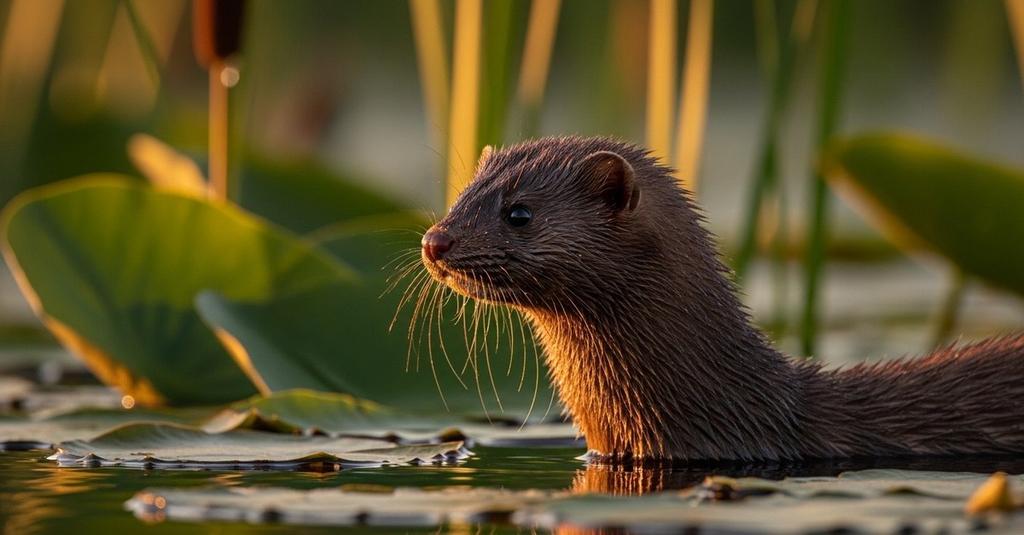
- Mink are semi-aquatic carnivores that naturally roam territories spanning several square miles in the wild — which made wire cage farming obviously destructive to animal behaviorists studying stress responses and stereotypic pacing behaviors.
- Economics killed Japan’s farms as much as ethics did. Global pelt auction prices on markets like Copenhagen Fur and Helsinki’s Saga Furs made small Japanese operations unviable against larger Scandinavian producers that could absorb price swings.
- Japan’s fur industry closure didn’t mean fur disappeared from Japan entirely. Imported fur products remained legal and available in markets. The shift was about domestic production practices, not a complete cultural rejection of fur as a material.
The Quiet Ending as a Template
Japan’s fur farming collapse is really a story about how societies change their minds without noticing they’re doing it. It doesn’t follow the arc we imagine. No hero. No dramatic law-signing moment. Instead it begins with people feeling quietly uncomfortable. Making different shopping choices. Sharing stories that make invisible things visible. Then it ends — years or decades later — with empty buildings and a silence that took enormous collective effort to create, even though no single person can claim credit for it.
That pattern matters right now because there are other industries in exactly that early phase.
Factory farming. Deep-sea mining. Industries that currently seem as permanent and inevitable as Japan’s fur farms once did. The real question isn’t whether those reckonings are coming. It’s how long they take. And whether we notice them while they’re happening.
Progress doesn’t always look like a movement. Sometimes it just looks like a farm nobody talks about anymore, its cages empty, its story almost forgotten — until someone asks why the silence started. Japan’s fur farms are worth paying attention to, not because they’re dramatic, but because they’re a quiet warning about what change actually looks like before it’s finished. There’s more strange, understudied history like this over at this-amazing-world.com — and the next one is even weirder.
Frequently Asked Questions
Q: When did Japan’s fur farming industry end?
Japan’s fur farming industry ended quietly by 2016, when the last mink farm closed. There was no final shipment, no news cycle, and no dramatic moment of activist victory. A farm that had operated for decades simply went silent, with wire cages rusting and water troughs emptying. The collapse was driven by accumulated consumer choices rather than a single legislative act, making it a striking example of how an industry can disappear without anyone really watching.
Q: How large was Japan’s fur farming industry at its peak?
Japan’s fur farming sector peaked in the 1980s with more than 50 commercial mink farms operating, feeding both domestic luxury markets and international traders. The industry followed a familiar postwar trajectory of explosive growth, plateau, and a long slow fade. Nearly all of it was gone by the mid-2000s, reaching complete closure by 2016. Even after domestic production ended, imported fur products remained legal and available in Japanese markets.
Q: Which countries banned fur farming before Japan?
Several countries acted before Japan’s quiet 2016 closure. The UK became the first to ban fur farming outright in 2000 with its Fur Farming (Prohibition) Act, driven by the Farm Animal Welfare Council. Austria phased out its farms in 2004. The Netherlands, once one of Europe’s largest mink producers, accelerated closure after a devastating COVID-19 outbreak in 2020 led to around 17 million mink being culled, completing its full phaseout by 2024 after years of legal battles.
Q: Why did Japan’s fur farms close without legislation?
Japan’s farms closed mainly through economics and shifting public opinion rather than a ban. Public sentiment changed gradually, and social media in the 2010s made invisible supply chains visible, giving animal welfare campaigns real traction. Major Japanese retailers distanced themselves from fur, and without domestic buyers, farms could not survive on export revenue alone. Global pelt auction prices also made small Japanese operations unviable against larger Scandinavian producers who could absorb price swings.
Illustrations are AI-generated. Article fact-checked and human-edited. Our editorial standards.