Italy Now Lets Dogs Fly in the Cabin — Here’s Why It Matters
Italy just changed its aviation rules so dogs can actually sit in the cabin during flights — not trapped in cargo holds, but next to their owners at cruising altitude. And here’s what’s wild: this is the first time any European country has done it, which means the rest of the continent is scrambling to figure out what happens next.
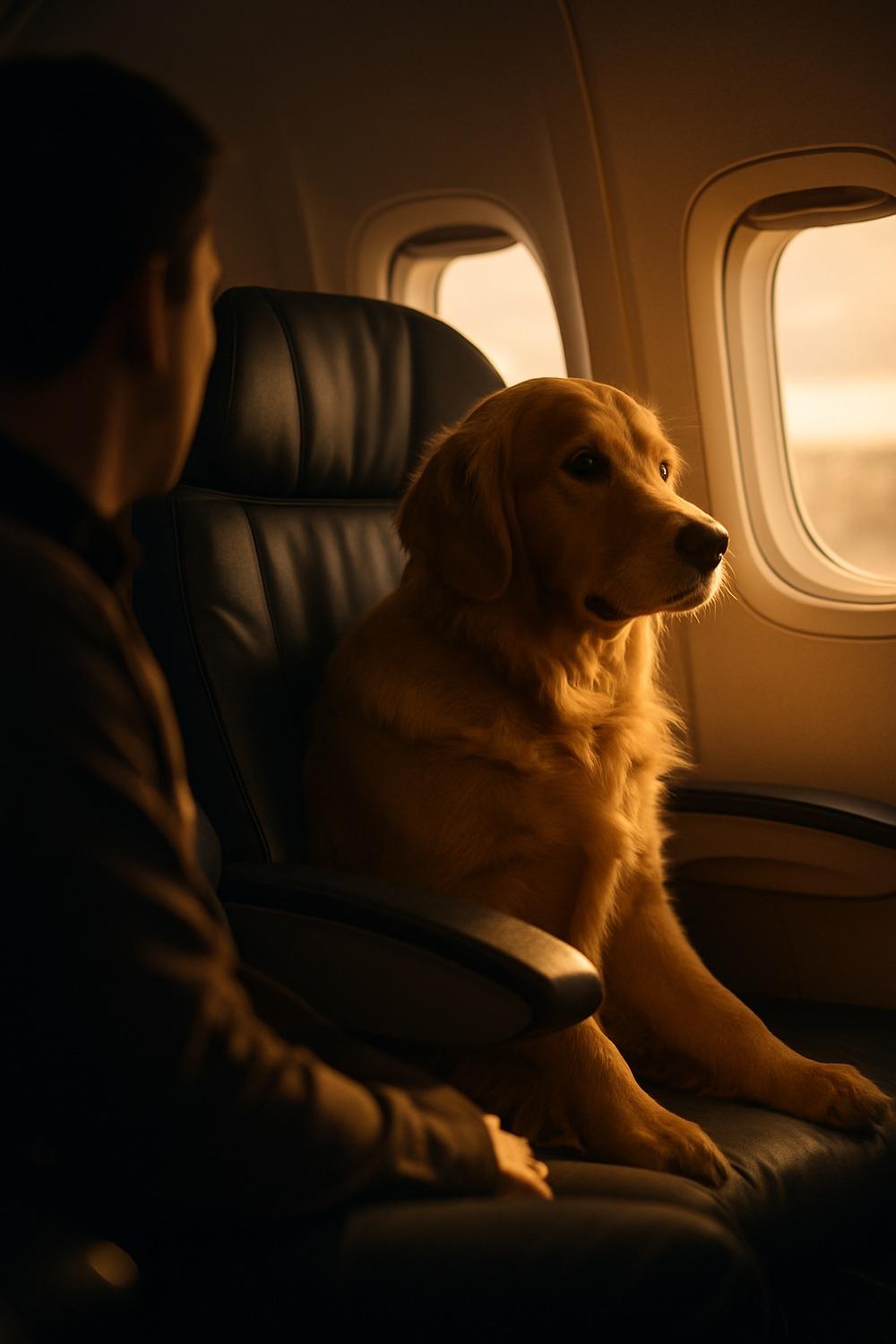
A dog just got a real seat on an Italian flight. Not wedged under a seat in some carrier the size of a shoebox. Not in the dark, freezing cargo hold surrounded by luggage and the muffled roar of engines. Actually in the cabin. Italy quietly rewrote its aviation rules in 2024 — and the rest of Europe is trying to decide whether to panic or copy them.
Key Facts
- Italy updated its aviation regulations in 2024 to formally permit dogs to travel in-cabin on domestic and short-haul international flights operated by Italian carriers, a first for any European country.
- The largest dog permitted under Italy’s new rules weighs 10 kg including the carrier, roughly a Cocker Spaniel or small French Bulldog.
- In 2023, the U.S. Department of Transportation recorded 174 animal incidents during air transport, the majority involving cargo-hold transport.
- A 2022 European Pet Food Industry Federation survey found 65 percent of European pet owners consider their animals full family members, up from 48 percent a decade earlier.
- Pet ownership surged 11 percent in Italy between 2020 and 2023, and ITA Airways began adapting its policies almost immediately.
In short: Italy dogs fly in cabin now rather than in the cargo hold, after the country became the first in Europe to rewrite its aviation rules in 2024. Permitting dogs up to 10 kg, the law cites research showing cargo transport spikes stress hormones. France and Germany are reportedly reviewing similar legislation as ITA Airways adapts its policies.
Why This Actually Changes Things
Italy’s updated aviation regulations formally permit dogs to travel in-cabin on domestic and short-haul international flights operated by Italian carriers. This isn’t some airline getting creative with loopholes. It’s law. Animal welfare researcher Dr. Isabella Merlo at the University of Bologna spent years documenting what actually happens to dogs during air travel, and the data is unsettling — cortisol levels (that’s the stress hormone) in cargo-transported dogs spike to levels you’d see in acute fear responses. Complete panic mode.
So why did it take until 2024 for anyone to notice this was a problem?
Bureaucracy. Airline lobbying. The glacial speed at which governments decide animals deserve legal protection.
But something shifted post-pandemic.
The Cargo Hold Problem Nobody Wanted to Admit
Here’s what airlines keep quiet: cargo holds aren’t temperature-regulated like the cabin is. They’re pressurized, technically, but inconsistently monitored and often wildly unpredictable. The American Veterinary Medical Association has documented dozens of in-flight animal deaths annually. Most of them happen in cargo.
Think about what this actually means for your dog.
You hand them to a stranger. You disappear. They go into darkness. The noise is deafening. They can’t see you, can’t smell you, can’t hear your voice. For a social animal that’s spent every single day bonded to one person, that’s not just inconvenient. That’s a trauma response waiting to happen. This kept me reading for another hour — the behavioral neuroscience of separation anxiety in aircraft specifically was somehow worse than I expected.
For years, the standard response from carriers was: that’s just how it works.
Italy said no.
What the Research Actually Shows
The evidence has been stacking up for decades. Heart rate variability studies. Salivary cortisol measurements. Behavioral indicators. Every single metric shows the same thing: dogs in cargo suffer significantly higher stress than dogs near their owners. When a dog can see or hear or smell their human, those stress markers drop measurably, consistently, every time. This isn’t sentiment. It’s peer-reviewed science. Italy’s lawmakers cited exactly this kind of evidence when drafting the new rules.
- Dogs experience “owner proximity buffering” — measurable decrease in heart rate and stress hormones just by being physically close to their person.
- A 2022 survey by the European Pet Food Industry Federation found that 65% of European pet owners consider their animals “full family members” — up from 48% just a decade earlier.
- Pet ownership surged 11% in Italy alone between 2020 and 2023.
- In 2023, the U.S. Department of Transportation recorded 174 animal incidents during air transport — injuries, deaths, losses — with the majority involving cargo-hold transport.
- Most people don’t realize small dogs already travel in-cabin on U.S. domestic routes, but in under-seat carriers only, with no formal seat allowance and weight limits that exclude most medium-sized breeds.
The timing of Italy’s decision wasn’t random. Post-pandemic pet adoption rates were off the charts. Millions of people who got dogs during lockdowns now travel with them — or want to. The demand existed. The data existed. What was missing was someone willing to actually do it.
How Airlines Are Actually Reacting
Here’s the thing — airlines weren’t exactly thrilled about this.
Cabin space is revenue. Every seat, every inch of overhead storage, every kilogram of weight is a financial equation. Introducing dogs into that calculation disrupts the math. But passenger demand for pet-friendly aviation has been climbing so sharply since 2020 that some carriers are now reframing it as competitive advantage instead of logistical nightmare. ITA Airways, Italy’s national carrier, began adapting policies almost immediately. Other European airlines are in a holding pattern. Watching. Waiting to see if this actually works before committing.
The real implications go deeper than comfort.
If in-cabin pet travel becomes normalized across EU member states, it fundamentally restructures how airlines design cabins, price tickets, and handle boarding procedures. One country’s animal welfare law could quietly reshape an entire industry’s infrastructure.
By the Numbers
- Largest dog permitted under Italy’s new rules: 10kg including carrier (roughly a Cocker Spaniel or small French Bulldog).
- France and Germany are reportedly reviewing similar in-cabin legislation, according to EU animal welfare advocacy groups — meaning Italy’s move may be the first domino rather than an isolated exception.
- Most people don’t realize many small dogs already travel in-cabin on U.S. routes — but only in under-seat carriers, with strict weight limits that exclude most medium-sized breeds.
Why This Matters Beyond Italy
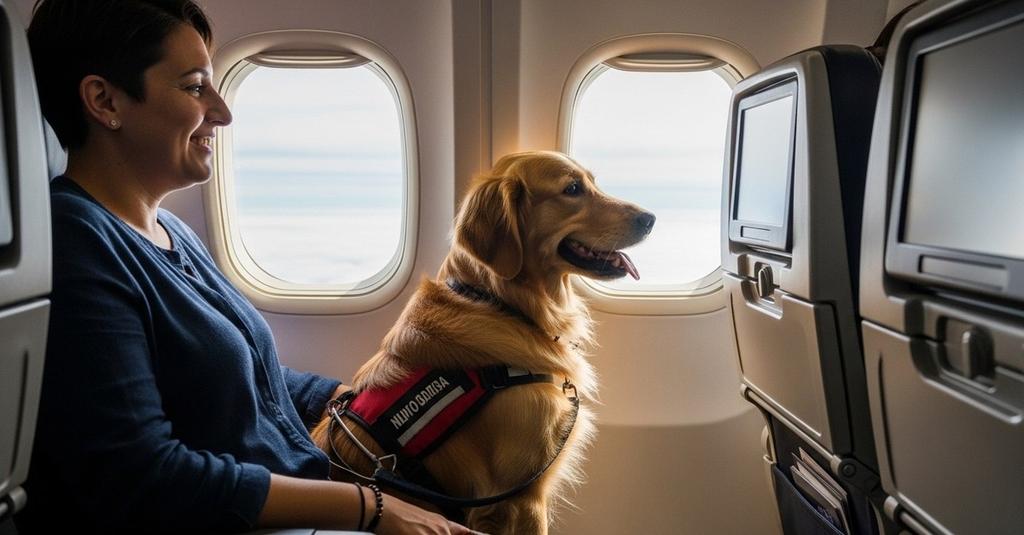
Italy’s decision is more than a logistical update. It’s a values statement written into law. It says the bond between a human and their animal is real, measurable, and worth protecting — even at 30,000 feet. When a government puts that into writing, it shifts the baseline for what other countries are expected to offer. The EU’s animal welfare framework is already under pressure to modernize, and advocates now have concrete, functioning legislation to point to.
Dogs flying in-cabin isn’t hypothetical anymore.
It’s happening.
The people this affects most aren’t just frequent flyers with designer dogs. They’re elderly owners who can’t face putting an anxious animal in cargo. They’re people with small dogs who’ve been declining trips for years because the alternative felt cruel. They’re anyone who’s ever watched their dog disappear behind an airport counter and felt that quiet, gnawing guilt for the rest of the flight.
This is what happens when science, law, and lived experience finally align. Italy moved first. Others will follow — some quickly, some reluctantly. But the direction is set. A dog on a flight isn’t a novelty anymore. It’s a glimpse of where travel is heading.
More details on this and stranger stories at this-amazing-world.com.
“
Frequently Asked Questions
Q: What did Italy’s new in-cabin dog rule actually change?
Italy updated its aviation regulations in 2024 to formally permit dogs to travel in the cabin on domestic and short-haul international flights operated by Italian carriers. It is law, not an airline loophole, and Italy is the first European country to do it. The change lets dogs sit near their owners instead of being placed in the cargo hold. ITA Airways, Italy’s national carrier, began adapting its policies almost immediately, while other European airlines are watching before committing.
Q: How big a dog can fly in the cabin under Italy’s rules?
Under Italy’s new rules, the largest dog permitted weighs 10 kg including the carrier, roughly the size of a Cocker Spaniel or a small French Bulldog. This is notably more generous than existing U.S. domestic policy, where small dogs may travel in-cabin only inside under-seat carriers with strict weight limits that exclude most medium-sized breeds. France and Germany are reportedly reviewing similar in-cabin legislation, suggesting Italy’s move may be the first domino rather than an isolated exception.
Q: Why is the cargo hold dangerous for dogs?
Cargo holds are not temperature-regulated like the cabin and, while pressurized, are inconsistently monitored. In 2023, the U.S. Department of Transportation recorded 174 animal incidents during air transport, the majority involving cargo. Research by Dr. Isabella Merlo at the University of Bologna found that cortisol, the stress hormone, spikes in cargo-transported dogs to levels seen in acute fear responses. For a social animal separated from its owner in darkness and deafening noise, it can trigger a serious trauma response.
Q: Are other countries following Italy’s lead?
Possibly. France and Germany are reportedly reviewing similar in-cabin legislation, according to EU animal welfare advocacy groups, which suggests Italy’s 2024 move may be the first domino rather than an isolated exception. The shift is backed by changing attitudes: a 2022 European Pet Food Industry Federation survey found 65 percent of European owners consider pets full family members, up from 48 percent a decade earlier, and pet ownership rose 11 percent in Italy between 2020 and 2023.
Illustrations are AI-generated. Article fact-checked and human-edited. Our editorial standards.