How Richard Branson Bought a $6M Island for $180K
A 23-year-old with almost no money picked up a phone one afternoon in the late 1970s and changed the trajectory of Caribbean real estate forever. The Richard Branson Necker Island purchase began not with strategy, but with a cold call to a realtor about a property nobody else wanted. He offered $100,000. The asking price was $6 million. What happened next — the negotiation, the waiting, the eventual sale for $180,000 — would become one of the most audacious real estate moves in modern history.
Branson wasn’t famous yet. Wasn’t rich yet. Running a young record label called Virgin Records, he’d fallen for a woman named Joan Templeman and decided that the logical response to new love was acquiring 74 acres of undeveloped Caribbean land. The British Virgin Islands in 1978 were nothing like they are now. Tourism infrastructure barely existed. The concept of ultra-luxury private island resorts was genuinely speculative. Most reasonable investors would have walked past this deal without a second glance.
Most reasonable investors weren’t Branson.
Key Facts
- Richard Branson was 23 years old in 1978 when he cold-called a realtor about Necker Island in the British Virgin Islands
- He initially offered $100,000 against an asking price of $6 million, and eventually purchased the 74-acre island for $180,000 — a 97% reduction from the original asking price
- The sale was conditional on developing the island into a resort within four years
- Branson reportedly spent around £10 million developing infrastructure, with the resort opening to paying guests in 1986
- By the 2000s, Forbes-tracked private island valuations placed Necker’s estimated value past $60 million; today the island rents for upward of $80,000 per night
In short: In 1978, 23-year-old Richard Branson called a BVI realtor and offered $100,000 on Necker Island, listed at $6 million. After months of silence, the seller dropped the price to $180,000 with a four-year development condition. Branson spent roughly £10 million building the resort, which opened in 1986; the island now rents for over $80,000 per night.
The Cold Call That Started It All
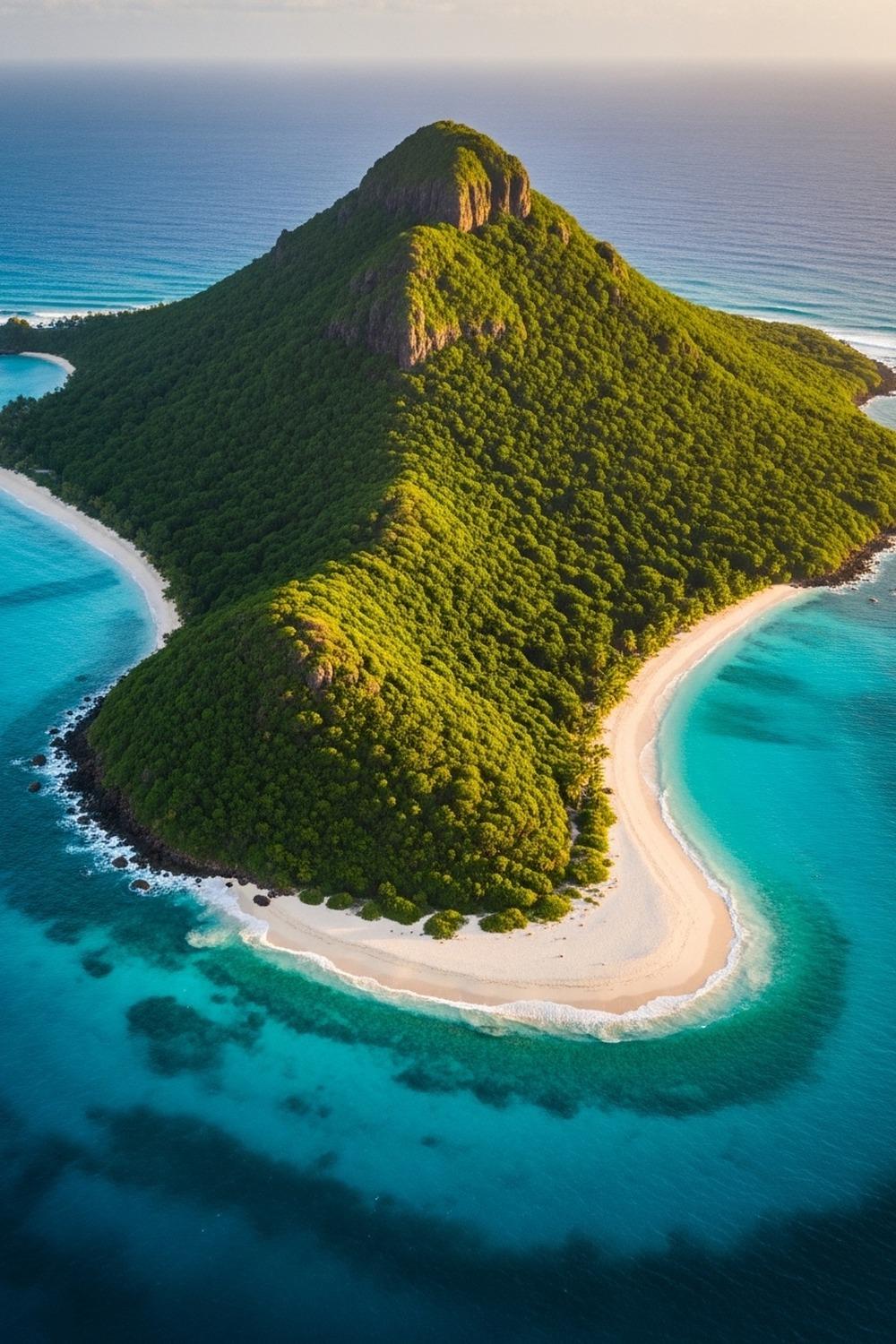
In 1978, Richard Branson picked up the phone and called a real estate agent in the British Virgin Islands with an offer of $100,000 on a property listed at $6 million. The seller — a European aristocrat who had acquired the island but never developed it — almost certainly did not take the bid seriously. Necker Island, a 74-acre volcanic outcrop surrounded by coral reef in the northern BVI, had been sitting on the market with no competing interest. No other serious inquiries had materialized. The Caribbean private island market in the late 1970s was a narrow, specialist world — and 74 acres of raw, undeveloped land with no infrastructure, no freshwater system, and no buildings was a harder sell than it sounds.
The seller’s leverage, it turned out, was mostly theoretical.
Branson didn’t disappear. He kept the line open, kept the interest alive, and waited for the math to change. Months passed. The island sat. Nobody else came calling. And in real estate, as in most negotiations, existing in the conversation is half the battle — you stay present long enough and the room shifts around you.
Eventually, it did shift. The seller dropped the price to $180,000 — a staggering 97% reduction from the original ask. Branson agreed immediately. One condition came attached: develop the island into a resort within four years, or lose the right to it. He shook hands and started planning.
What He Actually Bought — and What It Cost to Build
Buying the land was the easy part. Here’s the thing: the harder, exponentially more expensive challenge was the condition attached to the sale. Branson had to develop Necker Island into a functioning resort within four years. What he’d purchased was essentially a blank canvas — lush vegetation, spectacular views, coral-clear water — but no electricity, no freshwater supply, no buildings of any kind. The logistics of constructing a luxury retreat on a remote Caribbean island in the early 1980s were formidable, and the cost of development dwarfed the purchase price many times over.
Branson reportedly spent around £10 million on construction and infrastructure over the following years. The resort that eventually opened featured a Balinese-style great house, multiple guest suites, tennis courts, and the logistical backbone of a small self-contained community: water catchment systems, solar power generation, staff quarters, a kitchen capable of feeding 30 guests. British Virgin Islands government records from the early 1980s show the development permit process was extensive, requiring environmental assessments and planning approvals across multiple stages.
It’s the kind of detail that rarely makes it into the legend. There’s a useful parallel here in how human ambition intersects with physical constraints — the way a single audacious decision quickly collides with the unglamorous practicalities of execution. Much like the story of an athlete who reaches for a record that looks impossible on paper, the gap between the bold move and the finished result is filled with work nobody photographs.
The four-year deadline was met. Just. In 1986, Necker Island opened to paying guests for the first time. Branson had turned a $180,000 gamble into a functioning luxury property. What no one fully predicted was what it would eventually be worth — or how quickly the market around it would mature to justify that value.
The Caribbean’s Private Island Market Then and Now
To understand why the Richard Branson Necker Island purchase was so extraordinary, consider the market he was stepping into. Late 1970s British Virgin Islands bore almost no resemblance to the tourist infrastructure and development boom that would follow. The concept of ultra-luxury private island resorts was in its genuine infancy. That a raw, uninhabited island could become a globally recognized travel destination was purely speculative. According to Smithsonian Magazine’s travel history research, the Caribbean private island luxury market only began to consolidate in the 1980s and 1990s, driven by a small number of pioneering developments — Necker among them — that demonstrated what was possible when remote land met serious investment capital.
Why does this matter? Because Branson’s purchase didn’t just produce a valuable asset — it helped define an entire category. By the time Forbes began regularly tracking private island valuations in the 2000s, Necker’s estimated value had climbed past $60 million. The original £180,000 became one of the best-documented real estate returns in the twentieth century. Today, renting the entire island costs upward of $80,000 per night, with a minimum booking of several nights for full exclusive use.
Other BVI islands that were similarly overlooked in the 1970s sold for comparable fractions of what they’re worth today. The pattern is consistent: undeveloped land in the right geography, acquired before the infrastructure exists, yields extraordinary returns when the surrounding market matures. Branson didn’t just get lucky. He read a geography before anyone else had written it.
The Romantic Foundation Underneath
None of this started with investment logic. It started with a woman. Branson has been remarkably candid over the years about the original impulse behind the Necker Island purchase — he wanted to impress Joan Templeman, the woman he’d fallen for and would eventually marry. In a 2014 interview with Virgin’s own media team, Branson described the initial cold call as something between a romantic gesture and a wild idea that got out of hand in the best possible way. Templeman, for her part, later said she thought he was completely mad.
In 1989, Branson married Joan Templeman on Necker Island — on the land he’d bought a decade earlier on a whim, a cold call, and roughly three times less money than the asking price. It’s the kind of full-circle moment that sounds invented. The island that began as a romantic impulse became the setting for the wedding itself. The condition placed on the original sale — develop it or lose it — had forced a timeline that ultimately produced one of the world’s most recognized private resort destinations.
And here’s what’s worth sitting with: the constraint made the outcome. Without the four-year development deadline, it’s entirely plausible Branson holds the land longer, develops it slower, or sells it before the resort concept fully matures. The pressure built the thing. Obstacles have a way of doing that — they force you to finish what you started, whether you’re ready or not.
What Necker Island Became
Necker Island today operates as one of the world’s most exclusive private resort destinations, bookable either as a whole-island exclusive hire or as part of Virgin Limited Edition’s broader luxury travel portfolio. The island accommodates up to 34 guests in exclusive hire mode, with client lists that have included heads of state, Hollywood figures, and some of the most recognizable names in global business. In 2011, a lightning strike during a tropical storm destroyed the main Great House — and Branson’s own family, including his mother and daughter Holly, were evacuated from the property. The house was rebuilt. It reopened in 2013.
The island covers 74 acres. Coral reef surrounding it supports dozens of species of reef fish, sea turtles, and migratory seabirds. Branson has invested in marine conservation around Necker’s coastline, including reef restoration work that began formally in 2018. The land he bought as a romantic gesture has become a conservation site, a wedding venue, a luxury business, and — by most measures — the defining physical asset of his personal life.
But here’s what business schools actually teach: the Richard Branson Necker Island purchase has become a case study in asymmetric negotiation. The University of Oxford’s Saïd Business School references the deal in discussions of situations where one party’s leverage appears overwhelming on paper but collapses when time and lack of interest erode the seller’s position entirely. Branson’s willingness to make an offer that seemed absurd, and then to simply wait, encapsulates a negotiating posture that most people find psychologically difficult to maintain. Most buyers, faced with rejection, walk away. Watching a market shift because someone refused to leave the conversation — because they possessed what amounts to infinite patience — that’s a kind of power most business schools don’t know how to teach.
How It Unfolded
- 1978 — Richard Branson cold-calls a British Virgin Islands realtor and makes an opening offer of $100,000 on an island listed at $6 million; the offer is rejected.
- Late 1978–1979 — After nearly a year with no competing offers, the seller accepts a revised bid of $180,000 with a four-year development condition attached.
- 1986 — Necker Island opens to paying guests for the first time as a fully operational luxury resort, meeting the development deadline.
- 1989 — Branson marries Joan Templeman on Necker Island, completing the personal story that originally motivated the purchase.
- 2011 — A lightning-strike fire destroys the main Great House; the island is rebuilt and reopens in 2013, with estimated property value by then exceeding $60 million.
By the Numbers
- $6,000,000 — original asking price for Necker Island in the late 1970s (Virgin Limited Edition, company history records)
- $180,000 — final purchase price paid by Branson, representing approximately 3% of the original listing
- 74 acres — total land area of Necker Island, British Virgin Islands
- ~$60,000,000+ — estimated property value by the mid-2000s, representing a return of roughly 33,000% on the purchase price
- $80,000+ per night — current cost of exclusive whole-island hire, per Virgin Limited Edition’s published rate cards
Field Notes
- The development condition placed on the original sale — build a resort within four years or forfeit the property — was not unusual in BVI land transactions of that era, where the government was actively trying to drive tourism infrastructure investment on undeveloped private land.
- Branson was 28 years old when the purchase was finalized, not yet the face of Virgin Atlantic — the airline didn’t launch until 1984, five years after the island deal was done.
- The 2011 fire that destroyed the Great House burned so completely that structural remnants had to be fully cleared before reconstruction; Branson’s mother Eve, then 88, was on the island at the time and was evacuated safely by boat.
- Researchers studying asymmetric real estate negotiation still can’t fully quantify how often a patient low-ball offer succeeds when the seller faces a zero-offer market — the Necker deal is frequently cited as a data point, but comparable transactions are notoriously difficult to track because most never reach public record.
Frequently Asked Questions
Q: How much did Richard Branson pay for the Necker Island purchase, and when did it happen?
The Richard Branson Necker Island purchase was finalized in the late 1970s for $180,000 — down from a $6 million asking price. Branson’s opening offer had been $100,000, which was rejected outright. After nearly a year with no competing bids, the seller accepted the revised offer. The deal came with a mandatory development condition: build a functioning resort within four years or lose the property.
Q: What is Necker Island worth today, and can the public visit?
Necker Island’s estimated value has been cited at over $60 million in multiple financial media reports, though Branson has indicated it’s not for sale. The public can visit — but only by booking it. The island operates as an exclusive private resort under Virgin Limited Edition. Whole-island exclusive hire starts at around $80,000 per night with a minimum booking duration. Individual room bookings are occasionally available during “house party” weeks when single guests can join a shared booking alongside strangers.
Q: Why did the original seller accept such a low price for a $6 million island?
The most common misconception is that Branson somehow tricked or pressured the seller. The reality is simpler: there were no other offers. A $6 million listing price means very little when the pool of serious buyers for undeveloped Caribbean land with no infrastructure is essentially empty. Time eroded the seller’s leverage entirely. Branson’s patience — staying in the conversation through repeated rejection — turned a fantasy offer into the only offer on the table. The seller blinked first because there was nobody else in the room.
Editor’s Take — Sarah Blake
What strikes me about this story isn’t the discount — it’s the gap between the bold move and the finished thing. Branson’s cold call gets the headline, but the £10 million construction bill, the four-year deadline, the logistical grind of building a luxury resort on an uninhabited island — that’s where the deal actually happened. The $180,000 was the easy part. Most people who talk about this story stop there, which is exactly why most people’s analysis of Branson stops there too. The purchase was audacious. What came next was just work.
There’s a version of this story that’s purely about money — a spectacular arbitrage, a negotiating masterstroke, a real estate legend. But that version misses something essential. Branson bought the island for a woman. He built it under deadline. He married her there. And somewhere inside all that ambition and scrambling and construction noise, the place became something that no valuation fully captures: home. The real question this story leaves open isn’t how he pulled it off. It’s what other $6 million things are sitting out there right now, quietly waiting for someone willing to make a call that sounds, to everyone else, completely insane.
“
Illustrations are AI-generated. Article fact-checked and human-edited. Our editorial standards.