How Dolly Parton Mailed 220 Million Books to Kids for Free
Dolly Parton’s been mailing free books to kids since 1995. Over 220 million of them. But here’s what actually matters — she grew up in a house where her father couldn’t read his own name, and she never forgot it.
From one Tennessee county to five countries now. The Dolly Parton Imagination Library just… quietly works. No applications. No means testing. No performance metrics you have to hit to deserve a book. A kid gets born in an eligible area, and by the time they turn five, they’ve got twelve personalized books waiting in their mailbox. That’s it. That’s the whole system. And somehow we’re not talking about it constantly, which is wild.
Key Facts
- Dolly Parton launched the Imagination Library in 1995 in Sevier County, Tennessee, inspired by her father Robert Lee Parton, who never learned to read.
- The program has distributed over 220 million free books globally as of 2024, mailing a personalized book monthly to each enrolled child from birth to age five.
- The Imagination Library operates in more than 2,300 communities across five countries: the United States, Canada, the UK, Australia, and Ireland.
- Tennessee participation exceeds 80 percent of eligible children in enrolled counties, one of the highest voluntary enrollment figures for any early childhood program.
- Every child’s first book is The Little Engine That Could, and the final book at age five is Look Out Kindergarten, Here I Come!
In short: The Dolly Parton Imagination Library, launched in 1995 in Sevier County, Tennessee, mails a free personalized book each month to enrolled children from birth to age five. Inspired by her illiterate father, the program has distributed over 220 million books across more than 2,300 communities in five countries, boosting kindergarten vocabulary and print awareness.
It Started in 1995 in the Place She Came From
Sevier County, Tennessee. One room. No running water. Dolly was one of twelve kids, and her father — Robert Lee Parton — was a smart man who never learned to read. He couldn’t sign his own name.
That detail lived in her.
So when she had the resources, she built something for the kids still growing up in that county. Not a school program. Not something that required parents to apply or prove anything. Just: books arrive at your house, addressed to your kid by name, every month from birth to five years old. Literacy researchers like Susan Neuman have spent careers documenting what happens when kids grow up without books at home. The outcomes aren’t great. But when you actually *give* them books, when they’re in the house, when they’re *theirs specifically* — that’s when things shift.
Kids in the Dolly Parton Imagination Library arrive at kindergarten with bigger vocabularies. Better pre-reading skills. And something harder to measure but real: the belief that books are for them.
The Name on the Envelope Thing Is Bigger Than It Sounds
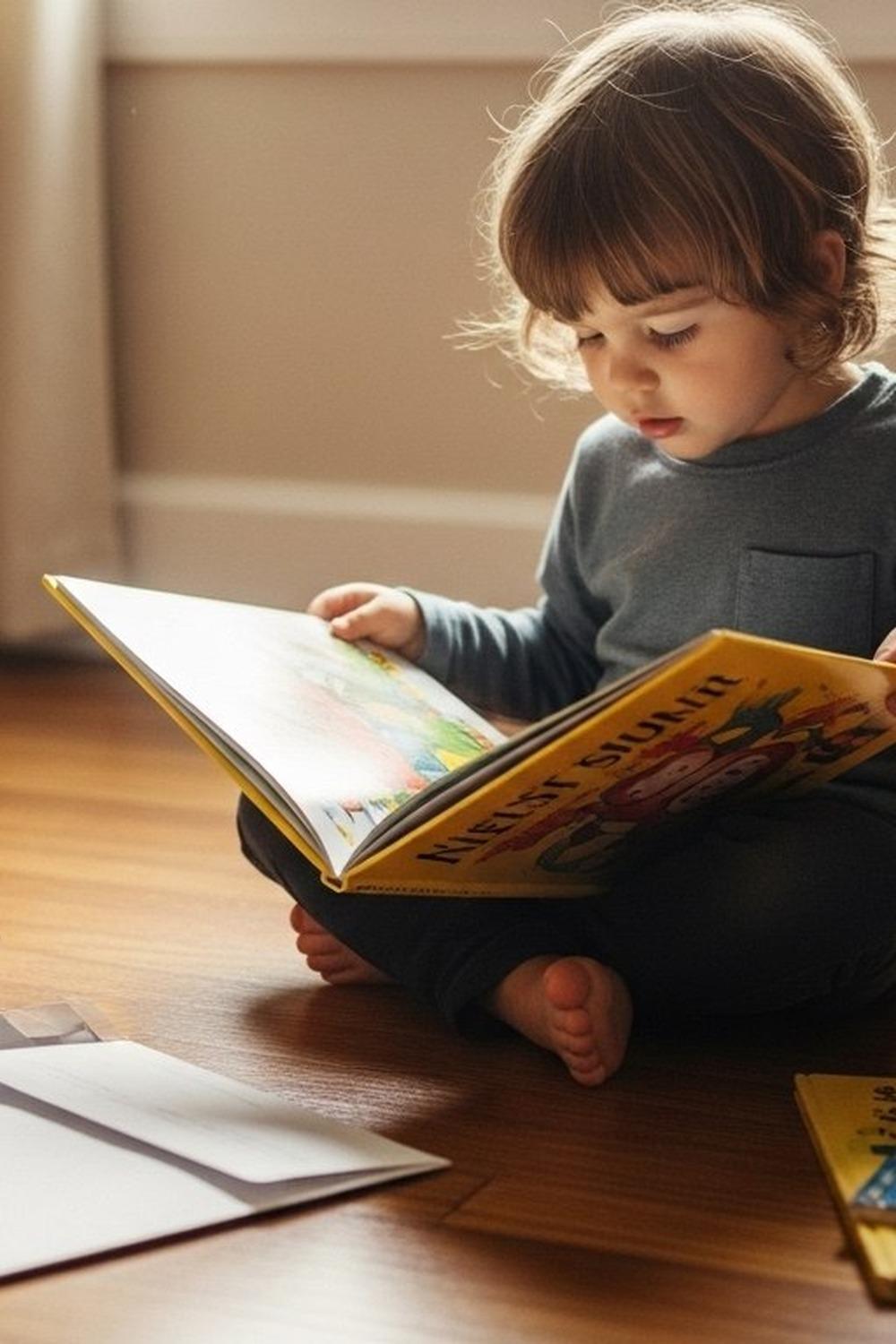
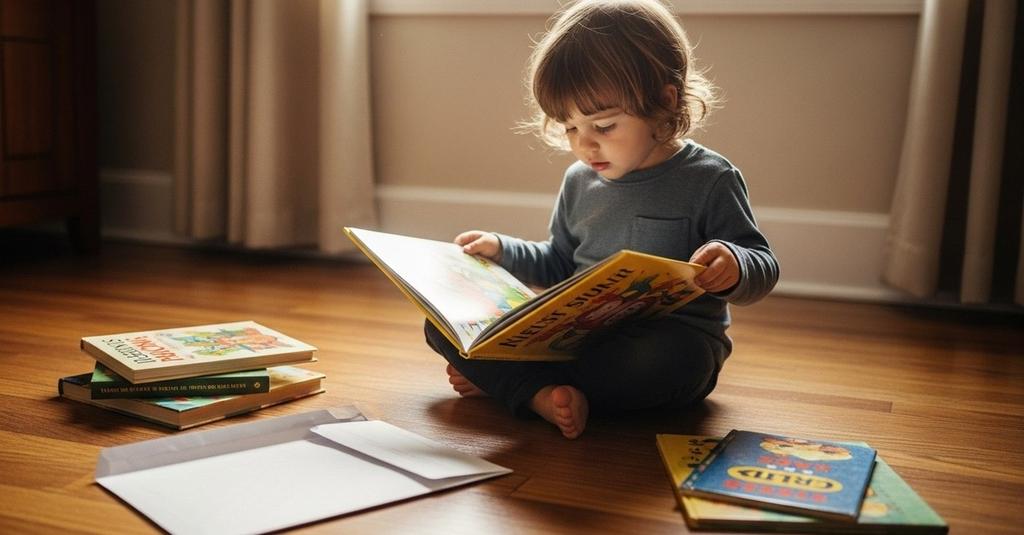
A two-year-old getting mail addressed to them. Personally. Their name. On an envelope. At the front door.
That’s ownership before they even crack the spine. Child development researchers think that matters more than you’d expect — and that’s part of what makes this work. Over at this-amazing-world.com, there’s a whole rabbit hole of research about how environment shapes early development in ways that catch everyone off guard.
The book selection isn’t random either. A team of child development specialists curates each title specifically for the child’s age and stage. Newborns get The Little Engine That Could. Four-year-olds get something that pushes them a little. Every single choice is intentional. Every book is basically a small bet on that kid’s future.
How It Went From One County to Five Countries
The model proved itself fast. By 2000, other communities wanted in. The structure’s clever — the Dollywood Foundation handles the infrastructure, the book selection, the expertise. Local partners fund and manage it in their area. It’s a franchise model, except the product is literacy and nobody’s profiting.
United States. Canada. UK. Australia. Ireland. Thousands of communities. In some regions you don’t even apply — you’re born there, the books start coming.
The Research Part Keeps Getting Weirder
Most well-intentioned programs fall apart under actual study. This one doesn’t.
East Tennessee State University ran the numbers. Kids in the Dolly Parton Imagination Library — they get read to more. They recognize letters earlier. They understand that squiggles on a page mean something. That last thing, “print awareness,” predicts reading success years down the line. But here’s what’s actually happening: the program isn’t just putting books in homes. It’s changing how families *use* books. When something arrives every month, reading stops being an event and becomes a habit. Parents who didn’t know where to start suddenly have a structure. A prompt. A reason to sit down together.
That kept me reading for another hour, honestly.
The effects keep compounding.
The Numbers
- 220 million books distributed globally as of 2024 — one for every person in Brazil, roughly.
- Operating in more than 2,300 communities across five countries. New affiliates keep getting added.
- Tennessee participation rates exceed 80% of eligible children in enrolled counties — one of the highest voluntary enrollment figures for any early childhood program ever recorded.
- Low-income kids in the US get access to about one book per 300 children in their community. Higher-income neighborhoods have 13 books per child. The gap the Imagination Library was built to close.
Actual Facts Worth Knowing
- Dolly also dropped $1 million on Vanderbilt’s COVID vaccine research — contributed to Moderna. She doesn’t do one good thing and stop.
- Every kid gets The Little Engine That Could as their first book. Chosen for the message about persistence. The last one when they turn five is Look Out Kindergarten, Here I Come!
- Robert Lee Parton — the father who couldn’t read — lived to see millions of kids get books because of what his daughter built. Dolly made sure he knew why.
Why This Doesn’t Get Enough Oxygen
Because it’s not dramatic. Nobody’s in crisis. Nobody’s being rescued in act three. It’s just books. Arriving quietly. Month after month. In mailboxes that might not get anything else addressed to a child. But that quietness is *why* it works. No stigma. No proof you deserve it. No applications. Just a good neighbor showing up, every month, for five years.
The research is solid: early literacy predicts long-term educational success, health outcomes, economic mobility. The Dolly Parton Imagination Library isn’t solving all of it. But it’s moving the needle at scale in a way almost nothing else has managed.
Cheaply. Consistently. With reach that keeps expanding.
A one-room cabin in Tennessee. A daughter who remembered. Over 220 million books across five countries.
Sometimes the biggest ideas are the simplest ones. If this is your kind of story, there’s more waiting at this-amazing-world.com — and the next one gets even stranger.
“
Frequently Asked Questions
Q: What is the Dolly Parton Imagination Library and how does it work?
The Dolly Parton Imagination Library is a literacy program Dolly Parton launched in 1995 in Sevier County, Tennessee. Enrolled children receive a free, age-appropriate, personalized book in the mail every month from birth until age five, totaling about 60 books. There are no applications, means testing, or performance metrics. The Dollywood Foundation handles book selection and infrastructure while local partners fund and manage delivery in their areas.
Q: How many books has the Imagination Library given away?
As of 2024, the Dolly Parton Imagination Library has distributed over 220 million books globally, roughly one for every person in Brazil. The program operates in more than 2,300 communities across five countries: the United States, Canada, the United Kingdom, Australia, and Ireland. New affiliates continue to be added regularly, and in some regions children are automatically enrolled at birth without their families needing to apply.
Q: Does the Imagination Library actually improve childhood literacy?
Research from East Tennessee State University found that children in the Imagination Library are read to more often, recognize letters earlier, and develop stronger print awareness, which predicts later reading success. The program also changes how families use books: monthly arrivals turn reading from an occasional event into a habit. Tennessee participation exceeds 80 percent of eligible children in enrolled counties, one of the highest voluntary enrollment rates for any early childhood program.
Q: Why did Dolly Parton start the Imagination Library?
Dolly Parton created the program in honor of her father, Robert Lee Parton, a smart man who grew up one of twelve children in a one-room Tennessee home and never learned to read or sign his own name. That detail stayed with her, and when she had the resources she built a system to put books directly into children’s homes. Her father lived to see millions of children receive books because of what his daughter built.
Illustrations are AI-generated. Article fact-checked and human-edited. Our editorial standards.