He Was Nobody. She Folded Strangers’ Clothes. Then He Got Famous.
A laundromat in Santa Monica. A comedian nobody’d heard of. A woman folding strangers’ clothes for spare change. Twenty years later, he’s paying her rent and nobody knows why.
The weird part? He still doesn’t talk about it.
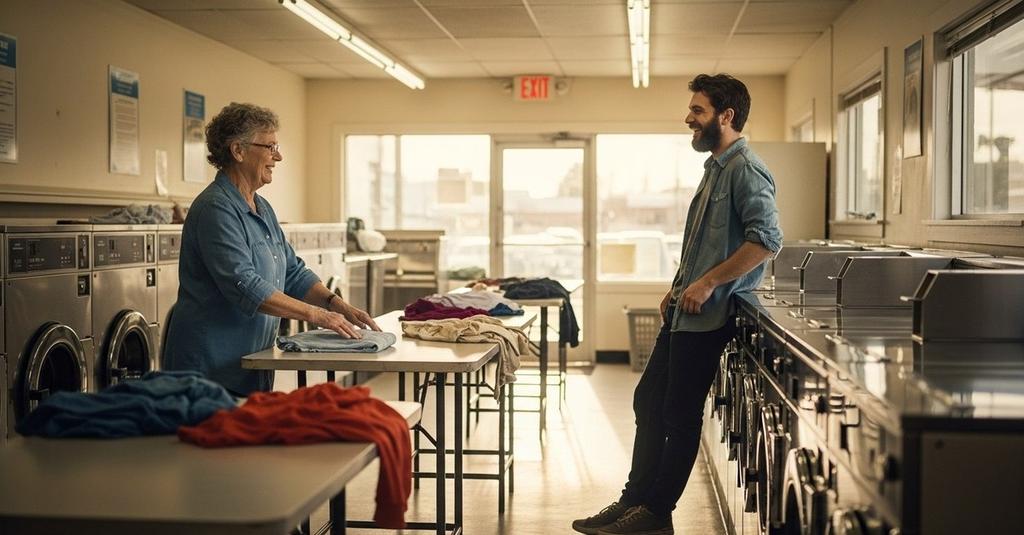
It’s 1990-something in Santa Monica. A laundromat that smells like detergent and possibility — which is to say it smells like nothing, really, but Zach Galifianakis is broke enough that nowhere feels like nowhere. He meets Mimi Haist folding other people’s laundry. She’s in her sixties. He’s a comedian doing small clubs, hoping something sticks. They talk. Then they keep talking. Not because anything was supposed to happen. Just because they liked it.
Key Facts
- Zach Galifianakis met Mimi Haist at a Santa Monica laundromat in the 1990s, where she folded strangers’ clothes for tips.
- The Hangover (2009) grossed $467 million globally on a $35 million budget, making Galifianakis financially able to support her.
- After learning Mimi was sleeping outside, Galifianakis found her an apartment and quietly paid her rent and utilities for years.
- Director Elegance Bratton spent over five years filming the 2015 documentary Queen Mimi about Haist’s life.
- In 2023, approximately 653,000 people experienced homelessness on a single U.S. night, a 12% increase over the prior year (HUD).
In short: The Zach Galifianakis Mimi Haist story began at a Santa Monica laundromat in the 1990s, where the unknown comedian befriended a woman folding clothes for tips. After The Hangover’s $467 million success, he quietly housed her and paid her rent for years, a friendship captured in the 2015 documentary Queen Mimi.
How Zach Galifianakis and Mimi Haist First Connected
The Zach Galifianakis Mimi Haist friendship started with nothing to gain. Zach was unknown, broke, doing sets that didn’t pay. Mimi was a laundromat regular — the kind of informal economy that sociologist Matthew Desmond has documented extensively, the quiet hustle that keeps people just above nothing. Two people in economic margins actually seeing each other.
They became friends.
Not acquaintances. Not someone to help and feel good about. Friends with no agenda, no timeline, no reason except that they liked talking to each other. It’s that simple. It’s also that rare — which raises the obvious question of why we keep being surprised when it happens.
When Fame Arrived, He Didn’t Forget Her
The Hangover dropped in 2009. Suddenly Zach Galifianakis went from “that comedian you’ve sort of heard of” to $467 million in global box office and red carpets and the whole machine spinning around him. And somewhere in the middle of that noise, he learned something. Mimi was sleeping outside. Near the same Santa Monica neighborhood where they’d first met years earlier.
He found her an apartment.
Paid her rent. Covered utilities. Month after month. Year after year. Not through a charity. Not with a PR person announcing it. Just a key, an address, and utility bills with his name on them. The world found out almost by accident — which tells you everything about how he did it.
That last fact kept me reading for another hour. The restraint of it. The stubborn privacy.
You can read more unexpected loyalty stories at this-amazing-world.com.
Red Carpets, Real Friendship, Unscripted Moments
Then came what nobody expected. Mimi Haist — folding laundry for tips a few years earlier — started appearing at Hollywood premieres. The Hangover. The Campaign. In gowns. Photographed alongside A-listers. The Zach Galifianakis Mimi Haist story wasn’t a PR move. It was just what their friendship looked like when it hit the big time. He went places. He took her with him. Apparently non-negotiable.
Think about the math on that. One year: folding strangers’ socks for a dollar. A few years later: Hollywood premiere in a gown. Your life didn’t change. Someone’s loyalty to you didn’t.
That’s not a narrative arc.
That’s a person deciding another person matters.
The Documentary That Finally Told Her Story
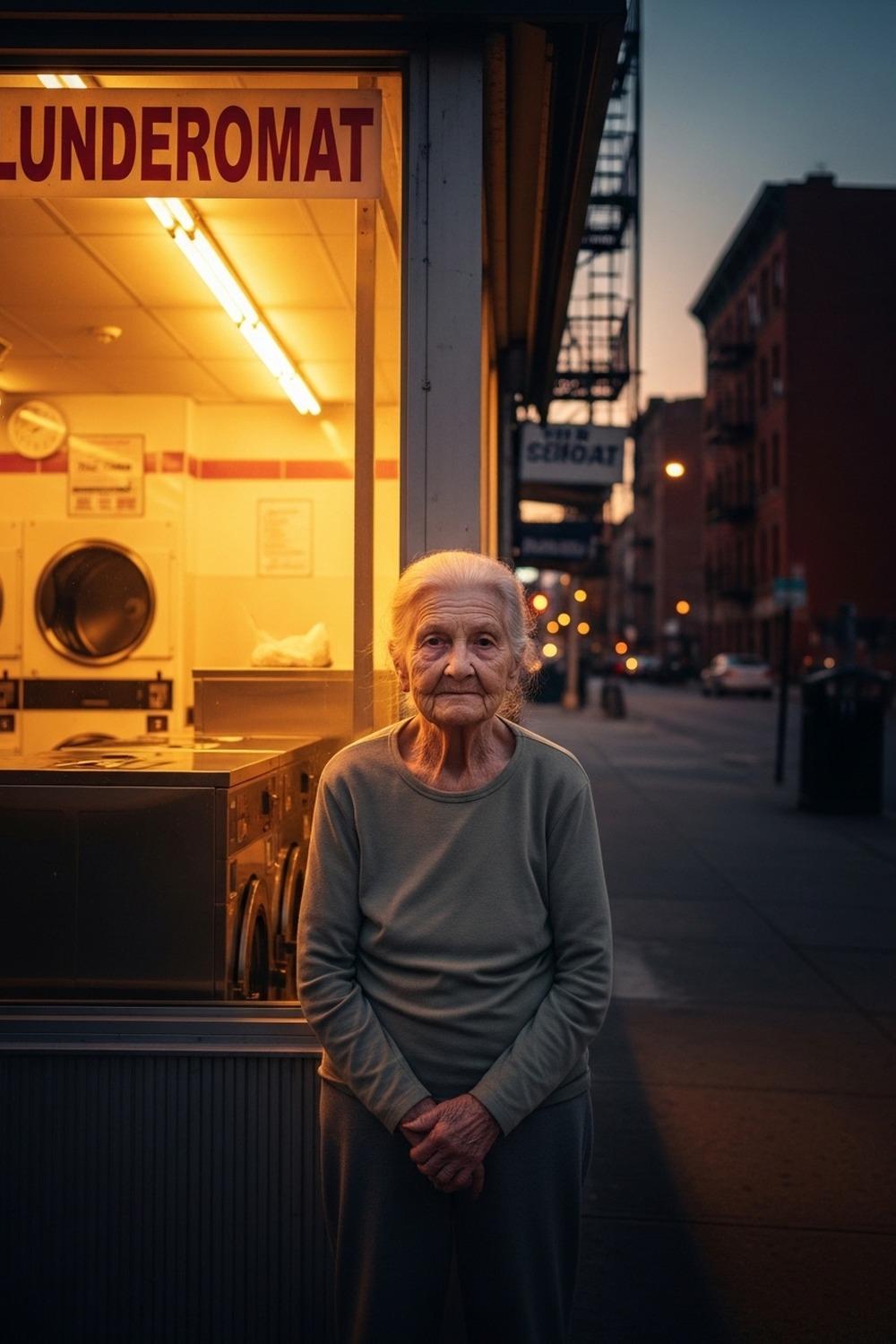
Their friendship had already been unfolding for nearly two decades before any camera showed up. But in 2015, director Elegance Bratton completed Queen Mimi, and something shifted. The film introduced Mimi Haist to people who’d walked past her for sixty-odd years without really seeing. It didn’t dramatize anything. Just showed her. On her couch. Laughing. Being a person with a full interior life.
The film screened at festivals and earned the kind of response that comes when something doesn’t try too hard to make you feel a specific way.
What it captured was mutual respect between two people at completely different points in life.
Zach wasn’t Mimi’s benefactor in the film. He was her friend who happened to be famous. She wasn’t his charity project. She was someone whose company he sought out. That distinction matters more than it might seem.
By the Numbers
- In 2023, approximately 653,000 people experienced homelessness on a single night in the United States — a 12% increase from the prior year, according to HUD’s Annual Homeless Assessment Report.
- The Hangover (2009) grossed $467 million globally on a $35 million budget, which means Zach Galifianakis went from struggling comedian to someone who could actually afford to pay rent for another person, month after month.
- Bratton spent over five years filming before Queen Mimi was released — documenting their friendship long before anyone else knew it existed.
- Santa Monica one-bedroom apartments have exceeded $2,800/month since 2015. That context matters.
- Mimi was in her seventies during filming — an age where most people experiencing homelessness have almost no access to stable social networks. She had one person.
Field Notes
- Director Elegance Bratton went on to direct The Inspection (2022), a critically acclaimed film based on his own life. Queen Mimi was an early work from someone who’d become a significant voice in American cinema.
- Zach Galifianakis has rarely discussed the arrangement publicly in detail. Most of what’s known came from the documentary and from Mimi herself — not from his publicist or any coordinated media strategy. Which is its own kind of statement.
Why the Zach Galifianakis Mimi Haist Story Still Lands
The Zach Galifianakis Mimi Haist friendship has been covered in dozens of feel-good roundups. And sure, it’s moving. Fame meets poverty. Celebrity does good. Easy story. But here’s the thing — the reason it keeps circulating isn’t really about any of that. It’s about the moment before the cameras. Two people in a laundromat. No upside. Just a conversation that turned into a friendship that turned into something neither of them could have scripted.
Most of us will never be in a position to pay someone’s rent for years. But most of us can decide to keep showing up. To not let distance, or success, or changing circumstances become an excuse to slowly disappear from someone’s life.
Mimi Haist didn’t need a famous friend.
She needed a loyal one. Those are different things, and Zach Galifianakis apparently understood the distinction in a way that most people don’t.
What started in a Santa Monica laundromat became a twenty-year friendship, a documentary, and a quiet argument for paying attention to the people right in front of you. Not because they’re useful. Because they’re there. Because they matter. Fame didn’t create this story — it just gave it a bigger backdrop. The friendship was already real. If this keeps you up at night, there’s more at this-amazing-world.com.
Frequently Asked Questions
Q: How did Zach Galifianakis and Mimi Haist first meet?
They met at a laundromat in Santa Monica in the 1990s. At the time Zach Galifianakis was a broke, unknown comedian playing small clubs, and Mimi Haist, then in her sixties, folded other people’s laundry for spare change. They began talking simply because they enjoyed each other’s company, with no agenda or timeline. The friendship developed years before Galifianakis became famous, which is part of why the story resonates as genuine rather than a publicity gesture.
Q: What did Zach Galifianakis do for Mimi Haist after becoming famous?
After The Hangover grossed $467 million globally in 2009, Galifianakis learned that Mimi was sleeping outside near the Santa Monica neighborhood where they had met. He found her an apartment and quietly paid her rent and utilities, month after month, for years, with no charity, publicist, or press announcement involved. He also brought her to Hollywood premieres in gowns. The arrangement only became public almost by accident, reflecting how privately he handled it.
Q: What is the documentary Queen Mimi about?
Queen Mimi is a 2015 documentary directed by Elegance Bratton that tells the life story of Mimi Haist, who was in her seventies during filming. Bratton spent over five years documenting her friendship with Zach Galifianakis before anyone else knew it existed. The film does not dramatize events; it simply shows Mimi as a full person with a rich interior life. Bratton later directed the acclaimed 2022 film The Inspection, based on his own life.
Illustrations are AI-generated. Article fact-checked and human-edited. Our editorial standards.