A Gym Offered a Porsche to Lose 110 Lbs in 90 Days
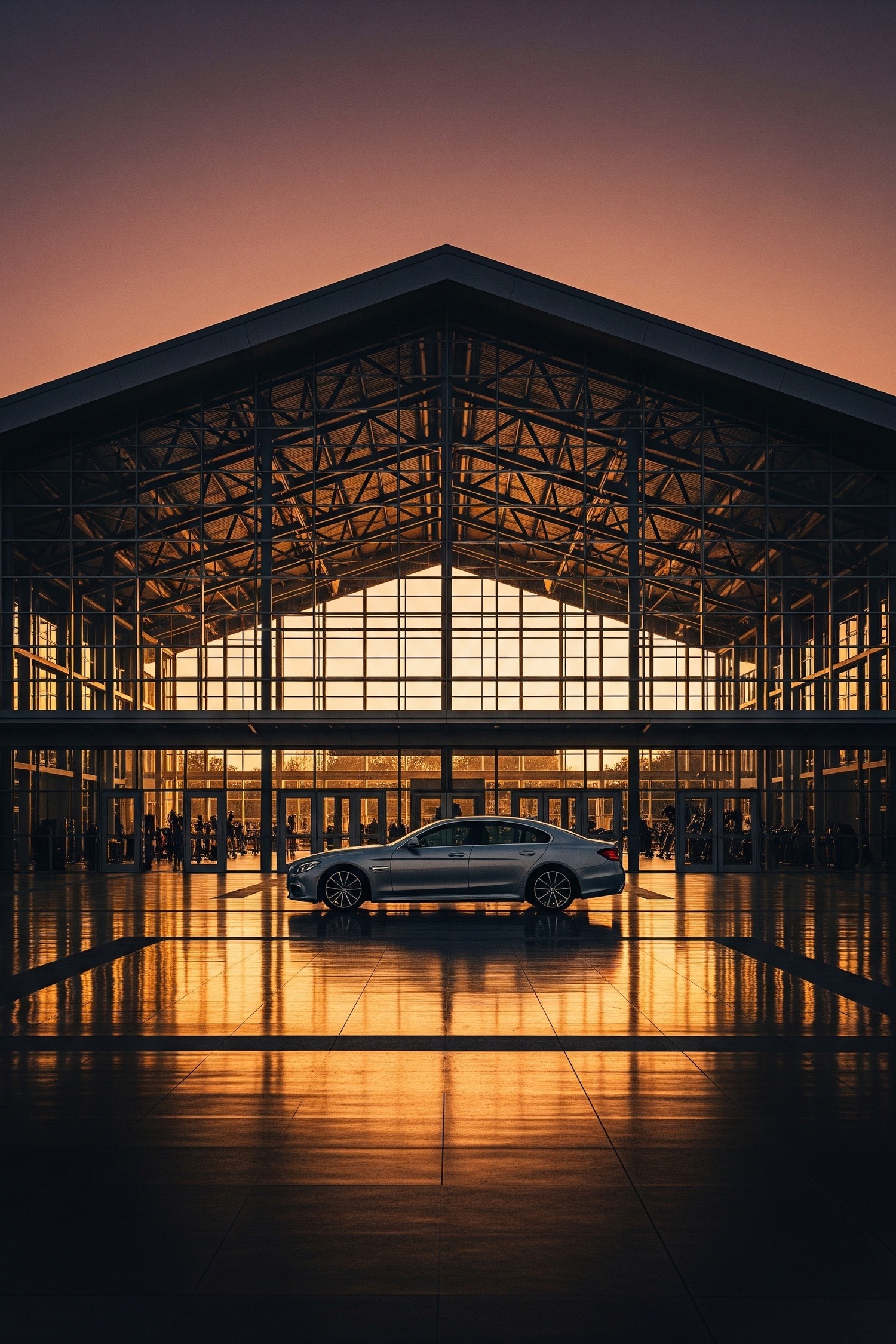
A Chinese gym stuck a Porsche Panamera on a wall and said: lose 110 pounds in three months, or watch someone else drive it home. The entry fee was $1,400. Within days, the internet had collectively lost its mind.
This isn’t a hypothetical. A gym in China actually did this. A used Porsche — worth somewhere between $45,000 and $100,000 depending on the model year — as the grand prize for anyone willing to drop 50 kilograms in 90 days flat. And people signed up. Lots of them. The story spread across Reddit, TikTok, fitness forums, and news sites in countries where most people couldn’t find the gym on a map. Within a week, it was everywhere.
Key Facts
- A gym in China offered a used Porsche Panamera—worth roughly $45,000 to $100,000—to anyone who could lose 50 kilograms (110 lbs) in 90 days.
- The entry fee was $1,400, making the car a roughly 57x return if anyone achieved the goal.
- Safe weight loss is about 0.5 to 1 kilogram per week per CDC guidance; the target required about 3.5 times the upper safe rate every week for twelve weeks.
- Medically supervised 90-day weight-loss records max out around 20 to 25 kilograms in controlled clinical settings.
- A 2016 NIH Biggest Loser study found most rapid-weight-loss contestants regained the weight within six years, with lasting metabolic slowdown.
In short: A Chinese gym offered a used Porsche Panamera, worth $45,000 to $100,000, to anyone losing 50 kg in 90 days for a $1,400 entry fee. Doctors warned the target was about 3.5 times the safe weekly rate, risking gallstones and organ stress. The stunt spread worldwide, earning marketing reach the gym couldn’t otherwise buy.
The Setup
Here’s what medical professionals immediately noticed: safe weight loss moves at about 0.5 to 1 kilogram per week, according to research cited by Dr. Yoni Freedhoff and the CDC. To win this car, you’d need to hit roughly three and a half times that rate. Every week. For twelve consecutive weeks.
Nobody told the participants that.
They just saw the car.
What Actually Happens to Your Body
The human body doesn’t work like a savings account where you can just keep withdrawing until you hit zero. When weight loss gets forced past a certain threshold — and 50 kilograms in 90 days absolutely qualifies as forced — the body enters something closer to survival mode. Muscle tissue gets cannibalized for energy. Organ function slows down. Metabolism crashes so hard that it can take years to recover, even if you manage to survive the challenge itself.
There’s a complication so common in crash-diet situations that doctors have a nickname for it: “diet gallstones.” Gallstone formation can happen in weeks. Most people don’t find out until something sharp twists inside their abdomen. The gym’s challenge didn’t mention that either.
Medical professionals weren’t quiet about any of this. Cardiologists, endocrinologists, nutritionists — all of them were saying variations of the same thing pretty loudly. The body doesn’t negotiate with ambition. It just fails.
And yet people kept asking how to enter.
Why This One Hit Different
Gyms have been running transformation contests forever. Cash prizes, before-and-after photo spreads, free memberships. They come and go. This challenge crossed into something else entirely — that weird threshold where fitness culture becomes spectacle, and suddenly even people who’ve never set foot in a gym are sharing it, arguing about it, obsessing over it.
It wasn’t really about weight loss anymore.
It was about what the car represented. A Porsche Panamera isn’t just transportation. It’s a symbol that your body — your actual physical form — is worth more than most people make in a year. If you’re willing to destroy it getting there, well, that’s between you and your organs.
And we all stopped scrolling to watch.
The Psychology of Why This Works
Behavioral economists have been studying this phenomenon for years. There’s something called incentive salience, and it’s the reason why casinos, lotteries, and apparently now gyms in China can get people to do statistically irrational things. A $50 prize gets you interested. A $100,000 car doesn’t just get you interested — it rewires your entire risk calculation. Suddenly, “maybe I’ll try this” becomes “I’m doing this, and I’m starting Monday morning.”
Actually, scratch that. You’d start immediately.
The fascinating part? The gym didn’t even need to hand out the Porsche for the campaign to work. It needed the story. And it got the story. The gym’s name spread across fitness communities, news outlets, and social feeds in places where most people had never heard of the city it operated in. That’s marketing that money technically can’t buy — except the gym kind of did buy it, just sideways.
By the Numbers
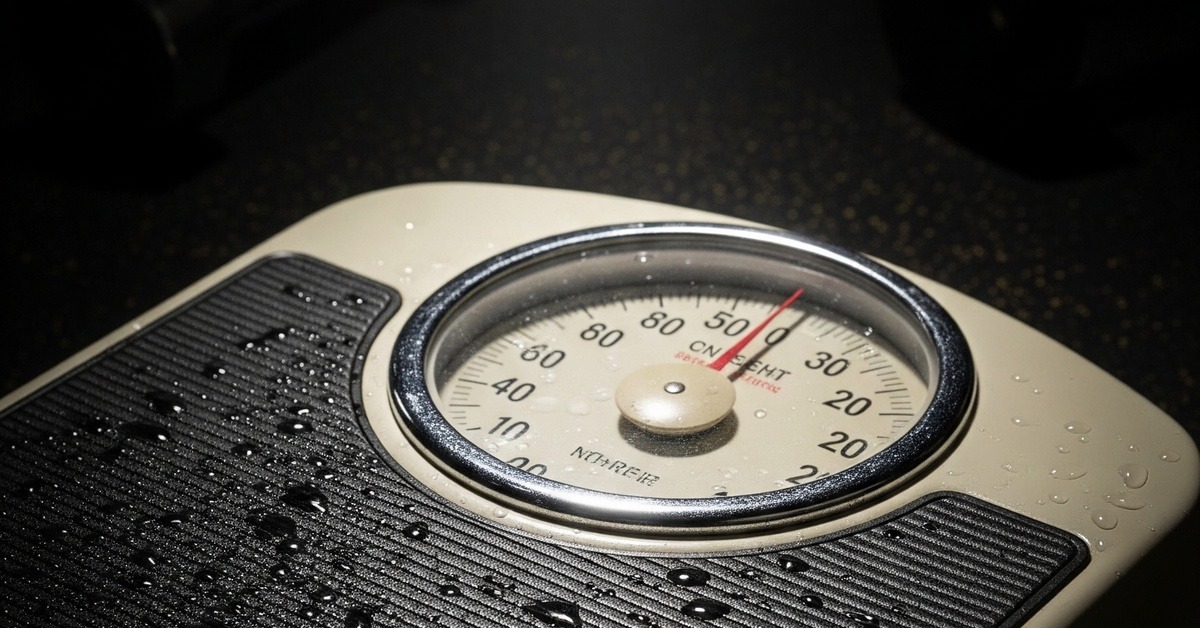
- Safe weight loss: 0.5–1 kg per week (CDC guidelines). The 50 kg target would require losing 3.5 times the upper safe limit.
- The Porsche represented a 57x return on a $1,400 entry fee — assuming anyone could actually achieve it.
- World records for medically supervised weight loss over 90 days max out around 20–25 kg, conducted in controlled clinical settings with constant monitoring.
- The Biggest Loser study (NIH, 2016) tracked contestants who lost weight rapidly. Within six years, most had regained the weight they’d lost. Some had regained more. Their metabolisms stayed broken the whole time.
- Rapid extreme weight loss causes complications that happen fast — gallstone formation, electrolyte imbalances, cardiac arrhythmias, organ stress.
Field Notes
- Reddit and TikTok split almost 50/50 — medical professionals calling it reckless, fitness enthusiasts asking for gym membership details.
- Diet gallstones develop quickly in crash-diet patients and hurt without warning. The clinical term exists because it happens often enough to need one.
- In Chinese consumer culture, a Porsche Panamera carries symbolic weight that transcends its actual resale value — which is precisely why this gym’s specific prize choice resonated in that market instead of somewhere else.
The Uncomfortable Question
Health campaigns have existed for decades. Carefully researched, earnestly worded, backed by every piece of science we’ve got about sustainable lifestyle change and long-term wellness. Obesity rates globally haven’t budged. Some places they’ve climbed. But one gym puts a Porsche on the wall, and millions of people suddenly start talking about bodies, ambition, limits, what we’re willing to do, what we think we’re worth.
This extreme weight loss challenge did more for global fitness conversation in a week than public health initiatives typically do in years. That last fact kept me reading for another hour, because the implications are genuinely unsettling. What does it mean that spectacular failure mobilizes us more than earnest success ever could?
The challenge wasn’t medically responsible. The experts were completely right about that part. But the question that actually matters is different: Why did a car unlock the conversation that years of careful advice couldn’t touch? What does that tell us about how we perceive risk, value ourselves, and believe in our own capacity to do impossible things?
Sometimes the most revealing stories aren’t about what people achieved. They’re about what people were genuinely willing to attempt when the reward felt transformational enough. The gym may or may not have handed out that Porsche. But they handed out something rarer — a moment where the whole world wondered out loud what the human body is capable of under pressure. And that question doesn’t settle cleanly. There’s more like this at this-amazing-world.com. The next one’s stranger.
Frequently Asked Questions
Q: What exactly did the gym offer?
A gym in China displayed a used Porsche Panamera—worth somewhere between $45,000 and $100,000 depending on model year—as the grand prize for anyone who could lose 50 kilograms (about 110 pounds) in 90 days. The entry fee was $1,400, meaning the car represented roughly a 57x return on the stake, assuming anyone could actually achieve the target. Many people signed up.
Q: Is losing 50 kg in 90 days safe?
No. Safe weight loss runs about 0.5 to 1 kilogram per week according to CDC guidelines, so the target demanded roughly 3.5 times the upper safe rate every week for twelve consecutive weeks. Forced weight loss at that pace pushes the body toward survival mode: muscle is cannibalized for energy, organ function slows, metabolism crashes, and crash-diet complications like gallstones can develop within weeks.
Q: What are diet gallstones?
Diet gallstones is a nickname doctors use because the complication is common enough in crash-diet situations to need one. Rapid, extreme weight loss can trigger gallstone formation in a matter of weeks, and most people don’t find out until sharp abdominal pain hits. Alongside gallstones, forced rapid weight loss brings electrolyte imbalances, cardiac arrhythmias and organ stress—problems that appear fast rather than gradually.
Q: Do extreme weight-loss results last?
Usually not. Medically supervised 90-day weight-loss records max out around 20 to 25 kilograms even in controlled clinical settings with constant monitoring. A 2016 NIH study of Biggest Loser contestants found that within six years most had regained the weight they lost—some regained more—and their metabolisms stayed suppressed the whole time. Rapid extreme loss tends to reverse while leaving lasting metabolic damage.
Illustrations are AI-generated. Article fact-checked and human-edited.