The Tiny Spanish Village That Voted to Stay Blue Forever
A Spanish village got painted blue by a Hollywood studio in 2011. Nobody expected what happened next — and not because of the tourists, though there were plenty of those.
Júzcar sits in the mountains above Málaga. Fewer than 250 people live there. It’s the kind of place that should’ve faded into the depopulation statistics Spain has been tracking for decades — young people leaving, economy collapsing, eventually just a beautiful ghost. Instead, someone made a choice that locked this village into one of the strangest transformations in European tourism history. All it took was a children’s cartoon and a vote.
Key Facts
- Sony Pictures painted Juzcar entirely blue in 2011 to promote the live-action Smurfs film.
- Juzcar drew 210,000 tourists in the first year after the painting despite having about 250 permanent residents.
- That ratio works out to roughly 840 tourists per resident in the first year.
- Residents voted democratically to keep the blue rather than restore the traditional white as agreed.
- The village sits at 690 meters elevation in the Serrania de Ronda, using an estimated 4,000 liters of paint.
In short: The Juzcar blue village Spain story began in 2011 when Sony Pictures painted the white Andalusian town blue to promote the Smurfs film. The marketing stunt drew 210,000 tourists in one year to a village of 250 people, so residents voted to keep the blue permanently, reversing rural depopulation.
The White Was Centuries Deep
The pueblos blancos — white villages — define the landscape of Andalusia. You can see them from miles away, these clusters of buildings blazing white against the Mediterranean sun. Júzcar was whitewashed. Definitively. Uniformly. The kind of white that’s tied to centuries of Moorish architecture and deep local pride. Cultural geographer Dr. María José Hernández at the University of Málaga has documented how tied that whiteness is to regional identity. So when Sony Pictures showed up in 2011 asking to paint the entire village electric blue as a promotional stunt for the live-action Smurfs film, the residents said okay. But only if you promise to paint it back.
The crews arrived with paint trucks. They covered everything. Walls. Archways. Flower pots. Park benches. Even the church facade. The shade was specific — a custom blue mixed for the campaign, not something you’d find at a hardware store. Cameras rolled. Photos went global. The marketing stunt worked exactly as intended.
And then the tourists started showing up.
The Unplanned Part
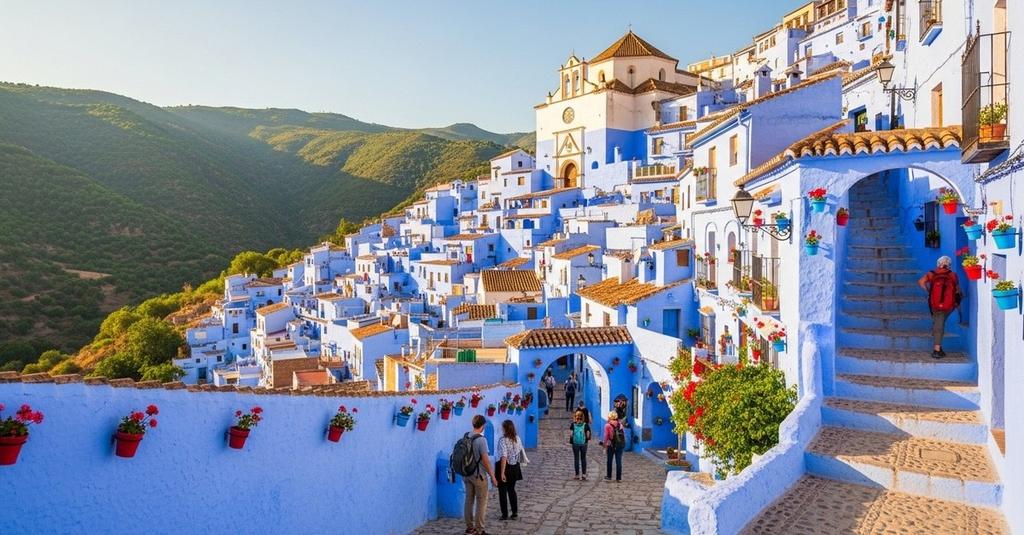
They came in busloads. Winding up narrow mountain roads just to see this surreal, electric blue village glowing against green hills. Restaurants filled. Shops ran out of stock. Kids in Smurf costumes posed by the fountain. This wasn’t supposed to happen. Nobody was predicting sustained tourism for a village this small and this isolated. That last fact kept me reading for another hour — trying to understand how a marketing stunt becomes an actual economy.
Before Sony could return with white paint, Júzcar’s residents called a vote. A real one. Democratic. Inside their small community building, they decided: keep the blue. The white never came back.
The Math Gets Strange Fast
- 210,000 tourists in the first year after the painting
- 250 permanent residents. That’s 840 tourists per person.
- Previous years? Virtually zero dedicated visitors. This wasn’t gradual growth. This was a cliff.
- The Málaga Tourism Board documented everything, because the numbers didn’t make sense at first.
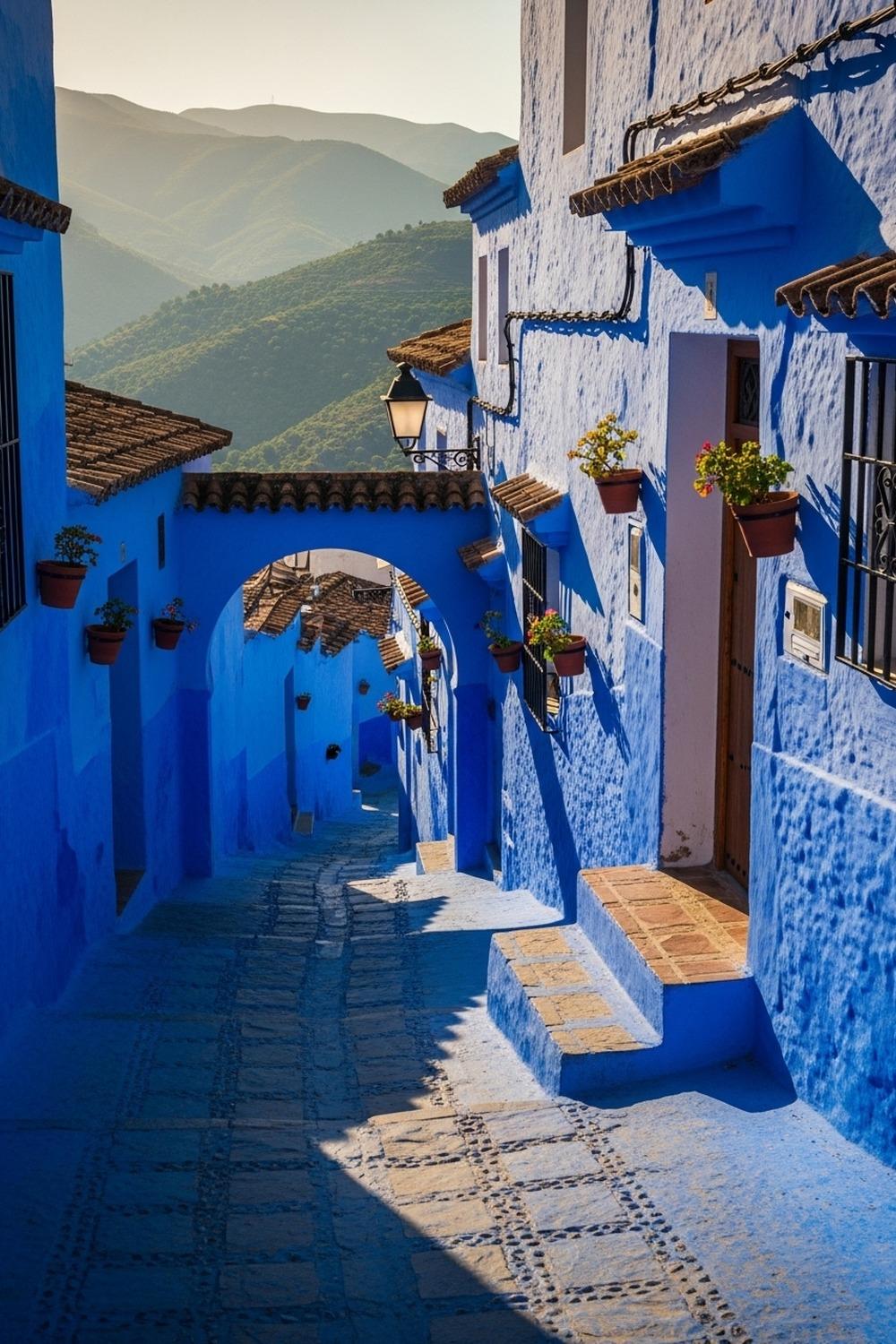
Sit with that ratio for a second. Eight hundred and forty. Every single resident of this village had nearly 1,000 strangers flowing through their streets in that first year.
The Smurfs Disappeared. The Village Stayed Blue.
Sony’s involvement basically ended after the vote. The studio moved on to sequels and streaming rights and the next marketing cycle. But Júzcar kept going. The residents leaned into the blue — not the cartoon characters or merchandise, but the blue itself as identity. New murals. Deeper shades. Repainted signs. Turns out a color can become a culture if you commit hard enough.
The specific blue isn’t standard.
It’s custom. Reproduced each time a building needs repainting.
Visitors who’ve never seen a Smurf in their lives still make the drive into those mountains just to stand inside something that looks unlike anywhere else. The story matters more than the movie ever did.
Field Notes
- The village sits at 690 meters elevation in the Serranía de Ronda — one of the highest and most isolated tourist destinations in Málaga province — which makes the visitor numbers even more remarkable.
- Several other Spanish villages tried replicating the model by adopting dominant colors as tourist hooks. None achieved comparable numbers. Turns out the story behind the blue matters as much as the color itself.
- Official branding gradually shifted away from Smurfs and toward “the blue village” — the cartoon was scaffolding for something bigger.
- An estimated 4,000 liters of paint in that first campaign. That figure gets repeated with every repaint now.
Why Rural Europe Should Be Paying Attention
Rural depopulation is the crisis nobody talks about until it’s too late. Villages across Spain and the wider European countryside lose young people, tax base, schools, doctors. They become preserved ghosts. Júzcar accidentally found what planners spend six figures on consultants trying to discover: a genuine reason for people to show up. Not manufactured. Not packaged. Real.
Here’s the philosophical part that actually matters: the residents made a choice about identity. That something can become real even if it started as marketing. That a village can reinvent itself without disappearing. They did it with a vote and a can of paint.
The village is still up there in those mountains. Still entirely blue. Still pulling people from across the world who want to stand inside something genuinely strange and genuinely human. A color. A community. One unexpected democratic moment that saved a place everyone thought was already fading away.
For more stories about places where one choice changed everything, check this-amazing-world.com.
Did You Know?
- The blue village Spain painted over centuries of architectural tradition in a single week — and the residents voted to keep it that way forever.
- Júzcar’s economy transformed from agriculture (cork oak and chestnuts) to tourism almost overnight after 2011.
- No other color-based tourism initiative in Spain has matched Júzcar’s visitor numbers despite similar attempts.
More Facts About the Blue Village
- The shade of blue used is not commercially available — it’s a proprietary custom mix developed specifically for the Sony campaign and reproduced for maintenance ever since.
- Young people who had been leaving the village before 2011 returned as new businesses opened — reversing the rural depopulation trend that defined the region.
- Júzcar’s transformation is now studied in tourism management courses as a case study of accidental branding success.
Frequently Asked Questions
Q: Why did Juzcar become a blue village in Spain?
Juzcar became blue in 2011 when Sony Pictures painted the entire Andalusian village electric blue as a promotional stunt for the live-action Smurfs film. Residents agreed on the condition that the studio would later repaint it white. The crews covered everything, including walls, archways, flower pots, benches, and even the church facade, using a custom blue mixed specifically for the campaign. The marketing photos went global and tourists soon began arriving in busloads.
Q: Why did Juzcar stay blue instead of being repainted white?
After the painting, tourists arrived in unexpected numbers, drawing 210,000 visitors in the first year to a village of about 250 residents. Restaurants filled and shops ran out of stock. Before Sony could return with white paint, Juzcar’s residents called a real democratic vote inside their community building and decided to keep the blue. The white never came back, and the village leaned into blue as a permanent identity with new murals and repainted signs.
Q: How many tourists visit Juzcar each year?
Juzcar drew 210,000 tourists in the first year after it was painted blue in 2011, compared to virtually zero dedicated visitors in previous years. With only 250 permanent residents, that works out to roughly 840 tourists per person, an extraordinary ratio for such a small, isolated mountain village. The Malaga Tourism Board documented the surge because the numbers were so unusual that they did not make sense at first.
Q: Where is the Juzcar blue village located?
Juzcar sits in the mountains above Malaga in the Andalusia region of southern Spain, at 690 meters elevation in the Serrania de Ronda. This makes it one of the highest and most isolated tourist destinations in Malaga province. The village was traditionally one of Andalusia’s pueblos blancos, or white villages, whose whitewashed buildings are tied to centuries of Moorish architecture before Sony’s 2011 campaign transformed it into a blue village.
Illustrations are AI-generated. Article fact-checked and human-edited. Our editorial standards.