What Animal Can’t Get Cancer? The Honest 2026 Answer
If you’ve ever wondered what animal can’t get cancer, the honest answer is more interesting than the clickbait version: no animal is truly immune, but three species come astonishingly close — and their biology is rewriting human cancer research.
Key Facts
- Naked mole rats have only about six documented tumor cases across decades of captive colonies, compared to 50–90% of laboratory mice that die of cancer.
- African elephants carry roughly 20 copies of the TP53 tumor-suppressor gene — humans carry just one — yet their cancer mortality rate sits near 4.8%, well below the human range of 11–25%.
- Bowhead whales can live more than 200 years with over 1,000 times the cells of a human and still show astonishingly low cancer rates.
- A November 2025 study in Nature identified a single protein, CIRBP, that bowhead whales produce at 100× human levels to repair DNA damage before it turns malignant.
- The popular claim that sharks don’t get cancer is a myth, traced to a 1992 book and a debunked shark-cartilage industry — sharks get tumors of skin, jaw, and cartilage itself.
In short: Naked mole rats, elephants, and bowhead whales all suffer cancer far less than expected, but for completely different biological reasons. Each species solves the same problem with a different trick — and human medicine is now borrowing all three.
Key Facts
- Naked mole rats have only about six documented tumour cases across decades of captive colonies, versus 50–90% of laboratory mice that die of cancer.
- African elephants carry roughly 20 copies of the TP53 tumour-suppressor gene to humans’ one, yet their cancer mortality is about 4.8% versus the human range of 11–25%.
- Bowhead whales can live more than 200 years with over 1,000 times the cells of a human while showing very low cancer rates.
- A November 2025 study in Nature identified the protein CIRBP, which bowhead whales produce at roughly 100× human levels to repair DNA damage.
- The claim that sharks don’t get cancer is a myth traced to a 1992 book; sharks develop tumours of skin, jaw and cartilage.
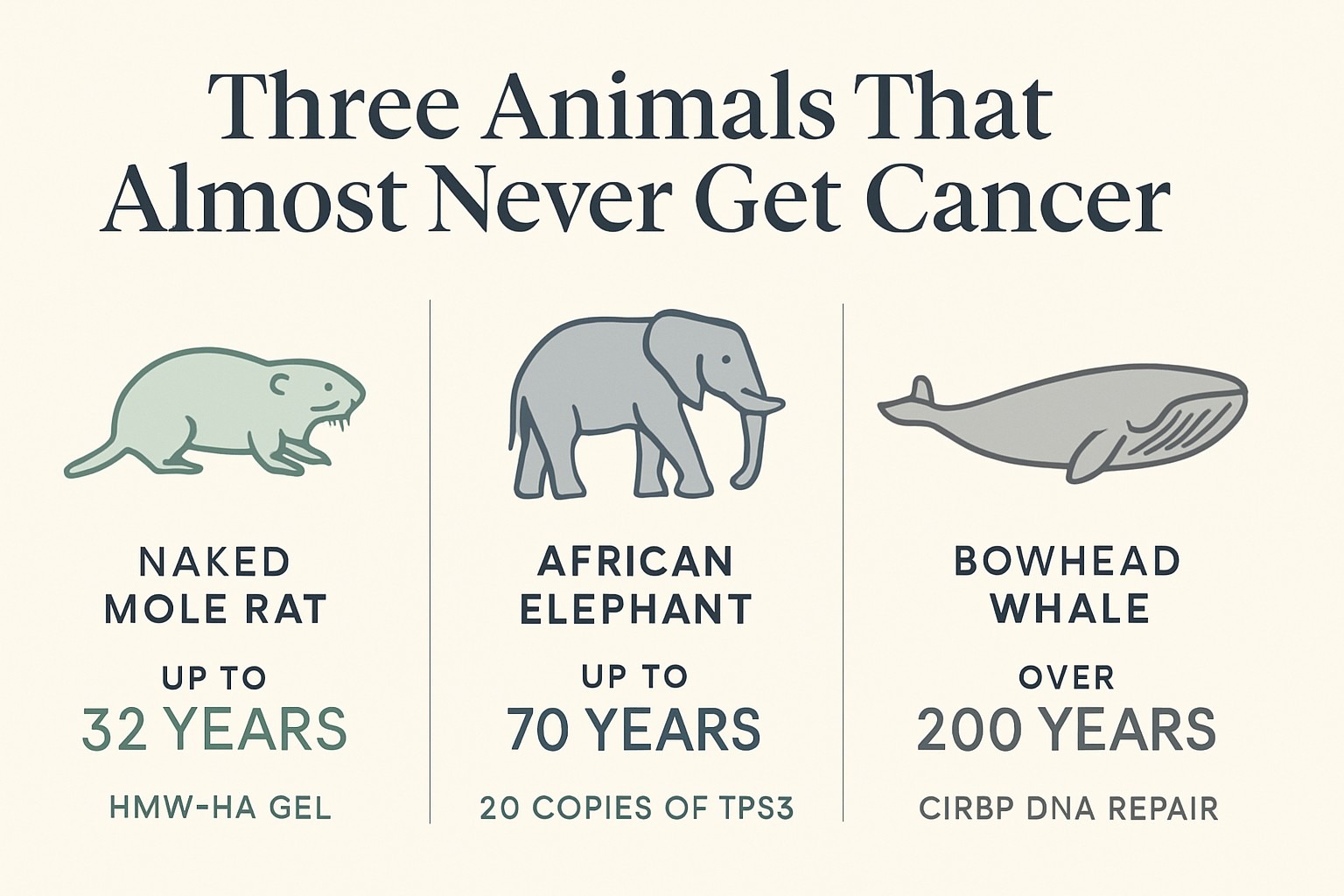
In short: No animal is truly cancer-proof, but naked mole rats, African elephants and bowhead whales come remarkably close — each by a different mechanism. Mole rats block crowding with a sticky sugar, elephants carry about 20 TP53 ‘kill switch’ genes, and bowheads repair DNA via the protein CIRBP. Human medicine is now borrowing all three.
The Honest Answer: No Animal Is Truly Cancer-Proof
Search the question and you’ll see confident headlines: This animal cannot get cancer. They’re wrong, and the truth matters. Cancer is what happens when a single cell breaks the rules of cooperation that hold a body together. Every animal with cells is, in principle, at risk. The real question is not which animal is immune but which animals have evolved the strongest defenses — and what those defenses can teach us.
Three species sit at the top of that list, and each one earned its place a different way. The naked mole rat builds a chemical fence that stops cells from crowding. The African elephant carries dozens of extra “kill switches” inside every cell. The bowhead whale doesn’t try to kill damaged cells at all — it repairs them with surgical precision. Same problem. Three completely different answers.
That diversity is the gift to medicine, not the trivia.
{IMAGE_2}
Naked Mole Rats: The Closest Thing to Immunity
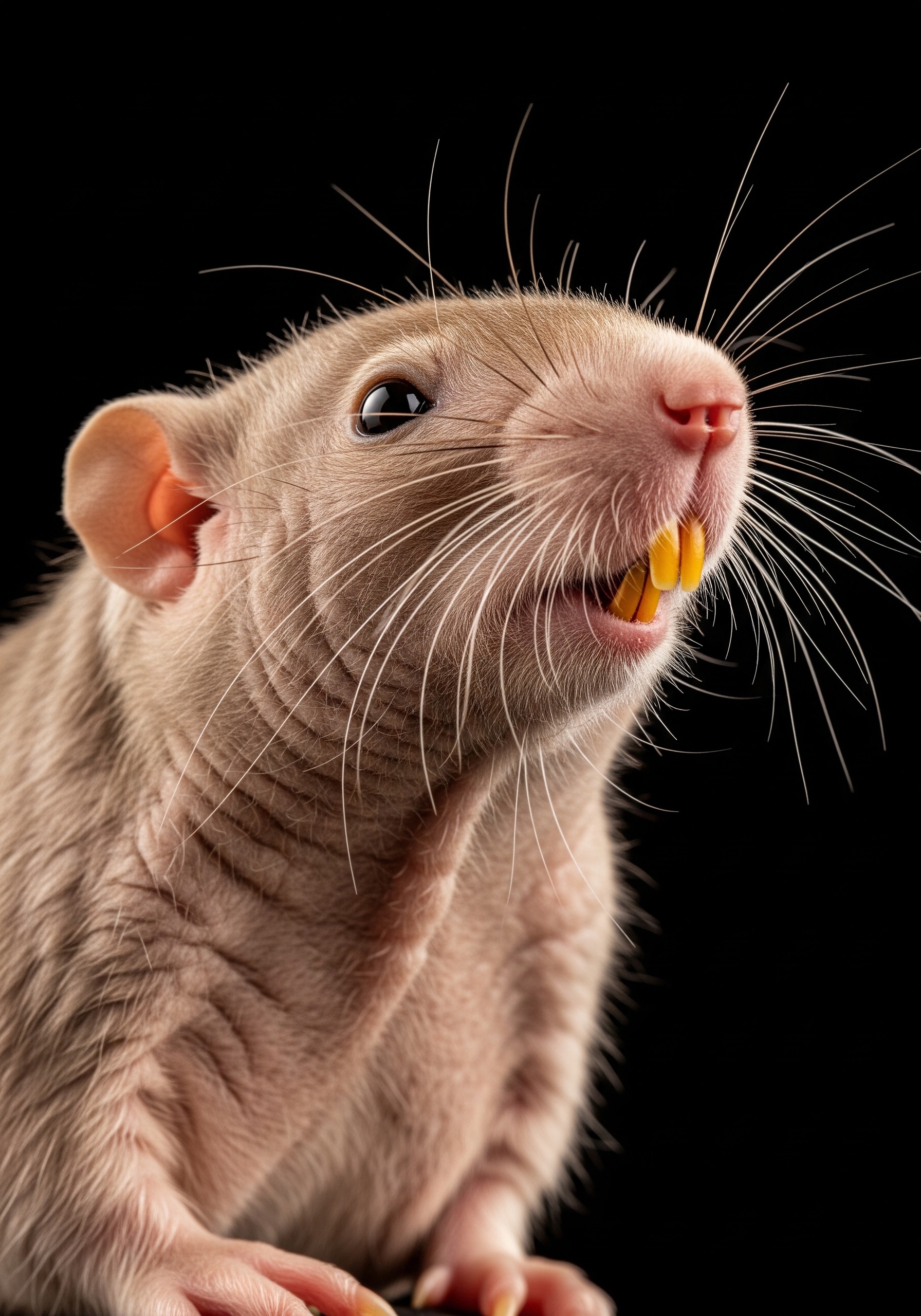
The naked mole rat looks like a thumb with teeth. It lives underground in East Africa, in colonies organized like a beehive, and it ages so slowly that researchers struggle to find any age-related disease in it at all. The longest-lived individuals reach 32 years — more than ten times what a similar-sized mouse manages.
In 2013, biologists Vera Gorbunova and Andrei Seluanov at the University of Rochester figured out why cancer is so rare. The animal’s cells secrete a sticky, gel-like sugar molecule called high-molecular-weight hyaluronan (HMW-HA), and they produce it in roughly five times the quantity human cells do. When mole-rat cells start to crowd one another, this gel triggers a hair-trigger version of “contact inhibition” — the cells stop dividing. A would-be tumor never gets a chance to form a clump.
Here’s the thing: HMW-HA isn’t a naked-mole-rat invention. Every mammal makes it, including you. The mole rat just makes a heavier, stickier form, and it keeps it around because its cells are stingy with the enzymes that normally break it down. In 2023, Seluanov’s team transplanted the mole-rat version of the gene (HAS2) into mice — and the mice lived measurably longer and developed fewer tumors.
One honest caveat. Naked mole rats do occasionally develop cancer; about half a dozen cases have been documented in captive populations. “Cancer-resistant” is the accurate phrase. “Cancer-proof” is marketing.
How Elephants Beat Peto’s Paradox
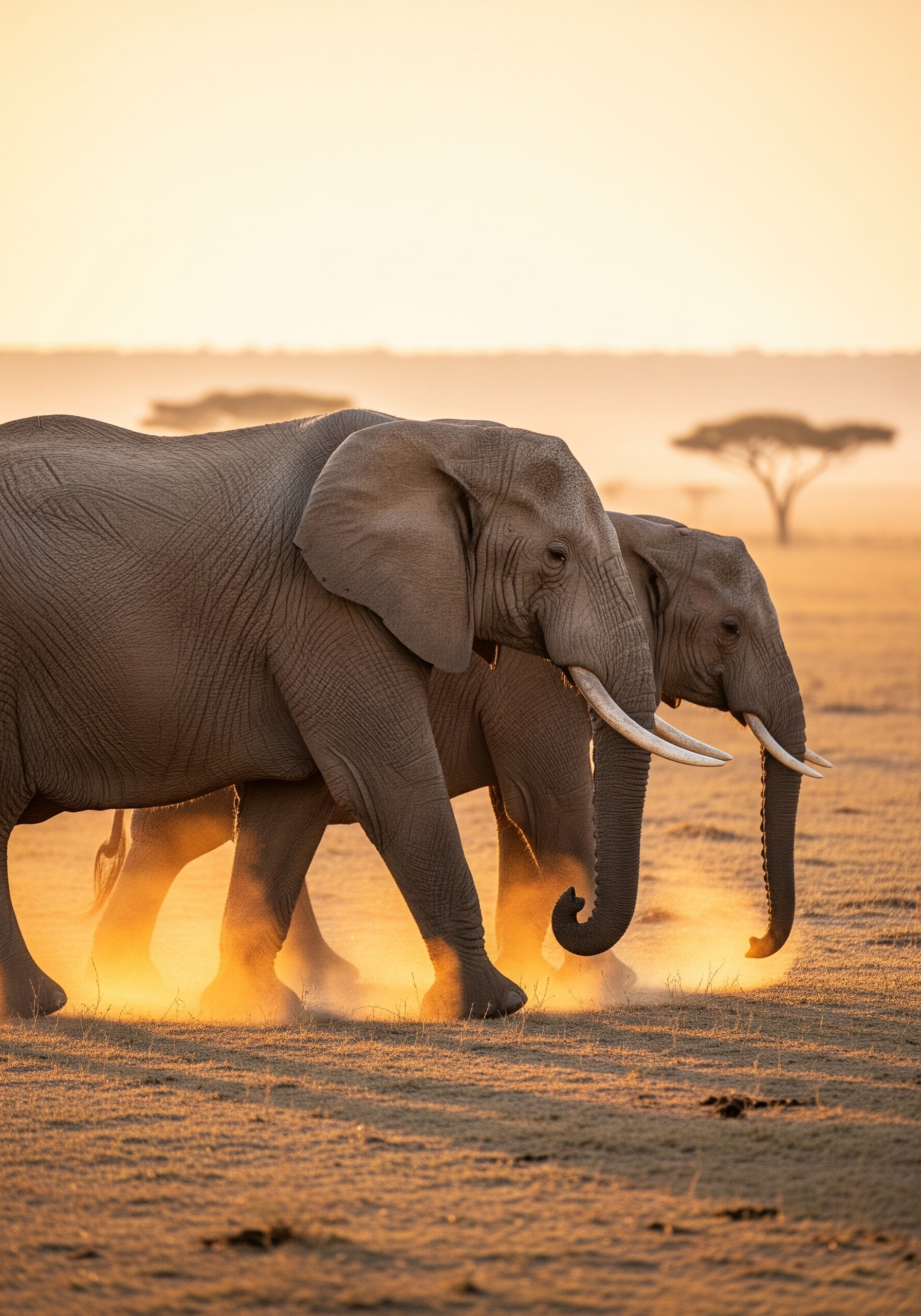
An African elephant carries roughly 100 trillion cells, about a thousand times more than you do, and it lives 60 to 70 years. By any naive math, every elephant alive should be riddled with tumors. They aren’t. Their cancer mortality rate runs around 4.8%, less than half the lowest human rate.
British epidemiologist Sir Richard Peto noticed this contradiction in 1977 and it has carried his name ever since: Peto’s Paradox. More cells should mean more cancer. They don’t.
In 2015, pediatric oncologist Joshua Schiffman at the Huntsman Cancer Institute and evolutionary biologist Vincent Lynch (then at the University of Chicago, now at the University at Buffalo) cracked open the elephant genome and found the answer. Humans carry one copy of TP53, the master tumor-suppressor gene sometimes called “the guardian of the genome.” African elephants carry about 20. One copy is the ancestral version. The other 19 are retrogenes — duplicate copies that evolution stitched into the genome as elephants grew larger over the past 30 million years.
What does all that extra TP53 do? When an elephant cell suffers DNA damage that might lead to cancer, it does not try to patch the damage. It commits suicide. The cell self-destructs through a process called apoptosis at the slightest provocation. Where a human cell might attempt repair and risk passing on a mutation, an elephant cell shrugs and dies. Cheaper to lose one cell than to lose the elephant.
Peto’s Paradox by the numbers
- Human cancer mortality: 11–25% (varies by country and lifestyle)
- Elephant cancer mortality: ~4.81% across 644 zoo records
- TP53 gene copies, human: 1
- TP53 gene copies, African elephant: ~20 (1 ancestral + 19 retrogene copies)
- Naked mole rat tumors documented: ~6 cases in decades of captive colonies
- Bowhead whale CIRBP protein levels: ~100× those of other mammals
Bowhead Whales and the 2025 DNA-Repair Discovery
The bowhead whale is the second-largest animal on Earth and almost certainly the longest-lived mammal. Indigenous Inupiat hunters have pulled stone-tipped harpoon fragments — last used commercially in the 1880s — out of freshly killed whales. Biologists now estimate maximum lifespan at well over 200 years.
For decades the bowhead was the great mystery of Peto’s Paradox. With ten times the cells of an elephant and twice the lifespan, it should have been the planet’s most cancer-stricken creature. Instead, autopsied bowheads almost never show malignant tumors.
In November 2025, a team led by Vera Gorbunova published the answer in Nature. The bowhead does not rely on extra tumor-suppressor genes the way elephants do. It does something subtler. It repairs DNA damage with extraordinary fidelity — and it does so because it produces a small protein called CIRBP (cold-inducible RNA-binding protein) at roughly 100 times the level seen in other mammals. CIRBP is exquisitely good at fixing double-strand breaks, the most dangerous type of DNA damage and the type most likely to trigger cancer.
That is a genuinely different strategy. Elephants kill suspicious cells. Naked mole rats refuse to let them crowd. Bowheads quietly mend the damage and keep the cell. Three biological philosophies, all working.
Three Strategies, One Goal: What Animal Can’t Get Cancer Best?
If you have to pick a champion, the naked mole rat earns it — not because it’s invincible, but because its strategy is the most thoroughly studied, the most reproducible in the lab, and the easiest to imagine borrowing for human medicine. But the comparison is what matters, not the ranking.
| Species | Max lifespan | Cancer strategy | Key molecule |
|---|---|---|---|
| Naked mole rat | ~32 years | Prevent crowding (contact inhibition) | HMW-hyaluronan |
| African elephant | ~70 years | Kill damaged cells aggressively (apoptosis) | ~20× TP53 |
| Bowhead whale | 200+ years | Repair DNA damage perfectly | CIRBP (100× human levels) |
| Blind mole rat (Spalax) | ~21 years | Mass suicide of pre-tumor cells (necrotic burst) | Interferon-β pathway |
A fourth animal belongs in that table. The blind mole rat Spalax, a separate species from the naked mole rat that Gorbunova’s lab also studies, uses an even more dramatic trick: when cells detect early signs of becoming tumors, an entire patch of tissue commits suicide together in a coordinated burst, taking the would-be cancer with it. Different lineage, different mechanism, same outcome.
The Shark-Cartilage Myth That Refuses to Die
You may have heard that sharks don’t get cancer. They do. The claim traces to a 1992 book called Sharks Don’t Get Cancer by I. William Lane, which fueled a multi-million-dollar industry selling shark-cartilage supplements as cancer cures. It killed an estimated tens of millions of sharks and helped no human patient — multiple controlled clinical trials in the 2000s found shark cartilage offered zero benefit over placebo.
Marine biologists have documented tumors in great whites, blue sharks, and other species. Sharks even get cancer of cartilage itself, the very tissue the supplements were made from. The Registry of Tumors in Lower Animals at the Smithsonian Institution has cataloged shark tumors going back decades. The myth persisted because it was profitable, not because it was true.
This matters here. When real cancer-resistance science gets bundled together with debunked folklore, it costs the real science credibility — and it costs the wildlife.
What This Means for Human Medicine
So if these animals have figured cancer out, can we copy them? Cautiously, yes — and the work is further along than most people realize.
At Peel Therapeutics, a biotechnology company co-founded by Joshua Schiffman, researchers are developing elephant-TP53-loaded lipid nanoparticles as a cancer therapy. The idea is to deliver the elephant version of the gene directly into human tumor cells, where it may trigger the same aggressive cell-death response that protects elephants. Preclinical data presented at the 2025 American Association for Cancer Research meeting showed activity in non-small-cell lung cancer and colon cancer models. The same elephant TP53 also kills canine osteosarcoma cells in the lab, opening a possible veterinary path.
Hyaluronan research is moving in parallel. The Rochester team’s 2023 mouse experiments — transplanting the naked-mole-rat HAS2 gene into ordinary mice and watching them live longer with fewer tumors — provided proof of concept. The next step is figuring out how to safely raise HMW-HA levels in human tissue without disrupting the dozens of other processes hyaluronan touches.
The CIRBP discovery is the newest of the three and arguably the most exciting. Boosting DNA-repair fidelity without killing cells outright could, in principle, address both cancer and aging at once. That work is still in cell culture. No one is promising a pill.
None of this is a cure. All of it is, finally, a real lead.
Frequently Asked Questions
Q: Is there any animal that absolutely cannot get cancer?
A: No. Cancer has been documented in mammals, birds, reptiles, fish, and even mollusks. The naked mole rat is the closest thing we have to a cancer-immune animal, but a handful of cases have been recorded even in it.
Q: Why don’t elephants get cancer if they have so many cells?
A: They have roughly 20 copies of the TP53 tumor-suppressor gene. When elephant cells suffer DNA damage, they self-destruct quickly rather than risk becoming cancerous. Humans carry only one TP53 copy, which is why losing it (as in Li-Fraumeni syndrome) sharply raises cancer risk.
Q: What is Peto’s Paradox?
A: Named after epidemiologist Richard Peto in 1977, it is the observation that bigger, longer-lived animals should statistically suffer more cancer — they have more cells dividing more times — but they don’t. Larger animals have evolved stronger cancer defenses. The paradox is now considered solved in principle, with different species using different solutions.
Q: Do sharks really not get cancer?
A: Sharks do get cancer. Tumors of skin, cartilage, and internal organs have been documented in many shark species. The myth originated with a 1992 book that promoted shark-cartilage supplements, which clinical trials have since shown to be ineffective against cancer in humans.
Sources
- Tian, X., Azpurua, J., et al. “High-molecular-mass hyaluronan mediates the cancer resistance of the naked mole rat.” Nature, 2013 (Gorbunova & Seluanov lab, University of Rochester).
- Abegglen, L. M., Schiffman, J. D., et al. “Potential Mechanisms for Cancer Resistance in Elephants and Comparative Cellular Response to DNA Damage in Humans.” JAMA, 2015.
- Sulak, M., Lynch, V. J., et al. “TP53 copy number expansion is associated with the evolution of increased body size and an enhanced DNA damage response in elephants.” eLife, 2016.
- Firsanov, D., Gorbunova, V., et al. “Evidence for improved DNA repair in the long-lived bowhead whale.” Nature, November 2025.
- Ostrander, G. K., et al. “Shark Cartilage, Cancer and the Growing Threat of Pseudoscience.” Cancer Research, 2004 (debunking the shark-cancer myth).
Cancer is not a single disease and there will never be a single cure. But evolution has been running the experiment for 600 million years, and a small handful of animals — burrowed, beached, and pachyderm — appear to have stumbled on real answers. Learning to read those answers is some of the most hopeful work in medicine right now.
Illustrations are AI-generated. Article fact-checked and human-edited. Our editorial standards.