Why Singing Heals You Even If You’re Terrible At It
Nobody in the Frankfurt choir that morning was thinking about their immune system. They were just singing. That’s what makes what happened next so strange.
In 2010, researchers at the University of Frankfurt measured choir members before and after a single rehearsal. Cortisol dropped. Immunoglobulin A climbed. Both markers, moving in opposite directions, simultaneously — and the effect had nothing to do with who could actually sing.
Key Facts
- A 2010 University of Frankfurt study measured choir members before and after a single rehearsal, finding cortisol dropped and Immunoglobulin A climbed
- The study, led by Gunter Kreutz, found the effect was tied to emotional engagement, not vocal skill
- Georgian polyphonic singing has been practiced for over 1,500 years
- Research in Music Perception found group singing aligns participants’ heart rates within minutes
- Singing engages the same dopamine pathways as eating and sex at the neurochemical level
In short: The singing health benefits documented in a 2010 University of Frankfurt study were striking: after one choir rehearsal, cortisol dropped and immune marker IgA climbed, with effects tied to emotional engagement rather than vocal skill. Deep breathing, rhythm, and emotional release power the response, none of which require training or a good voice.
Singing Health Benefits Researchers Didn’t Expect to Find
The Frankfurt team tracked two markers: cortisol, the stress hormone your body releases when it’s under pressure, and Immunoglobulin A — the frontline antibody your immune system deploys against respiratory infections. One rehearsal. Both shifted. Researcher Gunter Kreutz, who led the study, noted that the effect wasn’t tied to vocal skill at all. It was tied to emotional engagement.
Not the best singers. The ones who felt something.
That distinction is worth sitting with, because it upends the assumption most people carry without realizing it — that music’s benefits belong to people who’ve earned them through practice. Technique didn’t move the needle in Kreutz’s data. Feeling did. Which raises the obvious question: why did it take a lab study to tell us something the body apparently already knew?
Three Things Happen When You Open Your Mouth
The biology isn’t mysterious once you pull it apart. Singing forces deep diaphragmatic breathing — slower, fuller breaths that physically tap the brakes on your nervous system. That’s the first mechanism. The second is that rhythmic and melodic structure gives your brain a pattern to lock onto, pulling attention away from whatever anxious loop it was running. And the third — harder to quantify, possibly the most important — is emotional release. Stress locks things in the body. Singing moves them through.
None of these require training.
None require a good voice. They’re baked into the act itself, not the performance of it. You don’t have to earn them. You just have to actually do it, which turns out to be the harder part for most adults.
Your Nervous System Doesn’t Care If You’re Off-Key
The singing health benefits conversation gets even more interesting here: the nervous system doesn’t have opinions about pitch. When you breathe deeply and rhythmically, vagal tone increases — your body shifts from fight-or-flight into rest-and-repair mode. That process is physiological. It doesn’t check your vocal range first.
A person singing badly in the car on a Tuesday is running the same basic biological program as a trained soprano mid-performance.
And most of us already know this instinctively, even if we’d never phrase it that way. You’ve hummed when you were anxious. You’ve sung louder when a favorite song came on, even completely alone. You weren’t thinking about cortisol levels. You were just doing something the body already understood and had been waiting for you to get back to.
Ancient Cultures Already Knew Something Was Working
It is somewhere in the fifth century. A Georgian village is ending its workday the way it has for generations — in layered, interlocking voices that don’t quite resolve the way Western ears expect them to. Nobody there has a word for immunoglobulin. They don’t need one.
The singing health benefits we’re measuring in labs today aren’t new discoveries. They’re confirmations. Georgian polyphonic singing has been practiced for over 1,500 years. West African griot traditions — where designated singers carry the memory and emotional life of entire communities — stretch back even further. These weren’t aesthetic choices. They were functional ones. Cultures that had no concept of cortisol built singing into the architecture of daily life because something about it clearly worked.
The body knew. The culture preserved it. The lab eventually caught up.
Turns Out Listening Alone Doesn’t Do the Same Thing
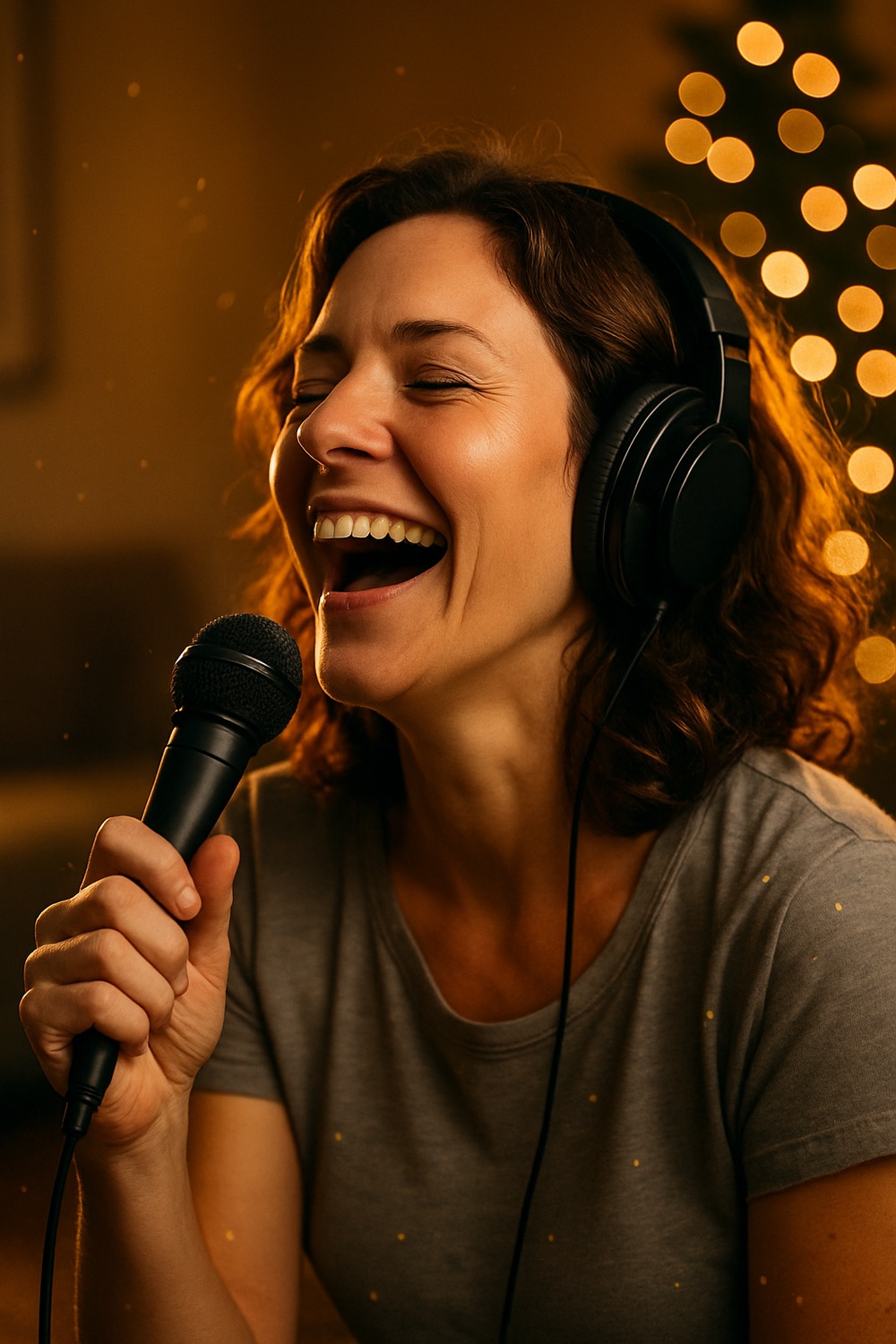
Passive listening to music has real benefits — mood regulation, pain reduction, mild stress relief. That’s documented. But the active, physical act of singing produces a measurably different and stronger physiological response, and the gap between the two is bigger than most people assume.
When you sing, you’re not just receiving sound. You’re generating it. Your whole respiratory system gets involved. Facial resonators vibrate. Posture changes. It’s participatory in a way that streaming a playlist simply isn’t, no matter how carefully the algorithm curated it.
That last distinction kept me reading about this for another hour.
Because we’ve built a culture that mostly consumes music rather than makes it. Singing moved from communal spaces — around fires, in fields, in churches — to stages and screens, and somewhere in that migration, it became something you do if you’re good at it. Most people haven’t sung out loud, with others, in months. Maybe longer. And the gap between consuming and creating might be costing us something we can’t quite name but definitely feel.
By the Numbers
- In the 2010 University of Frankfurt study, IgA levels increased measurably after a single choir rehearsal — strongest effects in singers reporting high emotional engagement, not technical skill.
- Heart rates synchronize. Research in Music Perception found group singing aligns participants’ heart rates within minutes — a physiological bonding effect not replicated by other social activities.
- Choir participation has been linked in multiple studies to reduced loneliness scores in elderly populations. In one UK trial, singing groups outperformed other social interventions for mental health outcomes after just 10 weeks.
- Same dopamine pathways as eating and sex.
- The brain doesn’t distinguish between biological survival rewards and music-making at the neurochemical level — which is either reassuring or deeply strange depending on how you look at it.
Field Notes
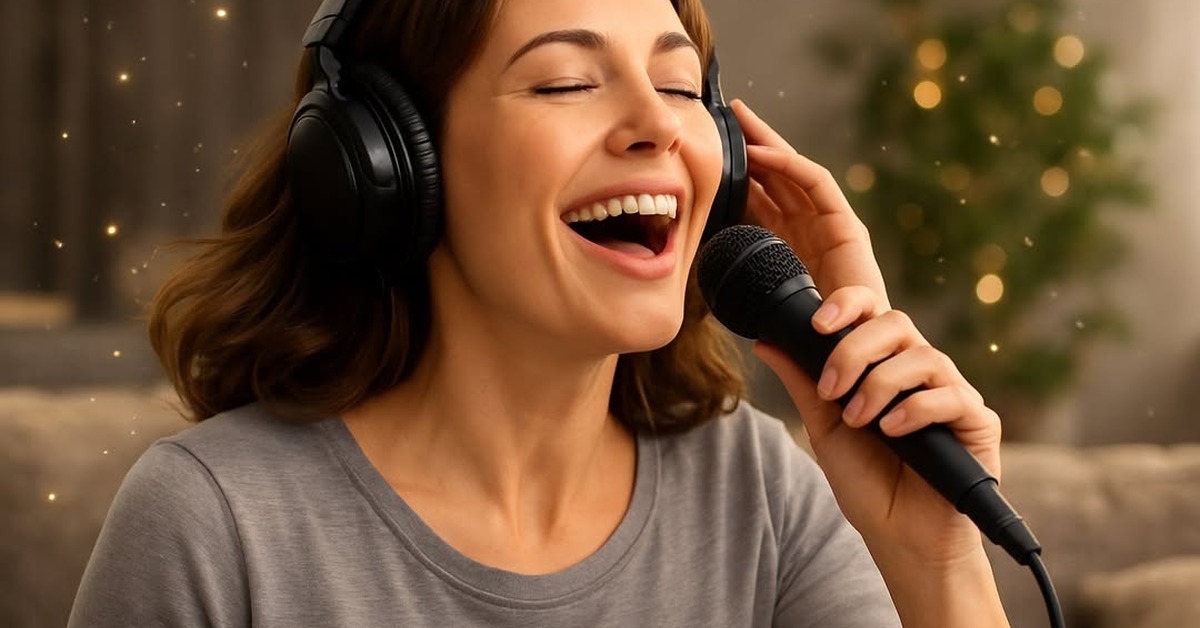
- Newborns calm down longer when sung to than when talked to — before language even develops, the response is already there.
- Group singing functions as a pain management tool: people who sing together tolerate discomfort longer, likely because synchronized activity triggers endorphin release more effectively than solo activity does.
- Frisson — the physical chills some people get from music — correlates with higher openness to emotion and measurably deeper music processing in brain imaging studies. Not everyone experiences it. The people who do tend to feel music differently across the board.
What We Lost When We Stopped Singing Together
The modern world didn’t intend to take singing away from ordinary people.
It just made consuming music easier than making it — and somewhere in that shift, imperfect voices were quietly told to stay quiet. We built karaoke rooms and shower stalls as the last socially acceptable spaces for regular people to actually sing out loud. That’s a genuinely strange thing, when you sit with it for a moment.
The singing health benefits we’re now documenting in research labs existed long before performance culture decided that music belonged to the talented. The biology hasn’t changed. The need hasn’t gone anywhere. What changed is the permission. We stopped giving it to ourselves, and then forgot we ever had it.
The cost isn’t just personal, either. Singing together — badly, loudly, off-key — does something to a group of people that can’t be replicated by sitting in the same room watching the same screen. It synchronizes breathing. It aligns heart rates. It requires listening and responding at the same time. It’s one of the oldest technologies humans have ever developed for creating felt connection between bodies in a shared space, and we’ve mostly archived it under “entertainment” and moved on.
The researchers in Frankfurt weren’t studying joy. They were studying antibodies. But underneath their data is something older and harder to quantify — the body was built for this. Not for polished performance. For the act itself. Open your mouth, breathe deeply, make sound with other people, and something shifts. Something always shifted. We just forgot it was allowed. There’s more where this came from at this-amazing-world.com — and the next one is even stranger.
Frequently Asked Questions
Q: What did the Frankfurt study find about singing health benefits?
In 2010, University of Frankfurt researchers measured choir members before and after a single rehearsal. Cortisol, the stress hormone, dropped, while Immunoglobulin A, the frontline antibody against respiratory infections, climbed, both markers moving in opposite, beneficial directions at once. Researcher Gunter Kreutz, who led the study, found the effect was tied not to vocal skill but to emotional engagement. The singers who felt something, not the best singers, showed the strongest response.
Q: Do you need to be a good singer to get the benefits?
No. The nervous system doesn’t have opinions about pitch. Three mechanisms drive the benefits: deep diaphragmatic breathing that calms the nervous system, rhythmic and melodic structure that pulls attention from anxious loops, and emotional release. When you breathe deeply and rhythmically, vagal tone increases and the body shifts from fight-or-flight into rest-and-repair mode. A person singing badly in the car runs the same basic biological program as a trained soprano mid-performance.
Q: Is singing better than just listening to music?
Yes, measurably. Passive listening has real benefits like mood regulation and mild stress relief, but the active, physical act of singing produces a stronger physiological response. When you sing you generate sound rather than just receiving it: your whole respiratory system engages, facial resonators vibrate, and posture changes. Research in Music Perception also found group singing aligns participants’ heart rates within minutes, a physiological bonding effect not replicated by other social activities.
Q: How long have cultures used singing for wellbeing?
Far longer than the lab studies. Georgian polyphonic singing has been practiced for over 1,500 years, and West African griot traditions, where designated singers carry the emotional life of entire communities, stretch back even further. These cultures had no concept of cortisol or immunoglobulin but built singing into the architecture of daily life because something about it clearly worked. The biology hasn’t changed, and singing engages the same dopamine pathways as eating and sex.
Illustrations are AI-generated. Article fact-checked and human-edited. Our editorial standards.