The Limo Driver Fred Rogers Refused to Leave Alone
The limo driver was supposed to wait in the dark. Two hours, maybe three — the kind of night where you sit in the front seat, engine off, scrolling through nothing on your phone because there’s nothing else to do. Then Fred Rogers walked out of the house and asked if he was hungry.
That’s the part that breaks the pattern of how we think about famous people. Not the kindness itself — that’s expected from someone who spent 31 years telling children they were worthy of love exactly as they were. It’s that the kindness didn’t stop when the cameras turned off. It didn’t stop in parking lots. It followed him into the front seat of a limousine, into a stranger’s living room, into handwritten letters that nobody would ever know about unless someone decided to tell the story decades later.
Key Facts
- Fred Rogers wrote an estimated 17,000 handwritten letters over his lifetime, doing correspondence before 5 a.m. daily for over 30 years.
- Mister Rogers’ Neighborhood ran for 912 episodes across 31 seasons from 1968 to 2001.
- Rogers received over 100 awards in his lifetime, including the Presidential Medal of Freedom in 2002.
- In 1969 Rogers testified before the U.S. Senate, reportedly moving Senator John O. Pastore to tears in under seven minutes and securing public television funding.
- Rogers maintained a weight of 143 pounds, which he said stood for the letter counts in the phrase I love you.
In short: Fred Rogers kindness extended far beyond the camera: he once invited a waiting limo driver in for dinner, visited his family, and later phoned him during illness. Across 31 seasons and 912 episodes, Rogers wrote an estimated 17,000 handwritten letters before 5 a.m. daily, practicing warmth privately whether anyone watched or not.
A Man Saw Another Person Sitting Alone
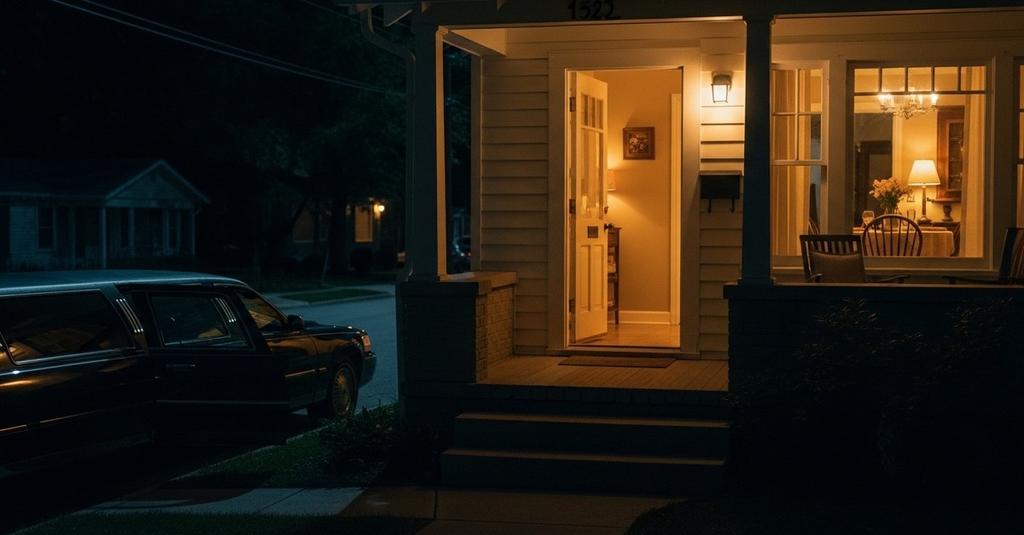
It was Pittsburgh. An ordinary evening outside a PBS executive’s home. The limousine idled. The driver settled into the kind of anonymous labor that makes up most of a working life — invisible, quiet, expected to be patient.
Then the front door opened.
Fred Rogers walked out himself. No assistant. No message relayed through someone else. He stood there in the driveway and asked the driver if he’d eaten dinner. The answer was no. So Rogers invited him inside.
Here’s the thing about that decision: it’s small enough that it could have meant nothing. A nice gesture. A moment of warmth. Except it wasn’t.
He Moved to the Front Seat on the Way Home
After dinner, most people would climb into the back of the limo and settle into silence. Rogers got in front. He wanted to talk — the kind of talk where you actually listen instead of waiting for your turn — and when the driver mentioned his house was along the route home, Rogers didn’t nod politely and stare out the window.
He asked to stop.
He wanted to meet the family. The family wasn’t prepared for a visitor. Certainly not *that* visitor. But Rogers wasn’t there to impress anyone or to generate a story that would make him look good. He was there because he’d spent an evening with a person and decided that person mattered. That distinction — between performing kindness and actually practicing it — is the whole difference.
Researchers like Dr. Junlei Li at Harvard’s Fred Rogers Center have spent years studying what made Rogers’s approach so durable. The consistent finding keeps coming back to the same thing: Rogers didn’t perform warmth. He practiced it, constantly, whether anyone was watching or not. And when nobody *was* watching — that’s when the real pattern emerged.
The Letters Started
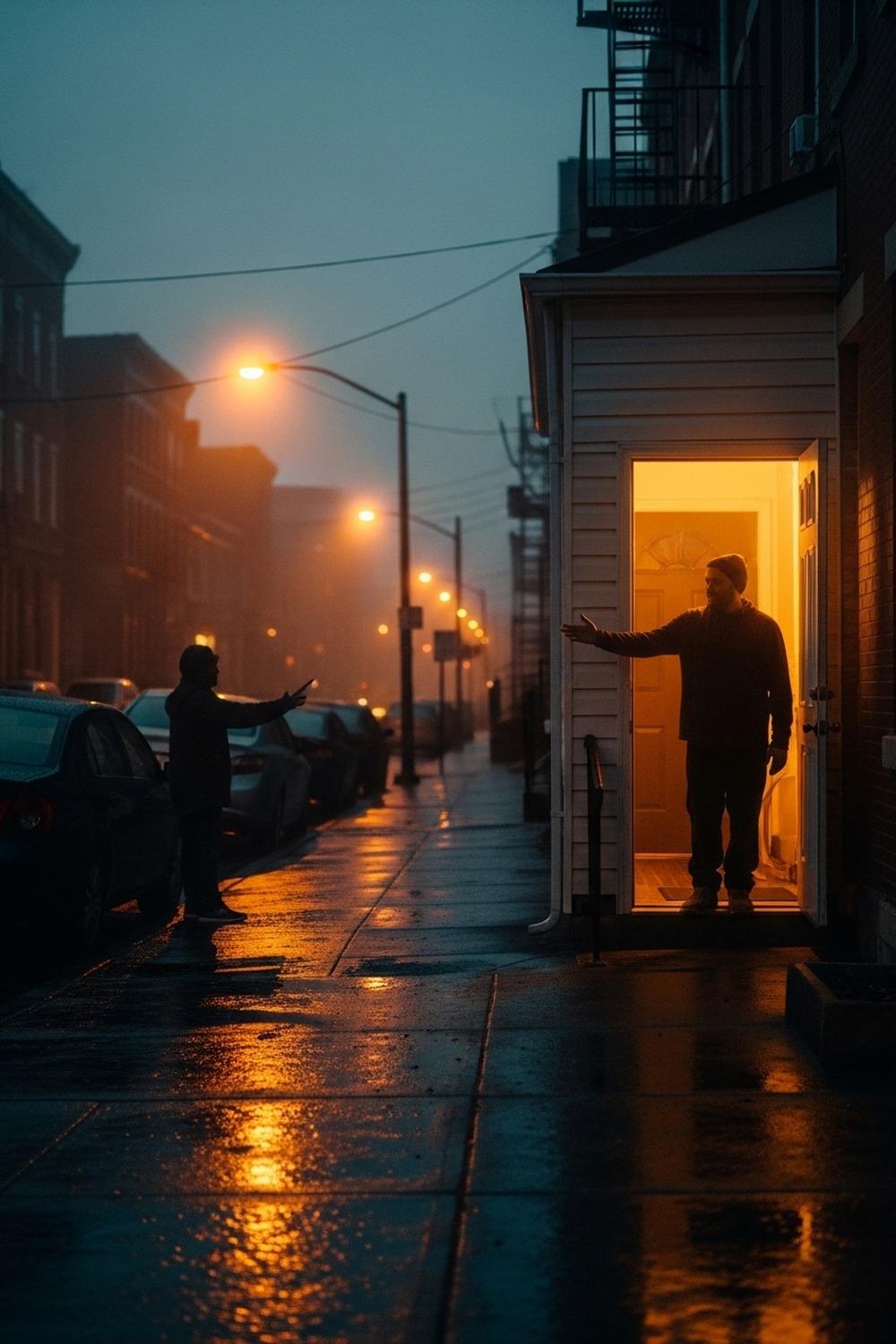
The evening ended. The driver returned to his life. But Rogers didn’t let it end there.
He wrote letters. Not form letters. Not signed photographs from a publicist. Actual handwritten letters, written in his own hand, before 5 a.m., because that was when he did correspondence — every single morning, for decades. He wrote an estimated 17,000 of them over his lifetime. To children. To strangers. To fans who sent him notes and never expected anything back but got something back anyway, because Rogers believed that if you wrote to someone, that person deserved to hear from you.
He remembered the driver. Years later, when the man became seriously ill, Rogers didn’t hear about it and forget about it. He didn’t think about calling and then get busy.
He picked up the phone.
There was no camera. No publicist in the room. No one who would have known if he hadn’t done it. The call happened because Rogers genuinely believed — in a way that shaped every decision he made — that the person right in front of you (or on the other end of a phone line) is the most important person in the world at that moment. That belief wasn’t philosophy for him. It was a practice. And practice, repeated over decades, becomes who you actually are.
By the Numbers
- 17,000 letters written by hand over a lifetime
- Rogers woke before 5 a.m. daily for correspondence, prayer, and swimming — a routine he maintained for over 30 years. No exceptions. Not sick days, not vacations, not because he was inspired that morning.
- Mister Rogers’ Neighborhood ran for 912 episodes across 31 seasons, from 1968 to 2001
- Over 100 awards during his lifetime, including the Presidential Medal of Freedom in 2002 — but colleagues who knew him said he was more moved by letters from individual children than any public honor
Field Notes
- He was an ordained Presbyterian minister who almost never discussed it publicly, believing his television work *was* his ministry in the truest sense. He thought of the camera as a way to look directly into the eyes of every single child watching him.
- Rogers kept the same weight — 143 pounds — for most of his adult life. Whether intentional or apocryphal, people who knew him swear he said the number meant something: one letter, four letters, three letters — “I love you.” It sounds exactly like something he would have believed.
- In 1969, he testified before the U.S. Senate in defense of public television funding. Reportedly moved Senator John O. Pastore — known for being unmovable — to tears in under seven minutes. The full funding was approved.
What Stays With You
We’re living in the era of performative goodness. Causes that photograph well. Generosity with a caption attached. Kindness that only counts if someone documents it and puts it online where other people can see.
Fred Rogers kindness was built on the exact opposite principle. It happened in parking lots and front seats and borrowed living rooms. It happened in handwritten letters that arrived in people’s mailboxes with no explanation of how he’d found their address. It happened in quiet phone calls to people who were running out of time, who would never be able to thank him publicly or prove that the call had mattered.
That last fact kept me reading for another hour.
The limo driver expected a two-hour wait in the dark. He got dinner, a visit to his home, years of letters, and a phone call when he needed one most. Rogers didn’t think of himself as doing anything remarkable. That’s exactly what made it remarkable. Small moments, chosen consistently over a lifetime, are the whole thing. The discipline of noticing the person right in front of you, every single day, before sunrise, in parking lots, in the front seat of limousines, in the lives of people the world would never know about — that’s not common.
It might be the rarest thing there is.
“
Illustrations are AI-generated. Article fact-checked and human-edited. Our editorial standards.