Dust Mites in Your Mattress: Why Unmade Beds Win
There are dust mites in your mattress right now — roughly two million of them, by some estimates. You can’t see them. You can’t feel them. And tonight, the way you make your bed will decide whether they thrive or struggle.
They’re not there by chance. The dust mite is an eight-legged arachnid, a distant cousin of spiders, and it has organized its entire existence around one resource your body produces in abundance overnight. Warmth. Sweat. Shed skin. Your bed is, to a mite, a near-perfect habitat. So why does simply leaving it unmade tip the balance against them?
Key Facts
- A single mattress can host up to around 2 million dust mites.
- The human body can release up to a litre of moisture during one night’s sleep.
- A 2005 Kingston University study found unmade beds dry out and reduce mite numbers.
- Dust mites are arachnids, related to spiders, and measure about 0.2–0.3 mm.
- The average person spends roughly 26 years of their life asleep in bed.
In short: Dust mites in your mattress can number around two million and depend on the moisture your body releases overnight. A 2005 Kingston University study found that leaving your bed unmade lets it dry out, stripping away the humid microclimate mites need and lowering their populations. It’s not elimination, but it meaningfully shifts the conditions.
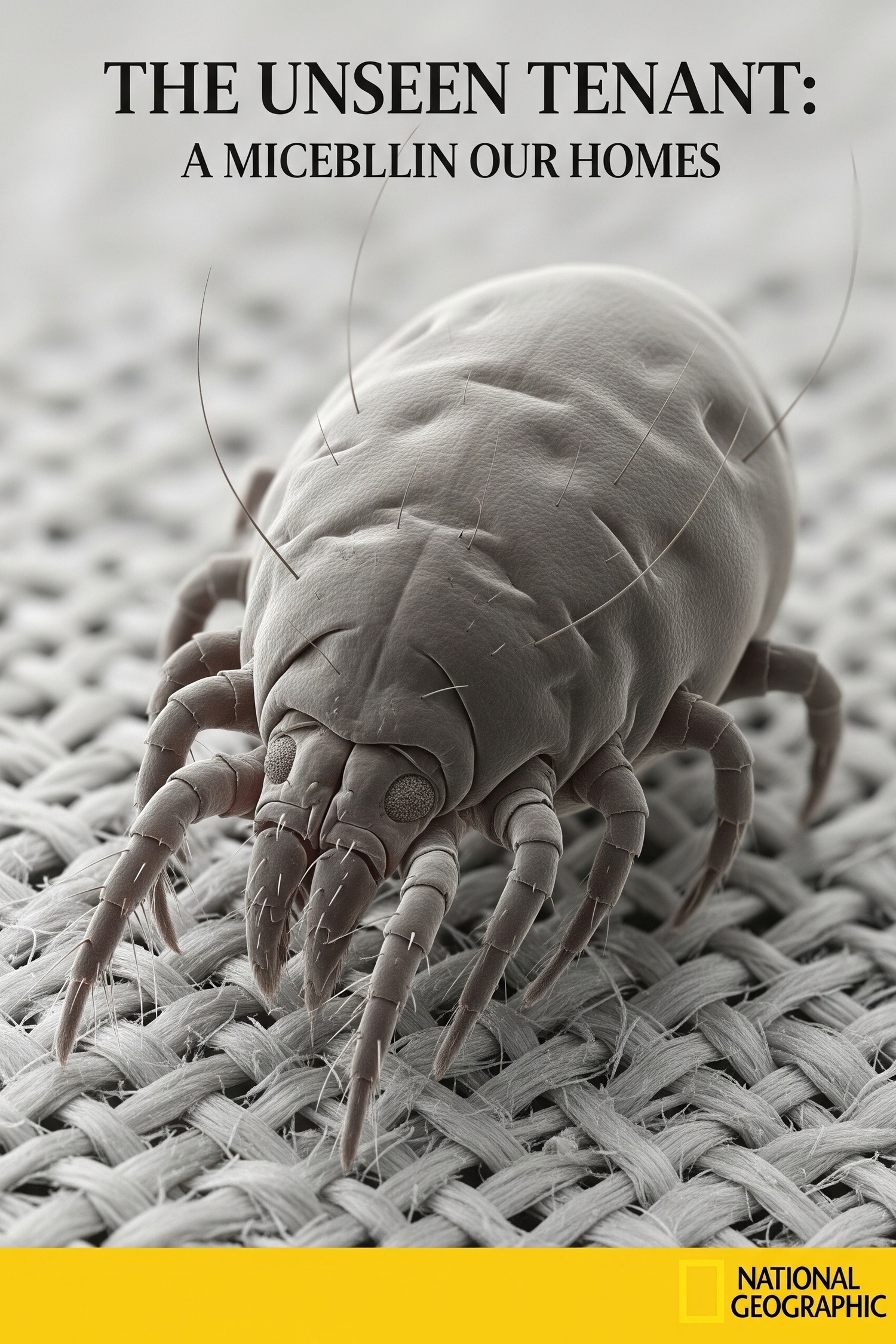
How many dust mites in your mattress, really?
The numbers sound invented until you check them. A typical used mattress can hold somewhere between 100,000 and 2 million dust mites, depending on its age and the climate of the room. The species responsible is usually Dermatophagoides pteronyssinus, the European house dust mite, formally described back in 1897. Each one is about a quarter of a millimetre long — invisible to the naked eye, translucent, and built for a single purpose. Work on house dust mites collected in the reference literature, including the entry on the house dust mite, describes a creature exquisitely tuned to the conditions of a slept-in bed.
They don’t bite. They don’t burrow into skin. What they do is eat — specifically, the flakes of dead skin that every human sheds constantly, around 1.5 grams a day, much of it onto the surfaces we sleep on. A mattress is, from their angle, an endless buffet replenished every night. The problem for humans isn’t the eating. It’s what comes out the other end.
Their droppings carry potent allergens. That’s the real issue. Not the mite — its waste.
Why moisture decides everything
Dust mites can’t drink. They absorb water directly from the air through their bodies, which means humidity isn’t a comfort for them — it’s life or death. Below about 50% relative humidity, they begin to dry out and die. Above it, they flourish. And here’s where your sleeping body becomes the villain of the story. Across a single night you can release up to a litre of moisture through sweat and breath, soaking into sheets and mattress. For more on the small invisible ecosystems sharing our homes, our guide to the creatures living in your house maps just how crowded domestic space really is.
A made bed traps that moisture. Pull the duvet up tight in the morning and you seal the warmth and damp inside like a greenhouse, holding the humid microclimate exactly where the mites want it for hours. The neat bed is the comfortable bed — for them. The mechanism is simple thermodynamics: cover a warm, wet surface and it stays warm and wet far longer than if you’d left it open to the air.
Leave it open, though, and the physics flips. Air moves. Moisture escapes. The greenhouse never forms.
What the Kingston University study found
The counterintuitive fix has a real source. In 2005, researchers at Kingston University in London modelled how dust mite populations respond to bedding conditions, work reported by BBC News at the time. They found that an exposed, unmade bed dries out quickly once a person leaves it. Sunlight and moving air strip away the humidity the mites depend on, and over time their numbers fall. A made bed, by contrast, preserves the damp warmth and lets populations hold or grow.
The team was careful about what this means. It’s not extermination — you won’t clear two million mites by skipping the hospital corners. What changes is the environment. Dropping humidity below the mites’ survival threshold for several hours each day applies steady pressure on the colony. Over weeks, in a dry, well-ventilated room, that pressure compounds. The effect is real but gradual, a slow attrition rather than a single decisive blow.
So the tidy habit drilled into most of us turns out to be, in this one narrow biological sense, exactly backwards.
How do you live with them without going to war?
You will never have a mite-free bed, and chasing one isn’t the goal. Allergists at institutions including the American College of Allergy, Asthma & Immunology focus instead on lowering the allergen load — the droppings and fragments that trigger reactions — rather than achieving an impossible sterility. Keeping bedroom humidity under 50%, washing sheets weekly at 60°C or hotter, using allergen-proof mattress covers, and yes, letting the bed air out, all push in the same direction. The dust mites in your mattress can be managed down to a level that rarely bothers a healthy sleeper.
The allergy connection matters because it’s common. House dust mite allergens are among the leading triggers of perennial allergic rhinitis and a recognized factor in asthma worldwide. For sensitive people, the difference between a damp, made bed and a dry, aired one isn’t trivia — it’s the difference between waking clear and waking congested. The mites don’t care either way. Your sinuses do.
None of this requires money or special equipment. It requires leaving the duvet folded back for a few hours. That’s the whole intervention.
Why the bed is such a perfect habitat
Step back and the mattress starts to look less like furniture and more like a designed ecosystem. It offers all four things a dust mite needs at once: food in the form of shed skin, warmth from a body lying on it for hours, darkness in its deep fibres, and the moisture that body keeps supplying. Few habitats in nature deliver every requirement in one place, replenished nightly on a reliable schedule. A mattress is, biologically speaking, an oasis — and you build it fresh every time you sleep.
The fibres matter as much as the moisture. A dense mattress and pillow provide enormous internal surface area, a three-dimensional maze where mites shelter deep below the surface, buffered from temperature swings and out of reach of casual cleaning. Vacuuming the top barely touches the colony living centimetres down. This is why old mattresses carry the heaviest loads — years of accumulated skin, droppings, and undisturbed breeding space. The mite population isn’t a film on the surface. It’s a settlement in the depths.
Understanding that changes the strategy. You’re not cleaning a surface — you’re managing a small wilderness, and the most powerful lever you have isn’t a vacuum or a spray but the humidity of the room itself. Drop the moisture and the whole settlement struggles, top to bottom, no matter how deep it has burrowed into the fibres.
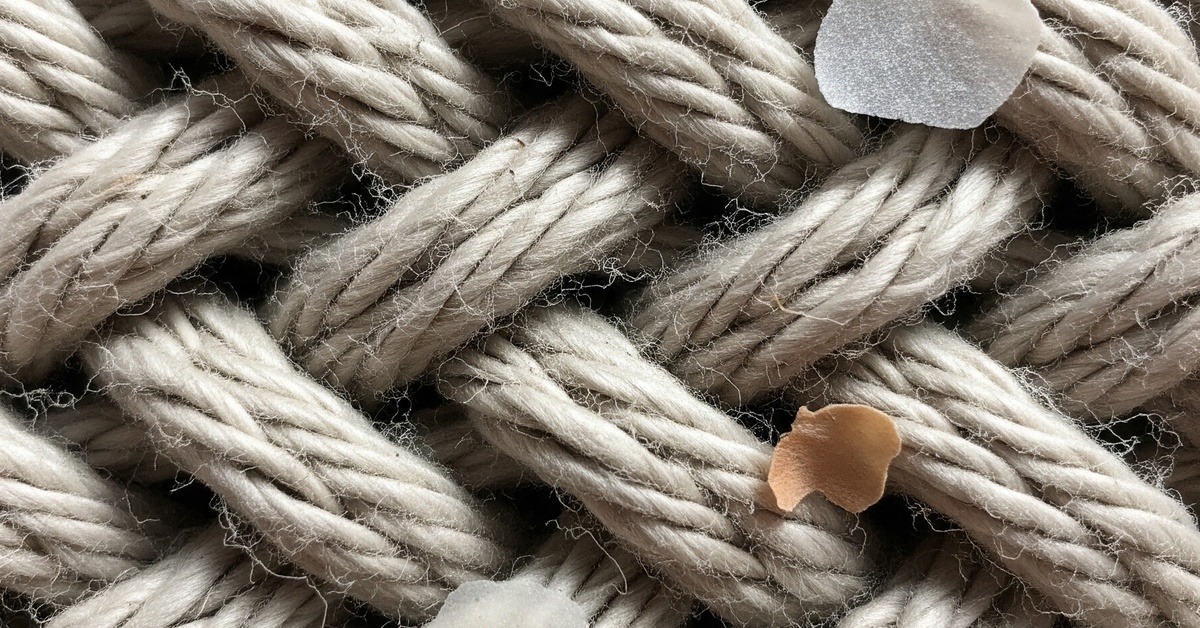
Where to See This
- Your own mattress — under a microscope, shed skin and mite debris are visible in any household dust sample, best examined after weeks without washing bedding.
- Allergy research labs such as those at Kingston University in the UK study mite ecology and bedding microclimates directly.
- Practical tip: pull back the duvet each morning and open a window for an hour — the simplest, cheapest way to dry out the habitat mites depend on.
By the Numbers
- Up to ~2 million dust mites can inhabit a single mattress.
- ~1 litre of moisture can leave the body during one night’s sleep.
- Below ~50% relative humidity, dust mites begin to dehydrate and die.
- ~26 years is the time an average person spends asleep over a lifetime.
- 2005 — the year Kingston University reported the unmade-bed effect.
Field Notes
- Dust mites are arachnids, not insects — eight legs, no antennae — making the creatures in your bed closer kin to spiders and ticks than to flies or beetles.
- The allergic reaction people blame on mites is actually a response to proteins in their droppings and shed exoskeletons, not to the living animal itself.
- Cold doesn’t easily kill them, but dryness does, which is why a heated, sealed, humid bedroom is far worse than a cool, ventilated one for mite control.
- One open question is how much the unmade-bed effect varies by climate: in a damp, poorly ventilated room the drying may be too slow to matter, and researchers note local humidity strongly modulates the result.
Frequently Asked Questions
Q: Does leaving your bed unmade really reduce dust mites in your mattress?
Yes, to a degree. A 2005 Kingston University study found that an unmade, exposed bed dries out faster than a made one, and dust mites can’t survive in low humidity. Below about 50% relative humidity they dehydrate and die. Leaving the duvet folded back lets air and sunlight strip the moisture mites need, lowering populations over time. It won’t eliminate them, but it meaningfully shifts the conditions against them.
Q: How many dust mites can live in one mattress?
Estimates run from around 100,000 to as many as 2 million in a single mattress, depending on its age, the room’s humidity, and how often the bedding is washed. The mites are about 0.2 to 0.3 millimetres long and invisible without magnification. They feed on the roughly 1.5 grams of skin a person sheds daily, which collects in beds and provides an effectively unlimited food supply.
Q: Are dust mites actually harmful?
The mites themselves don’t bite or infest skin. The problem is allergenic proteins in their droppings and shed body fragments, which are among the most common triggers of year-round allergic rhinitis and a recognized contributor to asthma. For people who aren’t sensitized, the mites are usually harmless. For those who are, reducing the allergen load through dryness, hot washing, and ventilation can noticeably ease symptoms.
Q: What’s the most effective way to control dust mites in your mattress?
Lower the humidity and the food supply rather than chasing total elimination. Keep bedroom humidity under 50%, wash sheets weekly at 60°C or hotter to kill mites and remove allergens, use allergen-proof mattress and pillow covers, and let the bed air out daily. These steps work together, and none requires expensive equipment. The aim is a manageable allergen level, not a sterile bed, which isn’t realistically achievable.
Editor’s Take — Alex Morgan
I’ve stopped making my bed on cleaning grounds, and the biology backs me up. The lesson here isn’t really about mites. It’s that “tidy” and “healthy” aren’t the same instinct, and we conflate them constantly. A neat bed looks cared for and quietly bakes a humid little ecosystem under the duvet all day. The messy one looks neglected and is busy drying out two million tiny arachnids. Appearances lie.
We share our most private space with millions of creatures we’ll never see, locked in a daily contest decided by something as mundane as whether we straighten the sheets. There’s a strange intimacy in that — a whole ecosystem rising and falling with our sweat, our skin, our morning habits. Tonight you’ll lie down on a living landscape. The only question is whether you’ve left the window open.
Illustrations are AI-generated. Article fact-checked and human-edited.