Jaguar Population in Mexico Rebounds to 5,326 Cats
The jaguar population in Mexico now stands at 5,326. That’s the highest confirmed count in decades. Nearly 30% more than in 2010. A century ago these cats roamed from Arizona to Argentina. Then the range shattered. This number says something is being rebuilt.
For most of the 20th century the trend ran one direction: down. Hunting, ranch expansion, and deforestation carved Mexico’s jaguar country into fragments. By the late 1990s some biologists privately worried about functional extinction in parts of the country. The 2024 national census tells a different story — but the recovery raises a harder question. What actually turned it around?
Key Facts
- Mexico’s confirmed jaguar count reached 5,326 in the 2024 national census.
- That figure is roughly 30% higher than the 2010 estimate of about 4,000.
- The jaguar (Panthera onca) is the largest cat in the Americas and third-largest worldwide.
- The census relied on camera traps and DNA from scat and tracks, not rough guesswork.
- Protection corridors span the Yucatán Peninsula and Sierra Madre, overlapping Indigenous lands.
In short: The jaguar population in Mexico has rebounded to 5,326 cats, about 30% above 2010 levels, according to a 2024 national census. The recovery came from coordinated protection corridors across the Yucatán and Sierra Madre, intensive camera-trap and DNA surveys, and Indigenous communities managing their lands as habitat buffers.
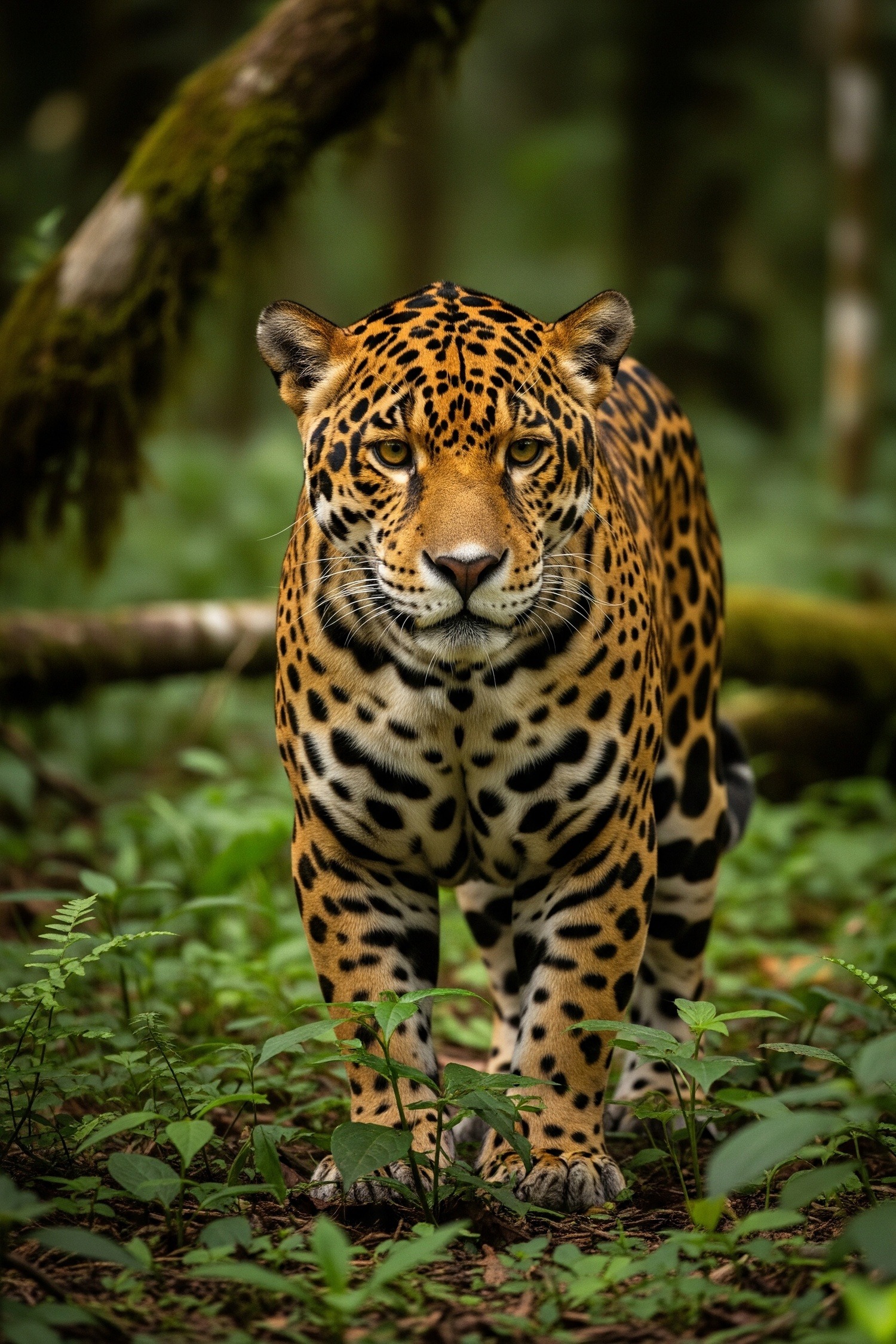
How did Mexico actually count 5,326 jaguars?
You can’t ask a jaguar to fill out a survey. So the count rests on hard field methods coordinated through the National Jaguar Census (Censo Nacional del Jaguar), an effort backed by Mexican institutions including the National Autonomous University of Mexico (UNAM) and a network of conservation NGOs. The work began in earnest in the 2010s and ran in repeated waves. Hundreds of motion-triggered cameras were strapped to trees across survey grids. Each jaguar carries a unique rosette pattern — the dark ring-shaped markings on its coat — so a clear photo functions like a fingerprint. Add DNA pulled from scat and hair snagged on bark, and you move from “we think there are a few thousand” to a defensible figure. The 2024 result, 5,326, isn’t an extrapolation pinned to a press release. It’s the output of years of grids, cameras, and lab work in heat that punishes the people doing it.
And the method matters as much as the number. A census you can repeat is a census you can trust to show direction. Earlier population figures for Mexican jaguars were often single-region extrapolations or expert guesses, which made it impossible to say whether a change reflected real animals or better counting. The 2024 effort standardized the grids and the genetic sampling across regions, so the comparison to 2010 actually means something. Mexico can now say with confidence not just how many, but which way the curve is bending — and by roughly how much.
It’s bending up. That’s rare enough in big-cat conservation to stop and look at.
How did Indigenous lands become the buffer zones?
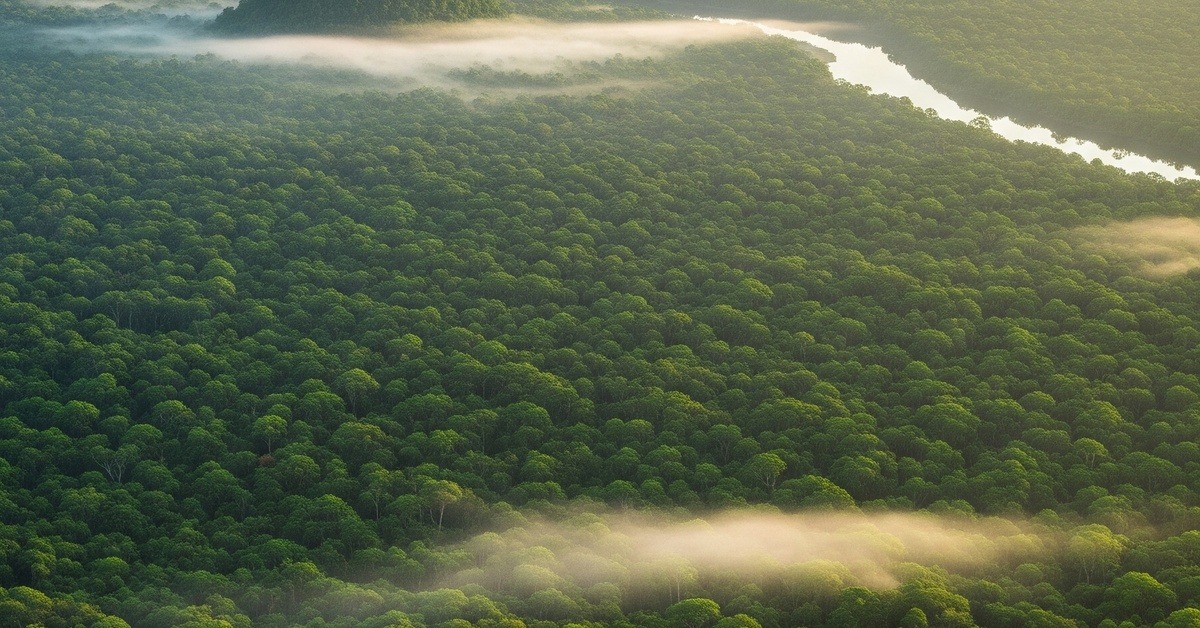
The corridors are the spine of this recovery, and many of them run straight through Indigenous community lands. Across the Yucatán Peninsula and the Sierra Madre, conservation planners linked fragmented patches of forest into continuous travel routes so jaguars could move, hunt, and breed without hitting a dead end of cattle pasture. Crucially, much of that connective habitat sits on land managed by Maya and other Indigenous communities. Their stewardship — limiting clearance, tolerating the cats, and in places earning income from conservation programs — turned private and communal land into the buffer the species needed. You’ll find this same pattern in other recoveries we’ve covered among species pulled back from the brink: protection works best when the people living alongside the animal have a reason to want it there.
The mechanism is straightforward. A jaguar needs a large territory — males can range across more than 100 square kilometers. Fragment that and the population collapses into isolated, inbred pockets. Reconnect it and the cats spread, mix genes, and rebuild numbers. Corridors don’t add jaguars directly; they remove the ceiling on how many the landscape can hold.
I’ve stood at the edge of one of these corridors at dawn. You don’t see the cat. You see the absence of fences, the unbroken green, and you understand what “connected habitat” really means.
Why the jaguar comeback matters beyond Mexico
The jaguar is a conservation bellwether for the whole hemisphere, which is why this number traveled far. The species is currently listed as Near Threatened on the IUCN Red List assessment of the jaguar, and across its full range from Mexico to Argentina it has lost roughly half its historic territory. Panthera, the global wild-cat conservation organization, has spent years building the “Jaguar Corridor Initiative” precisely because the cat’s survival depends on movement across borders, not isolated reserves. Mexico’s gain feeds that larger machine — a healthy northern population can seed and stabilize the chain that runs south.
There’s a counterintuitive lesson buried in the data. The jaguar population in Mexico didn’t recover because the cats were left alone. It recovered because people actively reorganized the landscape around them — corridors, monitoring, community incentives. Hands-off conservation would not have produced 5,326. Deliberate engineering of habitat did.
That reframes what “saving a species” actually requires. Not a fence around wilderness. A working relationship between the animal and everyone who shares its ground.
What the jaguar population in Mexico still has to prove
A single strong census is a milestone, not a finish line, and the field teams know it. Dr. Gerardo Ceballos, a UNAM ecologist who has led much of Mexico’s jaguar census work since the 2010s, has repeatedly warned that gains can reverse fast if corridors are broken by new roads, agriculture, or weakened protection. The 2024 figure proves the strategy works. It does not guarantee the strategy continues.
Cause and effect here are unforgiving. Cut one link in a corridor and you don’t lose a percentage of jaguars — you can sever a whole subpopulation, stranding it to slowly decline. The recovery is only as durable as the weakest segment of connected habitat. That’s the quiet math behind the celebration.
So conservationists are pushing to formalize the corridors in law, expand camera grids, and lock in funding for the communities doing the stewardship. The number went up. The job is to keep it there.
What Mexico’s model means for the rest of the Americas
The hemisphere is watching, and not idly. Jaguar range still stretches in a broken ribbon from northern Mexico down through Central America and the Amazon to northern Argentina, and what works in the Yucatán is being studied as a template elsewhere. Conservation groups in Belize, Guatemala, and Colombia have leaned on the same toolkit — camera-trap grids, community land agreements, and corridor mapping — to slow declines in their own jaguar zones. Mexico matters disproportionately here because its northern populations form the genetic and geographic doorway to the United States, where a handful of male jaguars have been photographed in Arizona and New Mexico since the early 2000s. A robust Mexican population keeps that northern frontier alive rather than sealed.
The wider stakes run past one species. Jaguars are an apex predator, and their presence keeps prey populations and vegetation in balance across vast tracts of forest that store carbon and feed rivers. Protect the cat and you protect the system it sits atop. That’s the argument conservation economists now make to governments: a jaguar corridor isn’t a cost line, it’s infrastructure for watersheds, climate buffering, and ecotourism revenue that can outlast a cattle lease.
Mexico didn’t just count more cats. It built a method other countries can copy — and a reason to.
How It Unfolded
- Early 1900s — jaguars range from the American Southwest to Argentina across continuous habitat.
- Late 20th century — hunting, ranching, and deforestation fragment Mexico’s range; some biologists fear functional extinction in parts of the country.
- 2010 — national estimates put Mexico’s jaguars near 4,000 as corridor planning gains momentum.
- 2024 — the National Jaguar Census confirms 5,326 cats, the highest count in decades.
By the Numbers
- Confirmed jaguars in Mexico (2024): 5,326.
- Increase since 2010: roughly 30% (up from about 4,000).
- Male jaguar territory: can exceed 100 square kilometers.
- Range lost across the Americas: about 50% of historic territory (IUCN).
- Survey tools deployed: hundreds of camera traps plus DNA from scat, hair, and tracks.
Field Notes
- Each jaguar’s rosette pattern is unique, letting researchers identify individuals from a single clear camera-trap photo — the same principle behind tiger stripe ID.
- Jaguars are the strongest-biting big cat relative to size; they kill by piercing the skull, not the throat, a detail that shapes how they hunt in dense forest.
- Much of the recovery habitat sits on Indigenous community land, making the rebound as much a social achievement as a biological one.
- Researchers still can’t fully predict how climate-driven drought in the Yucatán will reshape prey availability — and whether the corridors hold under that pressure.
Frequently Asked Questions
Q: How big is the jaguar population in Mexico now?
Mexico’s 2024 National Jaguar Census confirmed 5,326 jaguars, the highest count recorded in decades. That’s roughly 30% more than the 2010 estimate of about 4,000 cats. The figure came from camera-trap surveys and DNA analysis rather than rough projection, which makes it a defensible baseline. Conservationists treat it as proof that the country’s corridor strategy is working.
Q: How do scientists count jaguars without seeing them?
They use motion-triggered camera traps spread across survey grids. Every jaguar has a unique rosette pattern, so a clear photo identifies the individual like a fingerprint. Researchers cross-check this with DNA collected from scat, hair, and tracks. Combining photo identity with genetic sampling lets teams estimate population size and even track movement, turning an elusive forest cat into a countable number.
Q: Why did the jaguar population in Mexico recover?
The rebound came from active management, not leaving the cats alone. Mexico built protection corridors linking fragmented forest across the Yucatán and Sierra Madre, much of it on Indigenous community lands that became buffer zones. Camera-trap monitoring and DNA surveys tracked progress. Because jaguars need huge territories, reconnecting habitat removed the ceiling on how many the landscape could support.
Q: Are jaguars still endangered?
Globally the jaguar is listed as Near Threatened by the IUCN, having lost roughly half its historic range from Mexico to Argentina. Mexico’s recovery is a bright spot, but it remains fragile — a single broken corridor can isolate and doom a subpopulation. The species depends on continued protection, expanded monitoring, and the cooperation of communities living alongside it.
Editor’s Take — Alex Morgan
The headline is the number, but the real story is what produced it. Nobody saved these cats by building a wall around a jungle. They saved them by stitching torn habitat back together and giving the people on that land a stake in the outcome. 5,326 is what active, social, unglamorous conservation looks like when it works. Break one corridor and the math runs backward fast.
Big-cat recoveries are rare enough that we should study this one like a blueprint, not a feel-good headline. A jaguar moving freely from a Maya forest to a Sierra Madre ridge is carrying more than itself — it’s carrying genes, balance, and proof that decline isn’t destiny. So picture that cat at dawn, slipping between two patches of green that used to be one. The question now is whether we keep them connected.
Illustrations are AI-generated. Article fact-checked and human-edited.