The Document That Quietly Ended Royal Absolute Power
December 16, 1689. A king put his name to thirteen clauses and accidentally made himself decorative. It’s strange that nobody saw it coming until it was already done.
William III didn’t sign the Bill of Rights 1689 because he wanted to. He signed it because the alternative was losing the throne entirely. And here’s the part that’s actually wild: he signed away his ability to raise armies, suspend laws, levy taxes — basically everything that made a king a king — and then just kept being king anyway. No revolution. No streets full of angry people. Just ink on parchment that rewrote three centuries of royal power in what looked like a normal Tuesday.
Key Facts
- William III signed the Bill of Rights 1689 on December 16, 1689, after the Glorious Revolution.
- The document consisted of 13 clauses that permanently redrew Britain’s constitutional map, barring standing armies in peacetime, royal suspension of laws, and taxation without Parliament’s consent.
- The Bill of Rights 1689 has held legal force for 335 years and counting.
- James Madison studied the Bill of Rights 1689 while drafting the U.S. Constitution, which followed two years later in 1791.
- The clause barring Catholics from the throne stayed in force until 2013, when the Succession to the Crown Act removed it.
In short: The Bill of Rights 1689, signed by William III on December 16, 1689, used just 13 clauses to strip the English crown of powers to raise armies, suspend laws, and levy taxes without Parliament. It transformed an absolute monarchy into a constitutional one, and 335 years later it still shapes Britain, the United States, and over 50 nations.
It is 1689. A monarch is about to hand away everything.
The Bill of Rights 1689 didn’t appear out of nowhere. It was what happened after the Glorious Revolution — when Parliament basically said to the Catholic King James II, “No, thanks,” and invited his Dutch Protestant cousin William to come take over instead. Constitutional historian Robert Bucholz called it “the pivot point of English governance,” and he wasn’t exaggerating. This was the hinge. Everything swung on it.
Thirteen clauses. That’s all it took.
The first one: no standing army in peacetime without Parliament’s permission. Then: the king can’t suspend laws on his own. Can’t levy taxes without asking. Free elections. Free speech in Parliament. The right to petition without getting arrested for it. Each clause was careful, deliberate, written in language so tight that it’s still holding legal force 335 years later. Most people didn’t understand what had just happened. They’d wake up the next morning and the monarchy would be the same — the crown the same, the ceremony the same — but the actual power was gone.
The Crown Stayed. Everything Else Vanished.
Here’s what’s easy to miss: the Bill of Rights 1689 didn’t kill the monarchy. It transformed it into something nobody had quite seen before. A king who reigns but does not rule. That fact kept me reading for another hour because it doesn’t make sense at first — how can you keep the crown but lose the power? How does anyone accept that?
But they did.
Think about the practical reality for a second. One day you’re a monarch who can summon an army without permission, imprison your enemies, ignore Parliament forever. The next day you’re signing a document that hands all of it away — and then you just keep wearing the crown as if nothing changed. That takes either genuine pragmatism or a very specific kind of nerve, and possibly both.
For a deeper look at how symbolic power can outlast actual power in surprising corners of history, this-amazing-world.com has covered similar moments from political history that’ll make you reconsider everything.
What Does a Powerless King Actually Do?
The modern British monarch opens Parliament every year with a speech they didn’t write, standing in ceremonial robes, delivering policies they had no hand in creating to an audience that already knows what’s coming. They “appoint” a Prime Minister who already won an election. They grant “Royal Assent” to legislation Parliament already passed. They cut ribbons. They wave. They represent continuity. And somehow, this strange arrangement — this elaborate performance of power without power — has been running for over three hundred years without breaking.
It’s surreal when you actually think about it.
The Bill of Rights 1689 set this machinery in motion. But here’s the thing that’s strange: the crown’s powers aren’t entirely hollow.
When the Crown Still Matters
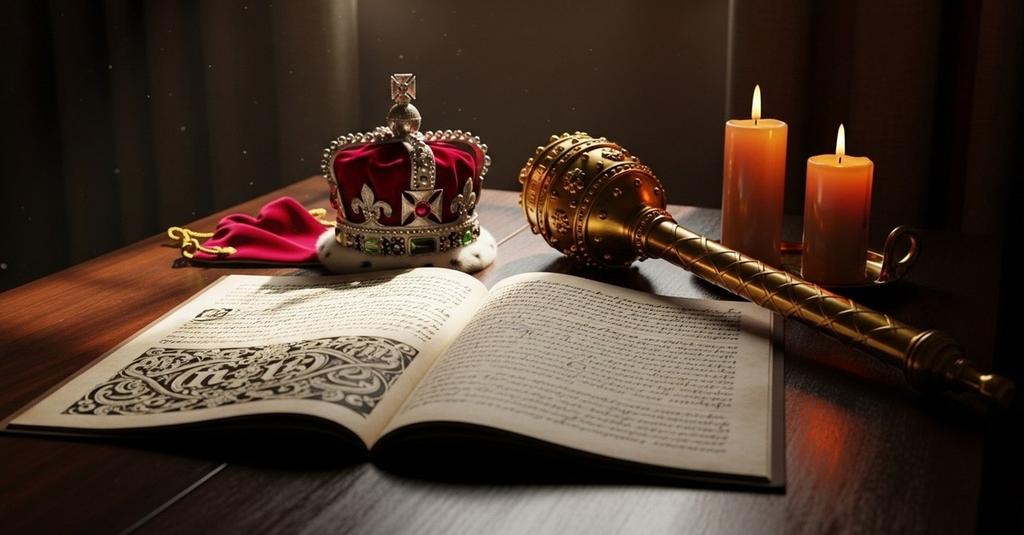
The royal prerogative — that leftover bundle of powers the monarch technically still holds — includes things like dissolving Parliament, granting pardons, and in genuine constitutional crises, deciding which party leader gets to form a government. It almost never happens. But when it does, the consequences are massive. Australia learned this lesson in 1975 when the Governor-General (representing the crown) dismissed the elected Prime Minister in a constitutional crisis that people are still angry about. The British monarch hasn’t had to flex that kind of power in living memory, but the mechanism is there. It’s loaded. Everyone knows it. And that means the Bill of Rights 1689 didn’t end royal power so much as it reorganized it — moved it into reserve, where it almost never fires but everyone knows it could.
By the Numbers
- 335 years and counting.
- 13 clauses that redrew the constitutional map of Britain permanently.
- Over 50 countries now operate under constitutional documents directly influenced by the Bill of Rights 1689 — the United States included, just two years later in 1791.
- The British monarch serves as head of state for 15 countries beyond the UK — Canada, Australia, New Zealand, and others — all descended from the same 1689 settlement and all operating under frameworks built on the same principles.
Field Notes
- William III didn’t stride into Westminster to sign anything. He was presented with the Bill of Rights as a condition of taking the throne. He signed because his alternative was leaving empty-handed.
- The original document barred Catholics from the throne — a clause that stayed locked in until 2013, when the Succession to the Crown Act finally removed it.
- James Madison studied the Bill of Rights 1689 while drafting the U.S. Constitution. The parallels between the two documents aren’t coincidental.
Why 335 Years Later, This Still Works
The Bill of Rights 1689 matters because it established something radical at the time: the idea that no single person — not even the one wearing the crown — should hold unchecked power. It’s been imperfect in practice. Contested in courtrooms. Tested in constitutional crises across three centuries. But the framework has held.
King Charles III delivers the King’s Speech. Attends Remembrance Sunday. Opens hospitals. Signs proclamations. Represents the nation at state funerals. And in performing that role consistently, he maintains something that can’t be written into law: the sense that the institution is larger than any individual inside it. That’s what replaced absolute monarchy. A symbolic crown backed by genuine political power, but power that’s been deliberately constrained.
Turns out that’s surprisingly durable.
We’re still shaped by a document signed in a cold December 335 years ago. The balance of power it created didn’t just affect Britain — it echoed through American independence, through Commonwealth constitutions, through every nation that looked at England and thought, “That’s actually interesting.” The monarch reigns. Parliament rules. The line between them has held.
Three hundred and thirty-five years is a long time for anything to last, especially a political compromise hammered out under crisis conditions. But the Bill of Rights 1689 is still on the books, still cited in courts, still shaping how nations organize power. That’s not a footnote to history. That’s a story. And if this kind of story makes you want to keep reading, there’s more at this-amazing-world.com — and the next one gets even stranger.
“
Frequently Asked Questions
Q: What was the Bill of Rights 1689 and what did it do?
The Bill of Rights 1689 was a 13-clause document William III signed on December 16, 1689, following the Glorious Revolution. It stripped the English crown of core powers: no standing army in peacetime without Parliament’s permission, no suspending laws unilaterally, no levying taxes without consent, plus guarantees of free elections, free speech in Parliament, and the right to petition. It transformed an absolute monarchy into a constitutional one, creating a king who reigns but does not rule, a framework still holding legal force 335 years later.
Q: Why did King William III agree to give away royal power?
William III signed the Bill of Rights 1689 not because he wanted to but because the alternative was losing the throne entirely. After Parliament rejected the Catholic King James II and invited William, his Dutch Protestant cousin, to take over, the Bill was presented to him as a condition of taking the crown. He signed because his alternative was leaving empty-handed. Constitutional historian Robert Bucholz called the moment ‘the pivot point of English governance,’ and William kept wearing the crown even as its real power vanished.
Q: How did the Bill of Rights 1689 influence other countries?
Over 50 countries now operate under constitutional documents directly influenced by the Bill of Rights 1689, including the United States, whose own Bill of Rights followed just two years later in 1791. James Madison studied the 1689 document while drafting the U.S. Constitution, and the parallels are not coincidental. The British monarch also serves as head of state for 15 countries beyond the UK, including Canada, Australia, and New Zealand, all descended from the same 1689 settlement and its principles.
Q: Does the British monarch still hold any real power today?
The monarch retains a ‘royal prerogative,’ a leftover bundle of powers including dissolving Parliament, granting pardons, and, in genuine constitutional crises, deciding which party leader forms a government. It almost never activates, but the mechanism remains loaded. Australia saw it used in 1975, when the Governor-General dismissed the elected Prime Minister in a crisis people still debate. So the Bill of Rights 1689 did not fully end royal power; it reorganized it into reserve, where it rarely fires but everyone knows it could.
Illustrations are AI-generated. Article fact-checked and human-edited. Our editorial standards.