He Shoved His Arm Down a Grizzly’s Throat to Survive
Chase Dellwo’s arm was elbow-deep in a grizzly’s throat. And the only reason he knew to do that was a piece of advice his grandfather had dropped, almost casually, years before — the kind of thing you half-hear and file away and never actually expect to use.
October 2015. Choteau, Montana. Snow coming down, visibility shot, brush thick enough that neither Dellwo nor the bear knew the other existed until they were already too close. He was an experienced bow hunter. He knew how to read terrain and weather. None of that mattered. The grizzly was on him before the situation had a name.
Key Facts
- In October 2015 near Choteau, Montana, bow hunter Chase Dellwo survived a grizzly attack by shoving his forearm past the elbow into the bear’s throat to trigger its gag reflex.
- Dellwo weighed about 90 kilograms while the grizzly weighed between 300 and 360 kilograms.
- The Greater Yellowstone grizzly population reached an estimated 1,000 bears by 2023, up from fewer than 150 in the 1970s, per U.S. Fish and Wildlife Service data.
- Grizzly bears can reach a top speed of 56 km/h (35 mph) and have a bite force above 1,200 PSI.
- Grizzly territory in the lower 48 states now covers less than two percent of its historic range.
In short: Chase Dellwo’s grizzly bear survival in 2015 Montana came down to a piece of his grandfather’s advice: shove an arm down the bear’s throat to trigger the gag reflex. As Greater Yellowstone’s grizzly population rebounds to about 1,000 bears, surprise close-range encounters like his are becoming less rare across recovering western habitat.
Grizzly Bear Survival: What Happens in Those First Seconds
There’s a reason survivors of close-range grizzly attacks all describe it the same way: sound drops out, time compresses, and what’s left is just weight and fur and the smell of something enormous. Dr. Stephen Herrero, the researcher behind Bear Attacks: Their Causes and Avoidance, spent decades cataloguing these encounters — what goes wrong, and what occasionally, improbably, goes right. His findings don’t make for comfortable reading.
Dellwo was maybe 90 kilograms. The bear was somewhere between 300 and 360. It had him pinned to frozen ground before his brain had processed the word “grizzly.”
And yet something reached back through all the noise and panic and landed on a sentence his grandfather had once said over dinner.
The Moment He Decided to Fight Back Differently
Play dead or fight back. That’s the binary most people carry into wilderness. Dellwo did something that wasn’t really either. He shoved his forearm — past the elbow, as deep as he could force it — straight into the grizzly’s throat. The bear gagged. Recoiled. In that window of involuntary confusion, Dellwo crawled. For more wild survival stories that challenge everything you think you know about nature, this-amazing-world.com has the archives to keep you reading all night.
The advice had been almost a footnote. Something his grandfather mentioned once, casually, attached to some other conversation entirely: if you ever end up inside a bear’s mouth, trigger the gag reflex. It sounds insane. The kind of thing you smile at and promptly file under “things that will never apply to me.”
Dellwo didn’t forget it.
Why Grizzlies Are Roaming Closer Than Ever Before
Here’s the thing — this story is bigger than one man’s terrifying afternoon in Montana.
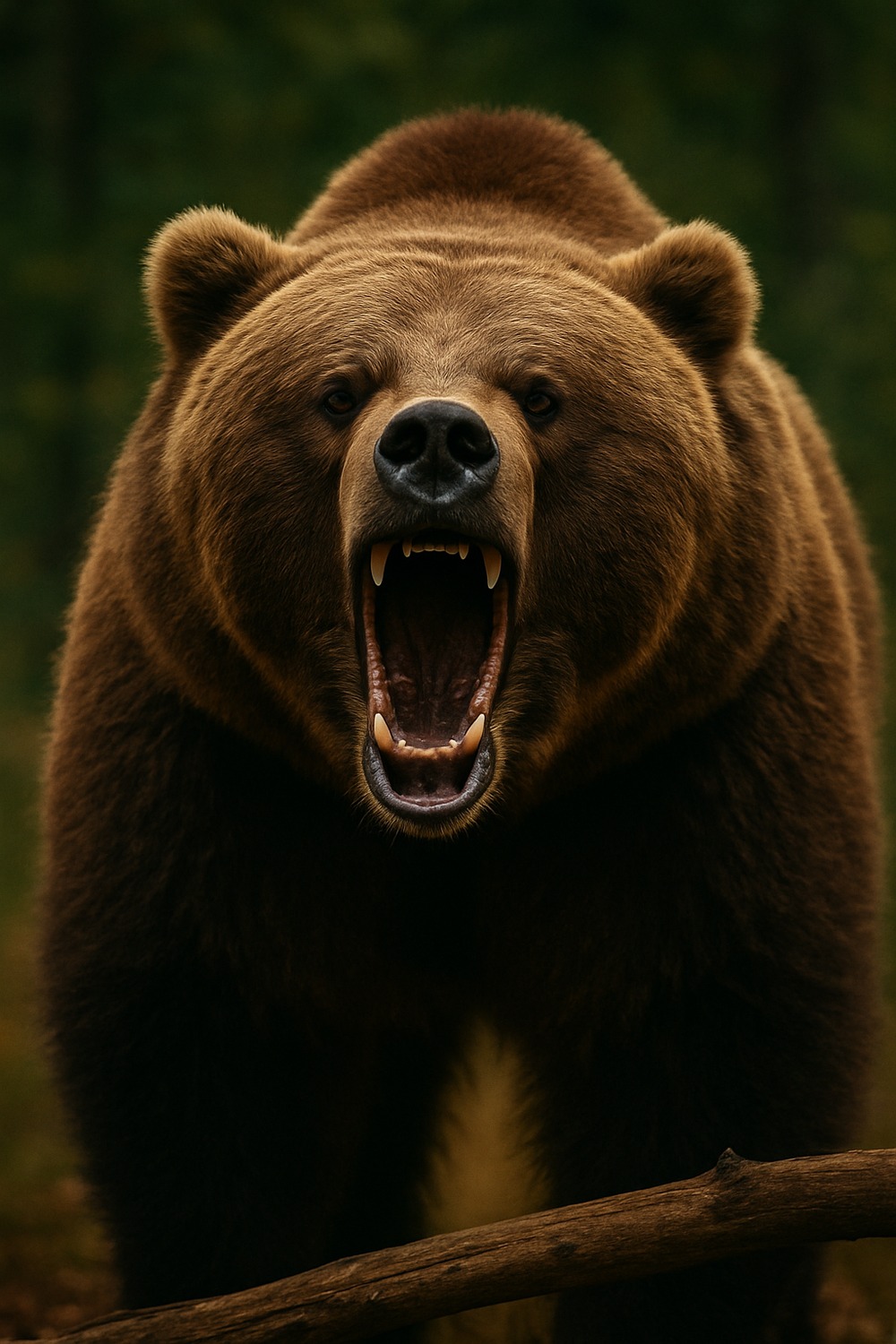
Grizzly bear populations across Montana and the greater Yellowstone ecosystem have been growing steadily for decades. That’s a genuine conservation win, and it deserves to be called one. But it also means grizzly bear survival encounters aren’t the rarest of flukes anymore. The bears are pushing back into land they haven’t occupied in generations. Hunters, hikers, and ranchers are crossing their paths with a frequency that would have seemed unlikely thirty years ago.
October specifically is a problem window. Bears in hyperphagia — the pre-hibernation eating phase — are covering massive distances, irritable, and easily startled. Dellwo surprised this one in dense brush during a snow squall. Low visibility on both sides. The bear wasn’t looking for a fight. It was scared. A scared grizzly is still 360 kilograms of muscle and pure reflex, and it doesn’t particularly care about your intentions.
That combination — recovering populations, shrinking wild buffers, late-season bear behavior — is exactly what puts a man’s arm down a grizzly’s throat on an otherwise unremarkable Tuesday morning.
The Science Behind What Actually Saved Him
The gag reflex tactic works for the same neurological reason it works on any mammal. Stimulating the soft palate and the back of the throat triggers an involuntary response — the body trying to expel a foreign object from the airway. That’s it. That’s the whole mechanism. It doesn’t matter how strong the animal is, how frightened, how aggressive. You genuinely cannot flex your way out of a reflex. Dellwo used the bear’s own nervous system against it and bought himself the only real window he was ever going to get.
That last fact kept me reading about this for another hour.
He didn’t walk out unmarked. Lacerations, bruising, significant damage that needed stitches and medical attention. But he walked out. In the statistics on grizzly encounters that escalate to full physical contact, that outcome doesn’t get a lot of company.
By the Numbers
- The Greater Yellowstone grizzly population hit an estimated 1,000 bears by 2023 — up from fewer than 150 in the 1970s, per U.S. Fish and Wildlife Service data.
- Top speed: 56 km/h (35 mph). Faster than any human over a sustained distance, and they don’t need a running start.
- Bite force clocks in above 1,200 PSI — enough to crush a bowling ball. Which is the context in which “voluntarily insert your arm” becomes an act of extraordinary nerve.
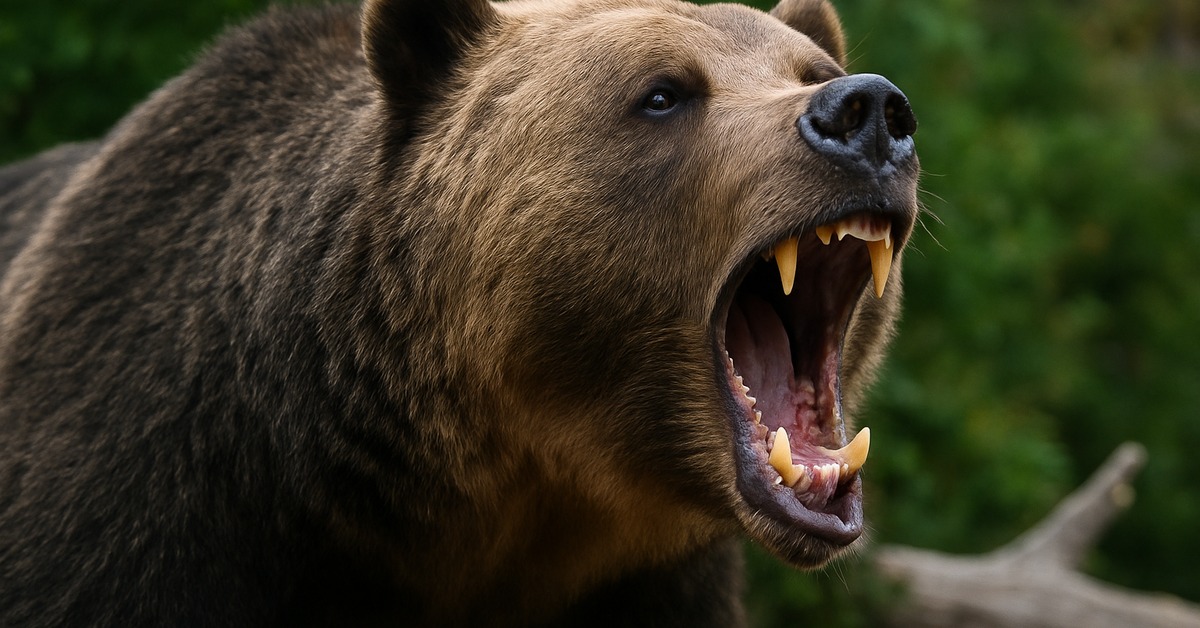
- According to Dr. Stephen Herrero’s research, surprise close-range encounters — exactly the kind Dellwo had — account for the majority of defensive grizzly attacks on humans across North America. Not provoked encounters. Not territorial ones. Startled ones.
Field Notes
- Grizzlies have a sense of smell estimated at seven times stronger than a bloodhound’s. In heavy snow and crosswinds, even that fails — which is part of why winter squalls make surprise encounters significantly more likely.
- The “play dead” technique — flat on your stomach, hands laced behind your neck — is specifically recommended for surprise defensive attacks like Dellwo’s.
- Executing it requires a level of counterintuitive calm that most people dramatically underestimate until there’s actually a bear on top of them.
- Grizzly bears (Ursus arctos horribilis) once ranged across most of the western United States. Today their territory in the lower 48 covers less than two percent of that historic range — making every population recovery milestone both a genuine triumph and a reminder of how much ground is still gone.
What One Mauling Tells Us About Living With Wilderness
Dellwo’s story isn’t really a monster-escape story. It’s a collision story — what happens when human expansion and wildlife recovery meet in the cold dark of a Montana morning, with no warning and no time to think.
Grizzly bear survival — for the humans who encounter them, and for the bears slowly reclaiming their territory — depends on the same thing on both sides: understanding behavior, respecting space, and resisting the reflex to flatten everything wild into a simple villain or a simple victim.
Dellwo has spoken about the bear without contempt. The animal was startled. It responded. He responded back with the only tool available. Neither of them wanted to be there.
But only one of them had a grandfather who once said something strange and specific at a dinner table, decades earlier, that turned out to matter more than anything else he’d ever been taught about the wilderness.
The wild doesn’t operate on human timelines or human comfort. It moves fast, skips the warning, and occasionally the only thing standing between you and a very bad outcome is something you almost forgot you knew. Dellwo carried his grandfather’s words into that Montana brush without knowing he’d need them. He walked out because of them. More stories like this one — stranger, sometimes harder to believe — are waiting at this-amazing-world.com.
Frequently Asked Questions
Q: How did Chase Dellwo survive his grizzly bear attack?
In October 2015 near Choteau, Montana, bow hunter Chase Dellwo was pinned by a grizzly weighing 300 to 360 kilograms after a surprise encounter in dense brush during a snow squall. Recalling advice his grandfather once gave, he shoved his forearm past the elbow into the bear’s throat, triggering its gag reflex. The bear recoiled, and Dellwo crawled away with serious but survivable injuries.
Q: Why does triggering a bear’s gag reflex work for survival?
Stimulating the soft palate and the back of the throat triggers an involuntary response in any mammal: the body trying to expel a foreign object from the airway. It does not matter how strong, frightened, or aggressive the animal is, because a reflex cannot be flexed away. Chase Dellwo used the grizzly’s own nervous system against it, buying the only window he had to escape.
Q: Why are grizzly encounters becoming more common in Montana?
The Greater Yellowstone grizzly population grew from fewer than 150 bears in the 1970s to an estimated 1,000 by 2023, a genuine conservation success. As bears reclaim land they have not occupied in generations and wild buffers shrink, hunters, hikers, and ranchers cross their paths more often. October is especially risky because bears in pre-hibernation hyperphagia roam widely and are easily startled.
Illustrations are AI-generated. Article fact-checked and human-edited. Our editorial standards.