The Fluffy Moth That Science Still Can’t Explain
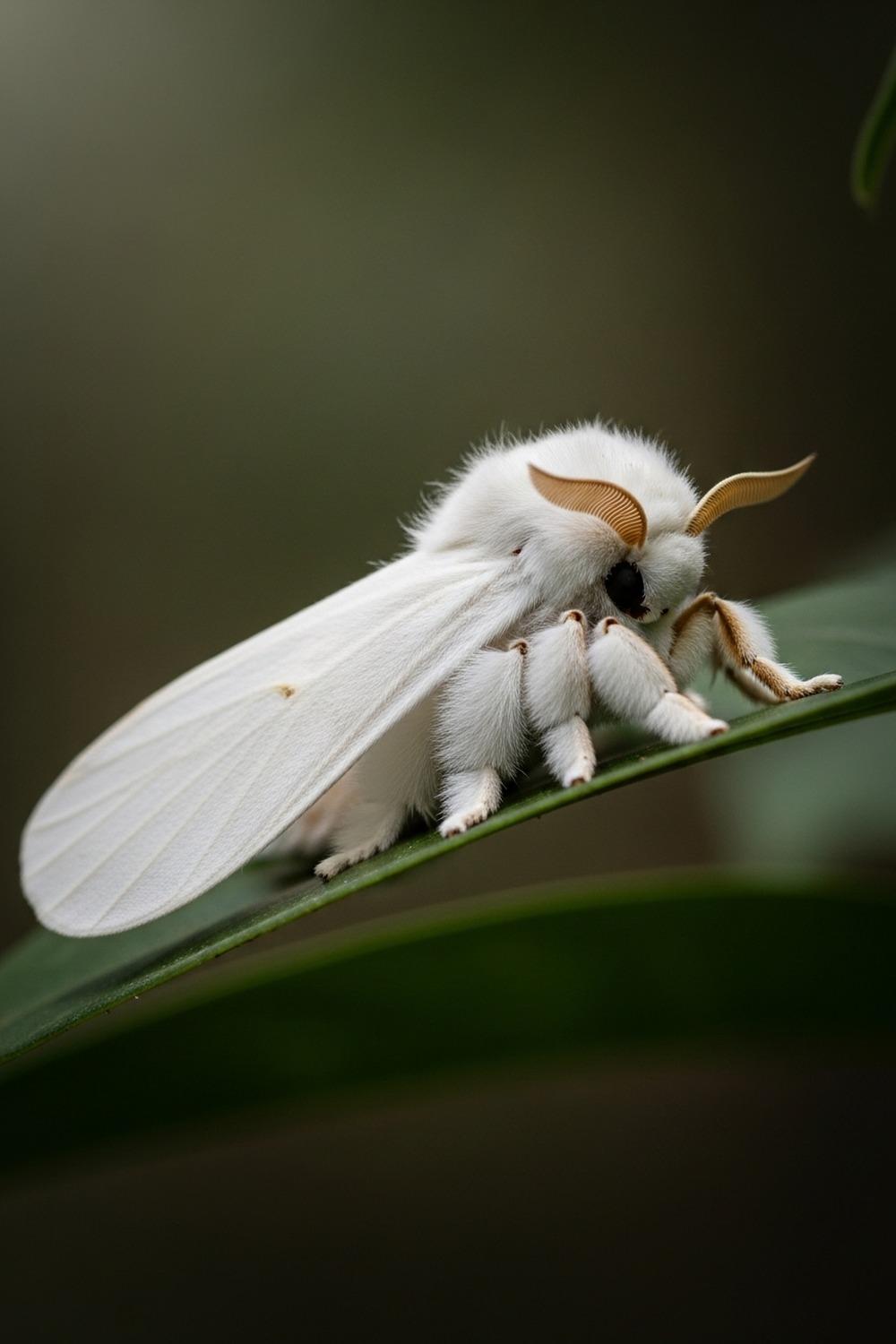
In 2009, a biologist in Venezuela’s remote highlands photographed something so improbable-looking that the internet spent years trying to figure out if it was real. A moth. Covered in white fur like someone had given a insect a full spa treatment and called it evolution.
One image. One researcher. One moment captured in a place most of us will never set foot in. That’s the entire documented record for what might be the strangest moth ever photographed — and science still hasn’t the faintest idea what it actually is.
Key Facts
- Dr. Arthur Anker, a crustacean specialist, photographed the Venezuelan poodle moth in Canaima National Park in 2009.
- The image went viral in 2012, spreading across Reddit and science blogs to millions of views with no press release.
- An estimated 5.5 million insect species exist on Earth, yet fewer than 1 million have been formally described.
- Canaima National Park covers nearly 3 million hectares and contains Angel Falls, the world’s highest uninterrupted waterfall.
- The ancient tepui landscape dates back 1.7 billion years, and about 50% of tepui plant species exist nowhere else.
In short: In 2009, biologist Arthur Anker photographed the Venezuelan poodle moth, a white furry insect, in Canaima National Park. It went viral in 2012, yet science still cannot identify it without a physical specimen. The mystery underscores that of an estimated 5.5 million insect species, fewer than 1 million are formally described.
The Photograph Nobody Could Stop Thinking About
Dr. Arthur Anker was in Canaima National Park doing fieldwork. He was studying crustaceans, not moths. The moth appeared in front of him anyway — dense with white fur, fuzzy legs, a face that looked almost mammalian. He took the photo in 2009 and uploaded it without any fanfare. Nobody noticed.
Three years passed.
Then the internet found it, and the internet absolutely could not believe what it was looking at.
Turns out, when you post a picture of an insect that looks like someone glued a cotton ball to six legs and gave it compound eyes, people pay attention. The Venezuelan poodle moth exploded across Reddit and science blogs. Millions of views. One persistent question: is this real or is this a hoax?
What Exactly Are We Looking At?
The moth belongs — probably — to the family Artace, or maybe the genus Diaphora. That “probably” is important. Without an actual specimen sitting in a museum somewhere, entomologists are essentially diagnosing a creature from a photograph. You can’t examine wing venation. You can’t look at antenna structure under a microscope. You can’t run the tests that actually identify a species.
It’s like trying to do surgery on someone using only a blurry selfie as your medical record.
The fur isn’t random decoration either. Dense hair on moths does real work — keeps them warm, hides them from predators, sometimes makes them look like something a bird doesn’t want to eat. Whether that’s what’s happening with this moth? We have no idea. Everything about the Venezuelan poodle moth exists in the land of educated guesses.
For a broader picture of the creatures science keeps finding and then losing track of, this-amazing-world.com has been documenting the ones hiding in plain sight across the planet.
Here’s Why This Matters More Than Just One Fuzzy Moth
Venezuela sits on top of some of Earth’s most biologically extreme real estate. The country contains an estimated 25,000 plant species. Its insect populations rank among the least surveyed on the planet — partly because the terrain is almost actively hostile to scientific documentation. The Gran Sabana region features flat-topped mountains called tepuis that have been isolated for so long they’ve evolved their own completely unique ecosystems. Things live on these isolated plateaus that live nowhere else on Earth.
The Venezuelan poodle moth came from exactly this kind of place.
Here’s the thing that kept me reading about this for another hour at 2am: scientists estimate fewer than 20% of all insect species on Earth have even been formally described. We’re walking around on a planet where most of the insect life remains unnamed, unclassified, and completely unknown to science.
We’ve documented maybe one out of every five insects that actually exist.
Why One Photograph Isn’t Enough to Name a Species
Naming a moth isn’t just filling out paperwork. There’s a whole protocol. You need a physical specimen — an actual bug, preserved and stored in a recognized museum where other scientists can examine it whenever they want. You need detailed morphological analysis. You need peer review. You need a formal scientific paper that describes this creature in enough detail that researchers a hundred years from now can verify what you found.
A viral photograph, however striking?
Doesn’t count.
Collecting that specimen is the real problem. You’d need to return to the exact same location in Venezuela, at the exact right time during the moth’s life cycle, and actually capture one without damaging its delicate wings. Venezuela’s situation over the past decade has made international research expeditions considerably less straightforward than they were in 2009.
The window for easy access has mostly closed.
By the Numbers
- An estimated 5.5 million insect species exist on Earth — fewer than 1 million have been formally described.
- Canaima National Park covers nearly 3 million hectares and contains Angel Falls, the world’s highest uninterrupted waterfall, plus ecosystems that predate most modern life on Earth.
- About 50% of all tepui plant species exist nowhere else in the world. Complete endemism. Found there or found nowhere.
- The Venezuelan poodle moth went viral in 2012, years before social media reached its current scale — it spread primarily through Reddit and science blogs, generating millions of views without a single press release from any research institution.
The Deeper Story
- Dr. Arthur Anker is a crustacean specialist. He wasn’t looking for moths. The most significant insect discovery of an entire decade came from someone who wasn’t even searching for insects.
- The ancient tepui landscape dates back 1.7 billion years. That’s an extraordinarily long time for an ecosystem to develop in isolation and become something completely distinct from everything around it.
- Several other genuinely new moth species have been described from Venezuela and Colombia since 2009. The poodle moth might not be anomalous at all — this region is simply that underdocumented.
What It All Actually Means
The Venezuelan poodle moth is out there right now. Probably alive. Completing whatever a moth completes — navigating by moonlight, avoiding predators, living a life that has absolutely nothing to do with whether humans have given it a Latin name.
But what it represents is the part that matters. If something this visually obvious, this immediately captivating, this — frankly — impossible to miss if you’re looking at it, if something like this can exist for decades without scientific documentation, then our understanding of life on Earth isn’t just incomplete. It’s dramatically, profoundly, almost shockingly incomplete.
We talk about protecting biodiversity like it’s an abstract concept. The poodle moth makes it concrete. There are creatures out there that we haven’t met. Some are extraordinary. Some won’t survive long enough for us to find them.
One photograph. One region. One powerful reminder that the natural world is still full of surprises — and that the inventory of life on our planet is radically, embarrassingly incomplete. The Venezuelan poodle moth exists in those highland forests whether or not science ever catches up. But its habitat surviving — that’s the part we can actually control. For more on the creatures still hiding in plain sight, this-amazing-world.com documents them. The next story is somehow even stranger.
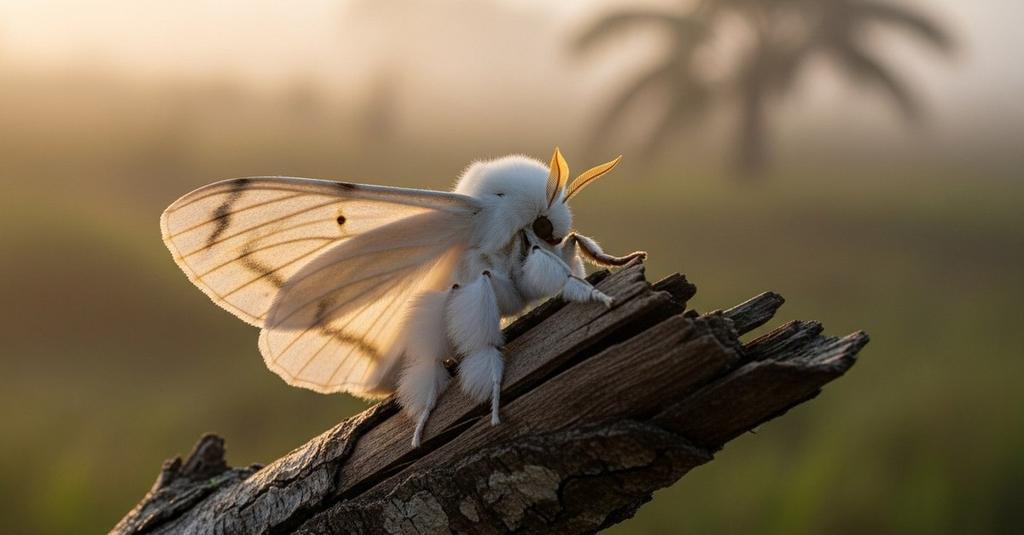
Illustrations are AI-generated. Article fact-checked and human-edited. Our editorial standards.