Why Two Countries Just Banned the Meat of the Future
Italy banned lab-grown meat in 2023. Hungary followed. Two EU governments, same hard line — no cultivated protein allowed. The weird part? The industry had already raised $2.6 billion before either country even started writing the law.
These aren’t countries that do things casually. When Italy and Hungary draw a legal line, there’s usually centuries of tradition standing behind the pen.
Key Facts
- Italy banned lab-grown meat in 2023, and Hungary followed with its own prohibition.
- Cultivated meat companies attracted over $2.6 billion in investment globally between 2016 and 2022.
- Singapore approved commercial sale of lab-grown chicken in December 2020, the earliest regulatory green light anywhere.
- Livestock farming accounts for roughly 14.5% of global greenhouse gas emissions, per the UN Food and Agriculture Organization’s 2013 report.
- Italy’s 2023 ban included fines of up to 60,000 euros for violations.
In short: The lab-grown meat ban enacted by Italy in 2023 and followed by Hungary blocks cultivated protein despite no safety findings, framed instead as protecting farmers and food culture. The bans target an industry that raised over $2.6 billion between 2016 and 2022, fracturing EU food policy while the bloc still reviews the technology.
Nobody Expected This Fight to Happen Here
Cultivated meat — real animal protein grown from cells in a bioreactor, no slaughter required — stopped being theoretical around 2020. Singapore approved lab-grown chicken for commercial sale that December. The US followed with conditional approvals in 2023. Researchers like Mark Post, who unveiled the first lab-grown burger at Maastricht University back in 2013, have spent over a decade turning proof-of-concept into something you could theoretically order for lunch.
So why the hard no from two EU member states?
The bans aren’t based on safety findings. No regulator flagged a health risk. No toxicology report forced anyone’s hand. The opposition is coming from somewhere else entirely.
Heritage Versus the Future of Protein
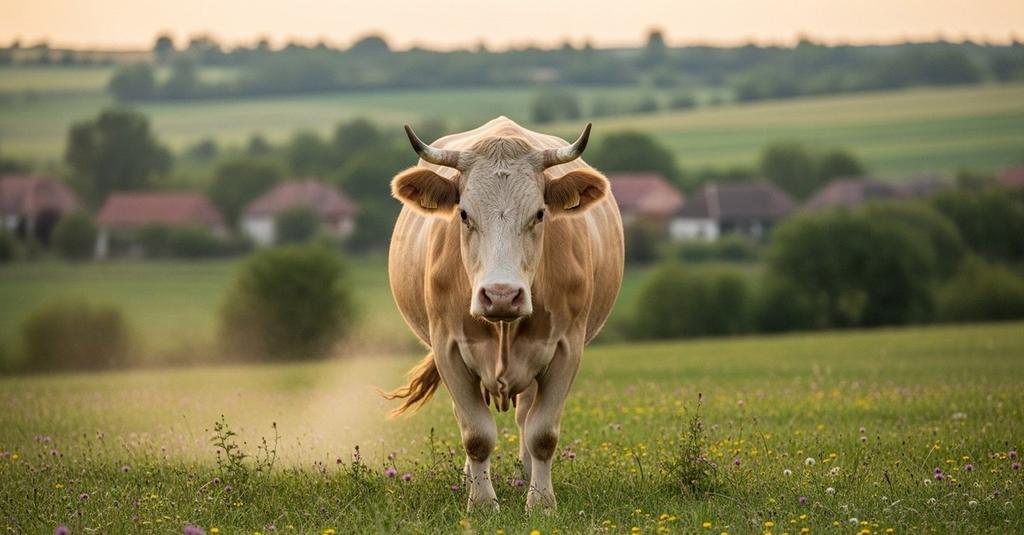
Italy has entire government ministries dedicated to protecting traditional food products. Hungarian grey cattle have been bred on the Puszta plains for centuries. When Italian officials talk about defending “authentic” food, they mean it in a way that goes far beyond marketing — it’s wrapped up in national identity, in law, in memory.
This collision between tradition and technology is happening faster than most institutions can process.
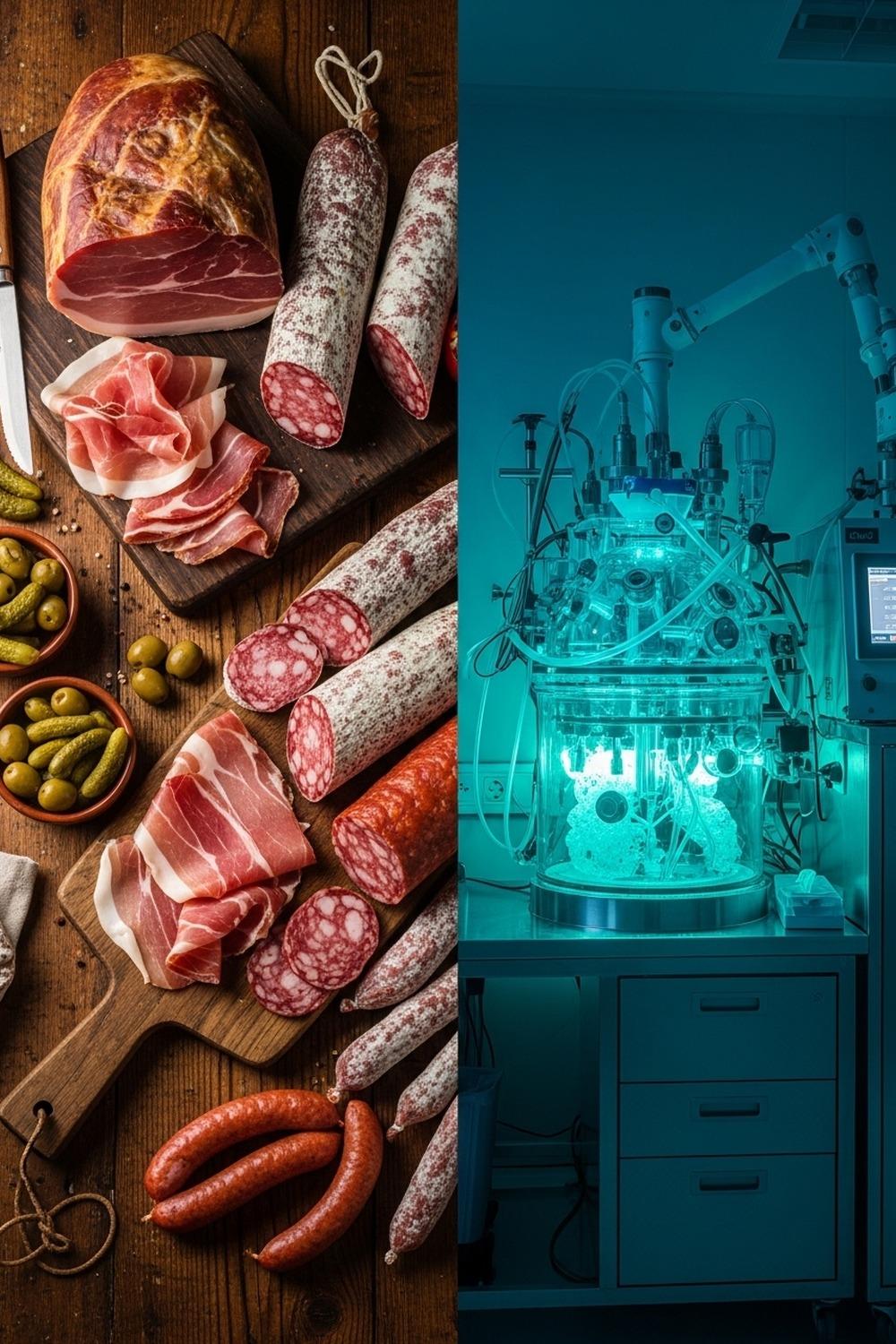
Both governments framed their bans as protection for farmers and food culture. And honestly? That framing resonates. When your prosciutto has a protected designation of origin and your national identity is partly built on how you raise and cure a pig, a bioreactor full of pork cells doesn’t feel like an option. It feels like an existential threat.
Italy’s law doesn’t just ban production — it also bans the use of words like “steak,” “burger,” or “sausage” on plant-based or lab-grown products. Linguistic protectionism that extends well beyond the bioreactor debate.
What the Lab-Grown Meat Industry Actually Looks Like
The industry these governments are banning isn’t some fringe experiment anymore. Between 2016 and 2022, cultivated meat companies attracted over $2.6 billion in investment globally. Dozens of startups are building production facilities, refining bioreactor processes, and working toward cost parity with conventional meat. Upside Foods in California. Mosa Meat in the Netherlands. The technology is moving faster than the regulation designed to govern it.
And that gap is widening. Fast.
The EU as a whole hasn’t banned cultivated meat — it’s still under regulatory review at the bloc level. Which means Hungary and Italy aren’t just making a domestic call. They’re fracturing European food policy from the inside, while neighboring countries like the Netherlands — home to some of the most advanced cultivated meat research in the world — haven’t banned the technology at all. Almost diametrically opposite regulatory positions on the same product, separated by a few hundred kilometers.
The Climate Number That Doesn’t Go Away
Banning a technology doesn’t make the problem it was designed to solve disappear.
Livestock farming accounts for roughly 14.5% of global greenhouse gas emissions, according to the UN Food and Agriculture Organization. That’s more than the entire global transportation sector. Cultivated meat, in theory, could dramatically reduce that number — using a fraction of the land, water, and feed required for conventional animal agriculture. The emissions footprint per kilogram of protein produced would be significantly lower.
That math doesn’t change because a parliament votes against it.
The emissions are still there. The land use pressure is still there. The water consumption is still there. What changes is whether the technology that might address those problems gets a chance to prove itself in the marketplace — or gets strangled in the regulatory cradle before it ever does. That last fact kept me reading for another hour. Because it raises an obvious question: if the climate pressure is real, does a cultural argument ever win long-term?
By the Numbers
- $2.6 billion invested globally between 2016 and 2022 — more than any other alternative protein category.
- Livestock agriculture generates approximately 14.5% of all global greenhouse gas emissions annually, per the UN Food and Agriculture Organization’s 2013 report. That figure has remained largely consistent since.
- Singapore approved commercial sale of lab-grown chicken in December 2020 — the earliest regulatory green light anywhere.
- Italy’s ban, passed in 2023, included fines of up to €60,000 for violations. One of the steepest financial penalties attached to any cultivated protein regulation globally.
Field Notes
- How cultivated meat is actually made: extract a small sample of animal cells via biopsy, feed them a nutrient solution inside a bioreactor. No animal is killed. The same cell line can theoretically produce meat indefinitely.
- Italy’s linguistic protectionism extends beyond production — the law also bans the use of words like “steak,” “burger,” or “sausage” on plant-based or lab-grown products.
- The Netherlands hasn’t banned the technology, creating a regulatory contradiction between neighboring EU states.
The Pressure Building Underneath
The lab-grown meat ban might hold for years. It might hold for a generation.
But the pressure building underneath it isn’t going anywhere. As climate targets get harder to meet, as droughts stress agricultural land, as the cost of feed and water continues to climb, the conversation about where protein comes from is going to get louder and more urgent. Governments that bet on heritage over adaptation are making a wager. The climate is the counterparty on the other side of that bet.
The cultural argument isn’t wrong. The traditions being protected are real. The communities tied to them deserve serious consideration in any policy conversation. These aren’t abstract farming statistics — they’re families, landscapes, and ways of life that took centuries to develop.
But seriousness cuts both ways. If the scientific consensus on emissions is real, and if cultivated protein could genuinely reduce livestock’s environmental footprint at scale, then a policy that blocks that technology isn’t conservative. It’s a choice. A deliberate, documented choice to prioritize cultural continuity over climate adaptation.
Choices like that have consequences.
The question isn’t whether lab-grown meat is perfect. It isn’t. Energy costs of bioreactor production are significant. Cell growth medium is still expensive. Scaling from lab to supermarket shelf involves engineering challenges that haven’t been fully solved. But banning the attempt entirely means those challenges never get worked through — not here, not in these countries, not under these governments. And that might be exactly what the farmers lobbying for these bans wanted.
Two countries banned a technology that didn’t yet exist at commercial scale — and in doing so, they made a statement about what they value more than efficiency, more than emissions math, more than the future of protein. Whether that statement ages well depends entirely on how the next decade of climate pressure unfolds. The answer isn’t written yet. But the clock is running. More at this-amazing-world.com.
“
Frequently Asked Questions
Q: Why did Italy and Hungary ban lab-grown meat?
The bans are not based on safety findings; no regulator flagged a health risk and no toxicology report forced the decision. Italy passed its ban in 2023 and Hungary followed, both framing the move as protection for farmers and traditional food culture. Italy has government ministries dedicated to protecting traditional food products, and Hungarian grey cattle have been bred on the Puszta plains for centuries. Italy’s law also bans words like steak, burger, or sausage on plant-based or lab-grown products, with fines up to 60,000 euros.
Q: How big is the lab-grown meat industry that’s being banned?
It is no longer a fringe experiment. Between 2016 and 2022, cultivated meat companies attracted over $2.6 billion in global investment, more than any other alternative protein category. Companies like Upside Foods in California and Mosa Meat in the Netherlands are building production facilities and refining bioreactor processes. Singapore approved commercial sale of lab-grown chicken in December 2020, and the United States followed with conditional approvals in 2023. The technology is moving faster than the regulation designed to govern it.
Q: Does banning lab-grown meat affect climate goals?
It removes one potential tool without removing the underlying problem. Livestock farming accounts for roughly 14.5% of global greenhouse gas emissions, according to the UN Food and Agriculture Organization’s 2013 report, more than the entire global transportation sector. Cultivated meat could, in theory, dramatically reduce that footprint using a fraction of the land, water, and feed. Banning the technology means those emissions, land-use pressures, and water demands remain, and the alternative never gets a chance to prove itself in the market.
Illustrations are AI-generated. Article fact-checked and human-edited. Our editorial standards.