The Last Neanderthals Hid in This Cave for 40,000 Years
A sealed chamber inside a Gibraltar cave just opened for the first time in 40,000 years. What they found inside wasn’t gold or weapons or any of the things you’d expect archaeologists to get excited about.
It was a child’s milk tooth.
That tooth had been sitting in the dark since the Pleistocene. It belonged to a Neanderthal kid who lived, played, and grew up in the limestone cliffs of Gibraltar — at what may have been the very last place on Earth where Neanderthals survived. And the cave that held it has just started giving up its secrets.
Key Facts
- A sealed chamber in Vanguard Cave, untouched for an estimated 40,000 years, was opened by researchers, revealing lynx, hyena, griffon vulture, and sea turtle remains.
- Gibraltar’s Neanderthals may have survived until approximately 28,000 years ago, up to 10,000 years longer than populations elsewhere in Europe (research published in Nature).
- Non-African modern humans carry an estimated 1-4% Neanderthal DNA.
- Gorham’s Cave Complex spans four interconnected caves across roughly 300 meters of limestone cliff face and is a UNESCO World Heritage Site.
- A child’s milk tooth was found in Vanguard Cave alongside hearth remains and worked stone tools, evidence of family-based community occupation.
In short: The Neanderthals Gibraltar cave system, Gorham’s Cave Complex, may have been the last place on Earth Neanderthals survived, possibly until 28,000 years ago. A newly opened chamber sealed for 40,000 years, plus a child’s milk tooth and coordinated marine hunting evidence, reveals a sophisticated community rather than a population barely hanging on.
What Vanguard Cave Actually Hides Inside
Gorham’s Cave Complex in Gibraltar is a UNESCO World Heritage Site, and for decades it’s been quietly rewriting the Neanderthal story. Researcher Francisco Giles Pacheco and his team have pulled artifacts from these walls that upend the old narrative of primitive, shambling brutes. The complex includes Vanguard Cave, where that milk tooth was found alongside hearth remains, worked stone tools, and evidence of deliberate, repeated occupation.
But here’s the thing: what exactly does a milk tooth prove that bones alone couldn’t?
It proves a child was there. Which means a family was there. Which means these weren’t desperate loners fleeing extinction — they were a community. Living. Eating. Raising kids.
That single small tooth changes everything about how we picture the end.
A Sealed Chamber Opens for the First Time
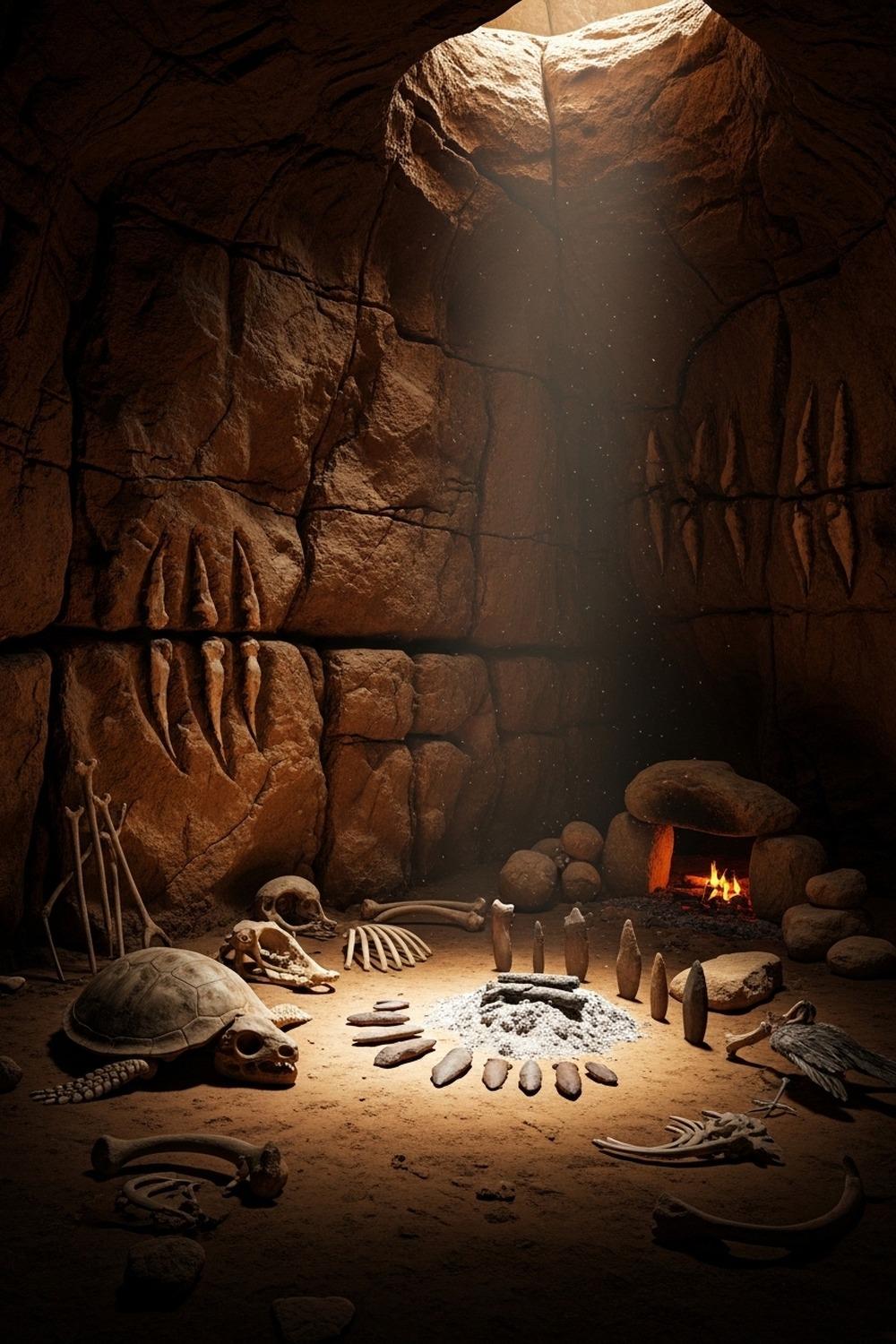
Last year, researchers broke through into a chamber within Vanguard Cave that hadn’t been touched since the Pleistocene. What they found inside wasn’t treasure in the conventional sense — but it might as well have been. Lynx bones. Hyena remains. A griffon vulture. A sea turtle shell. Deep claw marks raked into the limestone walls by large carnivores.
A frozen snapshot of a world that hasn’t existed for tens of thousands of years.
You can read more about Gorham’s Cave Complex on Wikipedia — but the Wikipedia entry doesn’t quite capture what it feels like to know that door was sealed before modern humans arrived in Western Europe.
The claw marks are the detail that sticks. Something large and powerful was in that chamber, grinding its claws into stone walls in the dark. Whatever it was, it’s been dead for 40,000 years. And when researchers opened the chamber, they were the first living things to stand in that space since.
These Neanderthals Weren’t Struggling to Survive
Here’s where the Neanderthals Gibraltar evidence gets genuinely strange. The Gorham’s Complex doesn’t show a population barely hanging on. It shows sophistication. Hearths built in the same spots over generations — not random fires, but chosen locations, used repeatedly. Stone tools shaped with real skill and intention.
And perhaps most striking: evidence of coordinated hunting of marine mammals. These Neanderthals were hunting seals and dolphins from the Gibraltar coastline, not scavenging whatever washed up, but actively pursuing them. That takes planning. It takes cooperation. It takes knowledge passed down.
They also used pigments — ochre and other mineral colorants — in ways that suggest symbolic behavior. Not accidental staining.
Deliberate application. That’s a behavior we’ve long assumed was exclusively ours.
Gibraltar Was the Last Refuge — But Why Here?
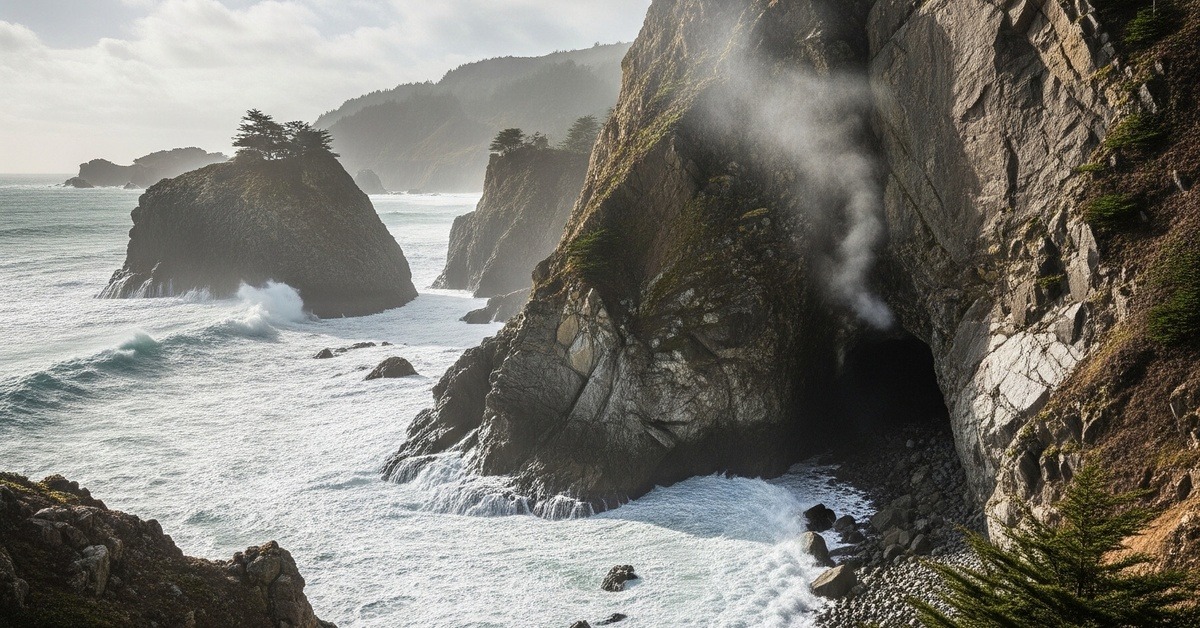
The Neanderthals Gibraltar cave system sits at a geographic crossroads that matters enormously. The Rock juts into the Mediterranean where it meets the Atlantic — a peninsula with cliffs, caves, and a coastline that would’ve offered food, shelter, and strategic visibility. While the rest of Europe was being populated by anatomically modern humans pushing westward, Gibraltar may have acted as a natural refuge. A place where a dwindling population could hold on longer than anywhere else.
The wider Iberian Peninsula has long been considered Neanderthal territory for the final chapter of their existence, but these caves suggest that chapter was richer, more structured, more alive than anyone imagined.
At their peak, Neanderthals ranged from Britain to Siberia.
By the end, they were here. In these caves. Watching the sea.
And then — gone.
The Real Mystery: How Did They Actually Disappear?
Turns out, the old answer — “modern humans killed them all” — is almost certainly too simple. The current scientific picture is messier and more interesting. There’s strong genetic evidence that Neanderthals and modern humans interbred extensively. Most people of non-African descent carry somewhere between 1% and 4% Neanderthal DNA. That last fact kept me reading for another hour. That’s not the genetic signature of conquest and replacement — it looks more like gradual absorption. Population by population, group by group, the boundaries blurred.
The Neanderthals didn’t disappear so much as they dissolved into us.
Which makes the Gibraltar cave sites feel different when you stand back and look at them. This wasn’t a battlefield. It was a home. And the people who lived here — who raised children here, who hunted dolphins from these shores, who carried fire into these chambers — they’re still here, scattered across the human genome, in fragments too small to see but impossible to erase.
By the Numbers
- Gibraltar’s Neanderthals may have survived until approximately 28,000 years ago — up to 10,000 years longer than populations elsewhere in Europe, according to research published in Nature
- Non-African modern humans carry an estimated 1–4% Neanderthal DNA
- The newly opened sealed chamber in Vanguard Cave had been untouched for an estimated 40,000 years, making it one of the longest-preserved enclosed environments ever accessed by researchers. The conditions inside were so stable that archaeologists found organic material in states of preservation that rarely occur anywhere else.
- Gorham’s Cave Complex spans four interconnected caves across roughly 300 meters of limestone cliff face — all of which show signs of repeated Neanderthals Gibraltar occupation over tens of thousands of years
Field Notes
- A geometric engraving discovered inside Gorham’s Cave appears to be a hashtag-like pattern of crossed lines etched deliberately into rock
- If confirmed as intentional, it’s one of the earliest known examples of abstract mark-making by any human species. Researchers are still debating whether the pattern was created as a conscious artistic or symbolic act.
- The sea turtle shell found in the newly opened chamber likely wasn’t food waste — its condition and placement suggest it may have had a different purpose, possibly as a container or an object of significance
- Gibraltar’s Neanderthal population had access to a dramatically different landscape than we see today. During the last Ice Age, sea levels were lower and the coastline extended further, giving them a much larger foraging range.
Why This Changes What We Think We Know
The Neanderthals Gibraltar cave complex isn’t just an archaeological site. It’s a correction to a long-held story about who Neanderthals were and how they ended. For most of the 20th century, the narrative was simple: primitive cousins, outcompeted by smarter modern humans, gone by 40,000 years ago, end of story.
The evidence from Gorham’s doesn’t fit that story at all.
The hearths. The hunting tools. The pigments. The milk tooth. These were complex, capable people living rich lives in a stunning landscape. The cave system is proof that the old version was wrong.
That matters because how we understand Neanderthals shapes how we understand ourselves. If they were capable of symbolic thought, cooperative hunting, and raising families in organized communities, then the line between “them” and “us” is a lot thinner than we ever believed. Maybe it was never really a line at all.
A milk tooth in the dark for 40,000 years. Claw marks on a sealed wall. A hearth used by hands that look a lot like ours. The caves at Gibraltar aren’t a monument to extinction — they’re a monument to survival, right up until the very end. And the end itself may have been quieter, stranger, and more human than we ever gave it credit for.
“
Frequently Asked Questions
Q: Where is the Neanderthals Gibraltar cave and why does it matter?
The site is Gorham’s Cave Complex in Gibraltar, a UNESCO World Heritage Site spanning four interconnected caves across roughly 300 meters of limestone cliff face. It matters because it may have been the very last place on Earth where Neanderthals survived, possibly until around 28,000 years ago, up to 10,000 years later than populations elsewhere in Europe according to research published in Nature. The Rock’s position where the Mediterranean meets the Atlantic offered food, shelter, and a natural refuge for a dwindling population.
Q: What was found in the sealed Vanguard Cave chamber?
Researchers broke into a chamber within Vanguard Cave that had been sealed for an estimated 40,000 years, untouched since the Pleistocene. Inside they found lynx bones, hyena remains, a griffon vulture, and a sea turtle shell, along with deep claw marks raked into the limestone walls by large carnivores. The conditions were so stable that archaeologists recovered organic material in states of preservation that rarely occur elsewhere, making it one of the longest-preserved enclosed environments ever accessed.
Q: How much Neanderthal DNA do modern humans carry?
Most people of non-African descent carry somewhere between 1% and 4% Neanderthal DNA. This genetic evidence shows that Neanderthals and modern humans interbred extensively rather than one group simply conquering and replacing the other. The pattern looks more like gradual absorption, population by population, group by group, until the boundaries blurred. As the article puts it, the Neanderthals did not so much disappear as dissolve into us, leaving fragments scattered permanently across the human genome.
Q: Were Gibraltar’s Neanderthals as primitive as once believed?
No. The Gorham’s Cave evidence contradicts the old image of primitive, struggling brutes. The caves show hearths built in the same chosen spots over generations, skillfully shaped stone tools, and evidence of coordinated hunting of marine mammals like seals and dolphins, which requires planning and cooperation. They also used pigments such as ochre in ways suggesting symbolic behavior, and a geometric engraving of crossed lines may be one of the earliest known examples of abstract mark-making by any human species.
Illustrations are AI-generated. Article fact-checked and human-edited. Our editorial standards.