The Coca-Cola Spy Who Tried to Sell Secrets to Pepsi
A glass vial. A FedEx envelope. An executive secretary with legitimate access to Coca-Cola’s most guarded development pipeline — and a federal sting operation that proved something uncomfortable: the Coca-Cola trade secret theft of 2006 wasn’t stopped by encryption or vaults. It was stopped by a competitor’s legal department and the oldest vulnerability in corporate security, the one that can’t be firewalled.
Trust is the problem. Every morning in 2006, Joya Williams walked into Coca-Cola’s Atlanta headquarters as someone the company had decided to believe in. She had access. She had clearance. At some point, she decided both of those things were transferable — that they could be converted into cash if offered to the right buyer. What followed exposed not just one secretary’s choices, but an entire architecture of corporate secrecy that billion-dollar companies construct and then hand the keys to the people who make their operations possible.

Key Facts
- In 2006, Coca-Cola executive secretary Joya Williams stole confidential documents and a product sample sealed in a glass vial from the Atlanta headquarters
- Williams offered the stolen trade secrets to PepsiCo, which immediately alerted Coca-Cola and the FBI
- Prosecution was brought under the Economic Espionage Act of 1996 by the U.S. Attorney’s Office for the Northern District of Georgia
- Williams was convicted of conspiracy to steal trade secrets and sentenced to eight years in federal prison; accomplice Ibrahim Dimson received a shorter sentence
- Coca-Cola’s original syrup formula has been kept in an Atlanta bank vault since 1925, moving from SunTrust Bank to the World of Coca-Cola museum in 2011
In short: In 2006, Coca-Cola secretary Joya Williams stole confidential documents and a product sample and tried to sell them to PepsiCo, which alerted the FBI. An undercover sting caught her and accomplice Ibrahim Dimson. Convicted under the Economic Espionage Act, Williams received eight years in federal prison.
Inside the Building: How the Theft Actually Happened
Joya Williams wasn’t a hacker. She didn’t need to be. As an executive secretary at Coca-Cola’s Atlanta headquarters in the mid-2000s, she had legitimate, daily access to some of the company’s most sensitive internal materials. In 2006, she gathered confidential documents relating to a new product still in development — something not yet released, not yet named publicly — along with a physical sample of that product sealed in a glass vial.
She then made contact with PepsiCo. The offer was direct: what she’d taken could be theirs for the right price. The legal framework that would eventually convict her, the Economic Espionage Act of 1996, had been designed by Congress specifically for moments like this — the theft of trade secrets that carry genuine commercial value and could cause real damage to a U.S. company’s competitive position in the global market. What Williams apparently didn’t calculate was what happened next.
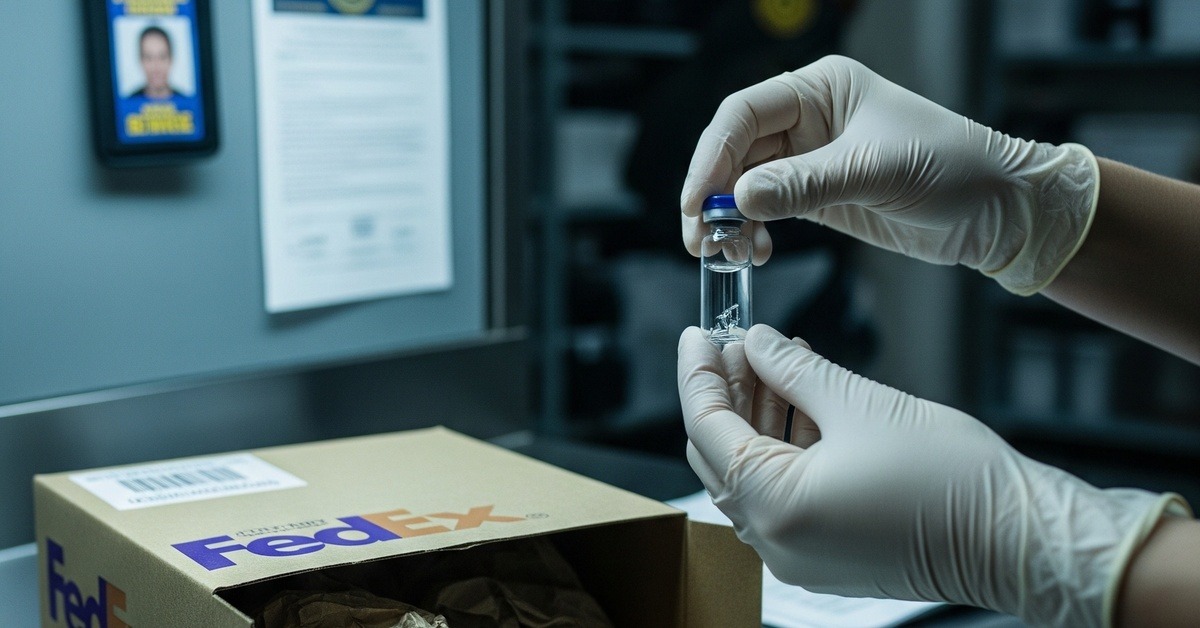
Rather than negotiate, PepsiCo contacted Coca-Cola immediately. Then both companies contacted the FBI. Here’s the thing: most people are surprised by this detail. The idea that a rival corporation would hand back the keys to a competitor’s kingdom seems almost quaint. But from Pepsi’s perspective, the calculus wasn’t complicated. Accepting stolen trade secrets is a federal crime. The reputational and legal exposure of playing along dwarfed any intelligence value the stolen materials might have provided. Pepsi didn’t act nobly. It acted rationally.
The FBI constructed a sting operation. Agents posed as buyers willing to pay for what Williams had taken. The exchange was arranged. Williams and her accomplice, Ibrahim Dimson, walked directly into it. Among the recovered evidence: the FedEx package, the glass vial inside it, the documents that had left Coca-Cola’s building without authorization.
The Sting, the Verdict, and the Eight-Year Number
Corporate espionage cases can be notoriously difficult to prosecute. Defense attorneys are skilled at exploiting the genuinely blurry line between competitive intelligence, which is legal, and theft of proprietary information. This case wasn’t blurry. Williams had physically removed confidential materials from a controlled environment, attempted to monetize them with a direct competitor, and was caught in a federal sting with the evidence still in hand.
The U.S. Attorney’s Office for the Northern District of Georgia prosecuted under the Economic Espionage Act, which carries serious federal penalties. Williams was convicted of conspiracy to steal trade secrets. The sentence: eight years in federal prison.
Eight years. For a glass vial and some documents.
Dimson, her accomplice, received a shorter sentence, but the broader implication rippled across the corporate world. The Economic Espionage Act had been on the books for a decade by the time Williams was sentenced, yet high-profile prosecutions under it were still relatively rare. Her case became a reference point — cited in corporate security training programs, in law school classrooms, in boardroom conversations about insider threat protocols. The sentence signaled something new: federal prosecutors were willing to treat trade secret theft with the same gravity as other serious financial crimes.
Undercover FBI agents. A FedEx package. A glass vial changing hands. It reads like a thriller, except the product inside the vial was probably something like a new flavored beverage — prosaic, commercially valuable, entirely unremarkable outside what it represented. (Coca-Cola never confirmed the product’s identity, keeping that detail sealed throughout the trial.) Secrets aren’t always dramatic. Sometimes they’re just new.
The Formula in the Vault — and What It Actually Protects
Coca-Cola has historically gone to extraordinary lengths to protect its intellectual property. The original formula for Coca-Cola — the precise recipe for its signature syrup — has been kept in a bank vault in Atlanta since 1925. For decades it was held at SunTrust Bank before being moved in 2011 to a dedicated exhibit space at the World of Coca-Cola museum, itself a fortress-grade display case with theatrical lighting and a timed door. Smithsonian Magazine has covered the mythology extensively, noting that the secrecy surrounding it is as much a marketing strategy as a security one — the vault itself is part of the brand. What the Coca-Cola trade secret theft of 2006 exposed, however, is that no vault protects against the person who doesn’t need to break in.
This is the core paradox of trade secret law: Companies invest enormous resources in external security — encrypted servers, non-disclosure agreements, access controls, legal frameworks. Then they employ human beings who move through all of those layers every single day. The insider threat isn’t a new concept in corporate security, but it remains the most statistically significant one. According to research published by the Ponemon Institute, insider threats account for a disproportionate share of data breach costs relative to their frequency — and cases involving deliberate theft, as opposed to negligence, carry the highest per-incident price tags.
The Coca-Cola trade secret theft didn’t compromise the formula itself. The vault held. What it compromised was something arguably more commercially sensitive in the short term: an unreleased product that hadn’t reached the market yet, where the competitive advantage is entirely tied to timing and exclusivity. In the beverage industry, being first matters enormously. The sample Williams took represented months or years of development work — gone, if the exchange had succeeded.
The Coca-Cola Trade Secret Case and the Insider Threat Problem
Insider theft of corporate secrets has a long, unglamorous history — and it tends to spike during periods of corporate restructuring, when employees feel economically vulnerable or professionally overlooked. The Williams case didn’t emerge from nowhere.
Why do insiders steal? Researchers at Carnegie Mellon University’s CERT Division, which has tracked insider threat incidents since the early 2000s, have documented that the majority of malicious insiders aren’t sophisticated actors with elaborate plans. They’re people who already have access, who identify an opportunity, and who underestimate either the detectability of their actions or the severity of the legal consequences. Williams fits that profile precisely. She wasn’t running a spy ring. She was making a decision that she almost certainly believed would never be traced back to her — not least because she likely assumed Pepsi would simply say yes.
That assumption reveals something interesting about how corporate espionage gets mythologized versus how it actually operates. The reality: receiving stolen trade secrets carries its own legal exposure. Large corporations with legal departments and reputational stakes have strong incentives to report, not absorb. The story of someone stealing competitor secrets and selling them successfully is rarer than popular imagination suggests. What happens far more often is exactly what happened here — a bad bet, a federal sting, a courtroom. The kind of audacious miscalculation where confidence outpaces judgment in ways that only become obvious in hindsight.
And then the law evolved. The Economic Espionage Act has been amended and strengthened multiple times since Williams’s conviction, most significantly through the Defend Trade Secrets Act of 2016, which created a federal civil cause of action for trade secret misappropriation. Companies no longer have to rely solely on criminal prosecution — they can now sue directly in federal court. Watching a company extract a conviction like this, you understand that the next generation of potential thieves would face even sharper consequences. The Williams case was the older playbook. What followed it was significantly more lethal.
How It Unfolded
- 1925 — Coca-Cola’s original formula is placed in a bank vault in Atlanta, a security ritual that would become as famous as the drink itself.
- 1996 — The Economic Espionage Act is signed into law by President Clinton, creating federal criminal penalties for trade secret theft for the first time in U.S. history.
- 2006 — Joya Williams removes confidential documents and a product sample from Coca-Cola’s headquarters and contacts PepsiCo; Pepsi notifies Coca-Cola and the FBI immediately.
- 2007 — Williams is convicted of conspiracy to steal trade secrets and sentenced to eight years in federal prison, one of the most significant insider-threat prosecutions under the Economic Espionage Act to date.
- 2016 — The Defend Trade Secrets Act expands the legal toolkit for companies, adding a federal civil remedy alongside the existing criminal framework established by Williams’s case.
By the Numbers
- 8 years — federal prison sentence handed to Joya Williams following her 2007 conviction under the Economic Espionage Act of 1996.
- $1.7 billion — estimated annual cost of trade secret theft to U.S. companies, according to a 2017 study by the Commission on the Theft of American Intellectual Property.
- 1925 — the year Coca-Cola’s original formula was placed in a bank vault in Atlanta, where it remained for 86 years before being moved in 2011.
- 60% — share of insider threat incidents attributed to employees who already held legitimate access to the stolen information at the time of the breach, per Carnegie Mellon University’s CERT research.
- 2016 — year the Defend Trade Secrets Act passed, extending civil remedies to companies for the first time and significantly increasing legal pressure on would-be insider thieves.
Field Notes
- The glass vial mailed in a FedEx package became one of the most cited pieces of physical evidence in a U.S. trade secret prosecution — unusual in a field where stolen secrets are typically digital and harder to physically recover. Its tangibility helped make the conviction cleaner and more memorable than cases involving digital theft alone.
- PepsiCo’s decision to immediately notify Coca-Cola and the FBI — rather than stall or negotiate — is often overlooked but legally significant: under the Economic Espionage Act, knowingly receiving stolen trade secrets is itself a federal crime, which means Pepsi had powerful self-interested reasons to report, not just ethical ones.
- Coca-Cola reportedly never confirmed what specific product the vial contained — the company kept that detail sealed throughout the trial, protecting the commercial sensitivity of the development pipeline even as the theft itself became public record.
- Researchers and legal scholars still debate whether deterrence-based sentencing under the Economic Espionage Act meaningfully reduces insider theft, or whether the profile of the typical offender — someone who doesn’t believe they’ll be caught — makes the threat of prison time less effective than internal access controls and monitoring.
Frequently Asked Questions
Q: What exactly was stolen in the Coca-Cola trade secret theft of 2006?
Joya Williams stole confidential documents related to a new Coca-Cola product still in development, along with a physical sample of that product sealed in a glass vial. The vial was later mailed in a FedEx package as part of the attempted sale to PepsiCo. Coca-Cola never publicly confirmed what the specific product was, keeping that detail out of the trial record to protect its ongoing development pipeline. The Economic Espionage Act doesn’t require the victim company to reveal the full contents of stolen materials in open court.
Q: Why did Pepsi report the theft instead of accepting the stolen secrets?
Because accepting stolen trade secrets is a federal crime under the Economic Espionage Act of 1996. PepsiCo’s legal team would have understood immediately that knowingly receiving stolen proprietary information creates criminal and civil exposure that far outweighs any intelligence value. Large corporations with active legal departments don’t make these calls based on ethics alone — they make them based on liability. Pepsi contacted Coca-Cola and the FBI promptly, which is consistent with how most Fortune 500 companies would respond to an unsolicited offer of a competitor’s stolen materials.
Q: Does this mean Coca-Cola’s famous formula was compromised in the theft?
No — the original Coca-Cola formula was not involved in the 2006 theft. Williams took materials related to an unreleased product in development, not the classic recipe. The original formula has been stored under controlled conditions since 1925 and is accessed by an extraordinarily small number of people. The Coca-Cola trade secret theft was serious and commercially damaging in its own right, but it was categorically different from the hypothetical theft of the original formula, which remains one of the most tightly controlled pieces of intellectual property in the world.
Editor’s Take — Sarah Blake
What strikes me most about this case isn’t the crime — it’s the assumption behind it. Williams apparently believed Pepsi would simply say yes. That tells you something about how corporate rivalry gets mythologized in the cultural imagination: the idea that competitors are always hungry enough, always willing enough, to take a shortcut if it’s handed to them. They’re not. They have lawyers. They have reputational stakes measured in billions. The romantic version of corporate espionage, where secrets change hands in parking garages and everyone profits, collides hard with the reality that receiving stolen goods is a felony conviction. The vault holds. The people are the risk.
Trade secrets cases rarely make it into the cultural conversation the way this one did — partly because of the Coca-Cola mystique, partly because of the FedEx vial, mostly because the villain wasn’t a shadowy foreign operative but a woman with a keycard and a calculation that didn’t work. Every company that stores its most valuable knowledge inside a building also stores its most significant vulnerability there: the people it had to trust to function. The formula is in the vault. Everything else is a bet on human judgment — and sometimes, that bet loses.
Illustrations are AI-generated. Article fact-checked and human-edited.