Fake Apple Stores in China: 22 Found in One City
The story of the fake Apple Stores in China begins with one detail: the staff didn’t know. They wore the blue shirts. They learned the products. They believed the company employed them. It did not, and that’s the part that lingers.
In the summer of 2011, an American blogger walking through Kunming — a city of roughly six million in China’s Yunnan province — passed a storefront that looked like an Apple Store. White interior. Wooden tables. Staff lanyards. She photographed it and posted the account. Within days the city’s inspectors were counting how many more there were. The question wasn’t whether one shop was fake. It was how an entire copy of a brand had grown without the brand noticing.
Key Facts
- A blogger documented the first fake store in Kunming in July 2011.
- Local inspectors checked roughly 300 electronics shops across the city.
- The count of unauthorized Apple-branded stores reached 22 in Kunming alone.
- Apple operated only 4 official retail stores in mainland China at the time.
- Some shops were closed; others were ordered only to remove Apple logos.
In short: The fake Apple Stores in China were uncovered in Kunming in 2011, when inspectors found 22 counterfeit shops imitating Apple’s retail design. Many staff genuinely believed they worked for Apple. With only 4 official stores in mainland China then, demand outran supply, and an imitation retail economy filled the gap.
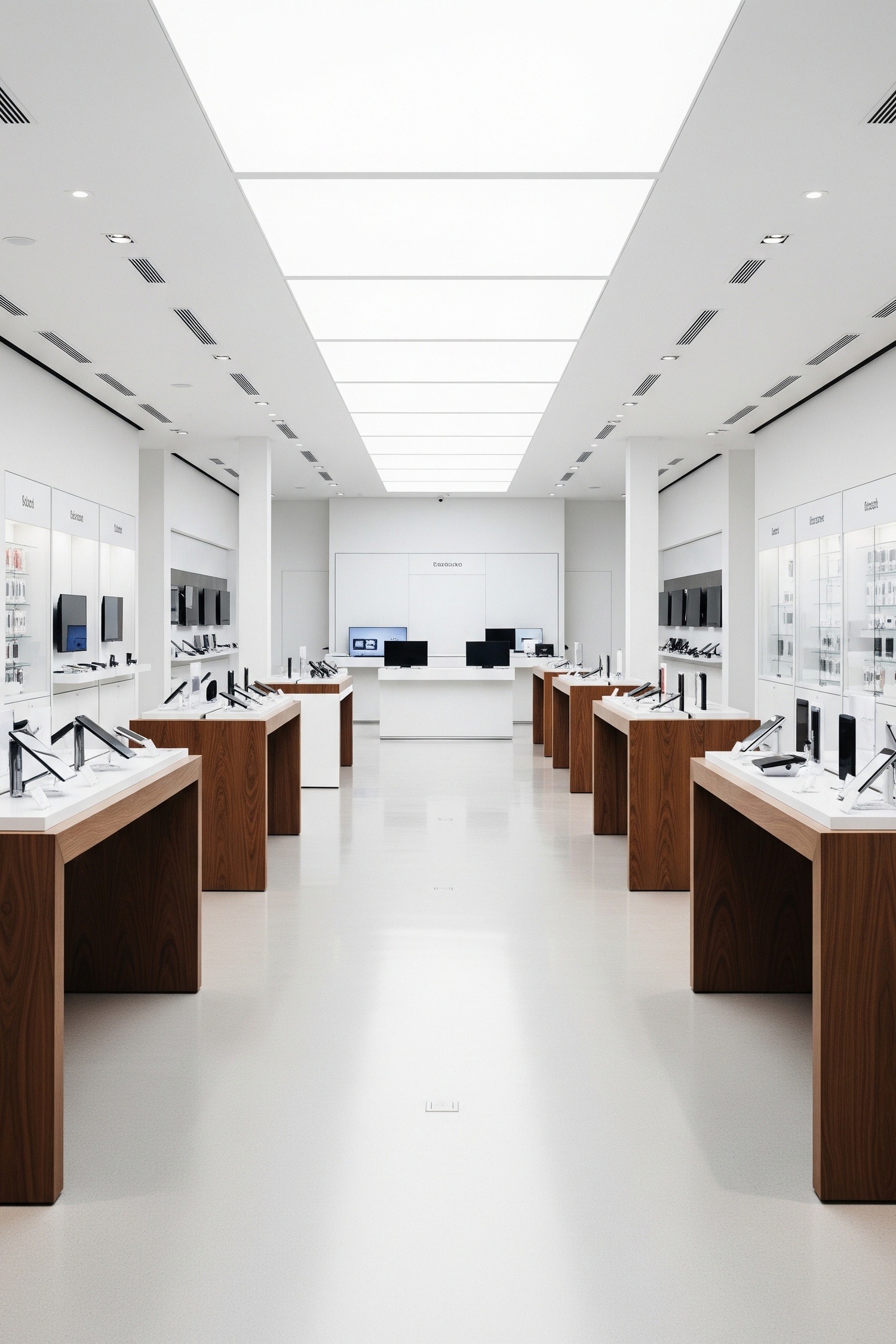
How were the fake Apple Stores in China discovered?
The trigger was a blog post. In July 2011 an American writer living in Kunming published photographs and a description of a shop that reproduced Apple’s retail format closely: pale walls, light-wood display tables, a staircase, staff in blue T-shirts with lanyards. The detail that drew attention was not a single flaw but the opposite — the fidelity. BBC News and other outlets reported on the fake Kunming stores within the week, and the images circulated widely because they sat in an uncanny zone between genuine and fabricated. The store was not selling counterfeit phones. In many cases it sold real Apple hardware. What was fake was the store itself.
Kunming’s Administration for Industry and Commerce responded by inspecting around 300 electronics retailers across the city. Two shops were ordered shut for operating without a business licence. Several more were instructed to remove Apple’s logo and trademarked signage, because the products were authentic but the branding was not authorized. Apple itself had no licensing relationship with any of them.
The count grew. First a handful, then 22 stores carrying Apple’s identity in a single provincial city. None of them appeared on Apple’s own list of authorized resellers.
Why the staff believed they worked for Apple
The strangest finding sits with the employees. Interviewed by reporters, several said they thought they were Apple staff. They had been hired, trained on the products, dressed in the uniform, and placed in a room that matched every photograph of an Apple Store they’d ever seen. Nothing in their daily experience contradicted the assumption. If you want to understand how convincingly a retail environment can be cloned, our look at how design shapes what people believe shows how quickly surface signals override scrutiny.
This is less surprising under examination. A retail worker’s job is the shift, the products, the customers — not the corporate ownership structure above them. The store looked official, the merchandise was real, and the paycheck arrived. Verification was never part of the role. The deception worked downward through the staff because no one in the building had a reason or a mechanism to question it. The fakes weren’t fooling experts. They were fooling everyone, including the people inside.
The cloning extended to small things. Lanyards. Wall graphics. The product table layout. Each element on its own meant little. Together they produced a complete impression.
The demand that built an imitation economy
The deeper cause was arithmetic. In 2011 Apple ran only four official retail stores in all of mainland China, concentrated in Beijing and Shanghai, serving a market of well over a billion people. Reporting compiled by BBC News noted that demand for Apple products in China at the time far outpaced the company’s physical presence, and grey-market and unauthorized channels expanded to absorb it. A counterfeit storefront in Yunnan wasn’t competing with a real Apple Store nearby. For most of Kunming, there was no real Apple Store within hundreds of kilometres.
That gap is what the imitation filled. Where supply of an official experience is near zero and demand is enormous, a market produces a substitute. The shops sourced genuine hardware through distributors and wrapped it in Apple’s retail aesthetic because the aesthetic was itself part of the product people wanted. Customers weren’t only buying an iPhone. They were buying the feeling of buying one the way it was meant to be bought.
Apple opened its fifth China store later that year and accelerated expansion afterward. The fakes were a symptom of scarcity, and scarcity was the thing the company moved to fix.
What did the fakery reveal about brand value?
The episode is usually told as a curiosity, but it carries a measurable point about where brand value lives. The counterfeiters did not bother to fake the products — those were real. They invested instead in faking the environment. That choice tells you which asset they judged more valuable to reproduce. The case became a standard reference in business writing about Apple’s retail store design, which had grown recognizable enough to be worth stealing independent of the hardware on the tables.
That’s the counterintuitive finding. A brand can reach a point where its packaging, its store, and its presentation hold value separate from the object being sold. The fake Apple Stores demonstrated it by accident: an entire retail format reproduced down to the staircase, by people who understood that the look was the asset. Apple’s legal exposure here was narrow, because selling genuine product is not itself illegal — the violation was the unauthorized use of trademarked design and logos.
Enforcement reflected that nuance. Two stores closed for licensing failures. The rest were told to strip the branding and continue.
How the imitation spread beyond Kunming
Kunming was the case that went viral, but it was never the whole picture. In the months after the 2011 story broke, authorities in other Chinese cities ran their own sweeps and turned up dozens more unauthorized resellers trading on Apple’s identity — some copying the storefront wholesale, others borrowing the logo and a few design cues. The pattern held wherever the same conditions existed: high demand, sparse official presence, and a retail aesthetic distinctive enough to imitate. What looked like a single bizarre incident in Yunnan was really a snapshot of a nationwide gap.
The phenomenon also outlived the headlines. As Apple expanded its genuine footprint across China through the 2010s, the crude full-clone stores became rarer, but the underlying behaviour migrated rather than vanished. Unauthorized resellers shifted toward looking “Apple-adjacent” rather than fully fake, and the grey market for genuine devices stayed large. The economics that produced the Kunming stores — enormous demand meeting limited official supply — eased only as the supply caught up.
By the time Apple ran dozens of stores in China, the incentive to build a fake one had largely evaporated. The fakes were always a measure of absence.
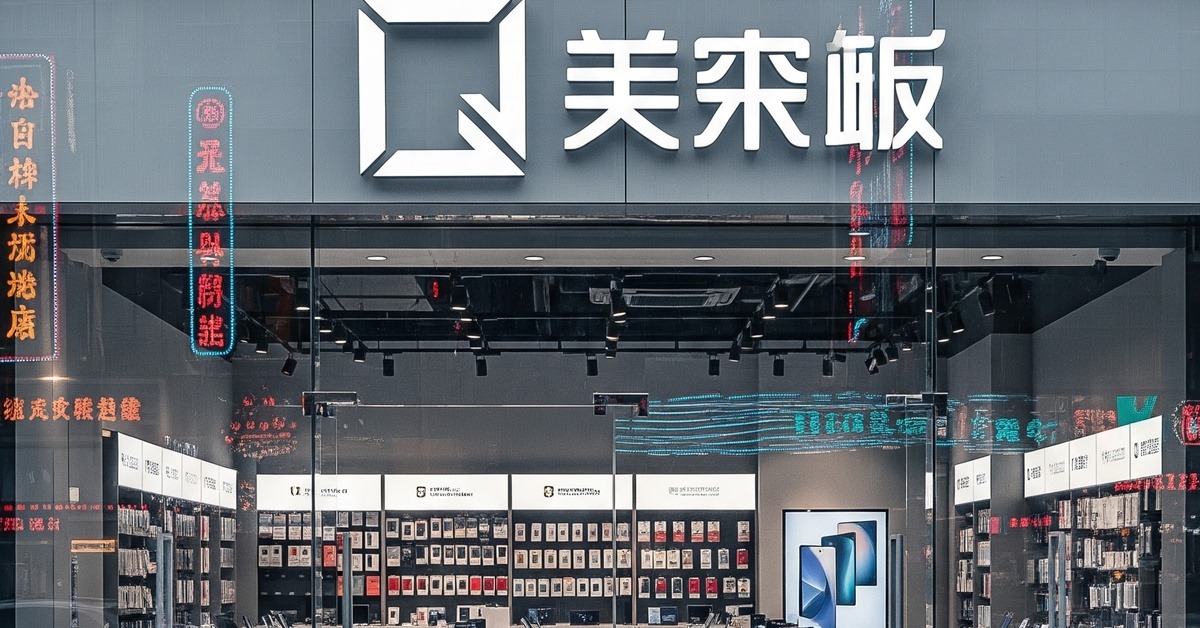
How It Unfolded
- July 2011 — An American blogger in Kunming photographs and describes the first fake Apple Store, and the post spreads internationally.
- July 2011 — Kunming’s Administration for Industry and Commerce inspects roughly 300 electronics shops across the city.
- 2011 — The count of unauthorized Apple-branded stores in Kunming reaches 22; two are closed and others ordered to remove logos.
- Late 2011 onward — Apple accelerates official retail expansion in mainland China, where it had only four stores at the time.
By the Numbers
- 22 fake Apple Stores identified in Kunming in 2011.
- ~300 electronics shops inspected by city authorities during the sweep.
- 4 official Apple retail stores existed in all of mainland China that year.
- ~6 million residents in Kunming, the Yunnan provincial capital.
- 2 of the fakes were ordered shut; the rest were told to remove Apple signage.
Field Notes
- Kunming wasn’t isolated. Inspections in other Chinese cities the same year turned up dozens of additional unauthorized resellers operating under Apple’s identity, suggesting the Kunming cluster was visible rather than unique.
- Many of the stores sold genuine Apple products, which is why most were not shut down — the legal issue was trademarked branding, not counterfeit hardware.
- The case reframed what “counterfeit” means: the fakes copied the store, not the phone, because the retail experience had itself become a recognizable Apple asset.
- One open question is scale. No full national count of fake Apple Stores from 2011 was ever published, so how many existed across China at the peak remains unknown.
Frequently Asked Questions
Q: Were the fake Apple Stores selling fake iPhones?
In most cases, no. The hardware sold in the Kunming stores was largely genuine Apple product, sourced through distributors and the grey market. The fakery was in the storefront itself — the design, signage, and Apple logos used without authorization. That distinction mattered legally: only two shops were closed, for operating without a licence, while the others were simply ordered to remove Apple branding in 2011.
Q: Did the employees really not know the store was fake?
Several interviewed staff said they genuinely believed they worked for Apple. They were hired, trained on the products, and given the uniform, and the store matched every image of an official Apple Store they had seen. A retail worker’s role is the daily shift, not auditing corporate ownership, so nothing in their experience flagged the problem. The deception worked from the top down, leaving the staff inside it.
Q: Why were there so few real Apple Stores in China in 2011?
Apple’s official retail rollout in China lagged far behind demand. In 2011 the company ran only four stores in mainland China, concentrated in Beijing and Shanghai, for a market of over a billion people. That scarcity created a vacuum that grey-market sellers and imitation storefronts moved to fill. Apple accelerated its expansion afterward, opening many more locations across the country in the following years.
Q: What happened to the fake Apple Stores after the inspections?
Two stores in Kunming were closed for lacking proper business licences. The remaining shops, because they sold genuine products, were permitted to keep operating once they removed Apple’s trademarked logos and signage. The broader effect was reputational: the story drew global attention to how thoroughly Apple’s retail format could be cloned, and it became a frequently cited example of brand imitation.
Editor’s Take — Dr. James Carter
The instructive number isn’t 22. It’s four — the count of real Apple Stores in a market of a billion people. The fakes weren’t a moral failure so much as a supply failure, and the market did what markets do with a vacuum. Note also what the counterfeiters chose to copy. Not the phone, which was real, but the room around it. They understood the retail experience was the asset. So, eventually, did Apple.
A store is supposed to be the most verifiable thing in commerce — you can walk into it. Kunming proved that even the walls can lie convincingly when demand is high enough and the brand is desirable enough. Somewhere in that city, people walked out holding a genuine iPhone, certain they’d bought it the right way, and never learned otherwise. How much of what we trust is just a room dressed to look official?
Illustrations are AI-generated. Article fact-checked and human-edited.