How the Black-Footed Ferret Was Saved From Extinction
A ranch dog, the last 18 wild ferrets, 8,000 captive-bred kits, and a clone made from 1980s frozen tissue — the full, honest story of a species still fighting to survive.
Read More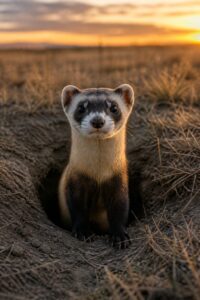
A ranch dog, the last 18 wild ferrets, 8,000 captive-bred kits, and a clone made from 1980s frozen tissue — the full, honest story of a species still fighting to survive.
Read More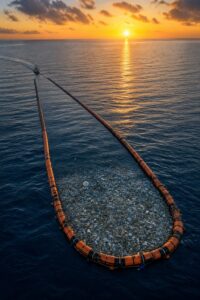
One array pulled a record 11 tons from the Great Pacific Garbage Patch. Yet 3,000 kg of new plastic enters the ocean every minute. Here's the honest answer.
Read More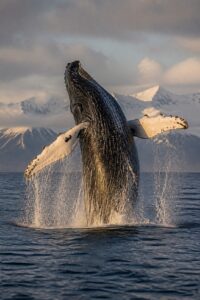
From a low of a few hundred whales to an estimated 84,000, the humpback is conservation's greatest success story — but the same 1986 moratorium failed most other great whales. Here's why.
Read More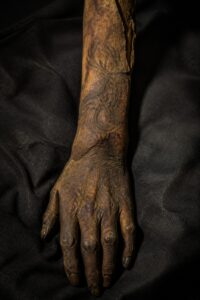
The Iron Age chieftain of Pazyryk Barrow 2 carried animal-style tattoos that survived 2,500 years in the ice — and a 2025 study finally revealed the tattooist's hand.
Read More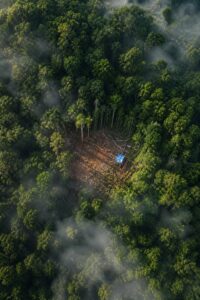
A conversation in Zurich in 2011 led to a $2,000 drone that exposes illegal logging over Sumatra's rainforest — and a 2024 AI system that hears the chainsaw before the tree falls.
Read More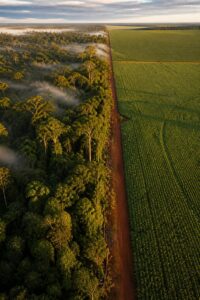
How a single voluntary sentence kept soy off the rainforest for two decades, what the satellites actually proved, and why the deal came apart in January 2026.
Read More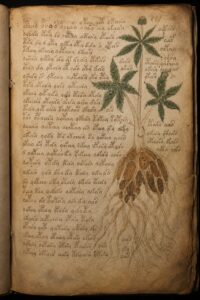
Military codebreakers, linguists, and neural networks have all failed to read the Voynich manuscript. Here is why it resists — and how a 2025 cipher study reopened the case.
Read More
The catapult that supposedly started the Black Death at Caffa in 1346 rests on a single absent witness — and new DNA and physics say it probably never mattered.
Read More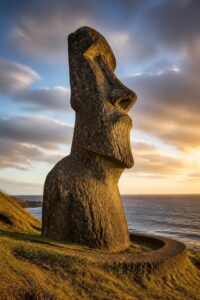
For a century, scholars dismissed the Rapa Nui tradition that the moai 'walked.' A 2025 study and a 4.35-tonne replica prove the islanders were right.
Read More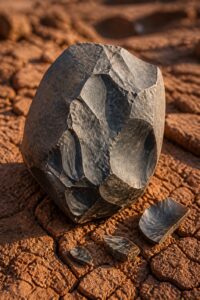
At Lomekwi 3 in Kenya, archaeologists found stone tools dated to 3.33 million years — older than our genus Homo. Here's who likely made them, how the date holds up, and what scientists still argue about.
Read More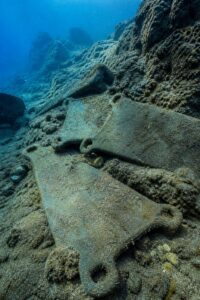
For 30 years no one knew where the Uluburun ship's ton of tin was mined. In 2022, isotope science traced it to mines in Uzbekistan and Anatolia — and started a fresh scholarly fight.
Read More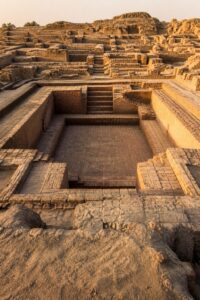
Around 2500 BCE, Bronze-Age Indus cities had private flush toilets and covered municipal sewers — some two thousand years before Rome's first great drain.
Read More