Tree Frog Gut Bacteria Kills Colorectal Tumors in Mice
Tree frog bacteria colorectal cancer treatment — five words that shouldn’t belong together — just erased tumors in mice with a single dose. No surgery. No chemotherapy. A bacterium pulled from an amphibian gut did what decades of pharmaceutical engineering hasn’t managed to do cleanly: walk into a tumor’s most protected zone and switch the immune system back on. The researchers who found it weren’t looking for it.
Researchers at Chongqing Medical University harvested Lactobacillus rhamnosus from the intestinal microbiome of tree frogs and introduced it directly into colorectal tumor sites in laboratory mice. The tumors vanished. That result upends several assumptions about how colorectal cancer behaves — and about where the next generation of cancer treatments might actually come from. The question nobody has cleanly answered yet: can this work in humans?
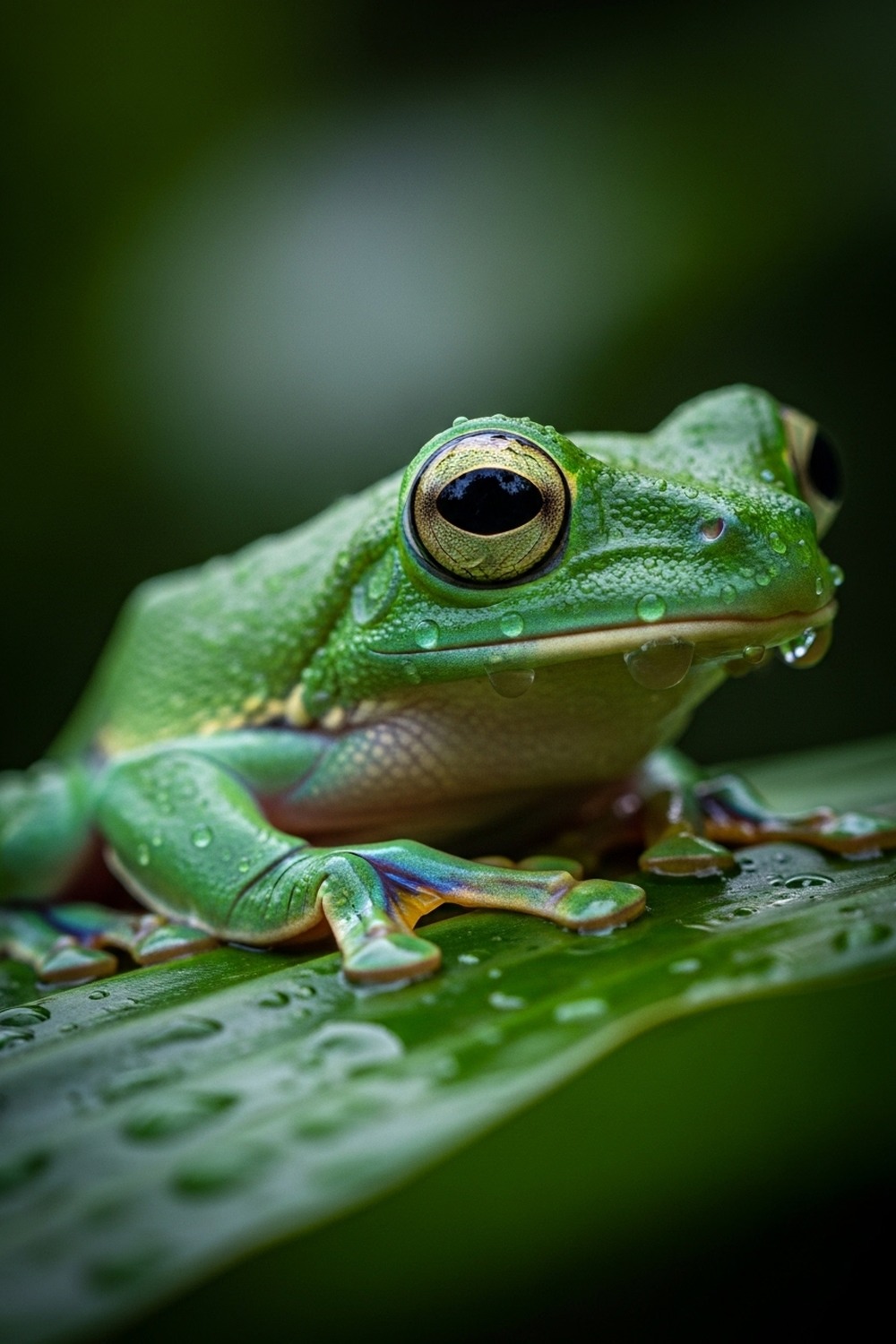
Key Facts
- Researchers at Chongqing Medical University isolated a strain of Lactobacillus rhamnosus from the gut of the Chinese tree frog Zhangixalus dugritei in 2023.
- The frog-derived bacterium colonized hypoxic tumor tissue within 48 hours of a single intratumoral injection in mouse models.
- Tumor-infiltrating lymphocyte counts rose by more than 300% in treated mice compared to controls within two weeks, with complete tumor regression in the majority of cases.
- Colorectal cancer causes approximately 900,000 deaths globally each year, making it the second deadliest cancer worldwide per the WHO, 2024.
- Phase I human safety trials are projected to begin in 2026, targeting late-stage colorectal cancer patients who have exhausted standard treatments.
In short: Tree frog bacteria colorectal cancer research at Chongqing Medical University found a Lactobacillus rhamnosus strain from Zhangixalus dugritei that erased tumors in mice with a single dose. The bacterium targets low-oxygen tumor zones within 48 hours and reactivates suppressed T-cells, with Phase I human trials projected for 2026.
The Frog Gut Bacteria Reshaping Colorectal Cancer Science
Tree frogs don’t live in sterile environments. They inhabit tropical forest floors, damp rock faces, and leaf litter teeming with pathogens — environments that have been bacterially hostile for tens of millions of years. Their gut microbiomes have evolved accordingly, hosting microbial communities shaped by constant biochemical pressure. In 2023, researchers at Chongqing Medical University began cataloguing these communities, not because they expected a cancer breakthrough, but because they were mapping amphibian microbiome diversity across southern China. What they found in the intestinal tracts of Zhangixalus dugritei — a Chinese tree frog — was a strain of Lactobacillus rhamnosus with unusual immunomodulatory properties. Lactobacillus rhamnosus is already well-documented in human gut health research, but this amphibian-derived variant carried surface proteins the team hadn’t encountered in mammalian isolates.
Standard L. rhamnosus strains — the kind found in commercial probiotics — interact with gut epithelial cells in broadly predictable ways. They reduce inflammation. They compete with pathogens. Useful, but not tumor-hunting. The frog-derived strain behaved differently from the first hour of exposure: it migrated toward regions of low oxygen concentration, a characteristic that immediately caught the team’s attention, because those are precisely the conditions found in aggressive colorectal tumors.
Low-oxygen zones inside tumors aren’t an accident. They’re a defense mechanism — engineered by the cancer itself. For decades, those hypoxic pockets have been one of the reasons colorectal cancer is so difficult to treat at late stages, because most immune weapons simply can’t function there. This bacterium could.
How Tumors Hide — and Why This Bacterium Finds Them
Why does this matter? Because colorectal cancer kills approximately 900,000 people every year, and the architecture of what makes it lethal isn’t just the tumor — it’s the fortress the tumor builds around itself.
As tumors grow, they outpace their blood supply. Oxygen runs thin. The resulting hypoxic zones suppress T-cell activity, the immune system’s primary tumor-killing response. Conventional immunotherapy drugs, which work by unblocking T-cells, often fail to penetrate these regions meaningfully. For a deeper look at how extraordinary medical interventions can occur in even the most unexpected circumstances, consider how surgeons have started operating on patients before birth to remove life-threatening tumors — a reminder of how radically the boundaries of oncology keep shifting.
What the Chongqing team observed was that their frog-derived L. rhamnosus strain actively colonized hypoxic tumor tissue within 48 hours of a single intratumoral injection in mouse models. Once established, the bacteria released a cocktail of metabolic byproducts — including short-chain fatty acids and specific surface-layer proteins — that re-sensitized suppressed T-cells to tumor antigens. Tumor-infiltrating lymphocyte counts rose by more than 300% in treated mice compared to controls within two weeks. The tumors didn’t just stop growing. In the majority of cases, they regressed completely.
Think about what that means structurally. The bacterium doesn’t kill the cancer directly. It dismantles the tumor’s immune shield — from the inside, from the exact location where that shield is strongest. The cancer, exposed, gets taken apart by the body’s own machinery. The bacterium is less a weapon than a lockpick.
Amphibian Microbiomes — An Untapped Medical Arsenal
Frogs have been giving medicine unexpected gifts for decades. Epibatidine, a painkiller 200 times more potent than morphine, came from the skin of an Ecuadorian poison frog. Magainins — peptides with powerful antibiotic properties — were first isolated from African clawed frogs in the 1980s. Amphibians sit at the intersection of aquatic and terrestrial worlds, exposed to an extraordinary range of microbial threats, and their biochemistry has responded accordingly. What’s newer — and what the Chongqing findings underscore — is that the internal microbial communities of amphibians may be just as pharmacologically rich as their external secretions. According to Science.org’s coverage of amphibian-derived medicine, researchers have been systematically underexploring amphibian gut microbiomes as a source of therapeutic compounds — a gap that the tree frog bacteria colorectal cancer treatment findings may now force shut.
Here’s the thing: Lactobacillus rhamnosus isn’t a rare or exotic organism. It’s in yogurt. It’s in infant formula. It’s one of the most-studied probiotic bacteria in the world. What’s rare is this particular strain (researchers actually call it a functionally novel isolate despite the familiar species name), shaped by a host organism that has never shared evolutionary space with mammals. The surface proteins it carries appear to encode immune-signaling capabilities that mammalian-derived L. rhamnosus strains simply don’t express. Same species name. Completely different functional toolkit.
That distinction is going to matter enormously in clinical translation. Regulators and researchers will need to treat this as a novel biological entity, not a probiotic supplement. The tree frog bacteria colorectal cancer treatment pipeline is going to look more like a drug trial than a dietary intervention — a slower path, but the only defensible one given what’s at stake.
Tree Frog Bacteria Colorectal Cancer Research: What Comes Next
Mouse studies are not human studies. That caveat matters and it would be dishonest to bury it. Tumors in mice are implanted, not spontaneous; their immune systems respond differently; the timescales of disease are compressed. Researchers at the University of Michigan’s Rogel Cancer Center, who have been independently tracking the Chongqing work, noted in 2024 that successful translation will require understanding whether the hypoxic-targeting mechanism persists in the far more heterogeneous tumor environments found in human colorectal cancer. Spontaneous human tumors accumulate over years and develop multiple overlapping immune evasion strategies. The bacterium will need to navigate all of them.
The data chain, despite those caveats, is unusually clean for a discovery at this stage. Single dose. Measurable T-cell activation within 48 hours. Complete tumor regression in the majority of treated subjects. No observed systemic toxicity — and that last point matters more than it sounds. One of the persistent problems with existing immunotherapy approaches — checkpoint inhibitors like pembrolizumab — is that unleashing T-cells systemically can trigger autoimmune responses. The localized intratumoral delivery method used here sidesteps that problem entirely, because immune activation stays spatially anchored to the tumor site.
A treatment that fights the cancer exactly where it lives, without destabilizing everything else — that is not a small thing, and the field has been waiting for it longer than most researchers will admit publicly.
The Chongqing team has already filed preliminary patents on the bacterial strain and is preparing Phase I safety protocols for human trials, targeting a start date in 2026. Recruitment will focus on patients with late-stage colorectal cancer who have already failed standard-of-care treatment. Those are the patients with the most to gain — and the least to lose.
What Amphibian Extinction Means for Future Medicine
There’s an uncomfortable backdrop to this story. Amphibians are disappearing faster than almost any other vertebrate group on the planet. The chytrid fungus Batrachochytrium dendrobatidis has driven more than 90 species to extinction since the 1980s and has pushed hundreds more toward the edge. Habitat loss compounds the crisis. Climate change shifts the thermal envelopes that amphibian physiology depends on. By some estimates, more than 40% of amphibian species are currently threatened — a figure that represents not just a conservation tragedy but a potential pharmacological catastrophe.
Every species that disappears takes its microbiome with it.
And every microbiome contains potential compounds that have never been catalogued, tested, or even named. The tree frog bacteria colorectal cancer treatment discovery is remarkable. It’s also a reminder of what’s at stake in the broader extinction crisis. Zhangixalus dugritei is not endangered — yet. Its range across southern China and northern Vietnam remains relatively intact. But its close relatives aren’t all so fortunate, and the evolutionary pressures that shaped its gut microbiome took hundreds of millions of years to produce. We can’t recreate that in a laboratory once it’s gone. The discovery raises a question that doesn’t get asked often enough in conservation circles: are we losing medicines we haven’t found yet?
In a research greenhouse in Chongqing, live specimens of the frog are now being kept in controlled conditions. Their gut bacteria are being sequenced across populations. The scientists who started this work as a microbiome survey are now, quietly, sitting on something that could change how colorectal cancer is treated in a decade. They’re going back to the frogs. That seems right.

How It Unfolded
- 2003 — Early research on Lactobacillus rhamnosus GG establishes the species as clinically relevant in human gut health, opening the door to broader therapeutic investigation.
- 2018 — Amphibian microbiome research accelerates globally as conservationists and pharmacologists begin jointly mapping gut bacteria in threatened frog species across Asia and South America.
- 2023 — Chongqing Medical University researchers identify the distinctive immunomodulatory strain of L. rhamnosus in the gut of Zhangixalus dugritei during a routine biodiversity survey.
- 2024 — Mouse-model trials demonstrate complete colorectal tumor regression following a single intratumoral injection, with findings circulated in preprint ahead of peer review and Phase I human trial protocols initiated.
By the Numbers
- 900,000 — estimated global deaths from colorectal cancer annually, making it the second deadliest cancer worldwide (World Health Organization, 2024).
- 300%+ — increase in tumor-infiltrating lymphocyte counts observed in treated mice compared to untreated controls within two weeks of a single bacterial dose.
- 40% — proportion of amphibian species currently classified as threatened by the IUCN Red List, representing the highest at-risk rate of any vertebrate class.
- 48 hours — the time it took for the frog-derived L. rhamnosus strain to colonize hypoxic tumor tissue following intratumoral injection in mouse models.
- 2026 — projected start date for Phase I human safety trials, targeting late-stage colorectal cancer patients who have exhausted standard treatment options.
Field Notes
- The original research team wasn’t looking for a cancer treatment at all. The 2023 Chongqing microbiome survey was designed to track pathogen resistance in amphibian gut flora across elevational gradients in Sichuan Province — the tumor-targeting behavior of the L. rhamnosus strain was an accidental finding during a routine assay.
- The frog-derived strain’s ability to navigate toward low-oxygen environments appears to be linked to a specific set of oxygen-sensing surface proteins not found in any mammalian-derived Lactobacillus strain currently in the scientific literature — making it functionally novel despite belonging to a well-known species.
- Several other amphibian-derived bacteria collected in the same Chongqing survey also showed abnormal immune-signaling behavior in preliminary assays; the colorectal cancer finding may be the first of multiple therapeutically relevant discoveries from this single dataset.
- Researchers still can’t explain why the immune activation triggered by the bacterium remains spatially localized rather than spreading systemically — the mechanism that keeps T-cell activation anchored to the tumor site is not yet understood, and resolving it is considered the most critical step before human trials can be safely designed.
Frequently Asked Questions
Q: How does the tree frog bacteria colorectal cancer treatment actually work inside the body?
Two stages. The frog-derived Lactobacillus rhamnosus strain is injected directly into the tumor, where it migrates toward hypoxic zones — low-oxygen regions that normally protect cancer cells from immune attack. Once there, it releases metabolic byproducts and surface proteins that re-activate suppressed T-cells, which then destroy the exposed cancer cells. The bacterium doesn’t kill cancer directly; it dismantles the tumor’s immune defense from the inside.
Q: Has this tree frog bacteria treatment been tested in humans yet?
Not yet. All results to date come from mouse models conducted at Chongqing Medical University in 2023 and 2024. While the results are striking — complete tumor regression in the majority of treated subjects — mouse models don’t always translate to human biology. Phase I human safety trials are being planned, with a projected start date of 2026, targeting late-stage colorectal cancer patients who have already failed standard treatments. Independent researchers have urged caution about premature conclusions until human data exists.
Q: Is this the same Lactobacillus rhamnosus found in probiotic supplements?
Same species name, but not the same organism — and that distinction is critical. The strain isolated from the tree frog carries surface proteins not found in any mammalian-derived L. rhamnosus strain currently documented. Commercially available probiotics containing L. rhamnosus do not have the hypoxic-targeting or immune-reactivation properties described in this research. Treating this discovery as a reason to stock up on probiotic yogurt would be a significant misreading of the science. This is a novel biological entity requiring full pharmaceutical development and regulatory review.
Editor’s Take — Dr. James Carter
What unsettles me most about this story isn’t the result — it’s the accident. The Chongqing team wasn’t hunting for a cancer treatment. They were counting bacteria on frogs. That’s the kind of discovery that only happens when scientists are allowed to follow curiosity without a predetermined outcome in mind. And it raises a question that nobody in research funding wants to sit with too long: how many equivalent discoveries are we not making because we’ve decided in advance what we’re looking for?
The tree frog that gave us this bacterial strain is still out there, somewhere on a damp rock face in Sichuan Province, completely indifferent to oncology. Its gut microbiome evolved over hundreds of millions of years for entirely different reasons — survival, not medicine. That it might now help save 900,000 lives a year is either the most extraordinary coincidence in recent scientific history, or a signal that nature has been building a pharmacy we’ve barely opened. The real question isn’t whether this treatment works. It’s how many other answers are waiting in organisms we haven’t thought to look at — and how many of those organisms are quietly disappearing before we do.
Illustrations are AI-generated. Article fact-checked and human-edited. Our editorial standards.