She Was 3, Alone in Siberia for 11 Days — Her Dog Saved Her
A three-year-old girl walked into the Siberian forest in summer 2014 and didn’t come back. Eleven days later, she was found alive. The search team didn’t find her. A puppy did.
It is July 2014. Karina Chikitova wanders from her village in Russia’s Sakha Republic — that enormous, merciless stretch of northeastern Siberia where the ground stays frozen even in summer and the forest doesn’t care how small you are. She’s three years old. She has nothing. By nightfall, she’s gone so far into the taiga that the village might as well be on another planet.
Key Facts
- In July 2014, three-year-old Karina Chikitova wandered from her village in Russia’s Sakha Republic into the Siberian taiga and survived 11 days alone.
- Her family’s untrained puppy followed her into the forest and stayed with her, providing body heat that slowed hypothermia.
- The puppy eventually returned to the village alone, giving rescue teams the direction they needed to find Karina.
- Winters in Yakutia reach minus 50 degrees Celsius, and July nights still fall near 10 degrees Celsius in forested areas.
- Karina was later honored with a bronze statue in Yakutsk depicting the girl and the dog together.
In short: A three-year-old girl survived Siberia’s taiga alone for 11 days in July 2014 after wandering from her Sakha Republic village. Her family’s puppy stayed with her as a heat source against near-freezing nights, then returned home alone, giving rescuers the direction they needed. Karina Chikitova lives today and is honored by a bronze statue in Yakutsk.
Eleven Nights in a Forest That Kills Adults
The Sakha Republic doesn’t mess around. Winters hit minus 50°C. But here’s the thing about summer in the Siberian taiga — it’s not safe either. The weather turns on you without warning. The forest is so dense that experienced trackers lose their sense of direction. And then there’s the wildlife. The bears. The wolves. The sheer indifference of a landscape that has no use for a toddler.
A child that small shouldn’t survive one night outdoors in those conditions.
She survived eleven.
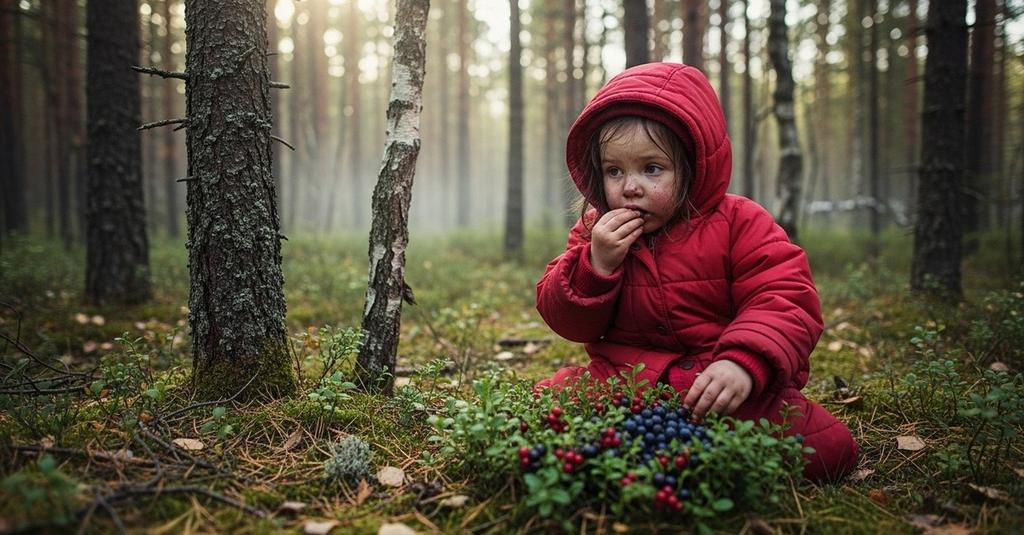
Karina ate wild berries when she found them. She drank from the river. But the real equation — the one that kept her alive through cold nights in a taiga that regularly dips below 10°C even in July — that equation had another variable. A puppy. Her family’s dog, untrained, unremarkable, followed her into the forest and made a choice: stay.
The Search That Found Nothing
When Karina disappeared, the response was immediate. Villagers fanned out. Official rescue teams arrived. They worked the forest methodically, pushing through undergrowth, reading the ground, doing everything a search should do in that kind of remote landscape that makes even experienced trackers question themselves.
Days passed. The forest gave nothing back.
Day four. Day seven. Day ten. For her family, each sunrise that didn’t bring her home was its own kind of death. The odds were collapsing. The window was closing. And then the puppy came home.
Alone.
The Moment That Changed Everything
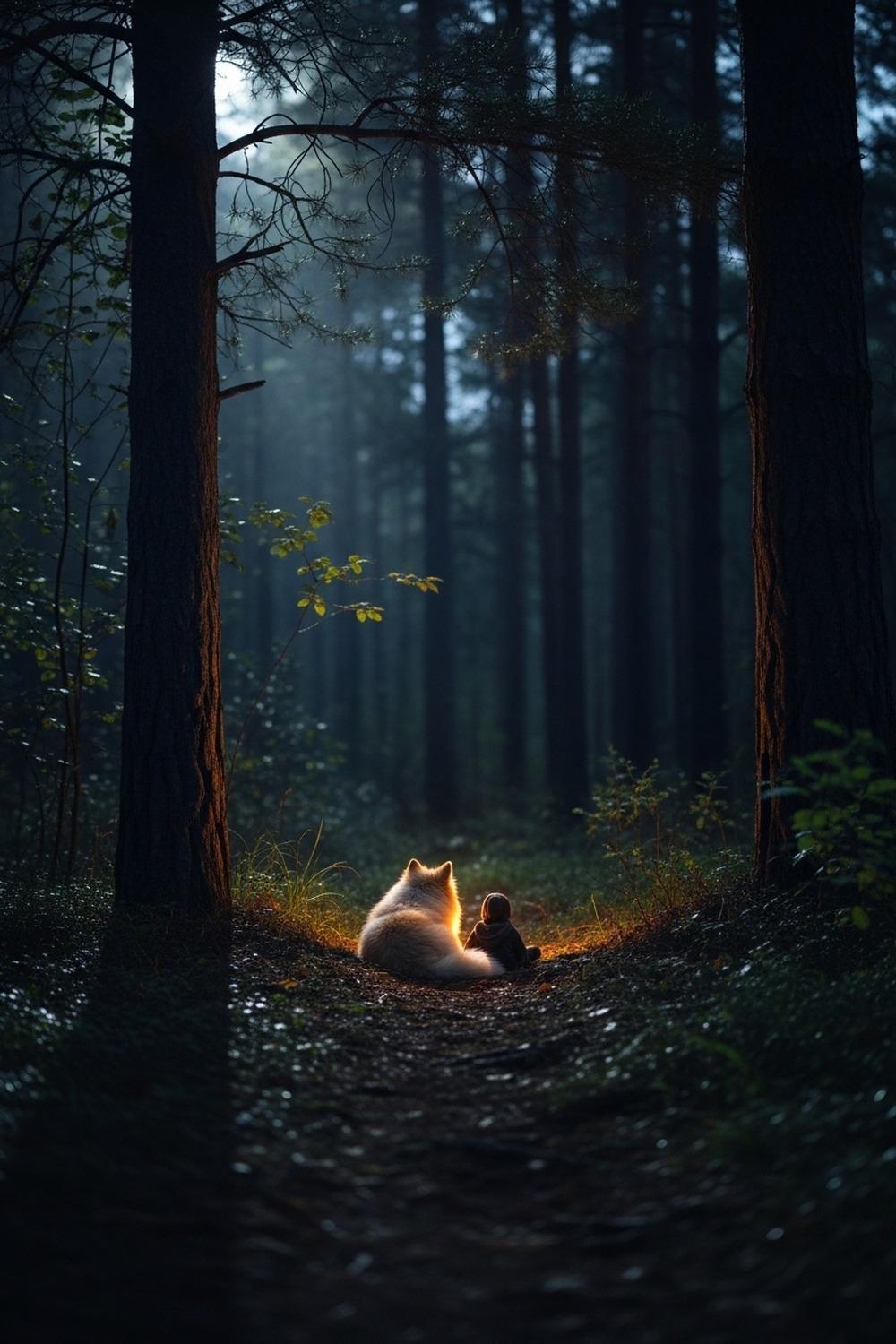
The people in the village understood what it meant immediately. That dog hadn’t just wandered back. It had been with Karina. It had left her. Which meant she was still out there, somewhere in the direction the puppy had just come from — somewhere the searches hadn’t fully reached yet.
Rescue teams followed the dog back into the forest. They pushed deeper than before, tracking the animal’s path, trusting the only lead they’d gotten in eleven days. They found her weak, dehydrated, covered in insect bites and scratches.
Breathing.
Alive.
Why a Puppy Mattered More Than Anyone Expected
Here’s what kills a three-year-old alone in the wilderness: cold. Not starvation. Not thirst. Not even fear. Just slow, quiet hypothermia. Core temperature drops. The body shuts down. Without external heat, a child Karina’s age should not survive multiple nights outdoors in summer Siberia.
The puppy was that heat source. That last fact kept me reading for another hour. A small dog, curled against her through the night, provided physiological warmth the same way a sleeping bag would. It wasn’t symbolic. It was survival physics.
But here’s the part that’s stranger: the dog leaving her might have saved her life just as much as staying did.
Without that return, the search had nowhere to go. Without that direction, Karina stays lost. The puppy’s choice to eventually abandon her — it was the thing that made rescue possible.
Karina was later honored with a bronze statue in Yakutsk, the regional capital. Girl and dog, together. It’s one of the only monuments on Earth dedicated to a survival like this one. The sculptor made the dog exactly what it was: present. Close. Not a hero.
By the Numbers
- 11 days in the Siberian taiga — roughly double what wilderness survival experts consider possible for an unsupplied toddler.
- Minus 50°C: the winter low in Yakutia. July nights still fall near 10°C in forested areas.
- 3 years old.
- Over 3,000 children go missing in Russia’s wilderness regions yearly. Most don’t survive past 72 hours. Karina made it to day eleven.
Field Notes
- A small dog pressed against a child creates measurable heat exchange that slows hypothermia onset — but dogs regulate their own body temperature far less efficiently than most people realize, which makes the puppy’s role even more improbable.
- Karina had no memory of being afraid. When interviewed later, she talked about sleeping and eating berries like it was ordinary. Children’s brains process danger differently than adult brains do — that cognitive distance might have kept her calm enough to survive.
- The Sakha Republic contains one of the world’s last truly intact boreal wilderness regions. The forests are so vast and dense that satellite imagery can’t map trails accurately. That’s partly why it took eleven days to find her.
What Actually Happened Here
Most survival stories get exaggerated in the retelling. This one doesn’t need that.
A child survived alone in Siberia for nearly two weeks because a small animal made two consecutive choices: to stay, then to leave. Remove either choice and she dies in that forest. The timing, the sequence — that’s the entire story. It’s not comfortable to think about. How many other people owe their survival to something they couldn’t have planned for? To the variable that wasn’t supposed to matter but did?
Karina Chikitova is alive today. She goes to school. She exists in a timeline that almost didn’t happen. And in Yakutsk, there’s a small bronze statue most of the world has never seen — a reminder that some survival stories need only the truth to be strange enough. If you want to fall down more of these, there’s more at this-amazing-world.com — and honestly, the next one’s even stranger.
Frequently Asked Questions
Q: How did a three-year-old girl survive Siberia for 11 days?
In July 2014, three-year-old Karina Chikitova survived 11 days alone in Russia’s Sakha Republic taiga by eating wild berries and drinking from a river. The decisive factor was her family’s untrained puppy, which followed her into the forest and curled against her at night, providing physiological warmth that slowed hypothermia. Without that heat source through nights that fall near 10 degrees Celsius even in summer, she likely would not have survived.
Q: How was Karina Chikitova finally found?
Official rescue teams and villagers searched methodically for days but found nothing in the dense taiga. On around day eleven, the puppy that had been with Karina returned to the village alone. People immediately understood the dog had been with her, which meant she was still alive in the direction it had come from. Rescuers followed the dog back into the forest and found Karina weak, dehydrated, and covered in insect bites, but breathing.
Q: How dangerous is the Siberian taiga where she was lost?
The Sakha Republic in northeastern Siberia is extreme. Winters reach minus 50 degrees Celsius, and even July nights in forested areas fall near 10 degrees Celsius. The forest is so dense that experienced trackers lose their sense of direction and satellite imagery cannot map trails accurately, which is partly why it took eleven days to find her. Over 3,000 children go missing in Russia’s wilderness regions yearly, and most do not survive past 72 hours.
Q: Is there a memorial to Karina Chikitova?
Yes. Karina was honored with a bronze statue in Yakutsk, the regional capital of the Sakha Republic. The monument depicts the girl and the dog together, and the sculptor portrayed the dog simply as present and close rather than as a dramatic hero. It is one of the only monuments on Earth dedicated to a survival story of this kind. Karina is alive today and attends school.
Illustrations are AI-generated. Article fact-checked and human-edited. Our editorial standards.