California Is 100% Drought-Free for the First Time in 25 Years
California hasn’t been drought-free in 25 years. And then, suddenly, it was. The U.S. Drought Monitor hit zero last week — zero counties flagged, zero warnings, the whole state cleared at once — and I genuinely had to read it twice to believe the number was real.
The last time this happened, people were still worried about Y2K. Most Californians alive today have never actually seen a map like this.
From the Mojave to the Mendocino coast, every single county has been cleared. That’s not hyperbole. The federal drought tracking system uses five severity tiers, from “abnormally dry” all the way up to “exceptional drought.” Right now, California doesn’t show up on any of them. Not one.
Key Facts
- The U.S. Drought Monitor cleared all California counties, the first drought-free reading since December 2000, a 25-year gap.
- Sierra Nevada snowpack reached 130% of historical average in key survey zones in early 2025.
- The 2012-2017 California drought was the most severe in at least 1,200 years, based on tree-ring data from UCLA researchers.
- Atmospheric rivers deliver an estimated 30-50% of California’s annual precipitation across only 10-20 storm events per year.
- Parts of the San Joaquin Valley have sunk more than 28 feet over the last century due to groundwater over-pumping.
In short: California drought-free 2025 marks the first time since December 2000 that the U.S. Drought Monitor cleared every county. Atmospheric rivers and a Sierra Nevada snowpack at 130% of average refilled reservoirs serving 39 million people, though aging infrastructure and 28 feet of land subsidence mean the relief is temporary.
What California Drought-Free 2025 Actually Looks Like
Dr. Brad Rippey, a USDA meteorologist who contributes to the U.S. Drought Monitor, called this turnaround “one of the most dramatic multi-year swings in the dataset’s history.” The thing nobody’s really saying out loud yet? Nobody knows how long it lasts.
California has been cycling through droughts for decades. The 2012–2017 stretch was the worst in 1,200 years. Then came 2020–2022, which forced water rationing in dozens of cities. To go from that to absolute zero in two wet seasons is almost disorienting. It’s like watching someone wake up from a nightmare and immediately see sunlight.
But here’s where it gets interesting.
Atmospheric Rivers Did the Heavy Lifting Here
The real engine behind this is a weather phenomenon that honestly sounds like science fiction: atmospheric rivers. These are massive corridors of concentrated moisture — sometimes thousands of miles long — that flow in from the Pacific Ocean carrying up to 15 times the water volume of the Mississippi River. Storm after storm made landfall through late 2024 and into early 2025. The coast got drenched. The Central Valley flooded. The Sierra Nevada got buried under snow.
That last fact kept me reading for another hour.
Those storms didn’t just fill reservoirs. They recharged aquifers that had been declining for years. Underground water systems don’t respond to a single wet season — they need sustained, repeated pounding. And that’s exactly what California got. Month after month of it.
For more on how extreme weather is reshaping everyday life, this-amazing-world.com has been tracking these patterns all year.
The Sierra Nevada Snowpack Is the Real Story
Think of the Sierra Nevada snowpack like a giant water tower on a timer. Snow accumulates through winter, then melts gradually all spring and summer, feeding rivers and filling reservoirs long after the storms disappear. This year’s snowpack hit levels well above historical averages at multiple survey stations.
Which means California’s drought-free status isn’t just a moment.
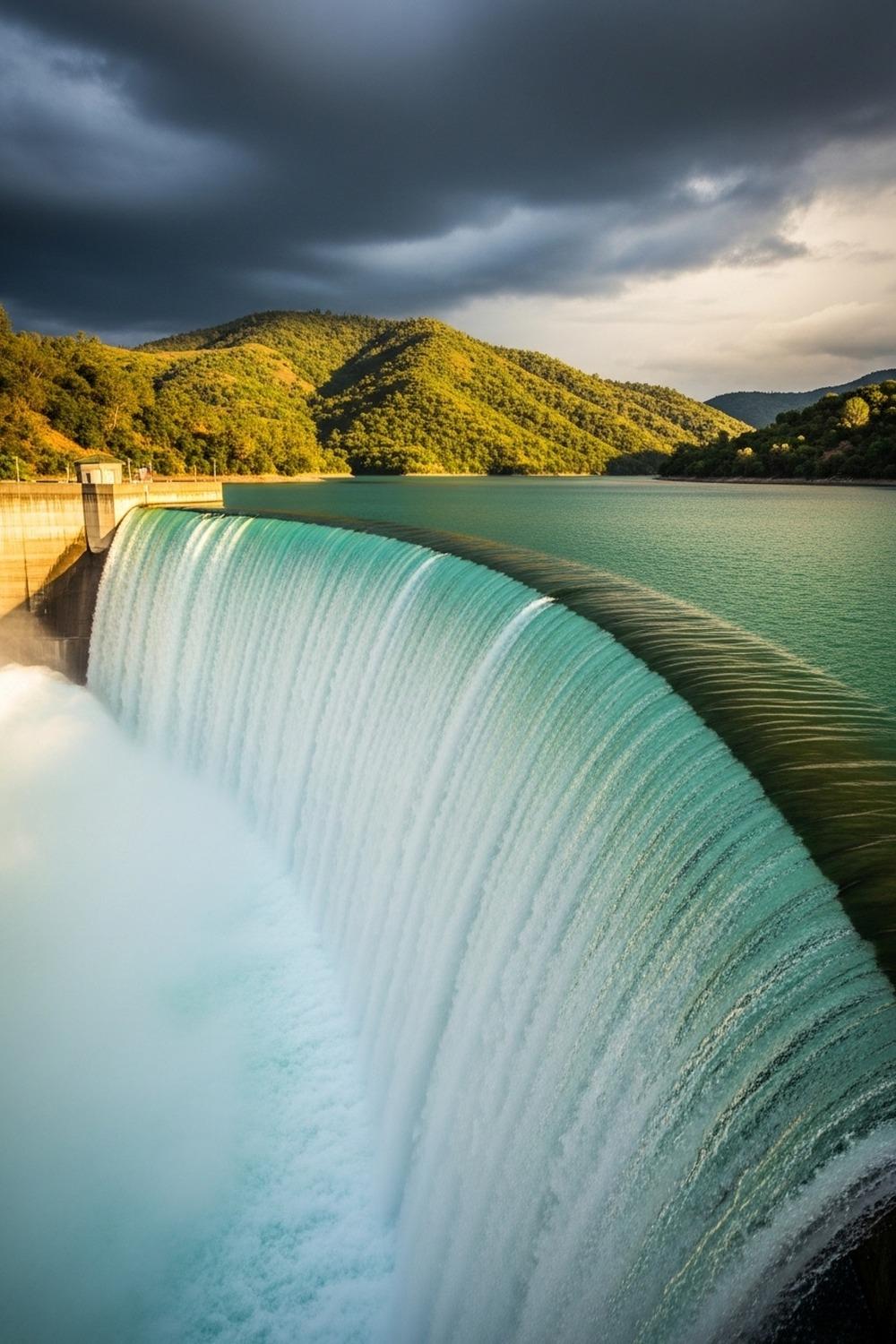
It’s got runway. Reservoirs that were cracked mudflats two years ago are now spilling over their outlets. Shasta Lake. Oroville. Folsom. All near or at capacity. That’s not just a number on a government chart — it’s the difference between rationing and abundance for 39 million people.
But California’s Water Problems Don’t Just Vanish
Here’s the thing: drought-free doesn’t mean water-secure. The state’s water relationship is structurally complicated in ways that a few wet winters can’t fully fix. You’ve got 39 million people. A $60 billion agriculture industry. Water delivery infrastructure that was mostly designed in the 1950s. Even full reservoirs can’t repair aging pipes, can’t untangle over-allocated river rights, and can’t stop a warming climate from pushing the whole system toward extremes.
The wet years don’t erase the damage.
They don’t reverse the land subsidence caused by over-pumping groundwater — a problem so severe that parts of the San Joaquin Valley have literally sunk more than 28 feet over the last century. Full reservoirs are a relief. But they’re not a reset button. Not even close.
By the Numbers
- December 2000 was the last drought-free reading — that’s a 25-year gap between milestones.
- Sierra Nevada snowpack in key survey zones reached 130% of historical average in early 2025, which gives the state a critical buffer heading into the dry season.
- The 2012–2017 California drought was the most severe in at least 1,200 years, based on tree-ring data from UCLA researchers.
- Atmospheric rivers deliver an estimated 30–50% of California’s annual precipitation despite occurring in only 10–20 storm events per year.
Field Notes
- The term “atmospheric river” was coined by MIT researchers Reginald Newell and Yong Zhu in 1994 — it only entered mainstream weather coverage in the last decade, even though the phenomenon has always existed.
- California’s Tulare Lake, drained for farmland over a century ago, briefly re-emerged as a lake in 2023 after heavy storms — a ghostly reminder of what the landscape looked like before industrial agriculture reshaped it entirely.
- Groundwater depletion in the Central Valley is so severe that GPS satellites can detect the land rising slightly during wet years as aquifers partially recharge.
Why This Moment Matters Beyond State Lines
California grows roughly a third of the country’s vegetables and two-thirds of its fruits and nuts. When California is in drought, grocery prices climb everywhere. When reservoirs drop, hydroelectric output falls and energy grids tighten. This drought-free milestone isn’t just a state-level story — it ripples out to food prices, energy policy, and climate adaptation strategies that governments worldwide are watching.
And it’s a case study in how fast things can actually change.
Not always for the worse. Sometimes a year of relentless storms can undo years of damage. That’s worth holding onto. That’s the part that feels almost too good to be true, which is probably why the scientists and farmers and water managers aren’t celebrating too loudly. They know the climate doesn’t stay still.
Twenty-five years is a long time to wait for good news. California got it. The drought-free status is real. It’s meaningful. And in the longest possible sense, it’s temporary. The West is still in a water story that hasn’t found its ending yet. If this keeps you wondering about what comes next, there’s more at this-amazing-world.com.
Frequently Asked Questions
Q: When was the last time California was completely drought-free?
Before 2025, the last drought-free reading on the U.S. Drought Monitor was December 2000, a gap of about 25 years. Most Californians alive today had never seen a map clearing every single county at once. The federal system uses five severity tiers from abnormally dry to exceptional drought, and in early 2025 California did not appear on any of them, from the Mojave to the Mendocino coast.
Q: What caused California to become drought-free in 2025?
The main driver was atmospheric rivers, massive corridors of Pacific moisture carrying up to 15 times the water volume of the Mississippi River. Storm after storm made landfall through late 2024 into early 2025, drenching the coast, flooding the Central Valley, and burying the Sierra Nevada in snow. Those storms refilled reservoirs and recharged aquifers, pushing the Sierra Nevada snowpack to 130% of historical average in key survey zones.
Q: Does drought-free mean California’s water problems are solved?
No. Drought-free does not mean water-secure. California still has 39 million people, a $60 billion agriculture industry, and water delivery infrastructure mostly designed in the 1950s. Full reservoirs cannot repair aging pipes, untangle over-allocated river rights, or reverse land subsidence; parts of the San Joaquin Valley have sunk more than 28 feet over the last century from groundwater over-pumping. Scientists treat the 2025 milestone as real but temporary.
Illustrations are AI-generated. Article fact-checked and human-edited. Our editorial standards.