Ladybug Dark Facts: Cannibalism, Bleeding & Zombie Wasps
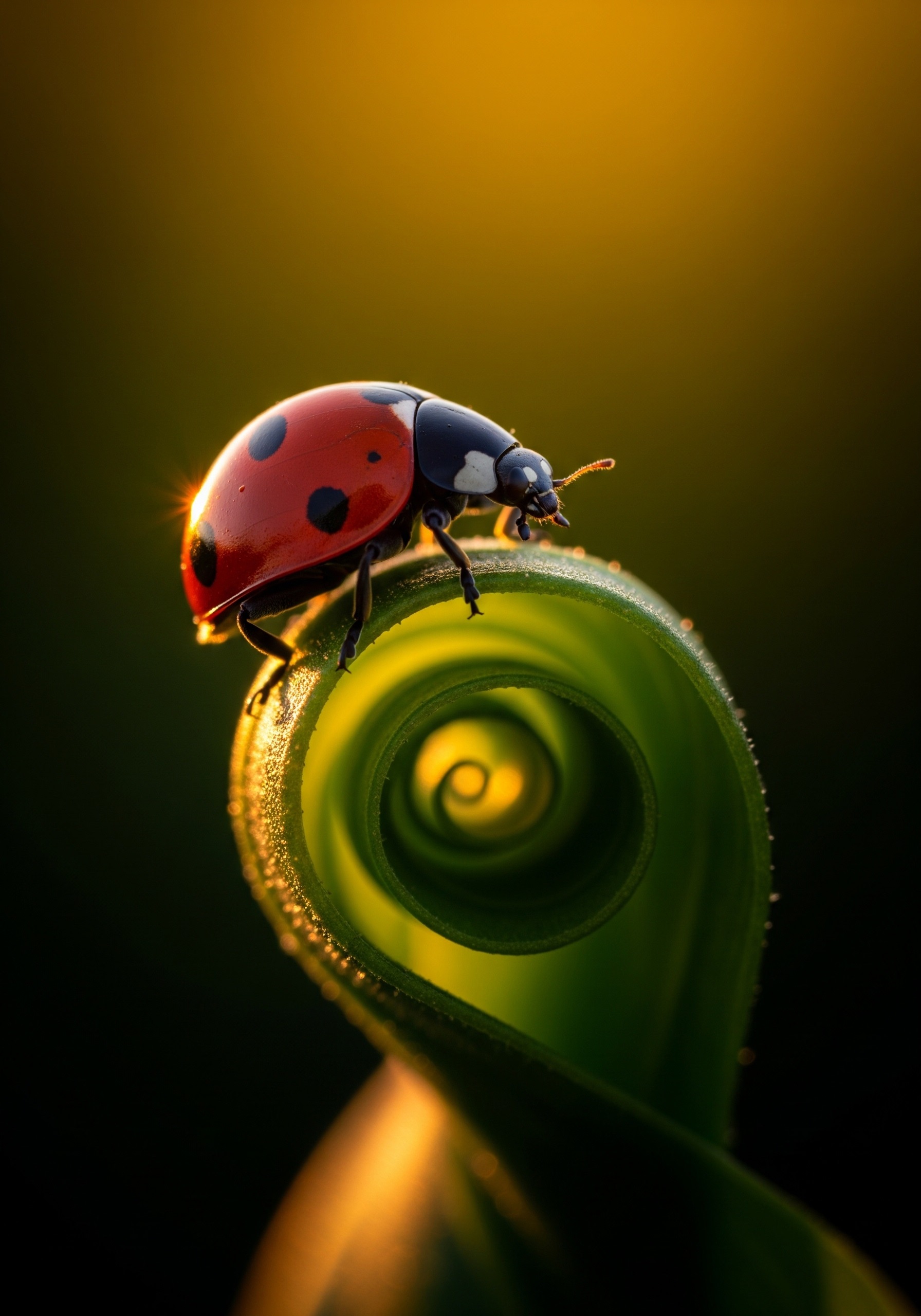
The ladybug dark facts most field guides skip start with the bitter yellow smear it leaves on your palm — what entomologists politely call “reflex bleeding.” From there the story gets considerably stranger: cannibal larvae, a wasp that engineers zombie bodyguards using a virus, a sexually transmitted fungus that travels through winter cuddle-piles, and a chemistry problem so sensitive that a few crushed beetles can ruin a vineyard’s entire vintage.
Key Facts
- Threatened ladybugs ooze toxic, alkaloid-laced hemolymph from their leg joints — a defense called reflex bleeding, not “bleeding knees” as the listicles put it.
- Many ladybird species, especially the invasive harlequin Harmonia axyridis, eat their own eggs and larvae when aphid prey runs low — intraguild predation, not the lurid “cannibal swarm” of tabloid headlines.
- The braconid wasp Dinocampus coccinellae injects an egg and a virus (DcPV) into a living ladybug, paralysing it into a zombie bodyguard for the wasp’s pupa; the virus itself was only characterised in 2015.
- A sexually transmitted fungus, Hesperomyces virescens, infects 30+ ladybird species but is completely harmless to humans.
- As little as 0.3–2 nanograms per litre of methoxypyrazines from a few crushed beetles can ruin an entire vat of wine — the “ladybug taint” winemakers fear.
In short: Ladybugs are tiny, beautifully camouflaged predators with toxic blood, complicated sex lives and, in one famous invasive species, an outsized ecological rap sheet. Some of the scariest stories about them are true. Several others are tabloid panic. The honest version of the science is more interesting than either.
Key Facts
- Threatened ladybugs ooze toxic, alkaloid-laced hemolymph from their leg joints, a defense called reflex bleeding.
- Many ladybird species, especially the invasive harlequin Harmonia axyridis, eat their own eggs and larvae when aphid prey runs low – intraguild predation rather than a cannibal swarm.
- The braconid wasp Dinocampus coccinellae injects an egg and a virus (DcPV) into a living ladybug, paralysing it into a zombie bodyguard for the wasp’s pupa; the virus was only characterised in 2015.
- A sexually transmitted fungus, Hesperomyces virescens, infects more than 30 ladybird species but is completely harmless to humans.
- As little as 0.3-2 nanograms per litre of methoxypyrazines from a few crushed beetles can ruin an entire vat of wine, the taint winemakers fear.
In short: Ladybugs are tiny, beautifully camouflaged predators with toxic blood, complicated sex lives, and, in one invasive species, an outsized ecological rap sheet. Some of the scariest stories about them – reflex bleeding, cannibal larvae, a virus-wielding zombie wasp – are genuinely true, while others are tabloid panic. The honest version of the science is more interesting than either.
Reflex Bleeding: Why a Ladybug’s Knees Leak Poison
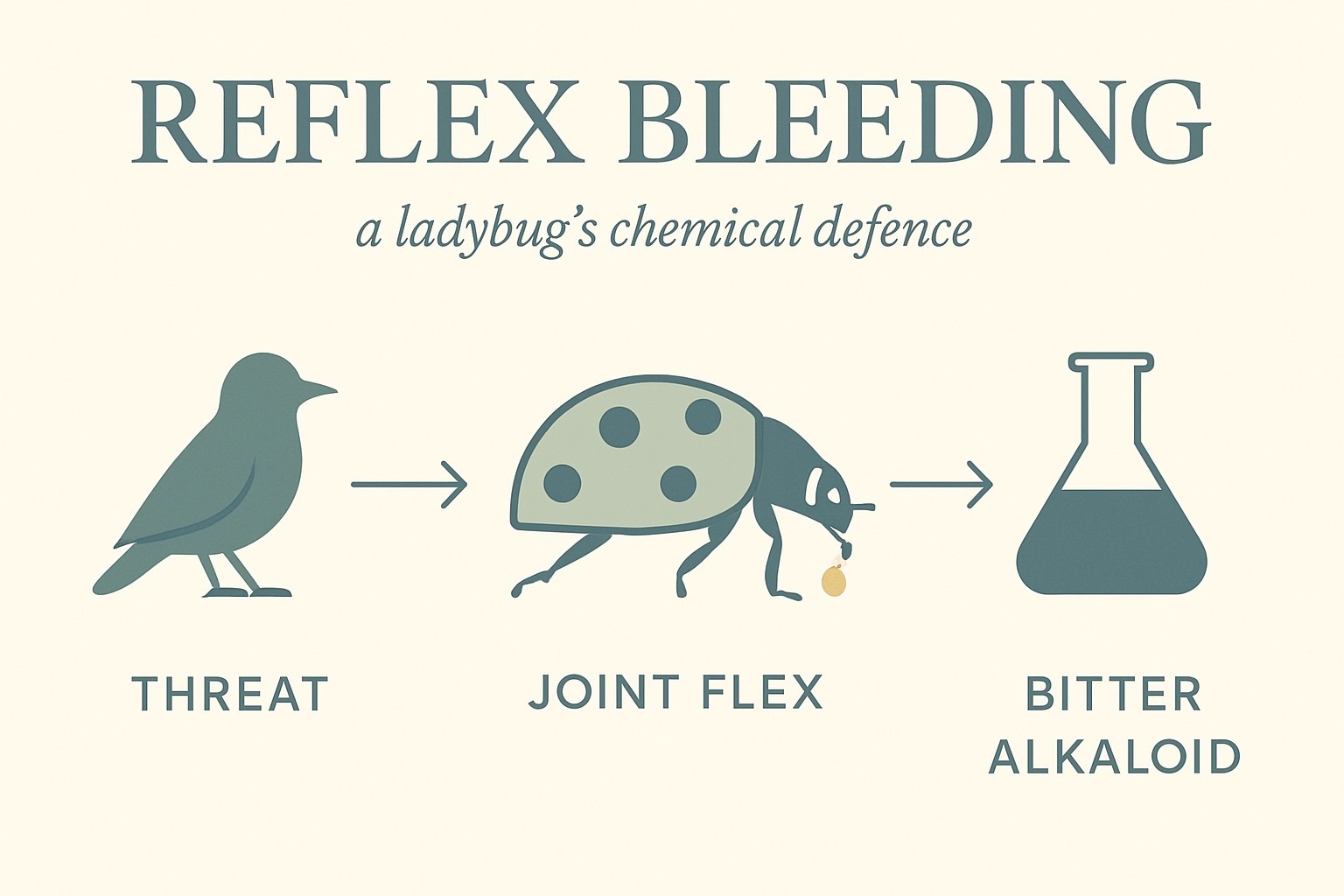
Squeeze a ladybug — gently — and it bleeds at the joints. The yellow fluid is not really blood; it is hemolymph, the open-circulatory equivalent in insects, and in coccinellids it carries a cocktail of bitter, toxic alkaloids. Seven-spot ladybugs produce coccinelline and precoccinelline. The invasive harlequin makes a particularly potent compound called harmonine, which is part of why it tends to win fights it shouldn’t.
Ecologically, the point is the warning. A spider or small bird tastes the alkaloid once, learns the lesson, and never touches a red beetle with black dots again — the textbook example of aposematic colouration. The bright red is the billboard; the bitter yellow is the receipt.
Turns out the system works on small mammals too. There are documented cases of dogs vomiting after a mouthful of ladybugs, and most insectivorous birds simply refuse them. It is one of the most efficient anti-predator setups in the insect world: no spike, no venom gland, no theatrical display — just a small leak from a knee and a flavour the predator will not forget.
Cannibalism, STDs, and the Ladybug Dark Facts the Tabloids Got Wrong
Two of the most repeated ladybug horror stories — “cannibal swarms” and “STD-carrying invaders” — are loosely true and badly framed. Worth separating the science from the panic.
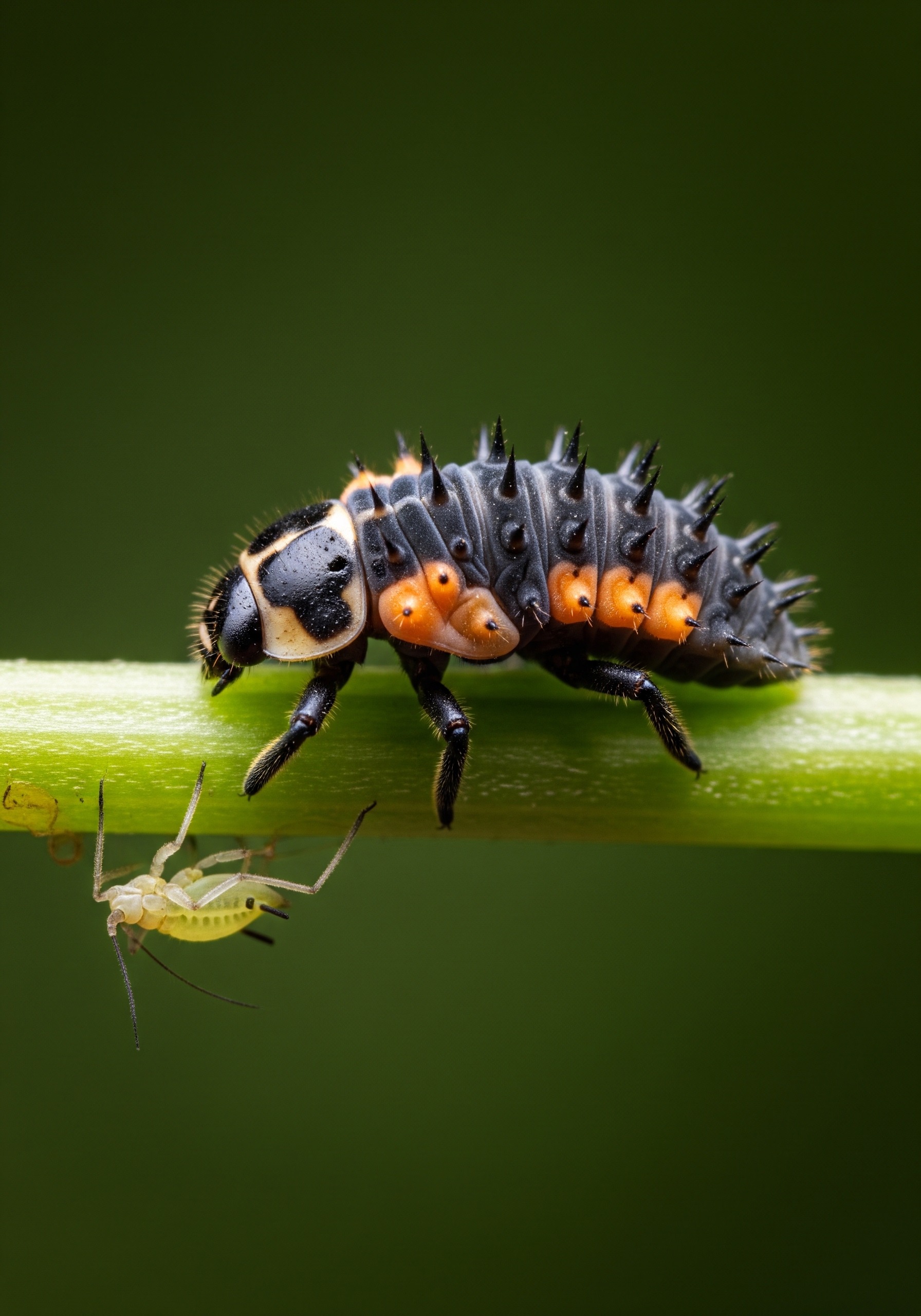
Cannibalism, first. Many ladybird species will eat their own eggs and younger larvae when aphid prey is scarce; the invasive harlequin Harmonia axyridis does it more readily than native species, partly because it is bigger and hungrier. Ecologists call this intraguild predation — eating your own guild — and it is one of the reasons the harlequin out-competes natives almost everywhere it lands.
Now the “STD” story. It is a fungal infection, Hesperomyces virescens, a Laboulbeniales ectoparasite about 200–400 micrometres across that grips the beetle’s cuticle and transfers during mating. Rachel Farrow, then a PhD researcher in insect ecology at Anglia Ruskin University, wrote a careful debunk in The Conversation: yes, the fungus exists; yes, it spreads when ladybirds pile together to overwinter; no, it cannot infect humans, and infected beetles only have slightly shorter lifespans. Nothing in your house is going to give you an insect STD.
Here is the honest editorial line: every time a British autumn brings a harlequin swarm indoors, the headlines invent a sex-crazed cannibal apocalypse, and the actual paper says “small fungus, ordinary overwintering, no human risk.” Trust the paper.
The Wasp That Builds a Zombie Bodyguard
A tiny braconid wasp called Dinocampus coccinellae finds an adult ladybug, pierces it with a single stab of its ovipositor, and lays an egg inside. The grub eats the beetle’s hemolymph from the inside for about three weeks. So far, ordinary parasitoid horror.
Then the part that earned this insect its own Wikipedia entry. When the grub is ready to pupate, it crawls out between the beetle’s legs and spins a cocoon there — and the still-living, now-paralysed ladybug stays hunched over the cocoon, twitching at any approaching predator, for another week. A zombie bodyguard, in plain language.
For decades the mechanism was a mystery. In 2015, a team led by Nolwenn M. Dheilly characterised a previously unknown RNA virus in the brains of paralysed beetles and named it Dinocampus coccinellae paralysis virus, or DcPV. The virus, an iflavirus distantly related to poliovirus, is carried asymptomatically inside the wasp, transmitted to the ladybug with the egg, and replicates in the beetle’s nervous system. National Geographic, reporting the finding, called it a “bio-weapon.”
A virus manipulating one animal to babysit another’s child — that is genuinely new biology.
Cleaner detail: roughly a quarter of the host ladybugs eventually recover. The grub gets its bodyguard, the beetle limps off, and the virus rides on into the next generation of wasps. Almost everyone wins, except the ladybug for a week.
{IMAGE_2}
Hesperomyces virescens: The Fungus They Catch at Winter Sleepovers
Stay with the fungus for a moment, because it is doing something interesting. Hesperomyces virescens spent decades as a rarity on a handful of native ladybird species. Then the harlequin arrived in Europe and North America, started piling up by the thousands in attics and weatherboarding to overwinter — and the fungus exploded.
Studies on harlequin populations in London and elsewhere found infection prevalence rising sharply once the invasive beetles were established. A 2019 paper in the Journal of Insect Science (“Fifty Shades of the Harlequin Ladybird”) tracked the parasite across colour morphs and found that smaller and male beetles tended to carry more thalli of the fungus. The reason is unromantic: more mating partners, more crowding, more contacts.
None of this matters for humans. It does matter for native British and North American ladybirds, which now share their winter shelters with a beetle that is bigger, more aggressive and walking around with a parasite load the locals never evolved with. Helen Roy of the UK Centre for Ecology & Hydrology, who runs the long-running UK Ladybird Survey, has documented sharp declines in several native species — the two-spot in particular — in the harlequin’s wake. The fungus is one factor among many. The bigger one is just being eaten.
The Tiny Beetle That Wrecks Wine
Now we come to the ladybug dark fact that costs real money. When mechanical grape harvesters sweep through a vineyard, they pick up everything riding on the canes — including any ladybirds sheltering in the foliage. Crush the grapes, crush the beetles. The beetle’s hemolymph carries a class of compounds called alkyl methoxypyrazines, mostly 2-isopropyl-3-methoxypyrazine, and they survive fermentation.
Human palates detect this molecule at 0.3 to 2 nanograms per litre — roughly one drop in an Olympic swimming pool. Wines tainted by ladybug processing are described by tasters as smelling of green bell pepper, asparagus and roasted peanuts, and there is no clean way to strip the compound out once it is in the barrel.
The ladybug-taint chemistry, in numbers
- Culprit compound: 2-isopropyl-3-methoxypyrazine (IPMP).
- Source: the beetle’s own hemolymph, released when crushed during harvest.
- Sensory threshold in wine: 0.3–2 ng/L (parts per trillion).
- Worst offenders: the invasive harlequin Harmonia axyridis and the seven-spot Coccinella septempunctata.
- Taste descriptors: green bell pepper, asparagus, roasted peanut.
A 2021 review in the journal Molecules summarised the state of the art bluntly: prevention beats remediation, and the best prevention is sorting beetles out of the harvest before they reach the press. Several Ontario and Niagara wineries — hit hard in the early 2000s — now run optical sorting and hand-picking lines specifically to dodge what the trade simply calls “ladybug taint.”
Asian Lady Beetles in the House: Bites, Stains and Asthma
Most people will never think about a parasitic fungus or a methoxypyrazine. What they will think about is the autumn morning the kitchen window is covered in hundreds of orange beetles. This is, almost always, the harlequin: introduced repeatedly to North America from East Asia as a biological control agent against aphids — and then doing what good biological control agents do, which is refuse to stay where they were put.
They do bite. Not hard, not dangerously, not in pursuit of blood — they nibble, the same way a hungry cat licks a salty wrist. There is no toxin delivered with the bite. The Ohio State University Extension fact sheet (ENT-44) describes the sensation as “a pricking that occasionally breaks skin.” Annoying, not alarming.
Allergy is the genuine concern. A 2006 paper in the Journal of Allergy and Clinical Immunology identified harlequin ladybirds as a seasonal indoor allergen in heavily infested homes, with clinical responses including rhinitis, conjunctivitis, asthma and contact urticaria — driven by the same defensive hemolymph that ruins wine and tastes bitter to birds. If a house gets a thousand-beetle autumn invasion and someone in it starts wheezing, that is the most likely reason. (None of this is medical advice; if you suspect a reaction, see a clinician.)
The Honest Verdict
So are ladybugs the cute garden helper or the small-scale ecological villain? The boring, accurate answer is: it depends entirely on which species. Native seven-spot, two-spot and convergent ladybirds are mostly the good story — efficient aphid predators, charming, harmless to humans, occasionally cannibal in lean years. The invasive Harmonia axyridis is most of the dark stuff: the cannibal swarms, the rising fungus loads, the wine tainting, the home invasions, the displacement of natives, the bites.
Strip away the tabloid framing and the picture is calmer and grimmer at once. A beautiful family of beetles, one of which we exported around the world for cheap pest control, has turned into a textbook case of biological control going wrong. The “scary facts” are mostly the bill arriving for that decision.
Frequently Asked Questions
Q: Do ladybugs bite humans?
A: Mostly no, sometimes yes. Native species almost never bite. The invasive harlequin (Asian lady beetle) does occasionally nibble exposed skin, especially in autumn when large numbers move indoors. The bite is harmless and does not transmit disease.
Q: Why do ladybugs “bleed” yellow stuff from their legs?
A: It is called reflex bleeding. When threatened, the beetle deliberately releases hemolymph laced with bitter, mildly toxic alkaloids from joints in its legs. The taste teaches predators to leave red, spotted beetles alone — the whole point of the warning colouration.
Q: Are ladybugs really cannibals?
A: Yes, but in a limited way. Larvae and adults of several species will eat their own eggs or younger siblings when aphid prey runs short. It is most pronounced in the invasive harlequin and is one of the mechanisms by which it displaces native ladybird populations.
Q: Can humans catch the ladybug STD fungus?
A: No. Hesperomyces virescens is a Laboulbeniales fungal ectoparasite specialised on the cuticle of ladybirds. It cannot infect humans, pets, or other insect groups. The tabloid headlines on this one are wrong.
Sources
- Nolwenn M. Dheilly and colleagues, 2015 — first characterisation of Dinocampus coccinellae paralysis virus (DcPV) and its role in host behavioural manipulation.
- Rachel Farrow, Anglia Ruskin University — The Conversation, “Mythbusting the story of the STI-carrying cannibal ladybirds.”
- Helen Roy, UK Centre for Ecology & Hydrology — long-running UK Ladybird Survey data on Harmonia axyridis impact on native species.
- “A Review of Ladybug Taint in Wine: Origins, Prevention, and Remediation” (2021), Molecules — methoxypyrazine chemistry and sensory thresholds.
- 2006 paper in the Journal of Allergy and Clinical Immunology identifying Harmonia axyridis as a seasonal indoor allergen.
- Ohio State University Extension fact sheet ENT-44 on the multicoloured Asian lady beetle.
Pick up a ladybug today and the bitter yellow smear on your palm will mean what it has always meant — small, beautiful, well-armed, and not quite as innocent as the picture book promised.
Illustrations are AI-generated. Article fact-checked and human-edited. Our editorial standards.