The Lost Parrot Who Recited His Own Home Address
A grey parrot walked into a vet clinic in Tokyo and asked for help the only way he knew how. He said his name. Then he said his address.
No one was looking for this to happen. That’s what makes it strange.
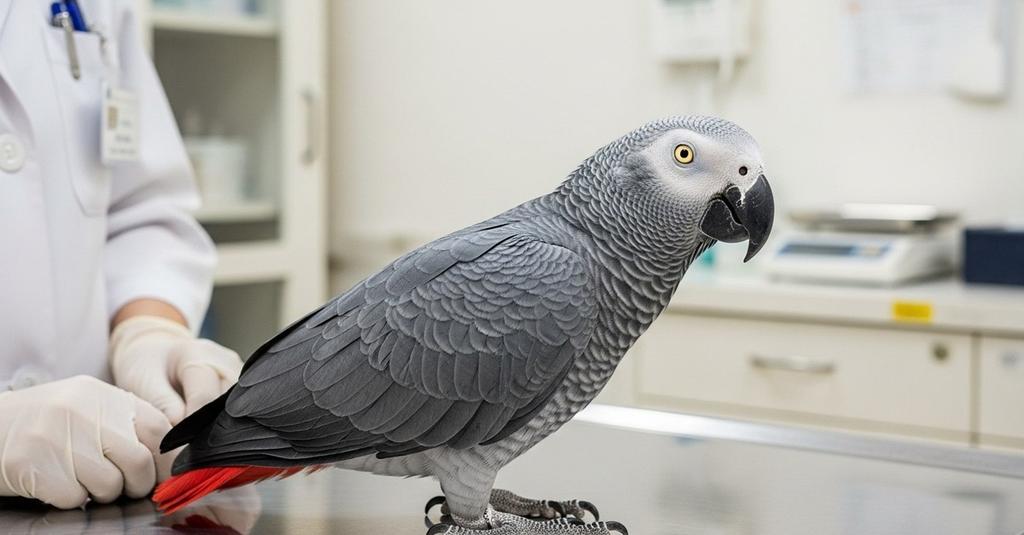
Someone found him wandering the city streets — just another lost bird, the kind that usually ends up in a shelter or worse. They brought him to a veterinary clinic, probably expecting the vet tech to scan for a microchip, shrug, and move on. The staff had seen plenty of animals come through those doors. They were prepared for scared. They were prepared for injured. They were not prepared for what came next.
Key Facts
- A lost African grey parrot brought to a Tokyo veterinary clinic recited his own name and complete home address, allowing staff to trace and reunite him with his family.
- University of Arizona research shows African grey parrots develop cognitive abilities equivalent to a five-year-old human child, including understanding zero and object permanence.
- African greys live 40 to 60 years in captivity and can develop vocabularies of 1,000+ words used in novel combinations.
- Dr. Irene Pepperberg’s grey parrot Alex could identify objects, colors, shapes, and quantities up to 8, and on his final night said ‘You be good. I love you. I’ll see you tomorrow.’
- Wild African greys range up to 30 miles a day in flight, with exceptional spatial memory and navigation abilities.
In short: African grey parrot intelligence reached headlines when a lost bird at a Tokyo vet clinic recited his name and full home address to get help. University of Arizona research places these parrots at the cognitive level of a five-year-old child, capable of using abstract language, understanding zero, and recognizing individual human faces.
African Grey Parrot Intelligence That Navigates Life
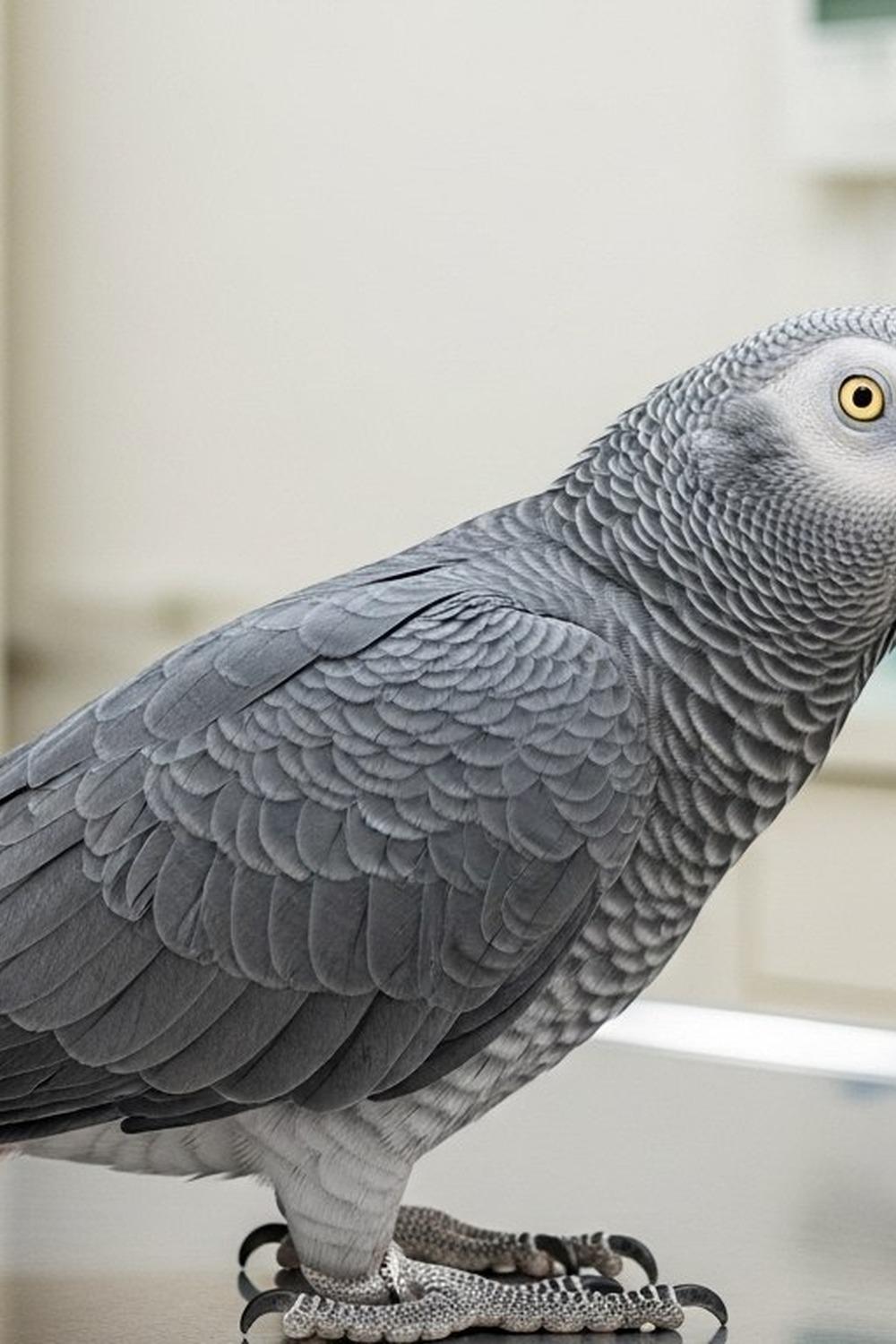
The bird looked at the examining vet and stated his name. Clear. Deliberate. Then — still unprompted — he recited his complete home address.
Not the street. Not the neighborhood. The full address.
Researchers like Dr. Irene Pepperberg at Harvard have spent decades documenting how African greys process language. They don’t just mimic. They use words as tools. But here’s the thing: knowing it in theory and watching it happen in a fluorescent-lit exam room are two entirely different experiences. The vet staff didn’t just witness animal behavior. They watched a bird solve his own emergency.
He understood he was lost. He understood that the sequence of sounds he’d learned — the address his family probably repeated to him playfully, the way you’d teach a child — could change his situation. He deployed that information. That’s not a trick. That’s problem-solving under pressure.
What the Science Actually Shows
The University of Arizona research is stark: African grey parrots develop cognitive abilities equivalent to a five-year-old human child. They understand object permanence. They comprehend zero as a concept. They use abstract language correctly — words like “none” — in ways that most primates can’t. That last fact kept me reading for another hour, because it forced a question I couldn’t shake: how many other capabilities are we missing simply because we’ve never asked the right way?
The grey doesn’t learn sounds the way a recording device captures audio. He learns what sounds mean.
Lab tests matter. But they’re controlled. Sterile. The Tokyo bird didn’t perform under observation. He communicated under stress, with strangers, in service of an actual need. That’s a different order of evidence entirely. Want the deeper story on how animal minds work? This Amazing World has been documenting discoveries that challenge what we think we know about intelligence across species.
The Clinic That Day
Imagine being a vet tech in that room. You’ve handled frightened animals, injured animals, animals in shock. And then a small bird with orange tail feathers — just sitting there, calm — tells you exactly where he lives.
African grey parrot intelligence gets discussed in academic papers. Nature documentaries. Conference presentations. But nothing prepares you for it in person.
Within hours, staff traced the address. They called the family. The reunion was reportedly emotional — people who’d given up, meeting a bird who apparently never had.
He Remembered
African greys live 40 to 60 years in captivity. Four decades of attachment. Four decades of watching the same humans. They form bonds that last lifetimes. They’ve been documented mourning companions — grieving in ways that look uncomfortably like human grief. This bird didn’t just store an address in his neural architecture the way a hard drive stores data. He held onto something that meant something to him. He kept it safe. He used it when it mattered.
That single detail — that he cared enough to remember — might be the most extraordinary part of the whole story.
What We’ve Been Missing
Here’s what’s been happening in the background of science: we built tests, created conditions, watched through glass. And African greys kept passing every benchmark we set. But we controlled the variables. We chose the tasks. We decided what counted as proof. The Tokyo parrot used language the way it’s actually meant to be used — in the wild, unprompted, because something real was at stake. Turns out the gap between “mimicry” and “genuine communication” collapses when the stakes are high enough.
There’s more. African greys recognize individual human faces. They understand cause and effect. They use deception — deliberately giving wrong answers in food-sharing experiments, which means they’re not just smart. They’re strategically smart. They calculate. They plan.
And we’re still discovering new things about what they can do.
By the Numbers
- Cognitive capacity of a 5-year-old human child
- African grey parrots score at this level on University of Arizona benchmarks — a threshold most non-primates have never reached. The research came out in the early 2000s and quietly reshaped everything we should know about animal intelligence.
- Vocabularies of 1,000+ words, used in combinations they’ve never heard before
- Dr. Pepperberg’s grey, Alex, could identify objects, colors, shapes, and quantities up to 8. On his last night alive, he told her: “You be good. I love you. I’ll see you tomorrow.” He died that night. Researchers still debate what he understood about saying goodbye.
- 30 miles a day in wild flight ranges — their spatial memory and navigation abilities are already exceptional before any human language enters the picture
Field Notes
- Tool use. African greys in the wild manipulate objects to reach food — behavior once considered exclusive to higher primates. They figured it out on their own.
- Abstract reasoning: they distinguish between “same” and “different” as concepts, not just as visual matching exercises. Show them novel objects they’ve never seen, ask them to judge sameness or difference, and they answer correctly.
- Emotional context recognition — documented by owners who report their greys staying silent when humans are upset, or repeating phrases from arguments back weeks later, at moments that seem uncannily appropriate.
Why This One Story Changed Something
African grey parrot intelligence has been measured, studied, documented for decades. But the Tokyo reunion happened in conditions we never controlled. No researcher. No food reward. No apparatus. Just a bird, a clinic, and the choice — it really does look like a choice — to provide exactly the information that would solve his problem.
If that’s not problem-solving rooted in memory and intention, what is it?
And if we’re wrong about what’s happening inside an African grey’s mind, we should ask what else we’re getting wrong. What other creatures are holding information, forming plans, experiencing things — in silence, because we never thought to create the conditions where they could answer back?
We’ve drawn the line of meaningful intelligence very close to ourselves. This bird just walked across it, stated his address, and went home.
He’s back with his family now. Probably somewhere comfortable. Watching. Listening. Filing things away — the way African greys do. That’s what sticks with you about this story. It’s not just a reunion. It’s evidence. Evidence that the minds sharing our world are richer and stranger than we’ve been crediting them. If stories like this keep you up at night thinking about what animals understand, there’s more at this-amazing-world.com.
Frequently Asked Questions
Q: What happened with the lost parrot in Tokyo?
Someone found a grey parrot wandering Tokyo streets and brought him to a veterinary clinic, expecting a routine microchip scan. Instead the bird clearly stated his own name and then recited his complete home address, not just the street or neighborhood. Within hours staff traced the address, called the family, and reunited the bird with owners who had given up. It was problem-solving under stress, with no researcher, food reward, or apparatus involved.
Q: How intelligent are African grey parrots really?
University of Arizona research shows African grey parrots develop cognitive abilities equivalent to a five-year-old human child, a threshold most non-primates never reach. They understand object permanence, comprehend zero as a concept, and use abstract words like ‘none’ correctly in ways many primates cannot. They also recognize individual human faces, understand cause and effect, and even use deliberate deception in food-sharing experiments, meaning they are strategically smart.
Q: How long do African grey parrots live and remember?
African greys live 40 to 60 years in captivity, forming bonds that last lifetimes. Over four decades they watch the same humans and have been documented mourning lost companions in ways that resemble human grief. This longevity explains the Tokyo case: the bird had held onto a memorized address for what may have been years, then deployed it precisely when it mattered, demonstrating memory paired with intention rather than mere recording.
Q: Who was Alex the parrot and why does he matter?
Alex was Dr. Irene Pepperberg’s African grey, central to decades of language research at Harvard. He could identify objects, colors, shapes, and quantities up to 8, and used a vocabulary of over 1,000 words in combinations he had never heard before. On his last night alive he told Pepperberg, ‘You be good. I love you. I’ll see you tomorrow,’ then died that night. Researchers still debate what he understood about saying goodbye.
Illustrations are AI-generated. Article fact-checked and human-edited. Our editorial standards.