Antarctica’s Blood Falls Hides Life That Defies Science
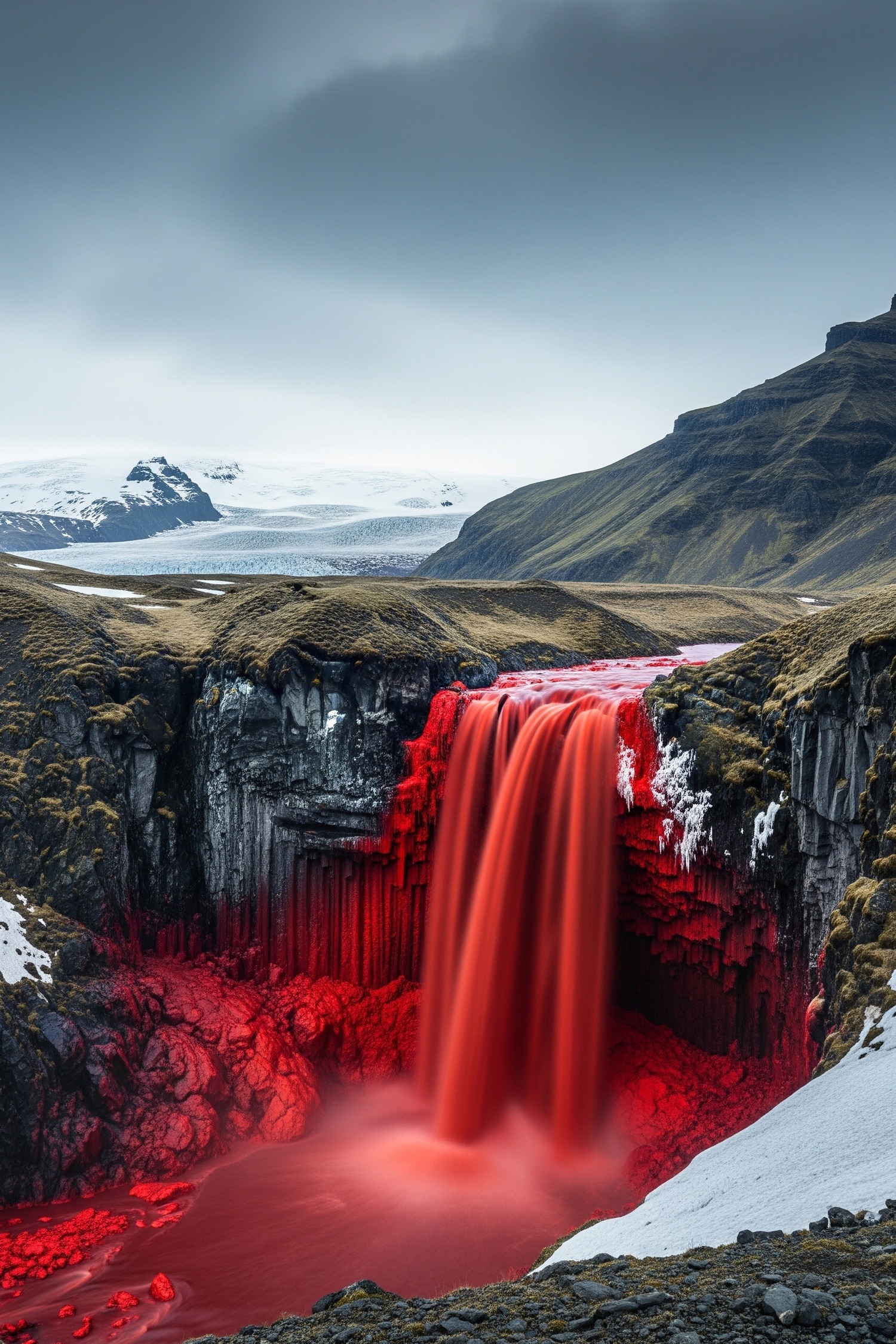
Antarctica has a waterfall that shouldn’t exist. It’s red. It’s been flowing in the dark for over a million years, and when you learn what’s actually living inside it, the whole conversation about life in the universe changes.
In the Dry Valleys — legitimately one of the most inhospitable places on Earth — Taylor Glacier is bleeding. A crimson stream pours down its face into Lake Bonney, a visible wound in the ice that’s been there since before humans walked upright. And for decades, nobody really understood why.
Key Facts
- Blood Falls flows from Taylor Glacier in Antarctica’s Dry Valleys into Lake Bonney, descending about 18 meters down the glacier face.
- The brine feeding Blood Falls has been sealed beneath Taylor Glacier for an estimated 1.5 million years (Badgeley et al., Journal of Glaciology, 2017).
- The brine stays liquid at -7 degrees Celsius, about three degrees below water’s normal freezing point, because of its extreme salt concentration.
- Griffith Taylor first documented the red waterfall in 1911 and assumed the color came from red algae; it is actually oxidizing iron.
- Microbes there survive via chemolithotrophy, cycling sulfate and ferric iron in zero dissolved oxygen, and NASA models the system for life on Europa and Enceladus.
In short: Blood Falls Antarctica is a crimson waterfall flowing from Taylor Glacier, colored by iron that rusts when ancient brine, sealed for about 1.5 million years, finally meets oxygen. Microbes living in that lightless, oxygen-free brine run on chemistry alone, making the site a model for possible life on Jupiter’s moon Europa and Saturn’s Enceladus.
The Waterfall That Broke the Rules
When Griffith Taylor first documented Blood Falls Antarctica in 1911, he assumed it was red algae. Seemed reasonable. Then chemistry got involved, and the actual explanation turned out to be far weirder.
Beneath the glacier sits an ancient brine reservoir. We’re talking genuinely ancient — an estimated 1.5 million years sealed off from the atmosphere. No sunlight. No fresh water. No contact with anything on the surface. Just sitting there, waiting. When pressure forces this water upward through cracks in the ice, the dissolved iron finally encounters oxygen for probably the first time in geological ages. It oxidizes. It rusts. And that’s why a glacier bleeds red.
The salt concentration in that brine is so extreme it stays liquid at -7°C. Three degrees below water’s normal freezing point. Think of it like the glacier is holding a liquid that refuses to obey the rules we teach in textbooks.
Something’s Alive Down There
Here’s where it gets genuinely strange: the brine isn’t empty.
For 1.5 million years, sealed beneath ice, in total darkness, with no oxygen and no sunlight — something has been living down there. Not dormant. Not waiting. Actually alive. Actually working.
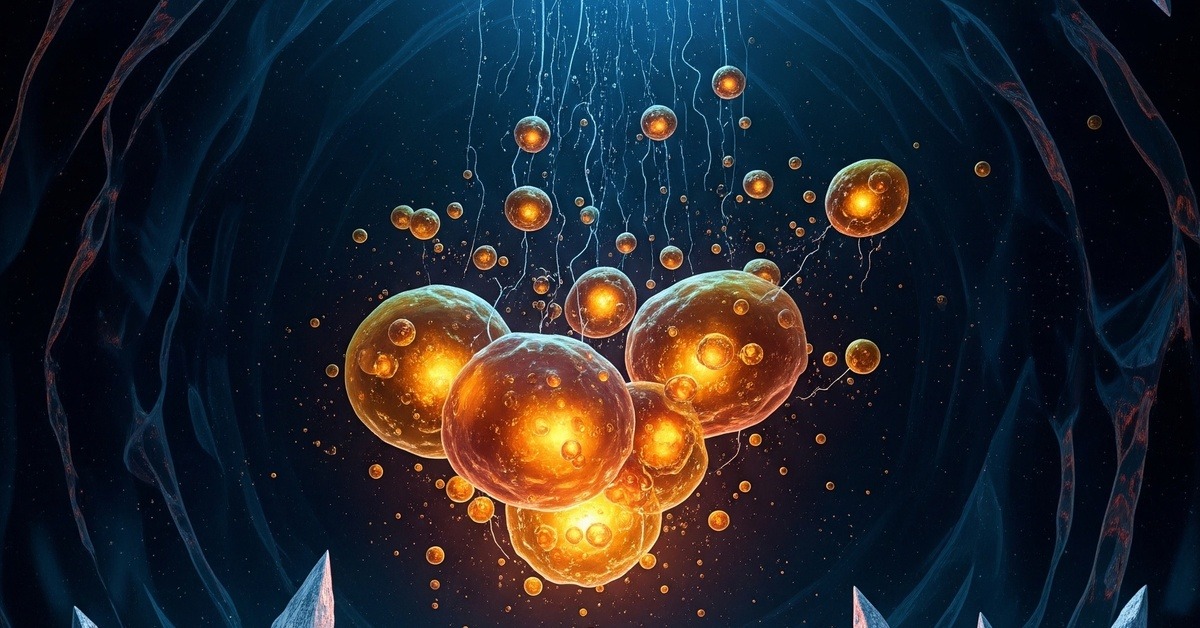
Dr. Jill Mikucki at the University of Tennessee has spent years analyzing what exists in that trapped water, and the findings kept surprising her team. These aren’t spores in suspended animation. They’re active organisms. They’re metabolizing. They’ve built an entire microbial ecosystem in an environment we’d normally call sterile.
The microbes don’t use photosynthesis — they can’t, there’s zero light. Instead they run on chemolithotrophy, pulling energy directly from chemical reactions involving sulfate and ferric iron. It’s like watching an engine run on pure chemistry in a sealed tank for a million years and somehow never run out of fuel. Mikucki’s research confirmed they’re actively cycling sulfur and iron through the system, creating their own nutrient loop. Completely self-contained.
By the Numbers
- 1.5 million years — how long the brine has been sealed beneath Taylor Glacier (Badgeley et al., Journal of Glaciology, 2017)
- -7°C — the temperature where this water stays liquid instead of freezing solid like normal water
- 18 meters down the glacier face into Lake Bonney
- Sulfate reduction and iron cycling power the entire ecosystem — the same processes NASA is now modeling for what might exist on Europa and Enceladus
- The microbial community thrives in zero dissolved oxygen, which would kill most life on Earth’s surface instantly
Why This Matters for Jupiter’s Moons
In 2017, researchers mapped the brine system using radio-echo sounding and discovered it wasn’t a single isolated pocket — it was a connected network flowing through the glacier. The water moves. Slowly, over geological timescales, but it moves. That discovery changed how scientists think about the system entirely. If the brine has been flowing and cycling for 1.5 million years, the organisms in it have had extraordinary time to evolve specialized strategies for survival. They’re not just surviving. They’re optimized.
And that’s when astrobiology got very interested.
Europa, one of Jupiter’s moons, is thought to harbor a global ocean beneath miles of ice. Enceladus, orbiting Saturn, already vents water vapor from its liquid interior. Blood Falls Antarctica essentially wrote the playbook for what life might look like in those environments. No star needed. No warmth. No oxygen. Just liquid water, chemical energy sources, and time. NASA has explicitly referenced the Taylor Glacier microbes as a biological model for what their instruments should look for on those distant moons.
Life doesn’t need a star.
It needs a crack in the ice and some chemistry to work with.
Field Notes
- The red color fooled everyone for decades. Griffith Taylor thought it was algae. Even after microscopy became standard, geochemical analysis didn’t confirm the true cause — oxidizing iron in brine — until much later in the 20th century. That last fact kept me reading for another hour.
- The environment down there is completely anaerobic. No dissolved oxygen at all. Most life on Earth’s surface would die immediately in these conditions.
- Taylor Glacier itself is a cold-based glacier, meaning its foundation is actually frozen to the bedrock. Liquid water shouldn’t exist inside it. And yet there it is.
What This Changes
Blood Falls Antarctica is proof. Not theory. Not model. Proof that life can carve out a functioning ecosystem in what we’d normally call completely uninhabitable space. Liquid water locked under ice for over a million years. Darkness. Subzero temperatures. Zero oxygen. And a thriving microbial community that’s developed sophisticated chemical strategies to extract energy from minerals and salts.
That’s not a striking geological feature. That’s a fundamental revision to biology’s boundaries.
Every icy moon in the outer solar system looks different once you understand what’s actually living beneath Taylor Glacier. The universe just became considerably more crowded with possibility. Life is stubborn. It doesn’t need what we assumed it needed. It finds the chemistry. It finds a way.
A red waterfall in Antarctica’s emptiest corner turns out to be one of the most significant living systems scientists have ever studied. If you want more stories like this — and trust me, the next one gets stranger — there’s always more at this-amazing-world.com.
Frequently Asked Questions
Q: What causes the red color of Blood Falls in Antarctica?
The red color comes from oxidizing iron, not algae as Griffith Taylor assumed when he first documented the site in 1911. Beneath Taylor Glacier sits an ancient brine reservoir sealed off from the atmosphere for an estimated 1.5 million years. When pressure forces this iron-rich water up through cracks in the ice, the dissolved iron meets oxygen for essentially the first time, oxidizes, and rusts, staining the glacier face crimson as it pours into Lake Bonney.
Q: How do microbes survive in Blood Falls?
The microbes survive through chemolithotrophy, pulling energy directly from chemical reactions involving sulfate and ferric iron rather than from sunlight, which is absent beneath the glacier. Research led by Dr. Jill Mikucki at the University of Tennessee confirmed they are active, not dormant, organisms cycling sulfur and iron through a self-contained nutrient loop. They thrive in zero dissolved oxygen and in brine that stays liquid at -7 degrees Celsius, conditions that would kill most surface life instantly.
Q: Why is Blood Falls important for finding life on other planets?
Blood Falls is proof that life can build a functioning ecosystem without a star, warmth, or oxygen, needing only liquid water, chemical energy, and time. Europa, a moon of Jupiter, is thought to harbor a global ocean beneath miles of ice, and Saturn’s Enceladus vents water vapor from a liquid interior. NASA has explicitly referenced the Taylor Glacier microbes as a biological model for what its instruments should look for on those distant icy moons.
Illustrations are AI-generated. Article fact-checked and human-edited. Our editorial standards.