The Free Supermarket Where 25,000 People Shop Daily
Walk into 1881 Broad Street in Regina and you won’t immediately realize you’re at a food bank. There’s no intake desk. No sign-in sheet. No fluorescent-lit waiting area with motivational posters. Just aisles, and the quiet permission to choose.
25,000 people are expected to walk through those doors every single day. They’re going to browse. They’re going to carry baskets. They’re going to pick up a box of pasta, put it back, grab a different one. Registered clients get appointments every two weeks. They shop for free groceries — fresh produce, refrigerated items, household essentials — and walk out with up to $200 worth of food they actually selected themselves. No pre-packed hamper. No counter. Just a store.
Key Facts
- The Community Food Hub at 1881 Broad Street in Regina expects up to 25,000 people to walk through its doors every day.
- Registered clients get appointments every two weeks and shop for up to $200 worth of free groceries they select themselves.
- Canadian food banks recorded over 1.9 million visits in March 2023, a 32% increase from pre-pandemic levels, per Food Banks Canada’s HungerCount report.
- Canada’s first food bank opened in Edmonton in 1981 during a recession, intended only as a temporary bridge.
- There are now over 4,700 food bank organizations operating across Canada, though supermarket-style choice models remain rare.
In short: The community food hub Regina reimagines the food bank as a free supermarket where clients shop with baskets and choose up to $200 of groceries every two weeks. By replacing pre-packed hampers with choice, the Regina model restores dignity and agency while cutting waste and improving nutrition for food-insecure families.
What Food Insecurity Actually Looks Like Right Now
Food insecurity in Canada has been climbing steadily since the pandemic hit. According to food bank data compiled nationally, Canadian food banks recorded over 1.9 million visits in a single month in 2023 — a 32% increase from pre-pandemic levels. Researchers like Dr. Valerie Tarasuk at the University of Toronto have called this a structural crisis, not something temporary.
The Regina Food Bank alone has seen demand surge dramatically. And at some point, someone asked a question that nobody had really asked before.
What if the way we’ve been solving this was actually part of the problem?
The Old Model Assumed Things It Shouldn’t Have
Here’s what a traditional food hamper looks like: pre-packed by volunteers, distributed at a counter, contents determined by what got donated that week. It saves lives. Absolutely. But it also makes decisions for people. The box doesn’t know your kid refuses canned peas. It doesn’t know you’re managing Type 2 diabetes and sodium intake matters. It doesn’t know your grandmother taught you to cook a specific way and those flavors are tied to everything that feels like home.
The Community Food Hub Regina hands that choice back.
Think about what $200 worth of groceries every two weeks actually means for a family of four. Two weeks of breathing room. The ability to cook food your kids will eat. The small, massive dignity of deciding what goes on your own table.
Researchers Call It “Agency”
It’s the ability to make decisions about your own life. When you strip it away — even in an act of generosity — something gets lost that’s hard to name but easy to feel. The appointment system doesn’t just manage crowd flow. It creates a predictable, dignified experience with no lineups outside, no waiting, no public signal to neighbors that you’re using a food bank. For many clients, that privacy matters enormously.
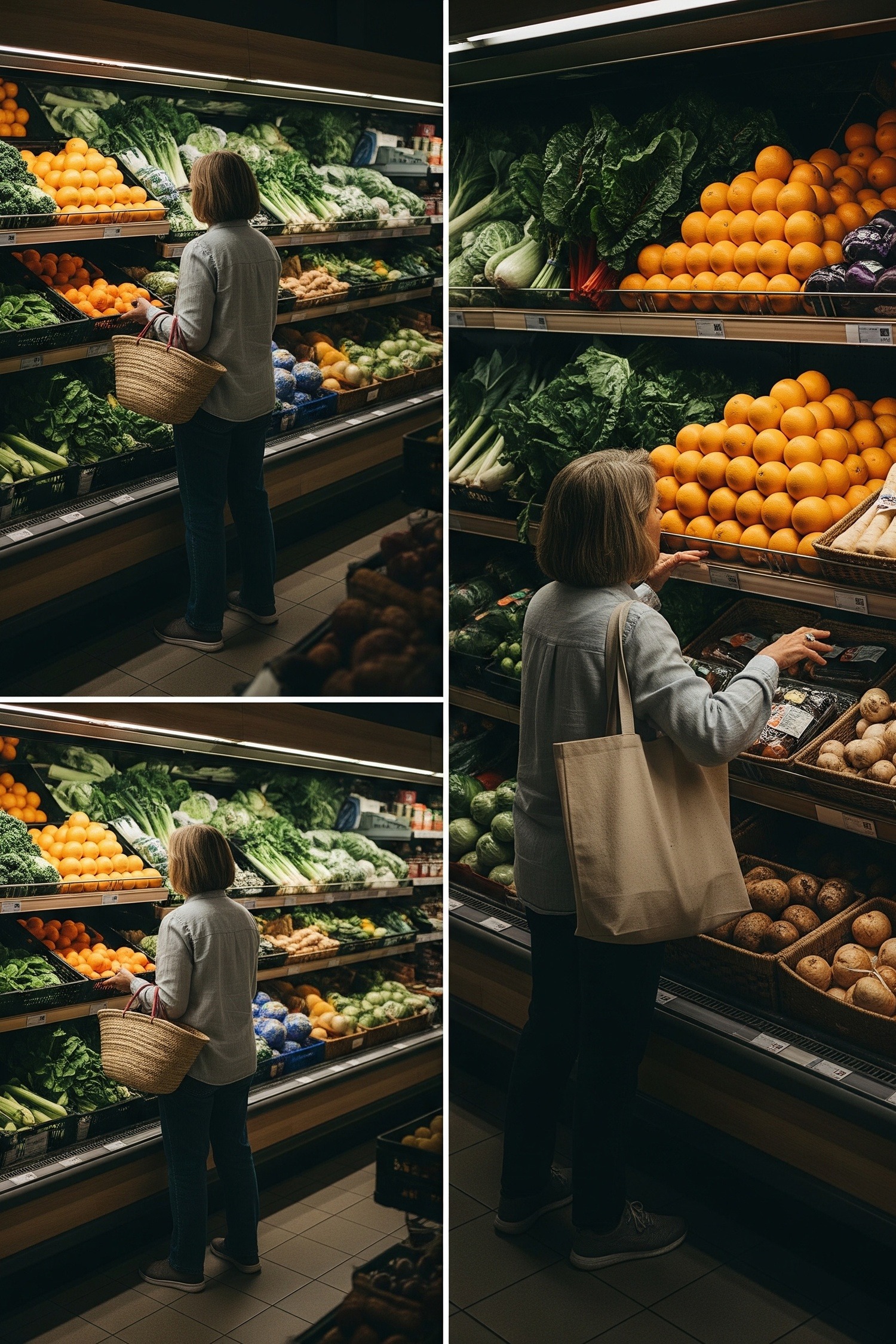
The physical layout of the Hub isn’t accidental either. It’s a supermarket on purpose.
- Aisles you navigate
- A basket you carry — the act of shopping signals something. You belong here. You decide.
- Products you consider, pick up, put back, and choose again
Canada’s First Food Bank Opened Over 40 Years Ago
Edmonton. 1981. A recession that hit working families hard. The food bank was supposed to be temporary — a bridge until things got better. Decades later, it was still there. The system grew, spread, and eventually became infrastructure. The same model. For 40 years.
And now someone’s finally asking: what if the model itself was the problem?
Food banks that have moved toward choice-based models in other cities have reported something consistent. Clients feel less stigma. They engage more consistently. They take items they’ll actually use — which means less waste, better nutrition outcomes. That last part kept me reading for another hour. The ripple effect of one building in Regina could be wider than anyone planned for.
By the Numbers
- Over 1.9 million visits were recorded at Canadian food banks in March 2023 — a 32% increase from pre-pandemic levels, according to Food Banks Canada’s HungerCount report.
- The Regina Food Bank serves a catchment area where roughly 1 in 6 residents are food insecure, a rate that has climbed consistently since 2020.
- At $200 per two-week visit, a single household could access up to $5,200 worth of groceries annually. Most low-income households spend less than that on food in a full year.
- There are now over 4,700 food bank organizations operating across Canada. Choice-based models remain rare. Supermarket-style implementations at this scale are genuinely uncommon anywhere in North America.
What Actually Changes When You Stock Fresh Produce
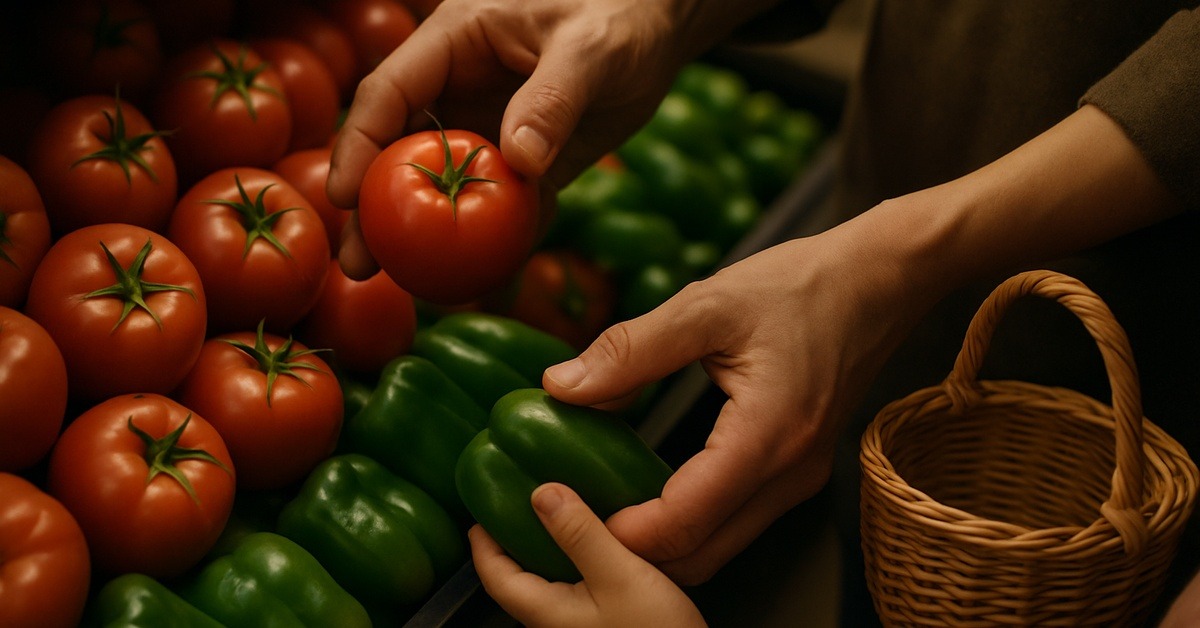
The Hub doesn’t just carry non-perishables. Fresh produce. Refrigerated items. Categories that have historically been nearly impossible to distribute through traditional food banks because of spoilage and logistics. Getting those into the hands of food-insecure families is a nutritional win that the old hamper model often couldn’t manage at all.
Choice-based food pantry models have been piloted in the United States and the UK for over a decade now. The research is consistent: improved client satisfaction, reduced food waste, better outcomes. Yet full supermarket-style implementations at this scale remain rare anywhere. Why did it take this long?
This Is What Food Assistance Looks Like Next
What the community food hub Regina has built isn’t just a better food bank. It’s an argument. An argument that the way we’ve been doing this — for 40 years, out of necessity and good intentions — was missing something important. That people in crisis deserve more than emergency rations. That choice is a form of care. That a store where everything is free can still feel like a store where you’re welcome, not a waiting room where you’re managed.
Food insecurity isn’t an edge-case problem anymore. It’s mainstream. Working families. Seniors. Single parents. People who are employed and still can’t make the math work. The Community Food Hub doesn’t solve the economic conditions that created that reality.
But it treats the people living inside it like what they are.
Full human beings who get to decide what’s for dinner.
Sometimes the most radical thing a building can do is feel ordinary. The community food hub Regina feels like a supermarket — and that’s exactly the point. A basket. An aisle. A choice. Small things that carry enormous weight. There’s more at this-amazing-world.com — and the next one is even stranger.
Frequently Asked Questions
Q: How much food can a client get at the Community Food Hub in Regina?
Registered clients receive an appointment every two weeks and can select up to $200 worth of free groceries, including fresh produce, refrigerated items, and household essentials. Over a full year that adds up to roughly $5,200 worth of food per household, more than many low-income families spend on groceries annually. Unlike traditional food banks, clients choose their own items rather than receiving a pre-packed hamper.
Q: How is the Community Food Hub different from a traditional food bank?
Traditional food banks distribute pre-packed hampers at a counter, with contents determined by weekly donations. The Regina Community Food Hub instead operates like a supermarket: aisles to navigate, baskets to carry, and products clients pick up, consider, and choose. This choice-based model, piloted in the US and UK for over a decade, reduces stigma, lowers food waste, and improves nutrition because people take items they will actually use.
Q: When and where did Canada’s first food bank open?
Canada’s first food bank opened in Edmonton in 1981, during a recession that hit working families hard. It was meant to be temporary, a bridge until conditions improved, but it never closed. Over the following four decades the same hamper-based model spread nationwide and became permanent infrastructure. Today over 4,700 food bank organizations operate across Canada, which is part of why the Regina Hub’s supermarket approach stands out as so unusual.
Illustrations are AI-generated. Article fact-checked and human-edited. Our editorial standards.