A Trash Can at Disneyland Started a $3B Snack Empire
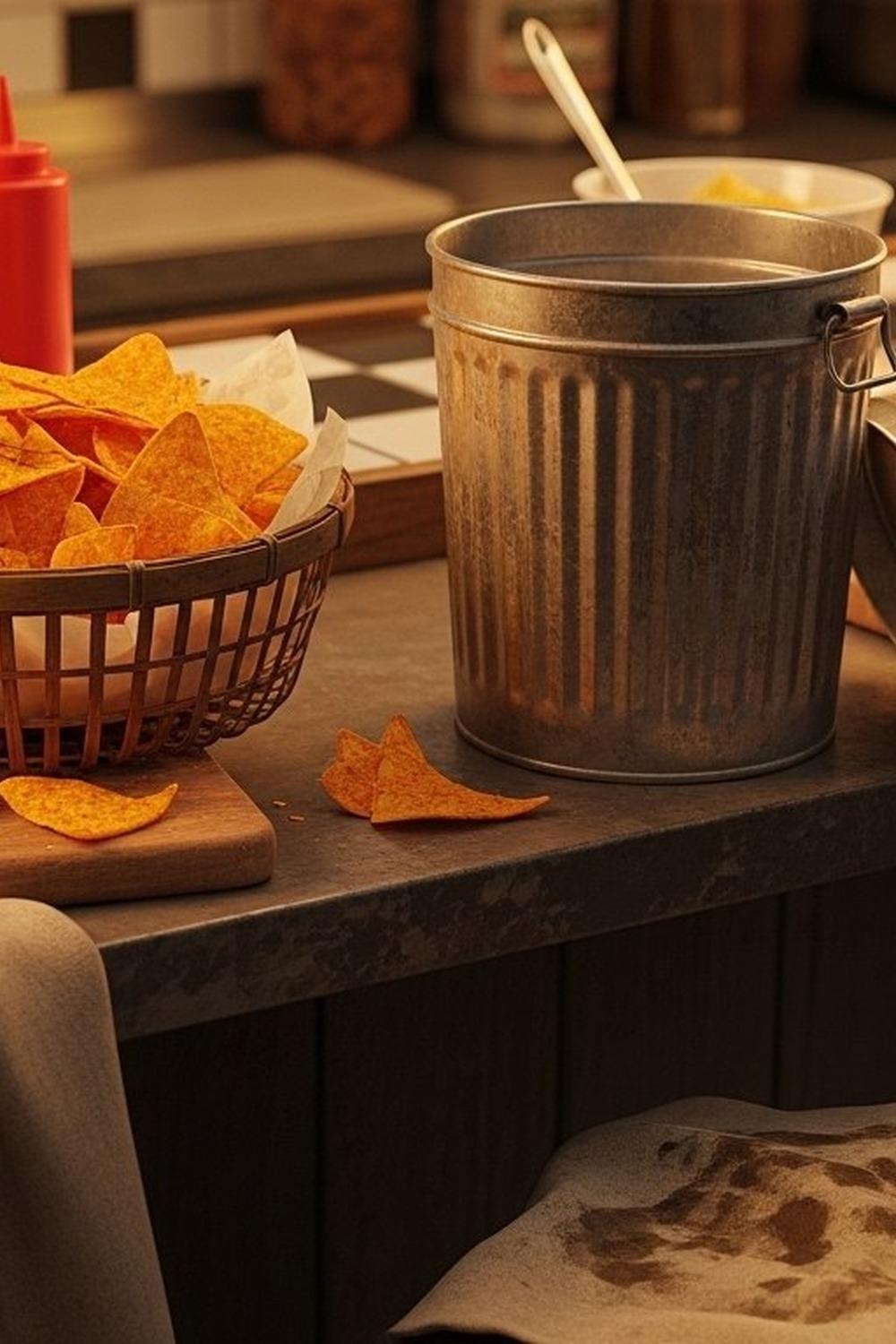
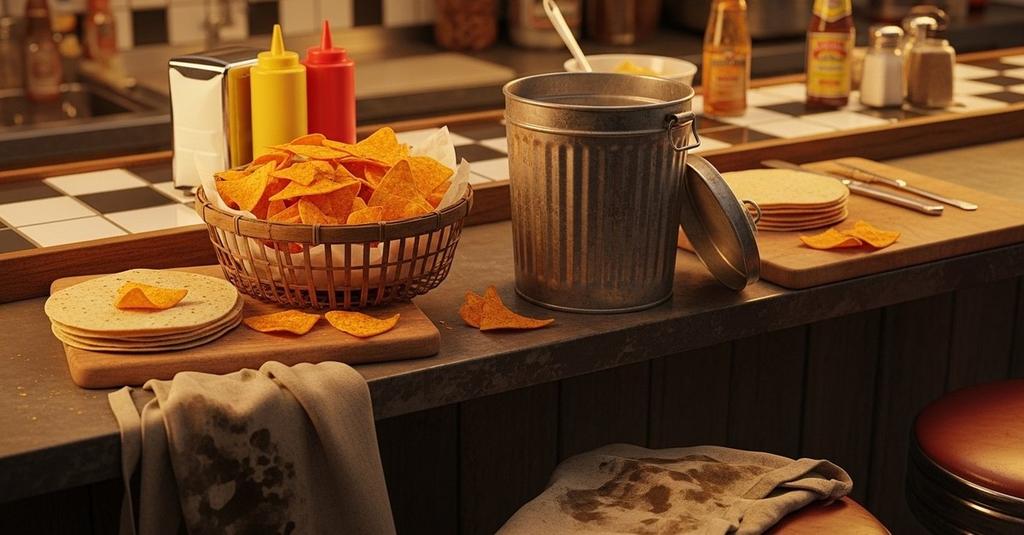
So there’s this trash can at Disneyland. It’s 1961, a kitchen is throwing out day-old tortillas, and nobody in that moment could possibly know they’re about to create a $3 billion brand. Most innovation stories start with a plan. This one starts with waste.
A delivery rep watched those stale tortillas hit the bin. He didn’t overthink it. “Fry them up,” he said. Three words. A cook actually did it. Guests ate them, wanted more, and the chain reaction that followed took literally decades to fully play out — which is wild because it means we’ve been eating a product born from garbage disposal for our entire lives without knowing where it actually came from.
Key Facts
- Doritos were invented in 1961 at Casa de Fritos, a Disneyland restaurant, when an Alex Foods sales rep suggested frying day-old tortillas.
- Frito-Lay VP Archibald Clark West championed the chip; when he died in January 2011, mourners tossed bags of original-flavor Doritos into his casket per his final request.
- Frito-Lay launched Doritos as a national product in 1966, with the original flavor being plain toasted corn, not nacho cheese.
- Nacho Cheese Doritos launched in 1972 and caused sales to spike rather than merely climb.
- Doritos reached $3 billion in annual retail sales at peak and became the first snack chip brand to hit $1 billion in annual sales by the 1990s, with 65+ distinct flavors sold globally.
In short: The Doritos origin story begins in 1961 at Casa de Fritos, a Disneyland restaurant, where an Alex Foods sales rep suggested frying day-old tortillas headed for the trash. Frito-Lay VP Archibald Clark West scaled the idea into a national product by 1966, eventually a $3 billion brand born from waste.
The Disneyland Restaurant That Changed Snacking
Casa de Fritos. That’s where it happened.
The restaurant sat inside Disneyland under a licensing deal with Frito-Lay, supplied by a company called Alex Foods. When an Alex Foods sales rep — and here’s the frustrating part, history basically forgot his name — spotted kitchen staff about to toss stale tortillas, he made a suggestion. Fry them. Salt them. Hand them out. Food historians and those who’ve documented the Doritos origin story on Wikipedia confirm they started as a free item, which raises the obvious question: how does a free chip at a theme park become anything at all?
Guests lost their minds for them.
The chips moved from freebie to actual menu item in what must have been days, not weeks. No advertising. No strategy. Just word-of-mouth from people who couldn’t stop thinking about them. That’s the part that should terrify everyone working in product development right now.
The Moment a VP Saw What Nobody Else Did
It’s 1961. Archibald Clark West, VP at Frito-Lay, visits Disneyland.
He sees these fried tortilla chips moving. People are buying them. He’s not watching a novelty. He’s watching a category that doesn’t exist yet — a gap in the market so obvious once you see it that you wonder why it took this long. West negotiated to scale the concept with Alex Foods. This wasn’t gambling. He believed in the chip, genuinely believed, and that belief stayed with him for fifty years.
When West died in 2011, his family honored his final request: mourners tossed bags of original-flavor Doritos into his casket. That actually happened. The man went to his grave with his creation.
That last fact kept me reading for another hour.
1966: The Nationwide Launch
Frito-Lay rolled out the Doritos origin story as a national product in 1966 — first Southwest (where corn chips already made sense to people), then everywhere else. The original flavor was plain toasted corn. Not nacho cheese. Not cool ranch. Just corn.
But even stripped down, it worked. Crunchy in a different way. Different texture. People remembered it.
Then 1972 happened.
Nacho Cheese dropped and sales didn’t climb. They spiked. Frito-Lay executives were apparently doing actual double-takes looking at the numbers. This wasn’t regional success. This wasn’t a trend fading after two years. This was a permanent shift in what Americans thought a snack could taste like.
The Numbers
- $3 billion in annual retail sales at peak — one of the top-selling snack chip brands in the United States.
- 1966 to nationwide rollout: five years from that first Disneyland batch. Unusually fast for such a massive brand to go from concept to coast-to-coast distribution.
- By the 1990s, Doritos became the first snack chip brand to hit $1 billion in annual sales. Reshaped how the entire industry thought about flavored chips.
- 65+ distinct Doritos flavors have sold globally — a number that dwarfs almost every competitor and shows how one improvised recipe just kept expanding.
Strange Details Worth Knowing
- “Doritos” comes from the Spanish word doradito — little golden things, little pieces of gold. Archibald Clark West apparently had a hand in choosing the name, which turned out prophetic once you see the sales numbers.
- The Alex Foods sales rep who originally suggested frying those tortillas? History never pinned down his name with certainty. One of the biggest product innovations in American food history came from someone we basically erased from the record.
- West’s burial with Doritos bags — that actually happened. January 2011. The obituary specifically mentioned his creation of the brand as his defining professional legacy.
Why Accident Beats Design
Here’s the uncomfortable truth about innovation: it usually doesn’t come from labs. It doesn’t come from boardrooms or focus groups or market research firms spending millions to understand what people want. It comes from a kitchen with a waste problem. A salesman with an idea. A cook willing to try something. An executive paying attention when it would’ve been easier not to.
We mythologize invention. We imagine eureka moments and genius breakthroughs. We spend billions on product development and market research and consumer testing. And then a delivery guy looks at a trash can and changes everything. The Doritos origin story is proof that most of the things we actually use, eat, reach for — they started messier than we think. Born from waste. Born from improvisation. Born from someone noticing what everyone else was ignoring.
We tell better stories about the things we plan.
The things that happen by accident just taste better.
Next time you open a bag of Doritos, you’re holding sixty years of accidental history. A trash can in Disneyland. A delivery guy. A cook. An executive with a good eye. Small moments. Enormous consequences. If this kind of story keeps you up at night like it kept me up, there’s more at this-amazing-world.com — and the next one is even stranger.
“
Frequently Asked Questions
Q: How were Doritos actually invented?
Doritos were invented in 1961 at Casa de Fritos, a Frito-Lay-licensed restaurant inside Disneyland supplied by Alex Foods. A sales rep watched kitchen staff about to throw out stale tortillas and suggested frying, salting, and handing them out. Guests loved the free chips so much they moved onto the menu within days. Food historians confirm Doritos started as a free item born from a kitchen waste problem, not a corporate plan.
Q: Who created Doritos and what is the burial story?
Frito-Lay VP Archibald Clark West visited Disneyland in 1961, saw the fried tortilla chips selling, and negotiated to scale the concept with Alex Foods. His belief in the chip lasted fifty years. When West died in January 2011, his family honored his final request by tossing bags of original-flavor Doritos into his casket. His obituary specifically named his creation of the brand as his defining professional legacy.
Q: When did Doritos go national and when did Nacho Cheese arrive?
Frito-Lay rolled out Doritos as a national product in 1966, starting in the Southwest where corn chips already made sense before expanding everywhere. The original flavor was plain toasted corn, not nacho cheese or cool ranch. Nacho Cheese Doritos dropped in 1972, and sales did not merely climb, they spiked, marking a permanent shift in what Americans thought a snack could taste like.
Q: How big did the Doritos brand become?
Doritos reached $3 billion in annual retail sales at peak, ranking among the top-selling snack chip brands in the United States. By the 1990s it became the first snack chip brand to hit $1 billion in annual sales, reshaping how the industry thought about flavored chips. More than 65 distinct Doritos flavors have sold globally, a number that dwarfs almost every competitor and traces back to one improvised 1961 recipe.
Illustrations are AI-generated. Article fact-checked and human-edited. Our editorial standards.