He Put His Dog in the Driver’s Seat to Avoid a DUI
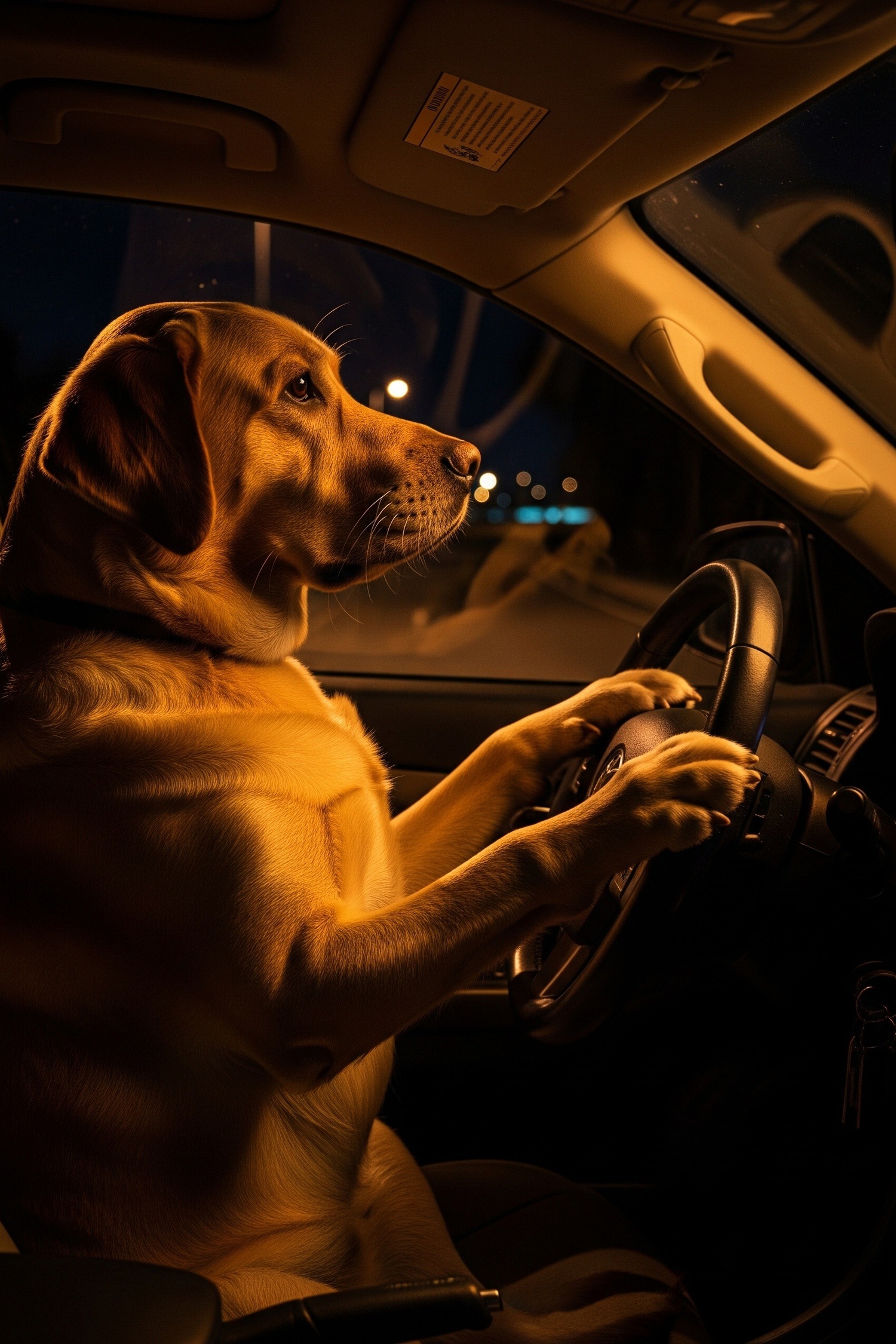
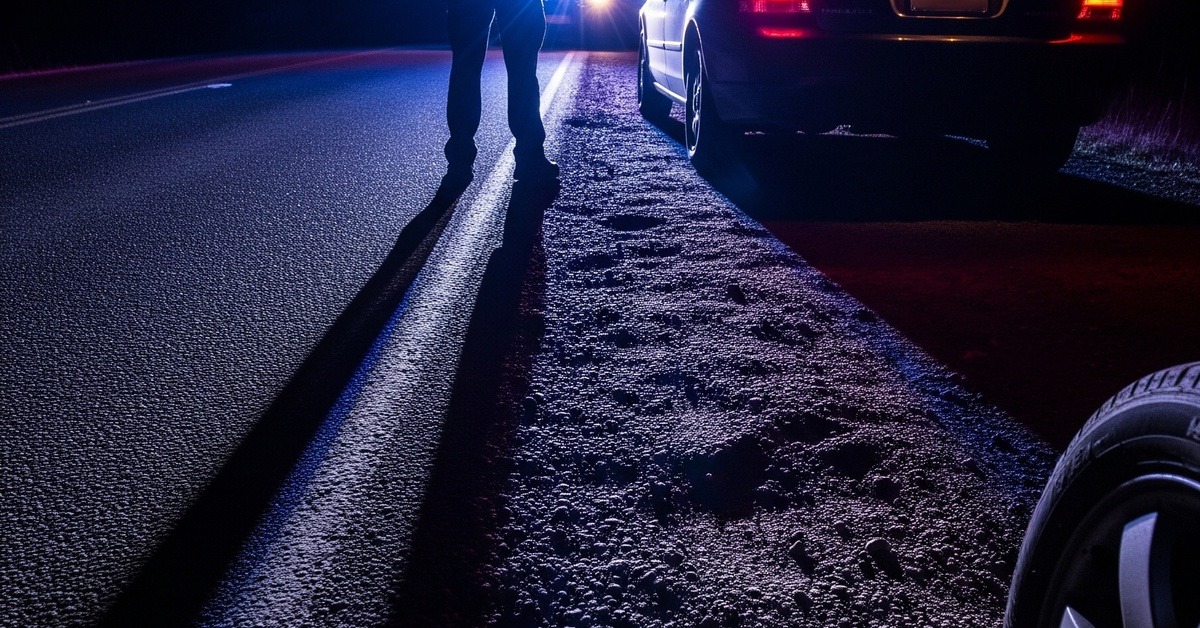
A man gets pulled over for DUI. Instead of handing over his license, he makes a choice that law enforcement had never quite prepared for: he shoves his Labrador into the driver’s seat and slides into the passenger side. The dog doesn’t protest. The officers do.
Here’s what I can’t stop thinking about: the moment of decision. Not the drinking and driving part — that’s the obvious catastrophe. But that split second when the red and blue lights hit the mirror and his brain said, “I know. I’ll move the dog.” It requires actual physical coordination. You have to reach over, grab a sixty-pound animal, reposition yourself, and then sit there very, very still while a trained officer walks up to the window. The commitment is almost admirable. Almost.
Key Facts
- The driver attempted to avoid a DUI by physically moving his Labrador into the driver’s seat and sliding into the passenger side before the officer arrived
- The National Highway Traffic Safety Administration reports roughly 37 people die every day in alcohol-impaired driving crashes, totaling about 13,000 deaths per year
- Approximately 1.5 million DUI arrests occur in the United States every year
- A 2022 AAA Foundation survey found that 1 in 6 U.S. drivers admitted to driving when they thought they might be over the legal limit
- Alcohol degrades response inhibition — the mental mechanism that stops you from acting on a bad idea — beginning at blood alcohol levels as low as 0.05%, below the 0.08% legal driving limit in most U.S. states
In short: A man pulled over for DUI attempted to swap places with his Labrador, putting the dog in the driver’s seat. The officers spotted it immediately. NHTSA data show roughly 37 alcohol-impaired driving deaths per day in the US (~13,000 yearly), and research shows alcohol degrades response inhibition from blood alcohol as low as 0.05%, well below the 0.08% legal limit.
What Actually Happened on That Road
The Labrador was fine. Calm, even. Which makes sense — Labs are bred for exactly this kind of unflappable presence. They don’t understand legal jeopardy. They don’t understand why they’re suddenly in the driver’s seat or why their person is in the passenger seat looking nervous. They just exist, fluffy and completely innocent, while the world’s worst alibi falls apart.
The officers saw it immediately.
They removed the dog safely, arrested the man, and presumably spent the rest of their shift telling this story to literally everyone who would listen. Because this is the kind of moment that stays with you. It’s so stupid, so thoroughly committed to its own stupidity, that it loops back around into being almost mythological.
The Science of Why a Panicking Brain Does This
Alcohol doesn’t just impair judgment. It demolishes it. The prefrontal cortex — that’s the part of your brain that filters bad ideas and says “no, absolutely not” — it goes offline. What you’re left with is raw problem-solving. Unfiltered. Desperate.
And sometimes that unfiltered brain decides a dog is a viable legal strategy.
It would almost be funny if the statistics weren’t so grim. The National Highway Traffic Safety Administration reports that roughly 37 people die every single day in alcohol-impaired driving crashes. Thirteen thousand deaths per year. Researchers like Dr. Ralph Hingson at the National Institute on Alcohol Abuse and Alcoholism have spent entire careers trying to move that number down. What nobody expected was someone to solve the problem by introducing a dog.
The thing that kept me reading for another hour was this: under pressure, stripped of judgment, the human brain will reach for anything. It will construct logic out of nothing. It will cast a dog in a supporting role in its own legal drama and actually believe it might work.
This Isn’t Even the First Time
Turns out, desperate drivers have blamed their pets for all sorts of things. The gear shift was bumped. The dog startled them. The cat jumped onto the lap. There are documented cases in multiple countries — UK, Australia, and across the United States — of people trying to pin their driving behavior on their animals.
But here’s what makes the DUI dog driver seat case different: it’s not passive. It’s not an excuse made up after the fact. This required choreography. This required a plan, however brief and terrible that plan was. Most people caught drunk driving panic and freeze. This man panicked and *performed*.
Officers are trained to notice when the guy with the license is sitting in the passenger seat.
- 37 people die every day in drunk-driving crashes according to NHTSA 2023 data.
- Approximately 1.5 million DUI arrests happen in the United States every year, which means the odds of encountering a truly creative escape attempt are statistically not zero.
- A 2022 AAA Foundation survey found that 1 in 6 U.S. drivers admitted to driving when they thought they might be over the legal limit.
- Labradors, the breed in question, are among the most commonly used service dogs in America — specifically because they remain unnervingly calm in stressful situations. Which may explain why this particular dog took the whole scenario in stride.
The Neurology and the Law
Alcohol degrades something called “response inhibition” — the mental mechanism that stops you from acting on a bad idea. Studies show this function begins degrading at blood alcohol levels as low as 0.05%, which is below the legal driving limit of 0.08% in most U.S. states. By the time you’re actually impaired enough to get pulled over, you’re running on fumes and instinct.
In legal terms, what this man did — attempting to use an animal as a decoy during a traffic stop — doesn’t create a viable defense. It creates additional charges. Obstruction of justice. Making false statements to law enforcement. Depending on the jurisdiction, it could be more. The dog was never going to testify. The dog had absolutely no credibility as a witness, and yet that’s where he went with it.
That last part actually baffles me.
Why This Stays With You
You can laugh — you should laugh, a little. The image of a calm Labrador behind a steering wheel is objectively absurd. But there’s something else happening underneath the absurdity. This moment holds up a mirror. It says: under enough pressure, stripped of judgment, this is what we become. We reach for anything. We improvise. We cast dogs in supporting roles in our own legal dramas and genuinely hope it’s going to work.
It’s the architecture of panic, made visible.
But the deeper story isn’t about one man and one bad decision on one road. It’s about what alcohol does to the risk calculation center of the brain. It’s about why 37 people a day — every single day, one death every 39 minutes — still isn’t enough to keep people from getting behind the wheel when they shouldn’t. The dog didn’t choose to be involved. The victims of drunk driving never chose to be involved either.
A dog sat behind a steering wheel. A man sat in the passenger seat. The officers made an arrest. And somewhere between the absurdity and the mugshot is a real story about human fallibility, panic, and the problem-solving capacity of a brain running on empty. If stories like this pull you down rabbit holes the way they pull me, there’s more where this came from. The next one is even stranger.
Frequently Asked Questions
Q: What did the driver actually do during the traffic stop?
Pulled over for suspected DUI, he reached over, physically moved his roughly sixty-pound Labrador into the driver’s seat, and slid himself into the passenger side before the officer reached the window. The dog took the whole scenario calmly — Labradors are bred for unflappable temperament and are among the most commonly used service dogs in America. Officers are trained to notice when the registered driver is sitting in the passenger seat, so they removed the dog safely and arrested the man on the spot.
Q: Why would someone think this would work?
Alcohol does not just impair judgment — it demolishes it. The prefrontal cortex, which filters bad ideas, goes offline. What remains is raw, desperate problem-solving, and sometimes that brain decides a dog is a viable legal strategy. Research on response inhibition shows the function begins degrading at blood alcohol levels as low as 0.05%, below the 0.08% legal driving limit in most U.S. states. By the time someone is impaired enough to get pulled over, they are running on instinct.
Q: How serious is drunk driving in the United States?
The National Highway Traffic Safety Administration reports that roughly 37 people die every day in alcohol-impaired driving crashes — about 13,000 deaths per year, or one death every 39 minutes. Approximately 1.5 million DUI arrests occur in the U.S. annually. A 2022 AAA Foundation survey found that 1 in 6 U.S. drivers admitted to driving when they thought they might be over the legal limit. Researchers like Dr. Ralph Hingson at the National Institute on Alcohol Abuse and Alcoholism have spent careers trying to move those numbers down.
Q: Did blaming the dog create any legal problems beyond the original DUI?
Yes. Attempting to use an animal as a decoy during a traffic stop is not a viable defense — it creates additional charges. Obstruction of justice and making false statements to law enforcement can stack on top of the original DUI, depending on jurisdiction. The dog had no credibility as a witness, but desperate drivers in multiple countries (the UK, Australia, the United States) have tried to blame pets for their driving. This case was unusual because it required active choreography rather than a post-hoc excuse.
Illustrations are AI-generated. Article fact-checked and human-edited. Our editorial standards.