Christmas Island Crab Bridge and Tunnels, Explained
Inside the only road system on Earth rebuilt for crabs — 31 tunnels, one bridge, kilometres of fence, and the tiny wasp that made it all matter again.
Read MoreTHIS AMAZING WORLD
Incredible inventions. Unbelievable animals.
Breakthrough research. New wonders every week.


Inside the only road system on Earth rebuilt for crabs — 31 tunnels, one bridge, kilometres of fence, and the tiny wasp that made it all matter again.
Read More
Declared extinct in 1898, rediscovered in 1948, and now — for the first time — mostly wild. The full story of the takahē's 128-year comeback, up to the 2026 releases.
Read More
How a single voluntary sentence kept soy off the rainforest for two decades, what the satellites actually proved, and why the deal came apart in January 2026.
Read More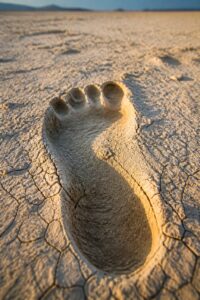
Scientists spent four years trying to prove the White Sands footprints weren't 23,000 years old — and failed. Here's how the date was finally settled.
Read More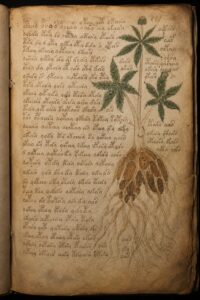
Military codebreakers, linguists, and neural networks have all failed to read the Voynich manuscript. Here is why it resists — and how a 2025 cipher study reopened the case.
Read More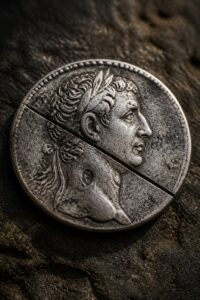
Rome paid for Indian pepper and gems in hard silver — but the coins became far more than money: temple offerings, deliberately slashed portraits, and copies bearing Lakshmi.
Read More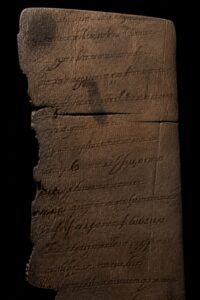
Around AD 100, a Roman officer's wife wrote to invite her friend to a birthday party — and signed it in her own hand. It's the earliest surviving Latin written by a woman anywhere in the Roman Empire.
Read More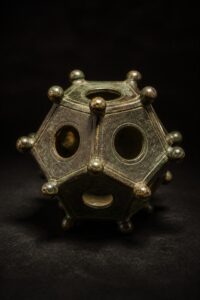
Around 130 hollow, 12-sided Roman bronzes survive, and no ancient text explains them. Here is why the knitting theory is impossible and what the 2023 Norton Disney find actually reveals.
Read More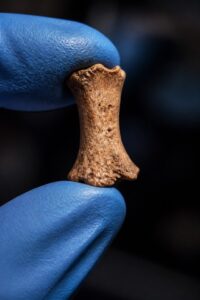
How a child's pinky bone from a Siberian cave introduced a third kind of human — and how, in 2025, the Harbin 'Dragon Man' skull finally gave the Denisovans a face.
Read More
The catapult that supposedly started the Black Death at Caffa in 1346 rests on a single absent witness — and new DNA and physics say it probably never mattered.
Read More
For a century, scholars dismissed the Rapa Nui tradition that the moai 'walked.' A 2025 study and a 4.35-tonne replica prove the islanders were right.
Read More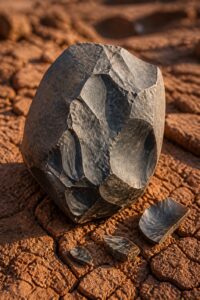
At Lomekwi 3 in Kenya, archaeologists found stone tools dated to 3.33 million years — older than our genus Homo. Here's who likely made them, how the date holds up, and what scientists still argue about.
Read More